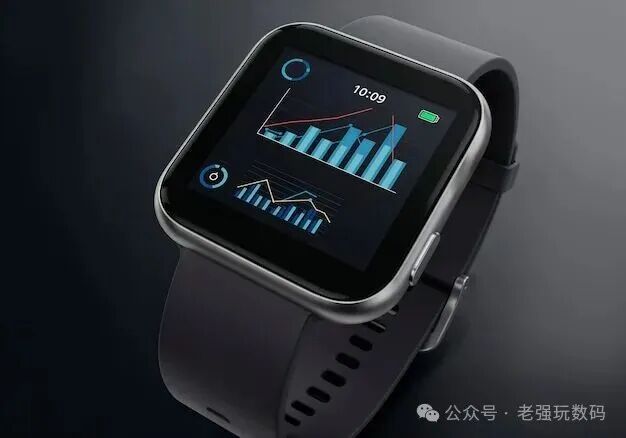
Just as Ma Long has precise data supporting every stroke on the court, smartwatches today can also provide professional analysis for every workout of ordinary people. However, when we see specialized modes in the watch for activities like mountaineering, diving, and triathlons, we can’t help but wonder: what is the use of these for ordinary people who do not participate in professional competitions?
From Data to Understanding: Decoding the Body’s ‘Language’
The core value of professional sports modes lies in their ability to transform abstract bodily sensations into concrete numerical indicators. The term maximum oxygen uptake (VO₂ Max), which sounds very professional, actually reflects how efficiently your body utilizes oxygen. A higher value indicates better cardiovascular health. For ordinary people, it is not necessary to get caught up in absolute values, but rather to focus on the trend of changes—after a few weeks of consistent exercise, seeing this number gradually rise can provide a tangible sense of achievement.
Recovery time recommendations are another practical feature. The watch analyzes your heart rate variability, sleep quality, and activity intensity to tell you how long you need to rest. A common misconception among ordinary people when it comes to fitness is neglecting recovery—either they train too little and see no results, or they train too much and end up injured. This feature acts like a caring coach reminding you: “It’s time to rest today” or “You can exercise moderately.”
Beyond the Gym: Everyday Applications of Professional Features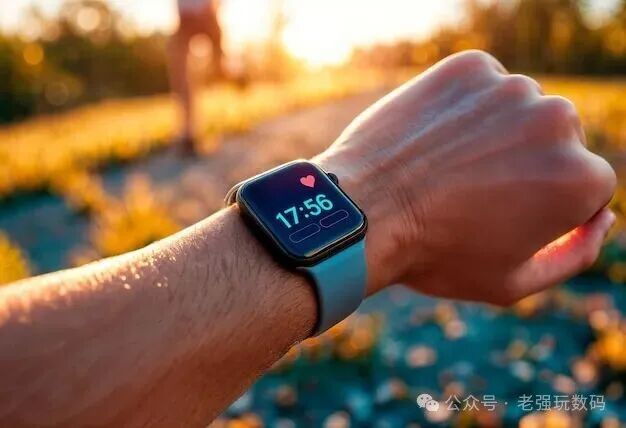
The environmental adaptability features of smartwatches, although designed for outdoor sports, are equally practical in daily life. The waterproof feature not only allows you to record data while swimming but also protects against damage during rainy days or while washing hands. The scratch-resistant properties of the titanium case and sapphire glass mean your watch can withstand the bumps and scrapes of everyday use, keeping it looking new for a long time.
In urban environments, dual-frequency GPS positioning can accurately record running routes and provide more precise navigation as you weave through tall buildings. For those who enjoy exploring new routes in the city, this means less getting lost and more discoveries.
AI Coach: Personalized Guidance for Everyone
While professional athletes have an entire coaching team behind them, the AI coaching feature of smartwatches brings this experience to ordinary people. From posing questions to receiving analyses, modern smartwatches can provide suggestions based on your personal data in just a few seconds. This instant feedback is especially important for fitness beginners—whether your form is correct, the intensity is appropriate, or if you need to adjust your plan, you no longer have to guess blindly.
Precision: Making Every Drop of Sweat Count
The professional sports modes of smartwatches essentially democratize scientific training methods that were once only accessible to athletes, making them available to every ordinary person. They help us understand that fitness is not about working harder but about working smarter. Through data, we learn to listen to our bodies, find a balance between effort and recovery, and make every workout more effective.
Have you ever discovered unexpected athletic potential through the professional data provided by your watch? Feel free to share your findings in the comments!