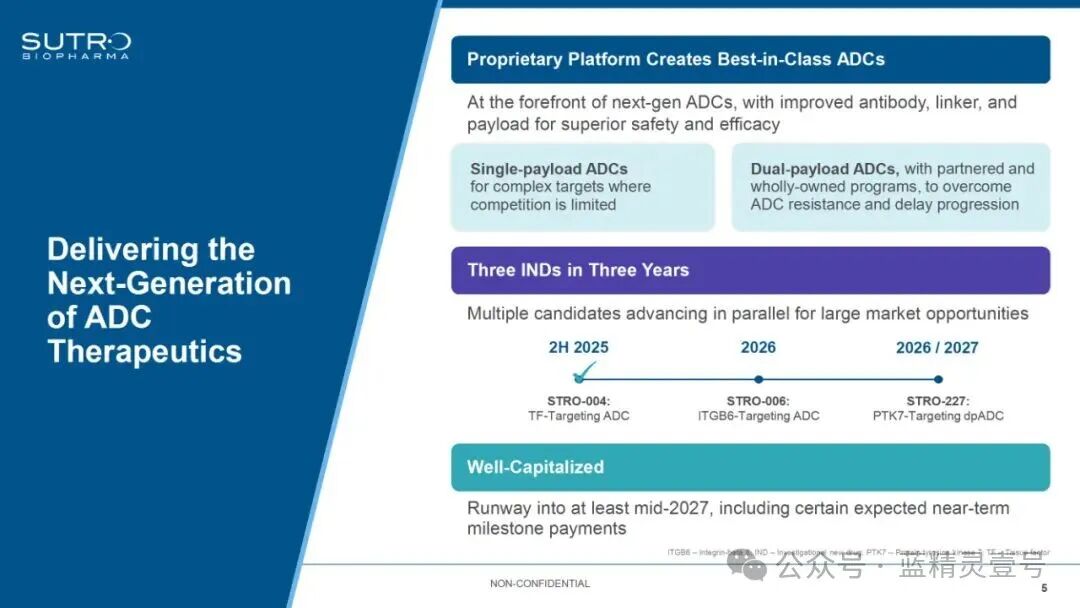
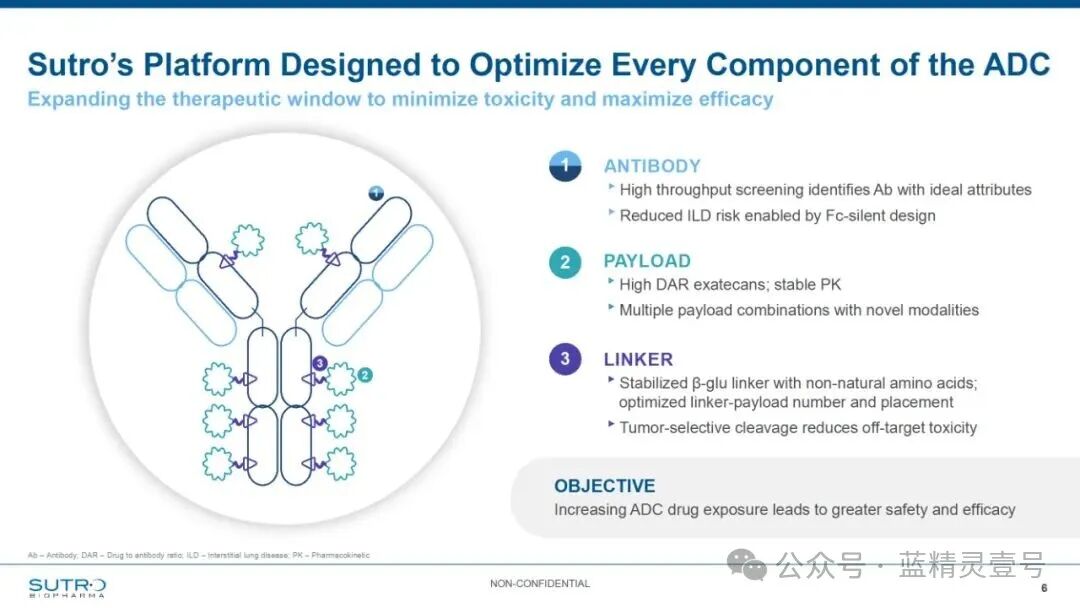
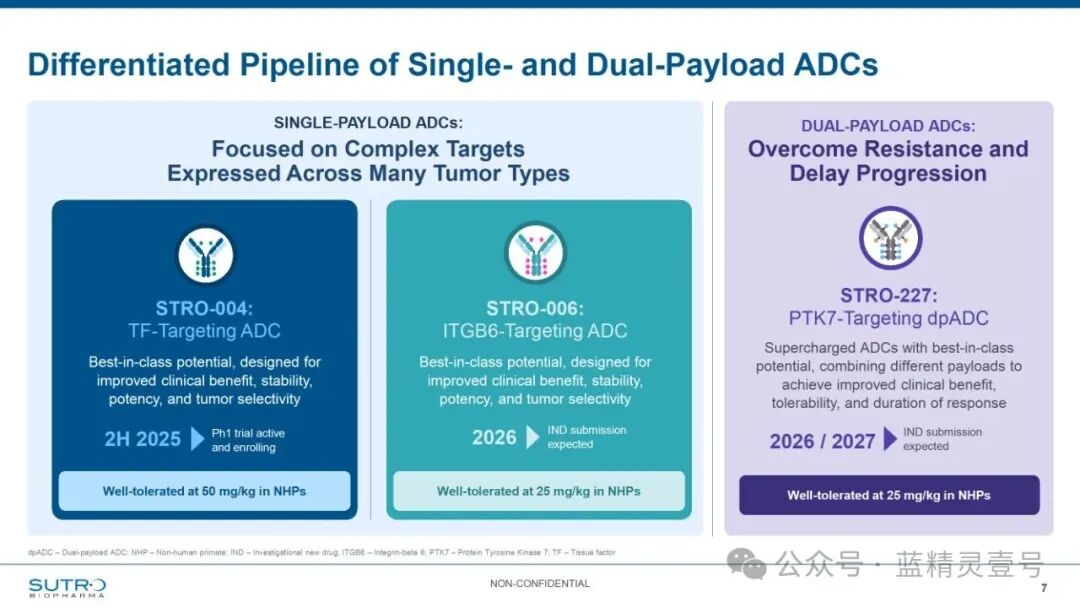
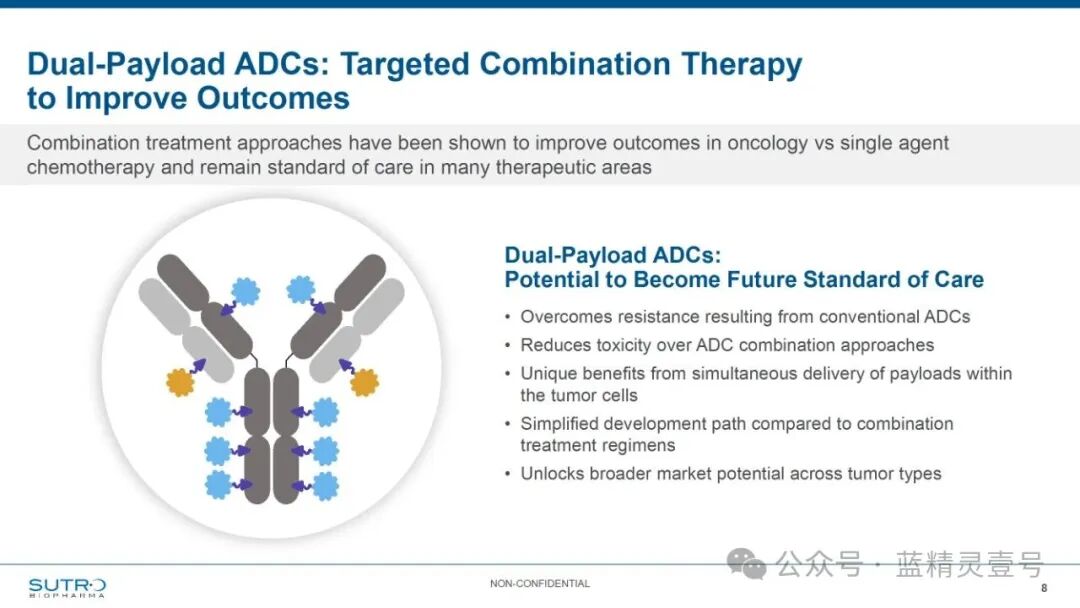
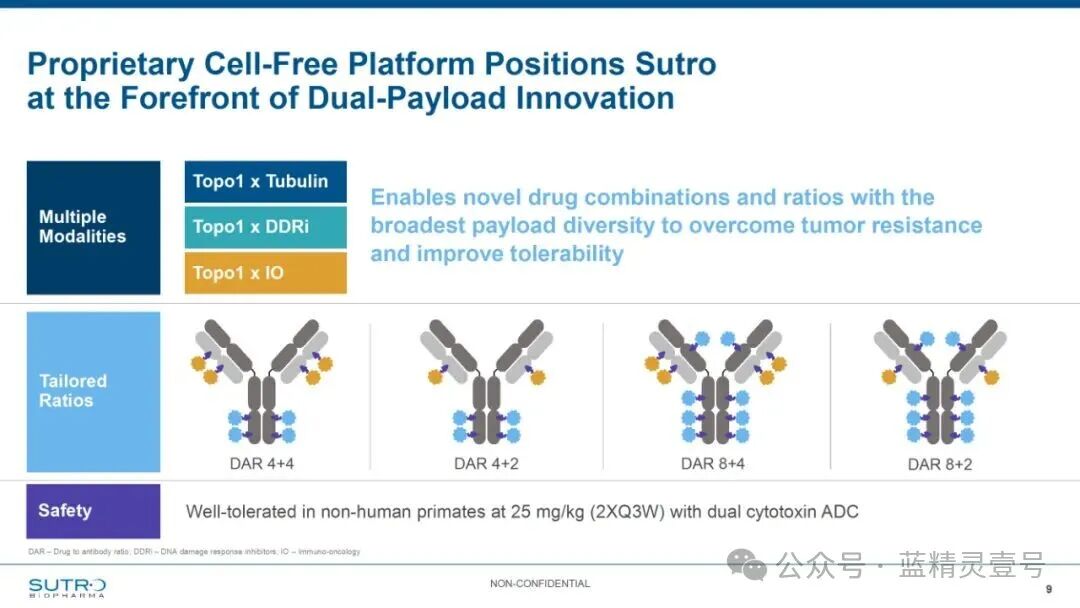
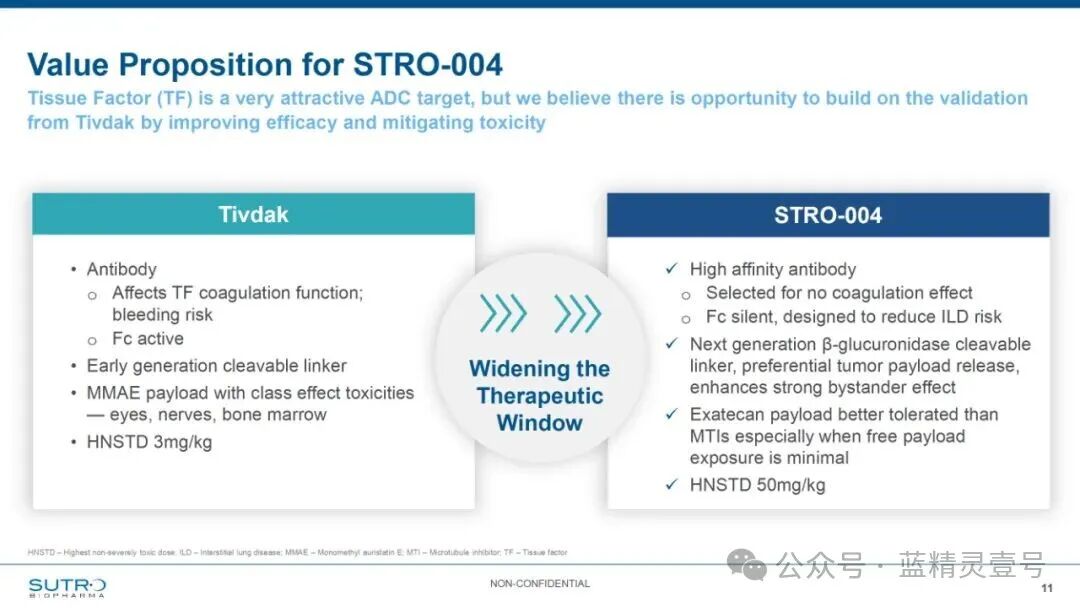
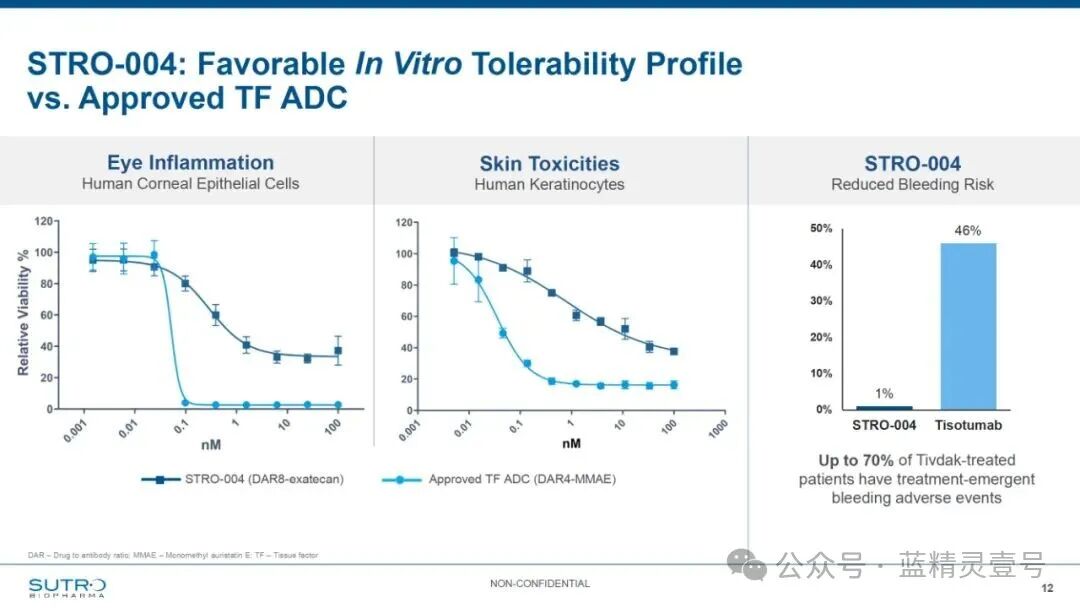
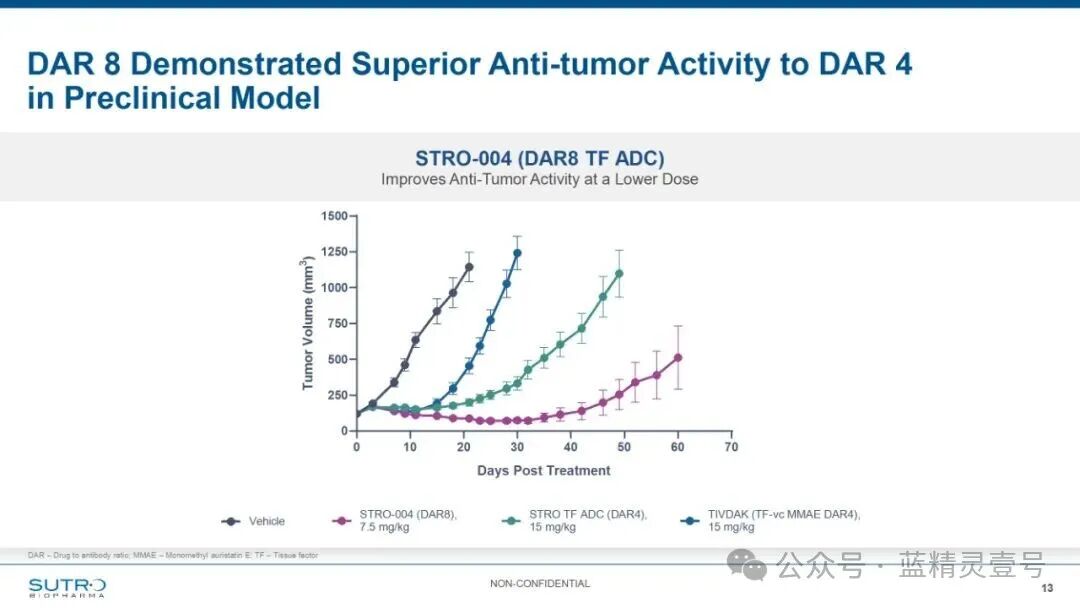
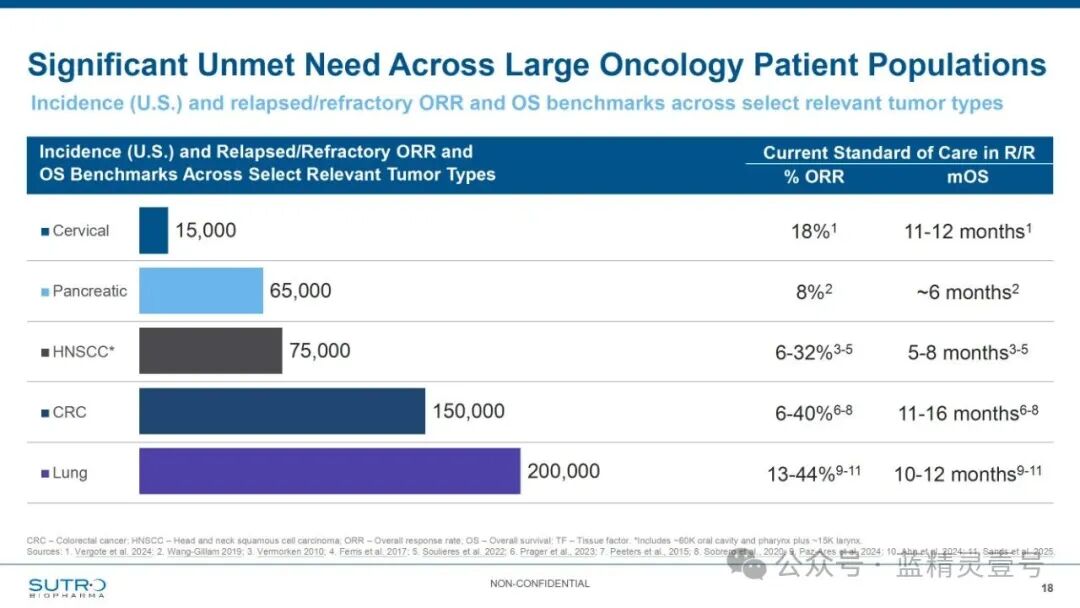
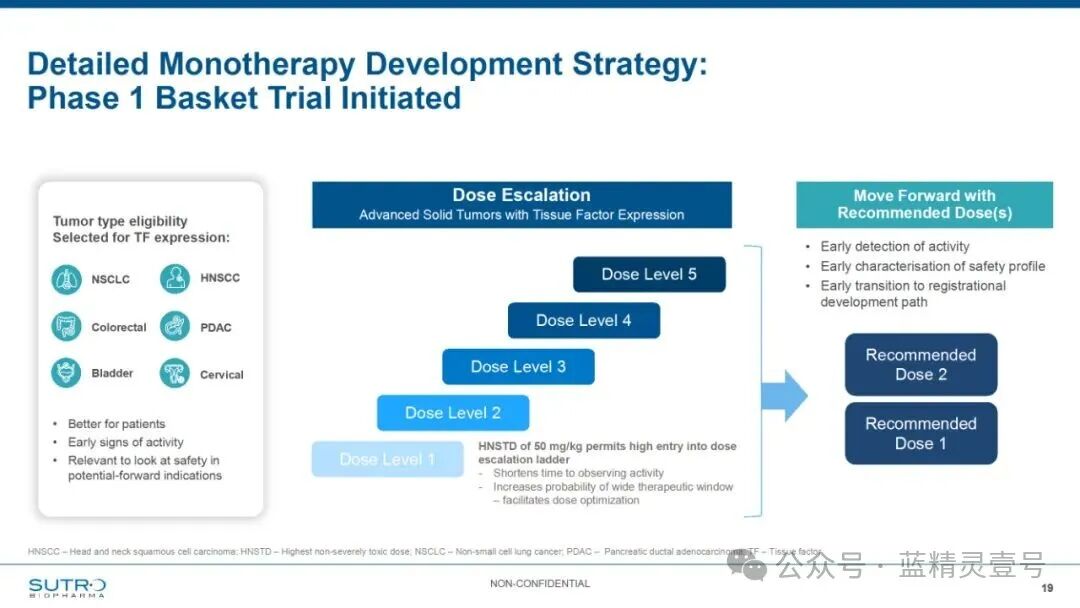
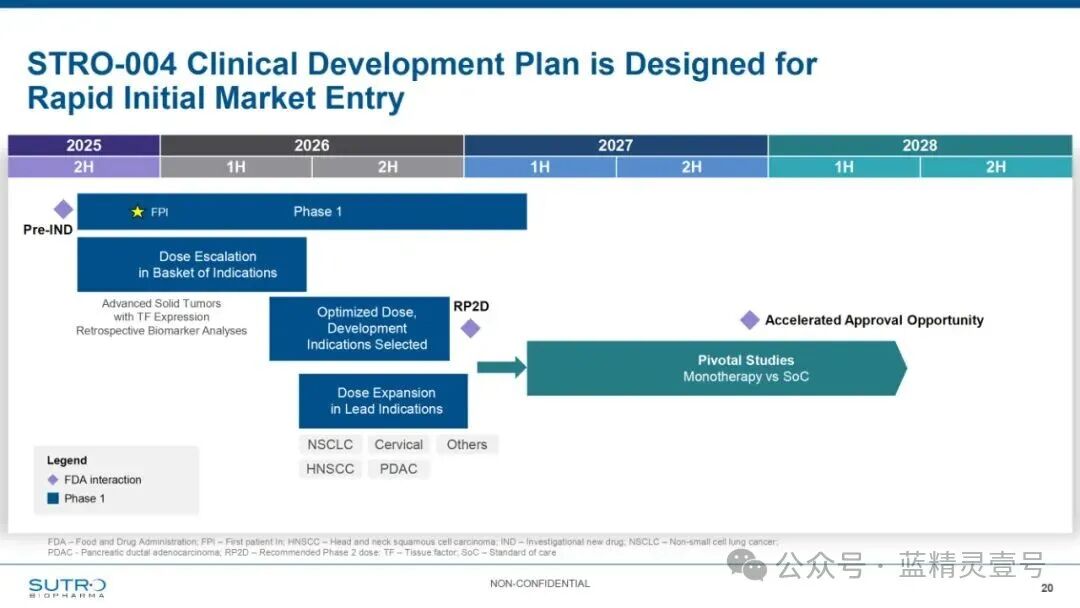
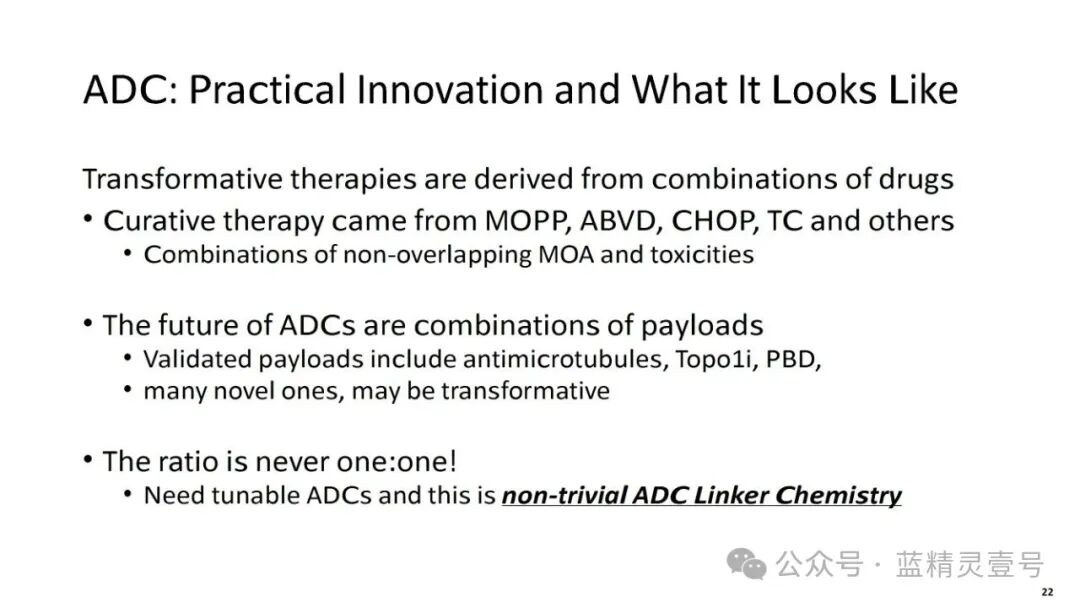
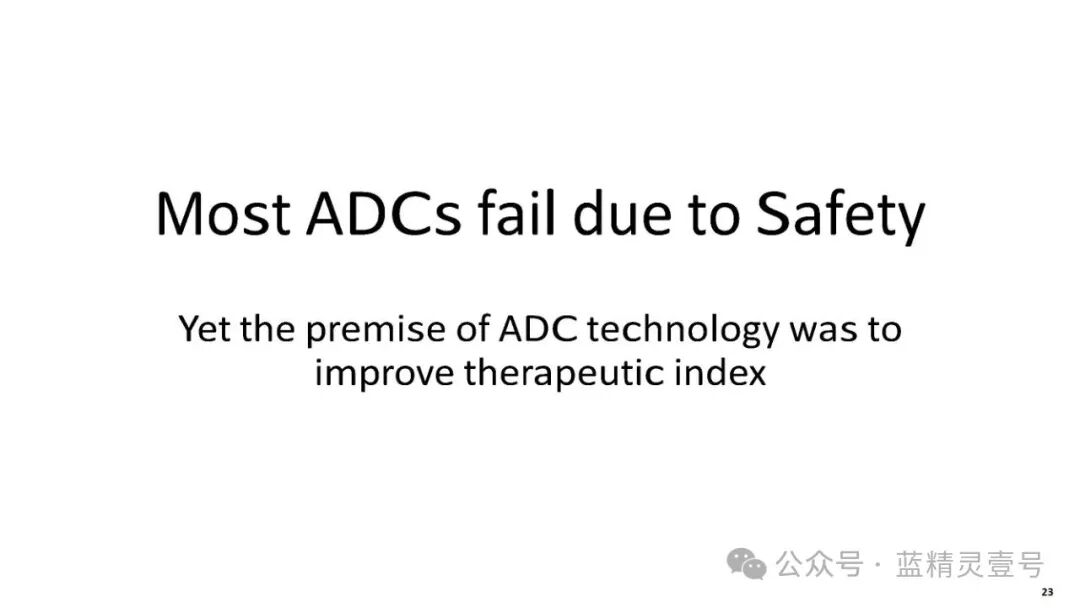
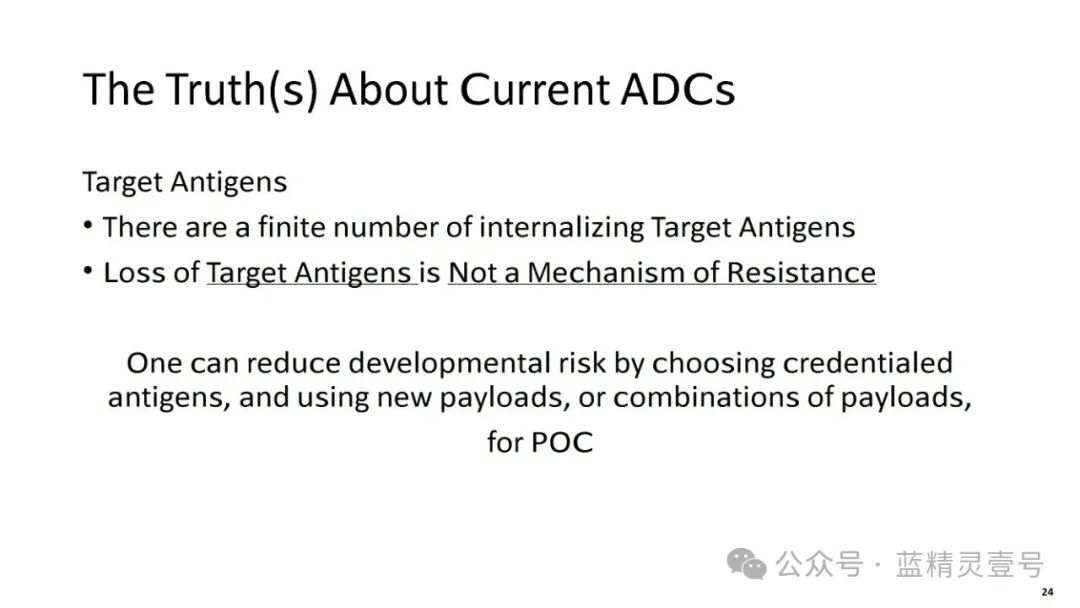
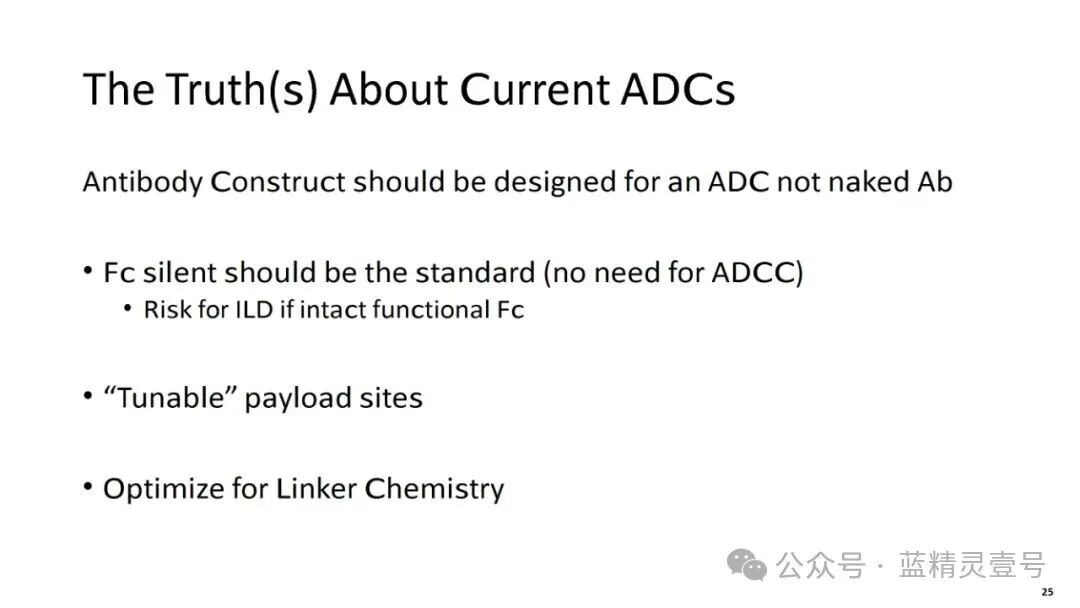
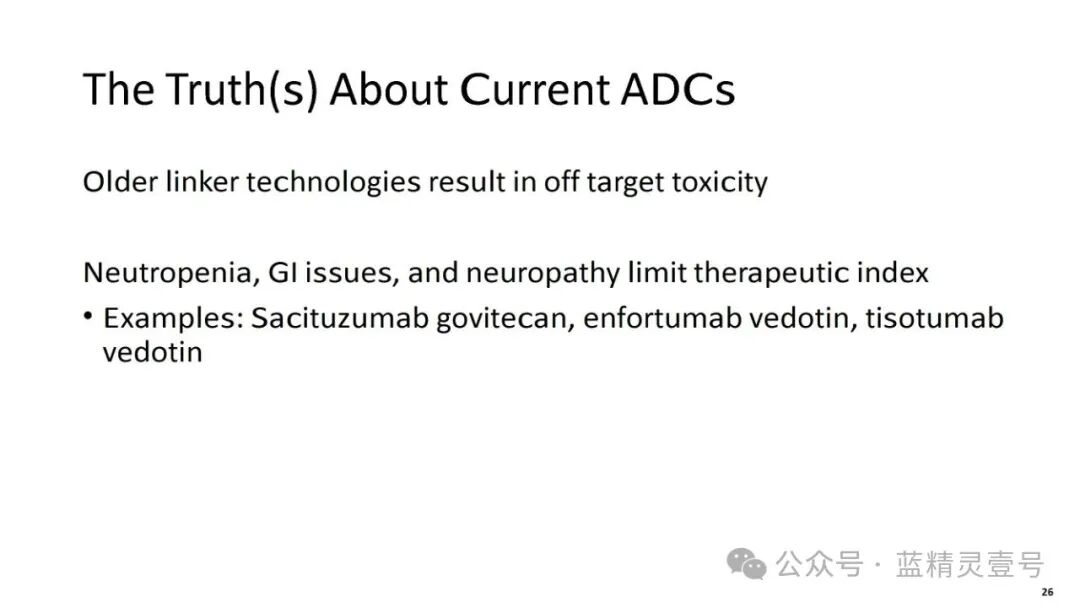
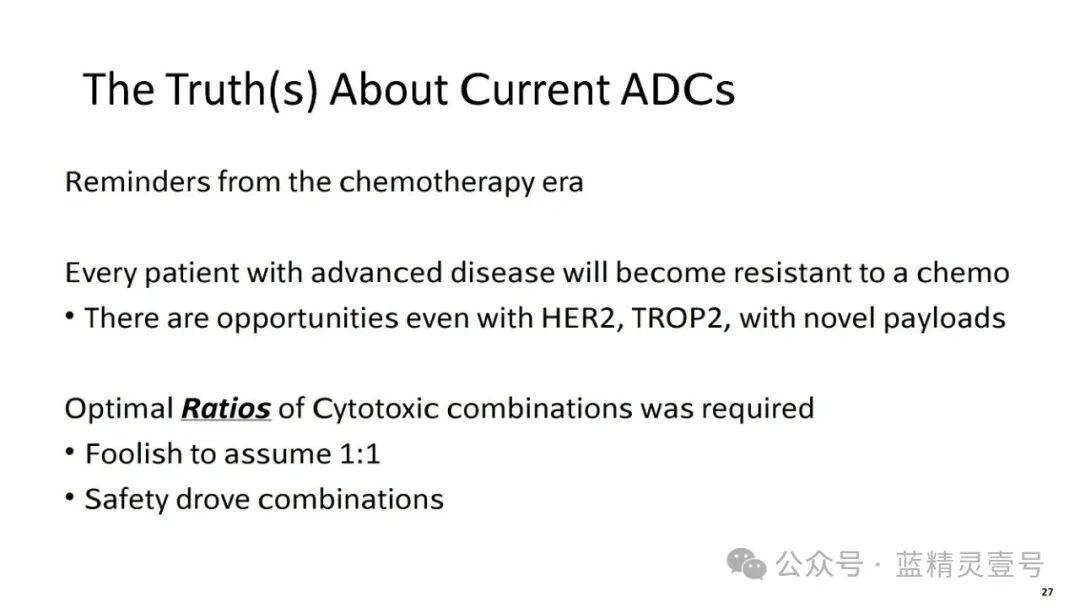
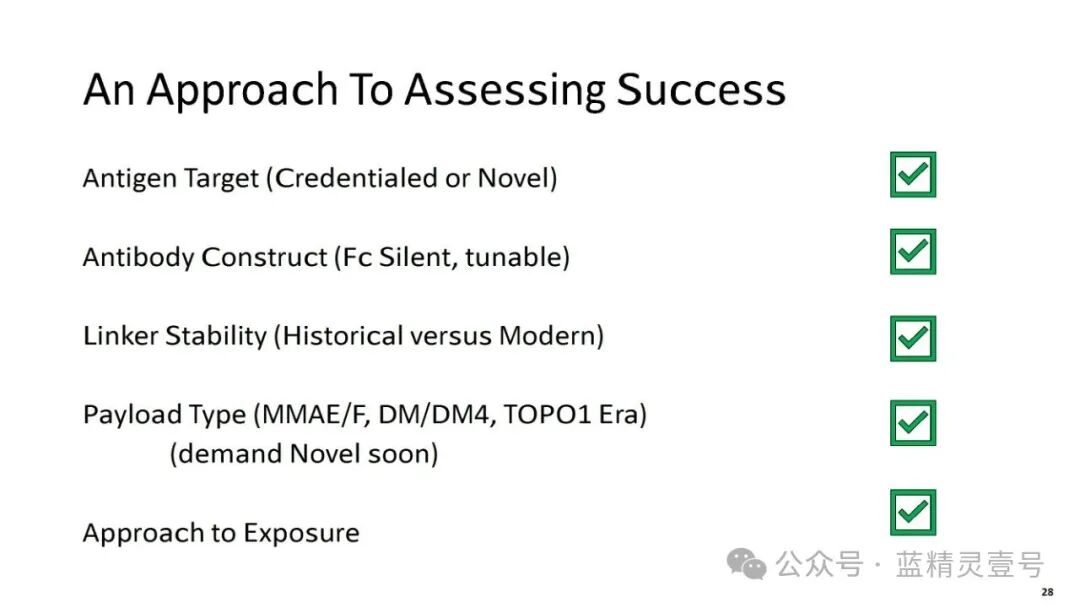
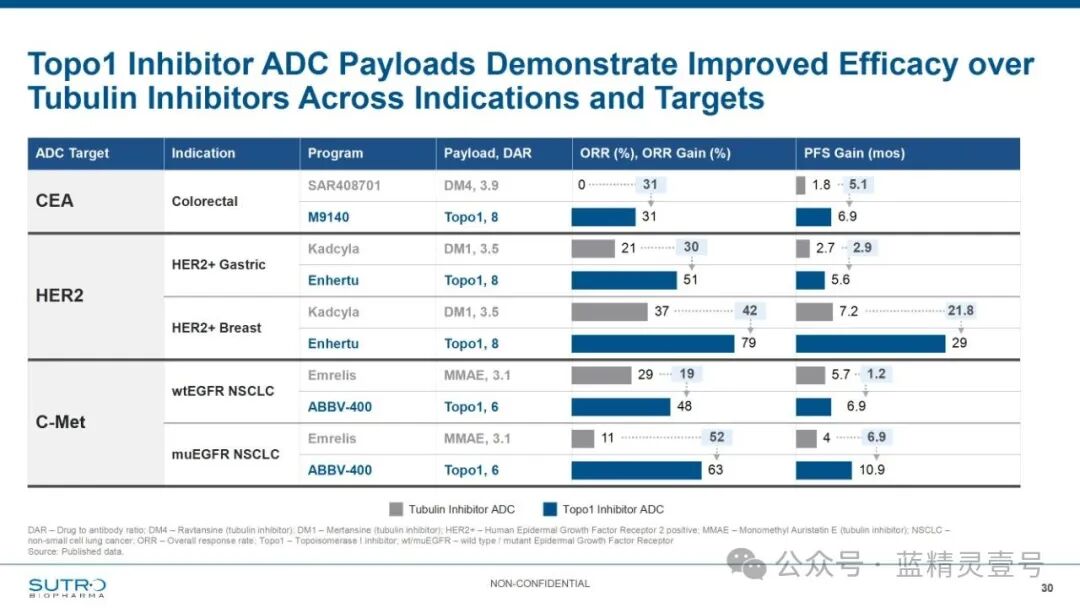
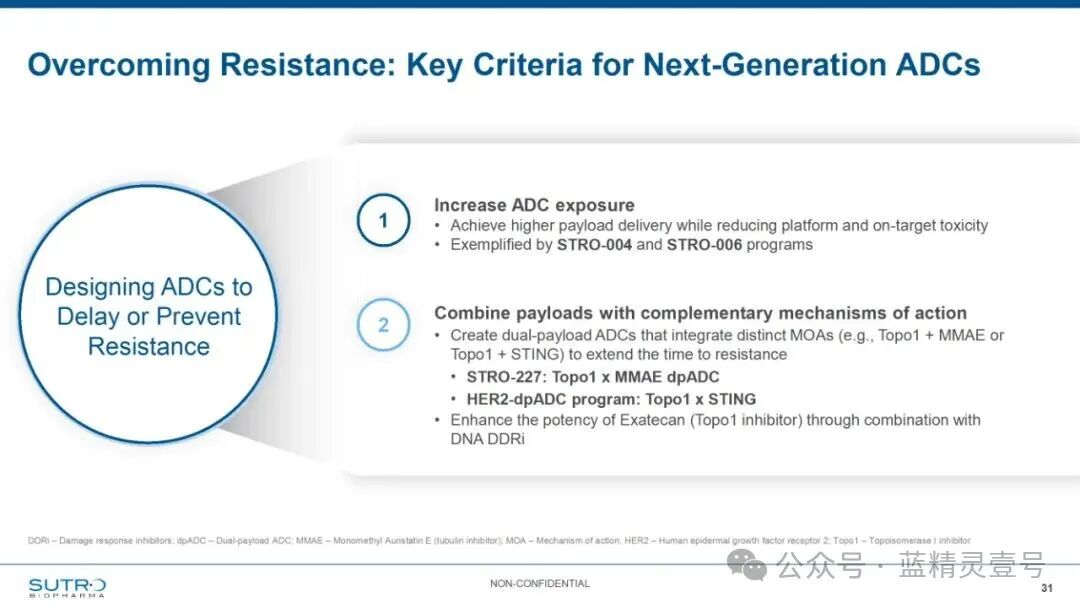
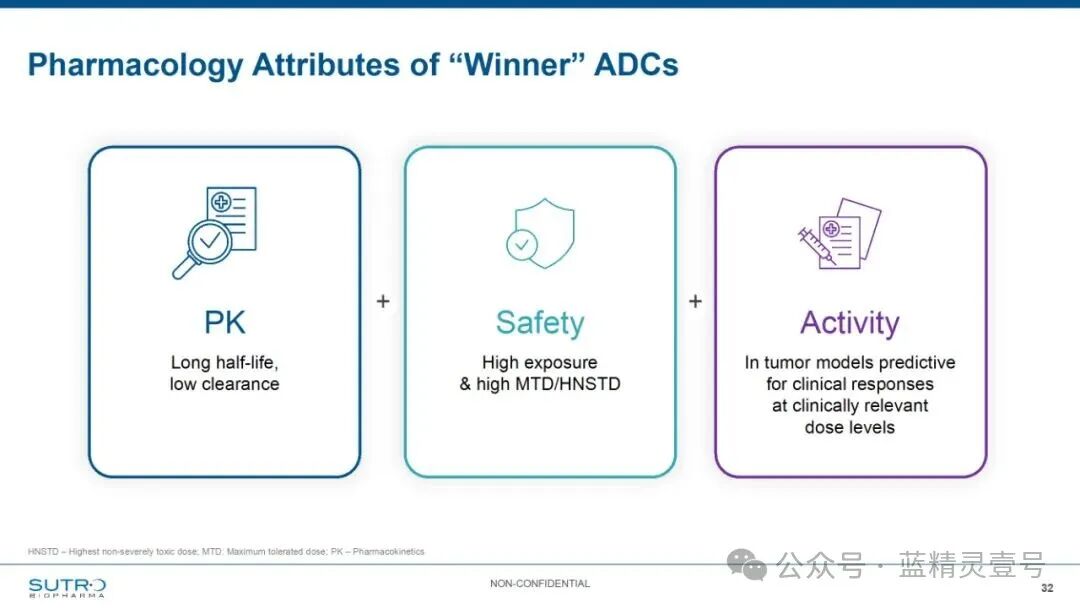
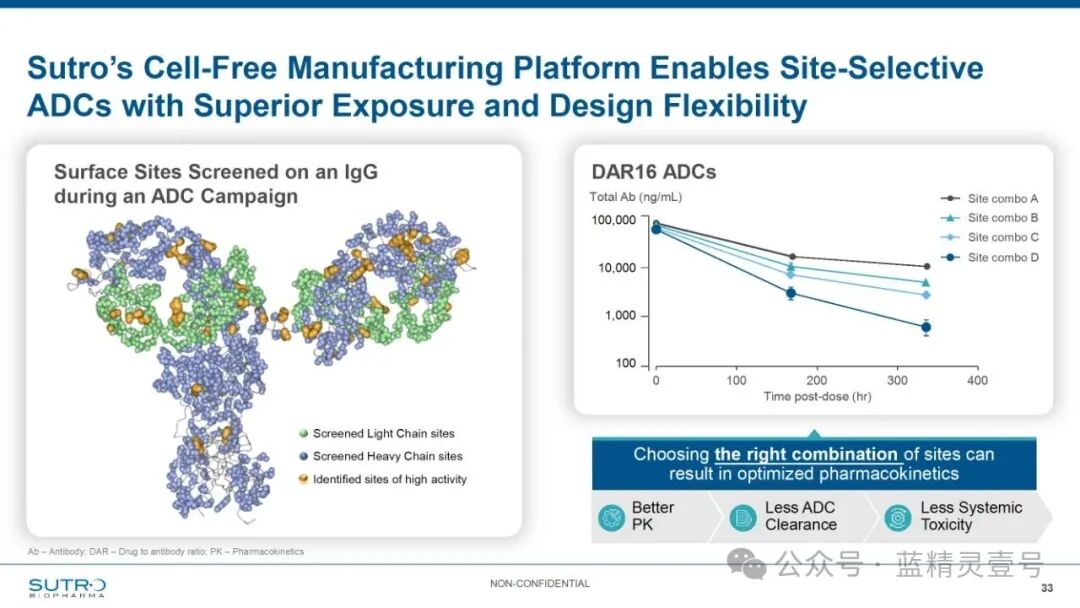
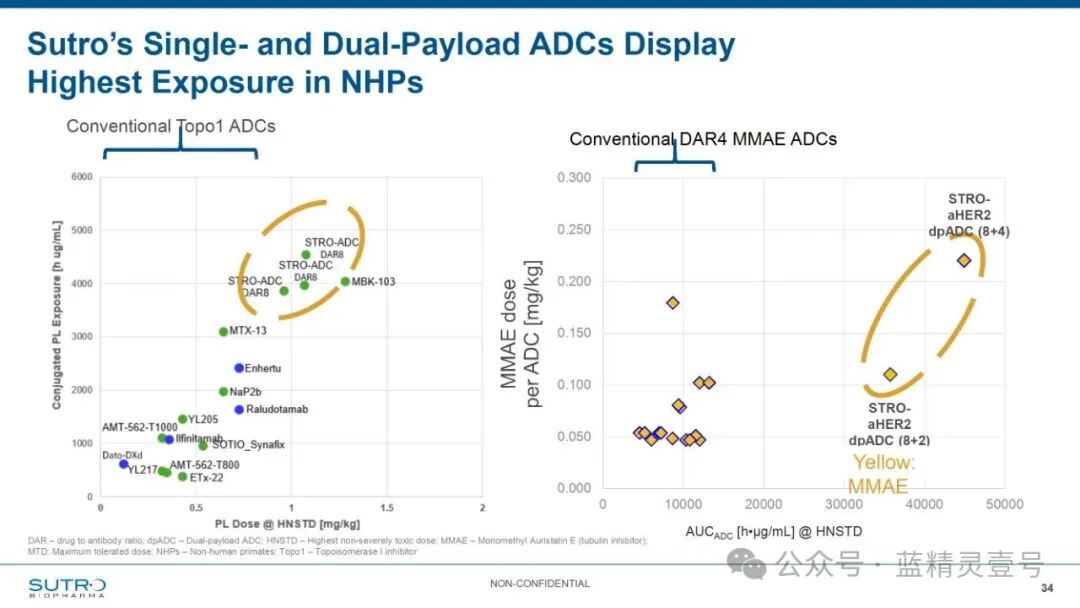
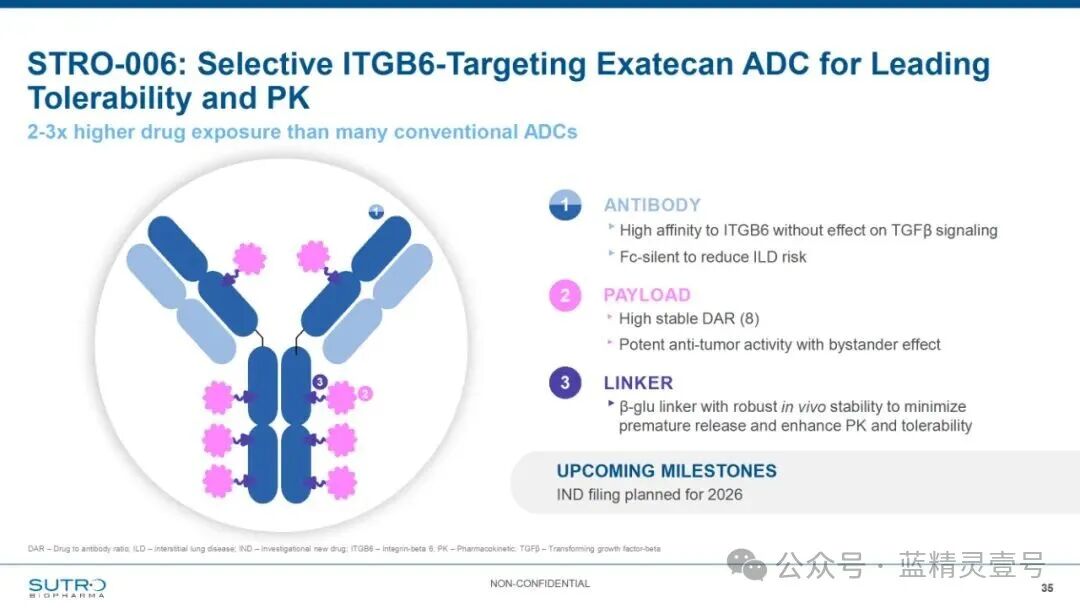
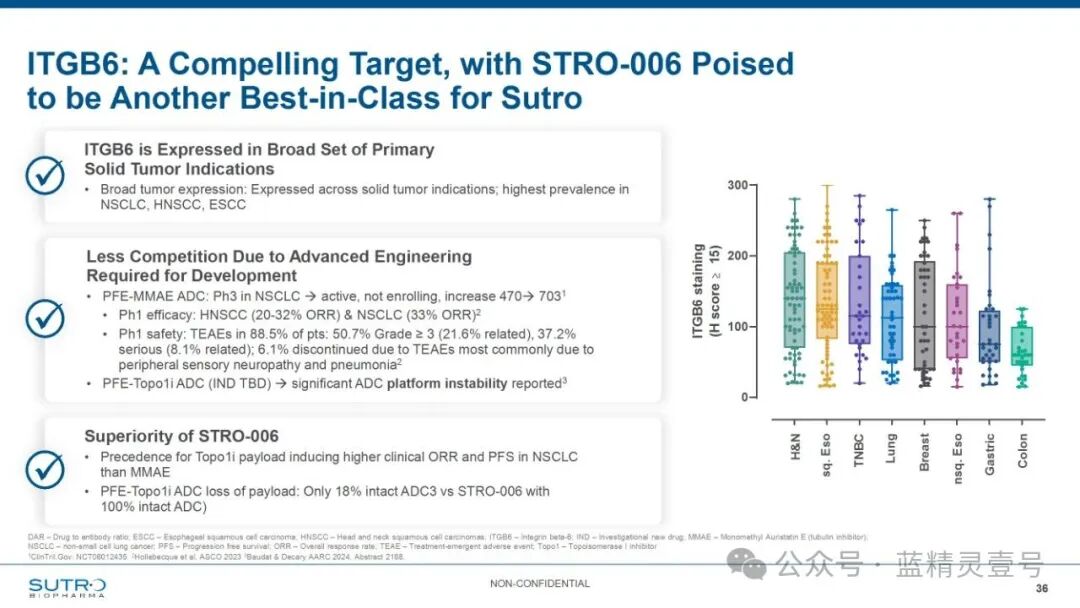
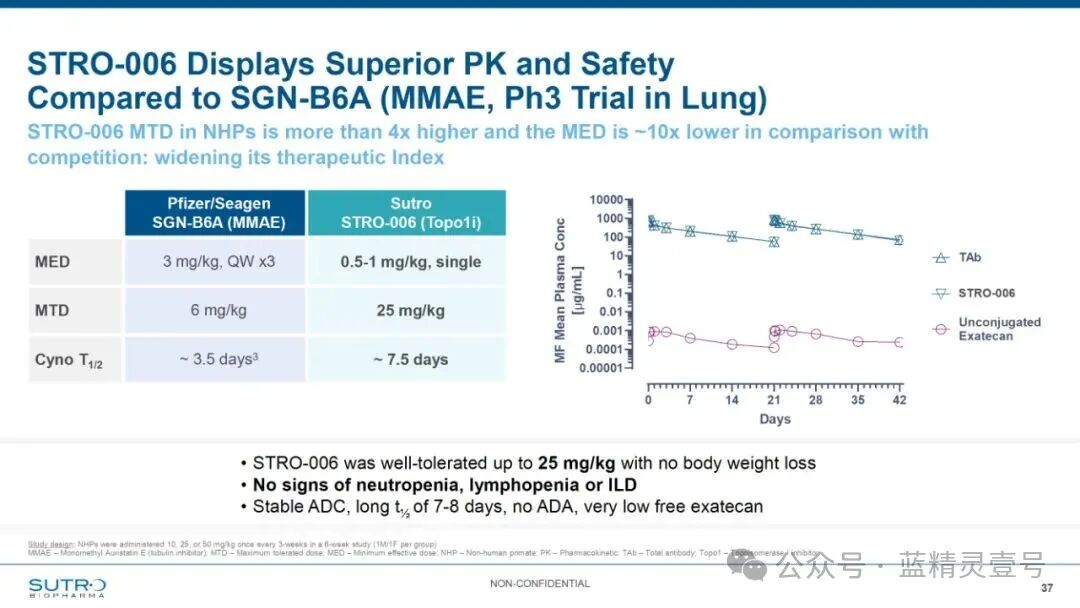
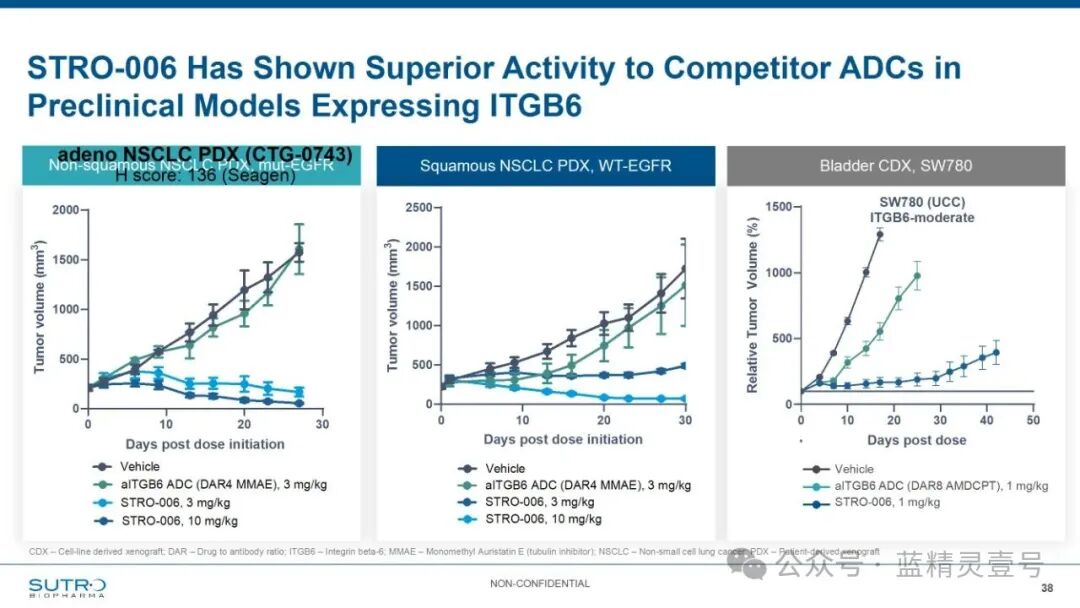
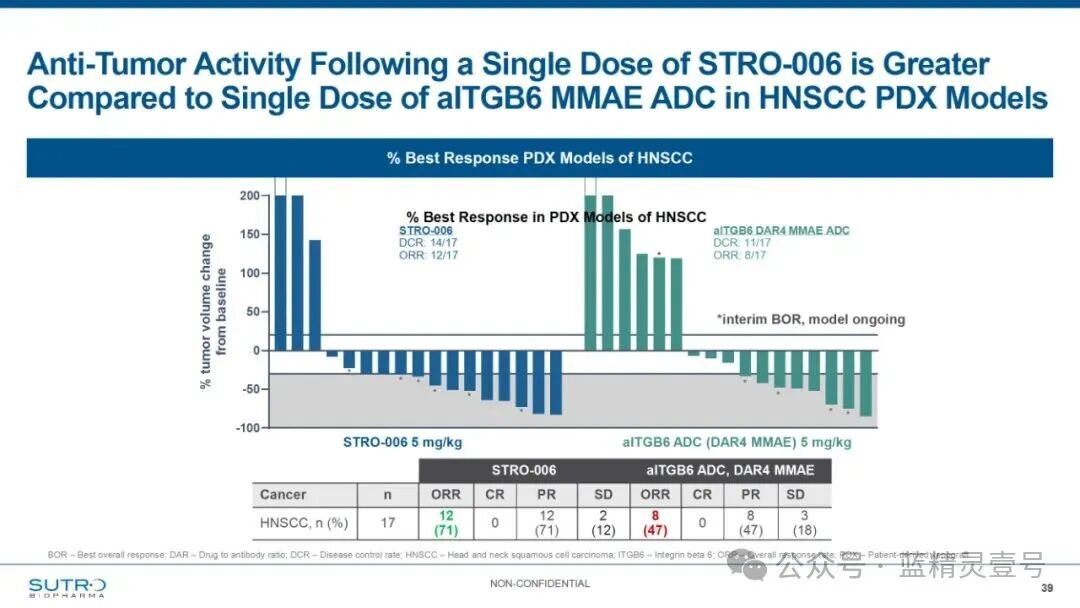
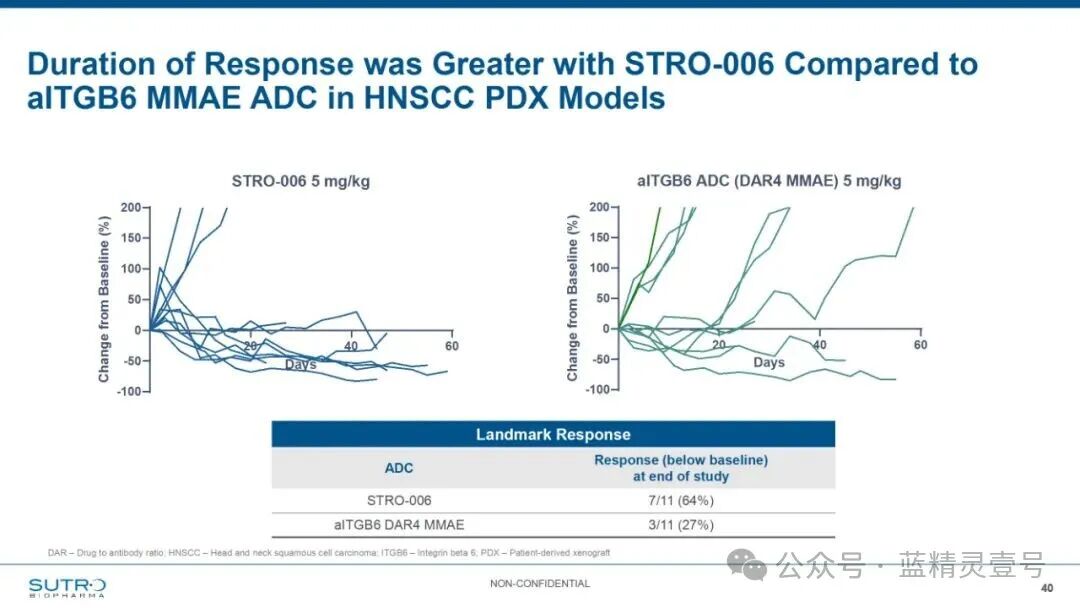
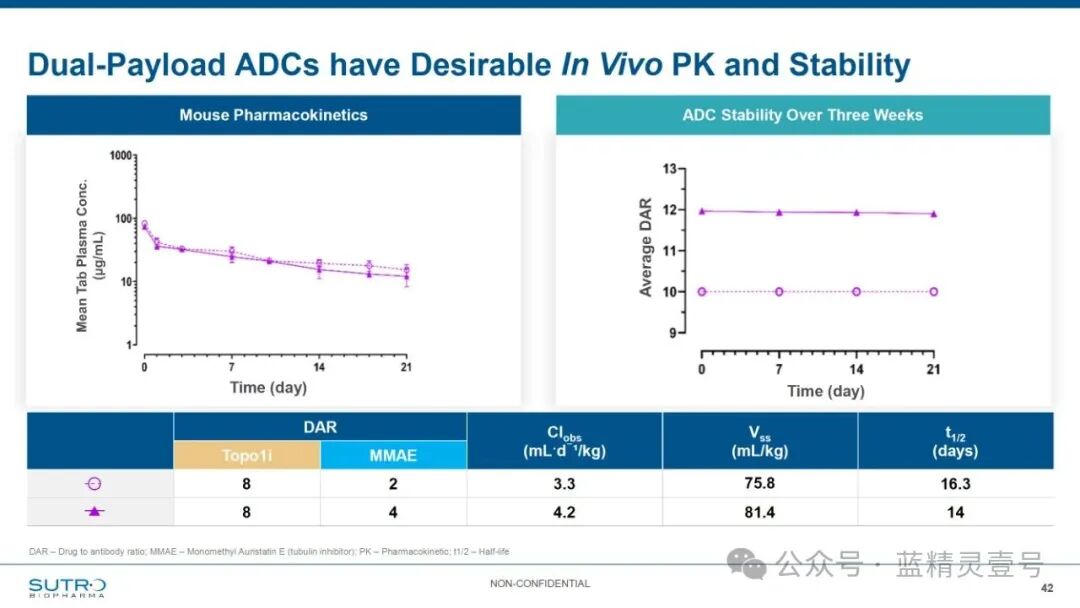
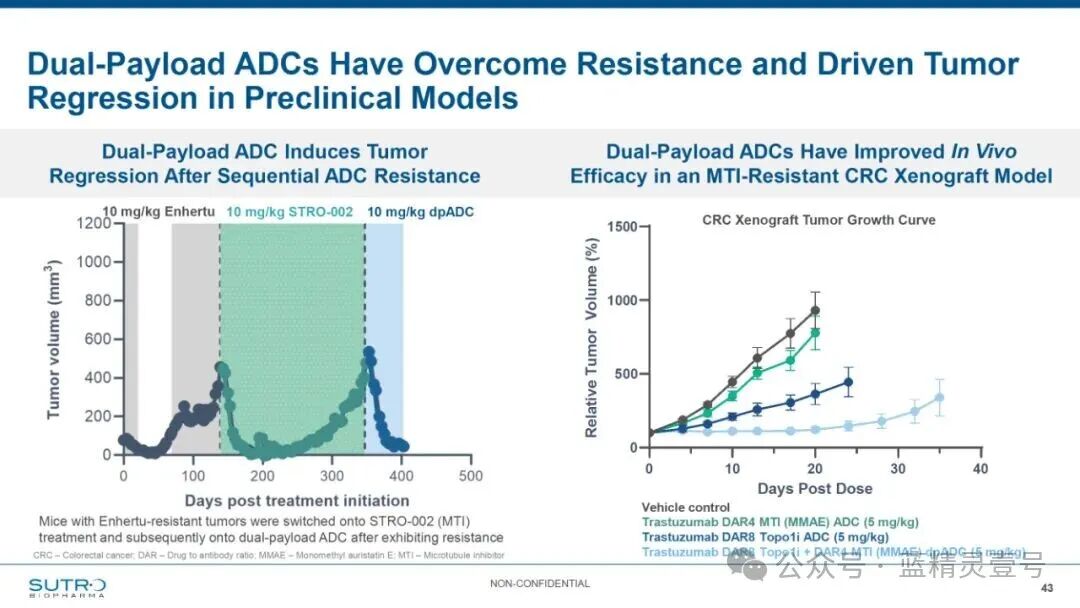
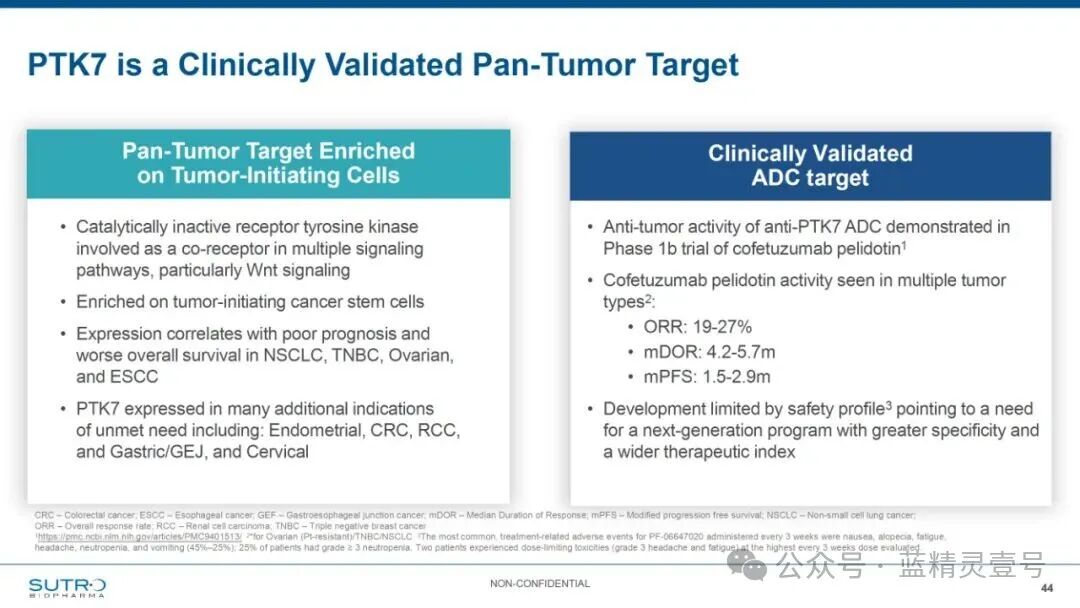
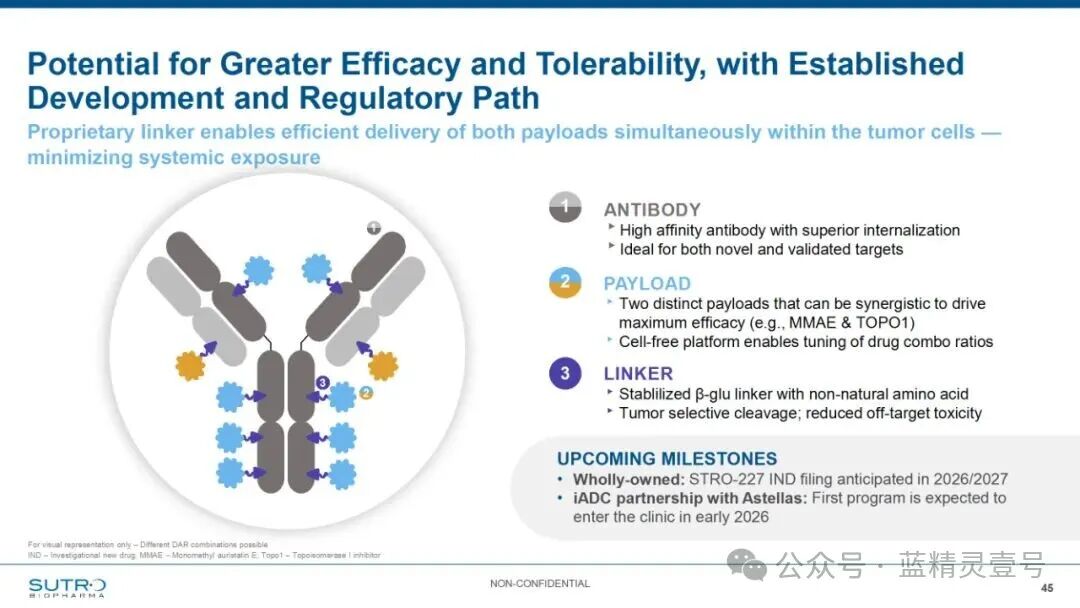
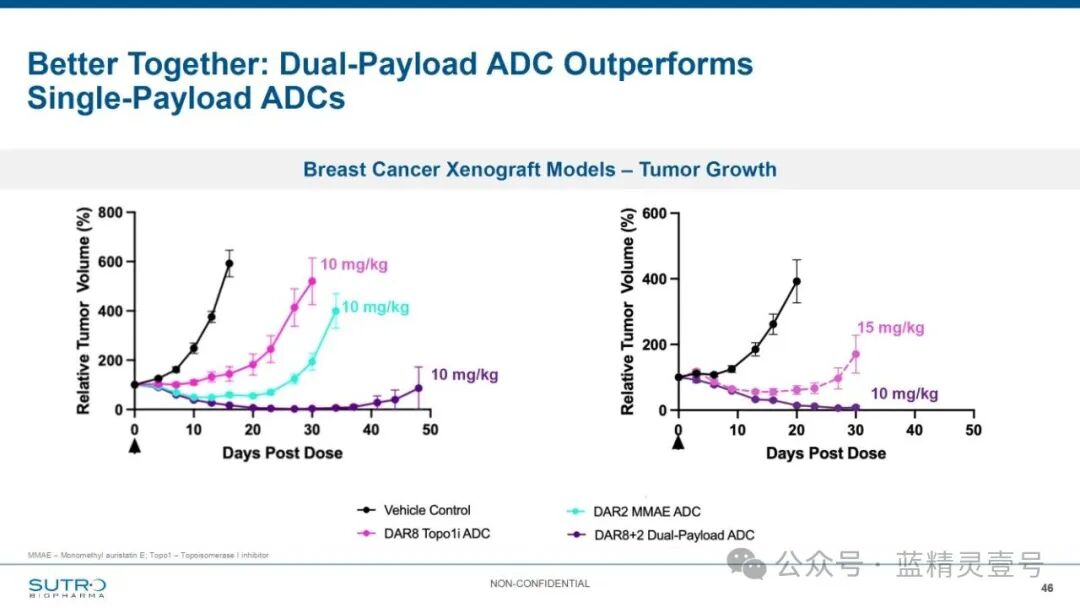
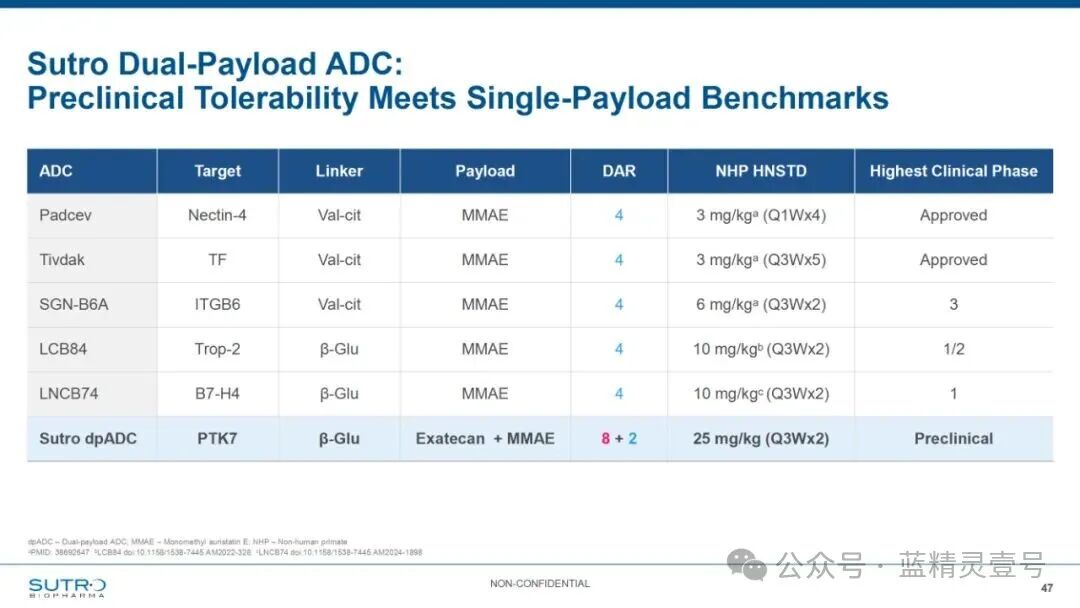
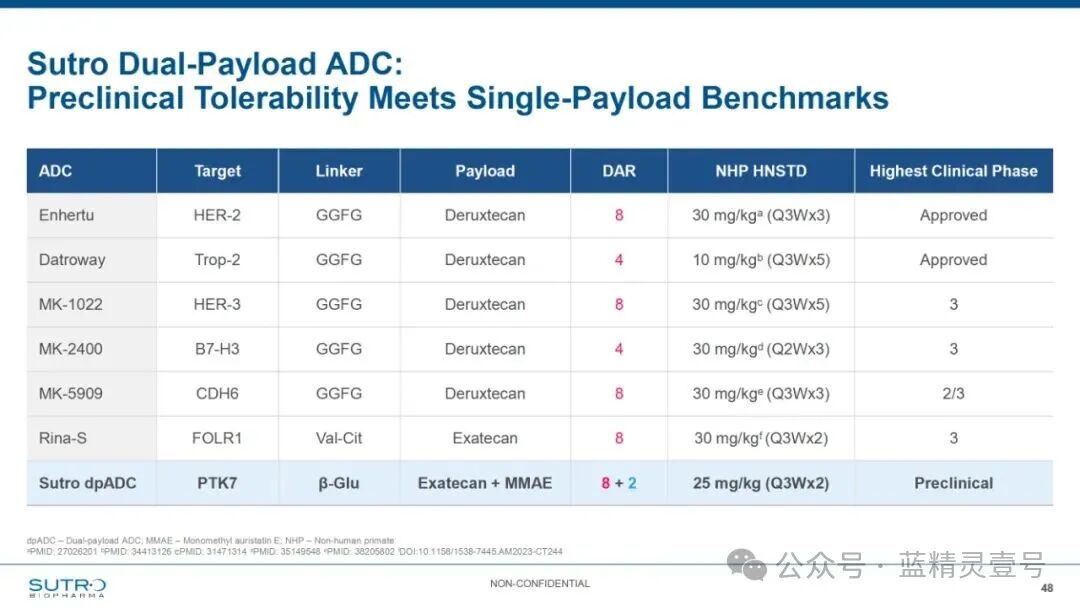
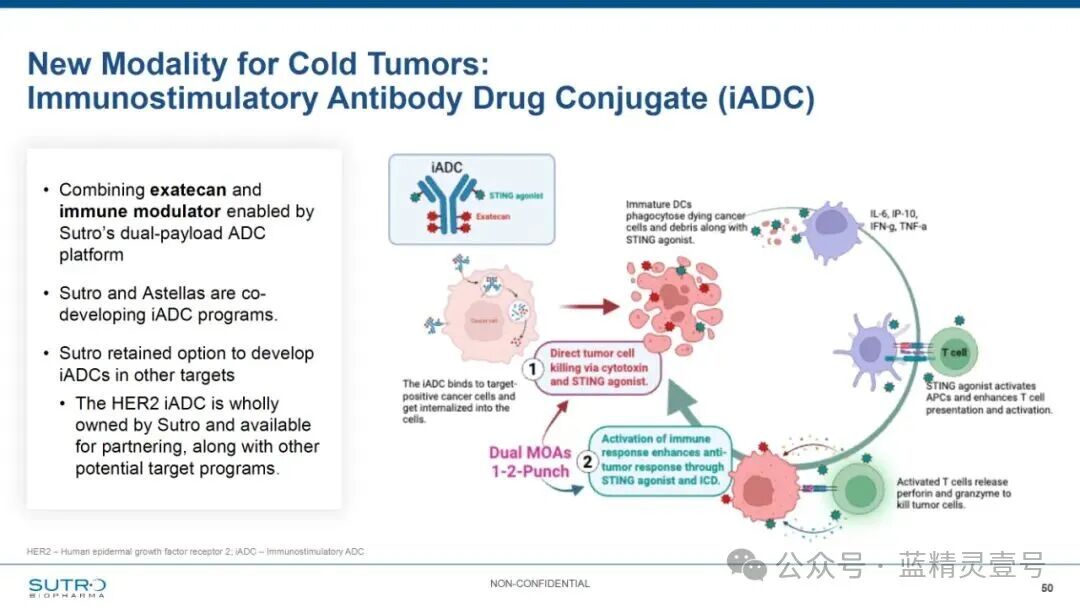
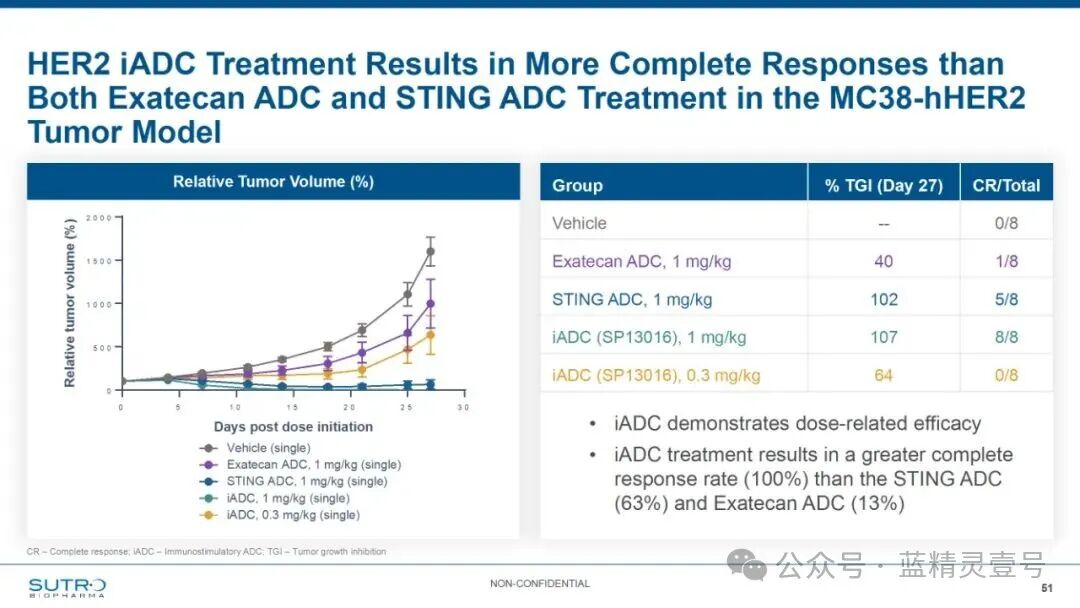
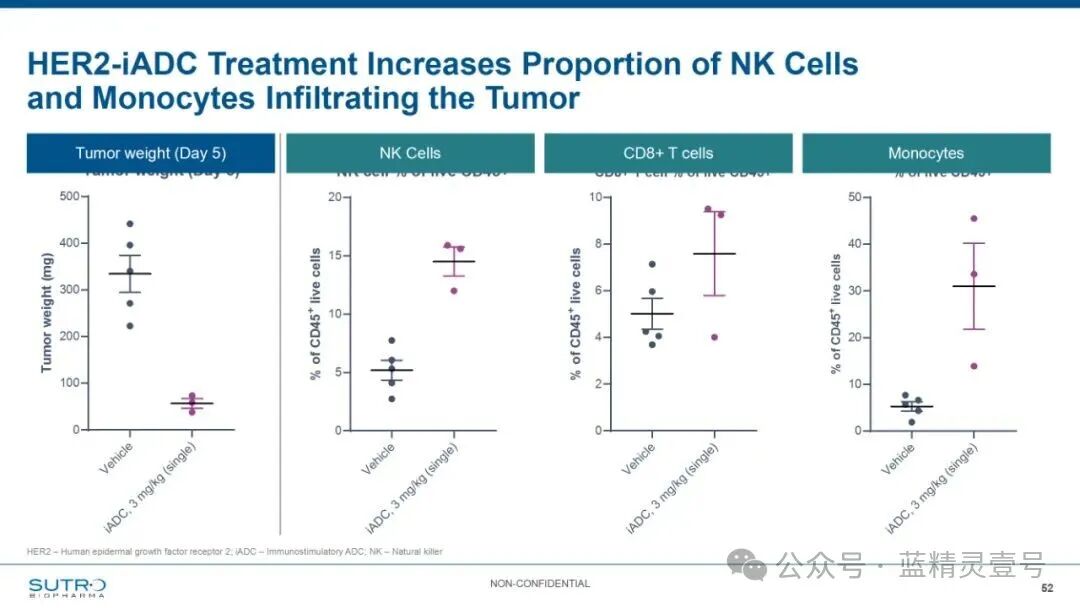
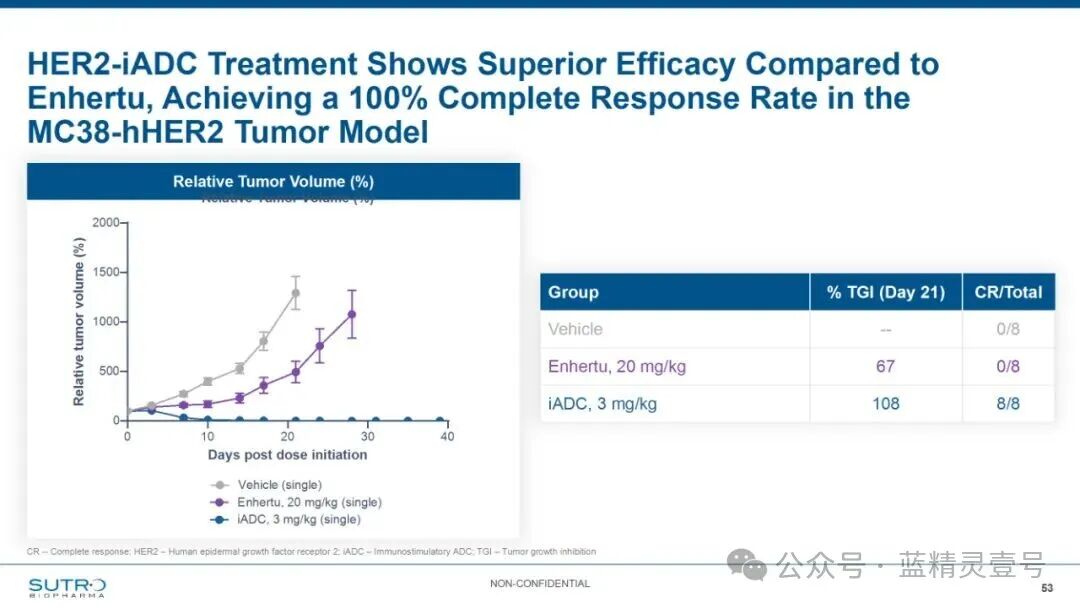
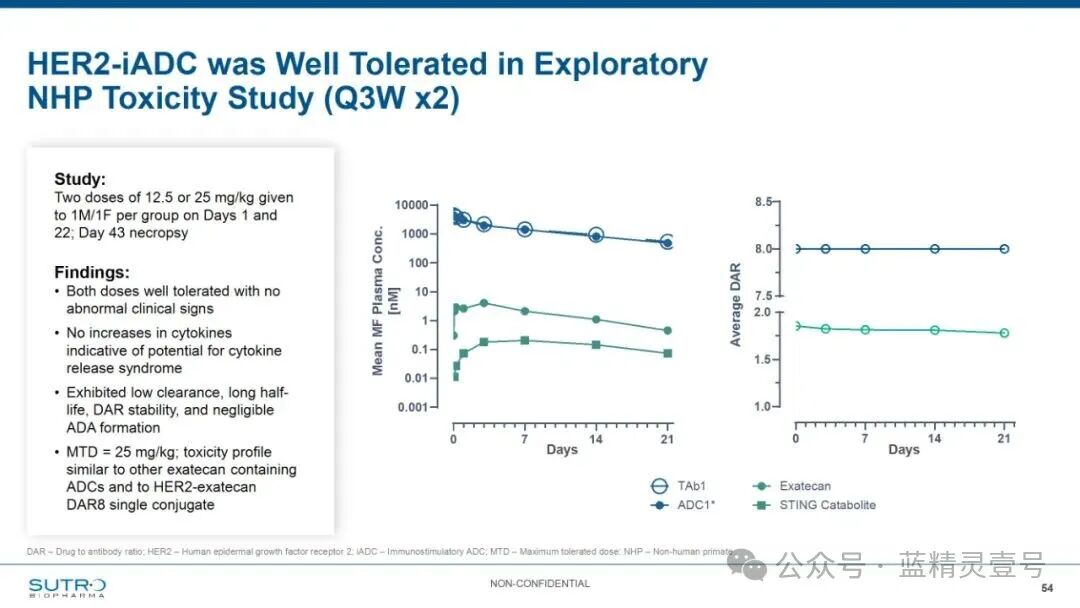
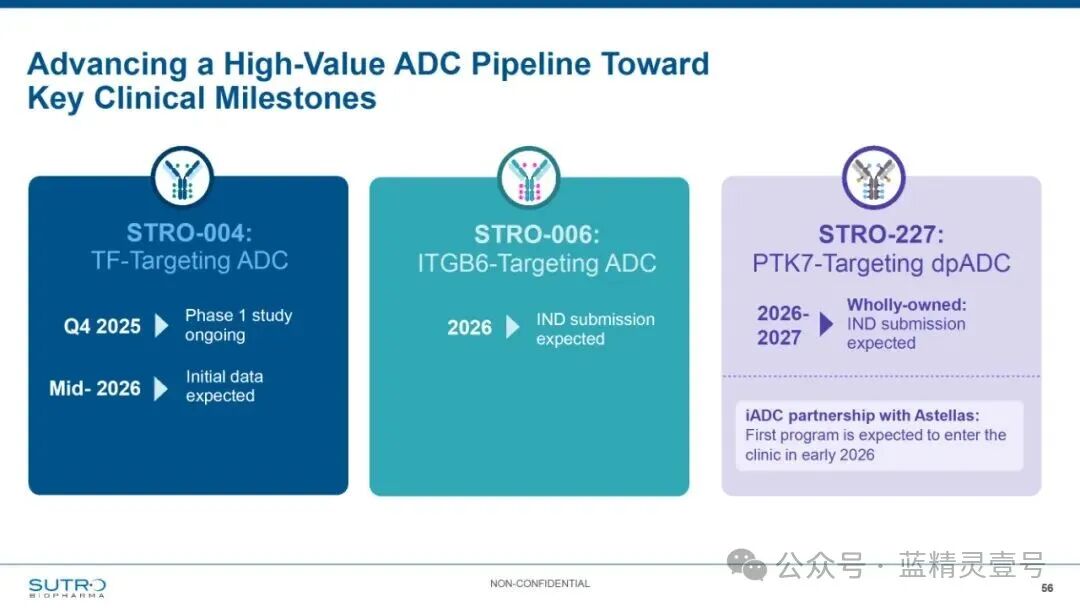
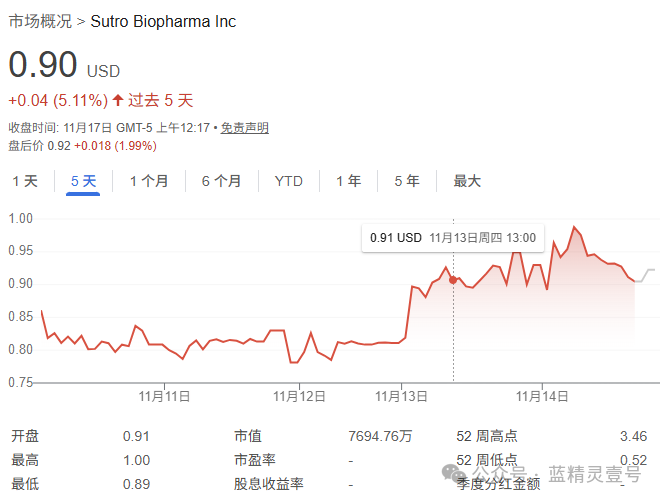
On November 12, Sutro held its R&D Day event. With the complete termination of the original pillar product FRα, Sutro’s situation is not optimistic. The focus of this R&D Day event remains on ADCs.Related Reading: Sutro 25H1: ROR1 is returned, continuing to push the dual payload platformSutro pointed out that its platform expands the therapeutic window and achieves better efficacy and lower toxicity by optimizing every component of the ADC (antibody, linker, payload). The three strategic pillars are BIC single payload ADC, FIC dual payload ADC, and immune-stimulating ADC (iADC). Key products include STRO-004 (targeting tissue factor TF), STRO-006 (targeting integrin β6 ITGB6), STRO-227 (targeting PTK7 dpADC, carrying Exatecan and MMAE payloads), and HER2 iADC (in collaboration with Astellas, combining Exatecan with STING agonists).Details of each project are actually lacking, but it is noteworthy that Dr. Anthony W. Tolcher (from NEXT Oncology) gave a brief report on ADC drug development concepts during the meeting (P22-28).Dr. Tolcher pointed out that true breakthroughs in cancer treatment have almost always come from clever combinations of different drugs, such as classic regimens from the chemotherapy era that used drugs with non-overlapping mechanisms and toxicities. He mapped this logic to the ADC field, predicting that the key to the next generation of ADCs lies in integrating two or more payloads with complementary mechanisms into a single molecule to overcome resistance and achieve synergistic effects. He emphasized that this combination is by no means a simple 1:1 mix; finding the optimal payload ratio is crucial and requires extremely fine-tuning technology.Although the original intention of ADC design is to deliver drugs as precisely as “biological missiles” to improve the therapeutic index, safety issues are the main reason most ADCs fail in clinical trials. The root of the problem often lies in outdated linker technology that is not stable enough, leading to high-toxicity payloads being released prematurely into the bloodstream before reaching the tumor, attacking healthy cells and causing severe hematological, gastrointestinal, or neurotoxicity, thus severely limiting the drug’s available dosage and therapeutic potential.To construct a safer and more effective next-generation ADC, Dr. Tolcher systematically outlined a design blueprint. First, the strategy for target selection focuses on clinically validated targets but seeks differentiated advantages by using new types of payloads or payload combinations. Second, the antibody itself must be tailored for the ADC, rather than directly using “naked antibodies” designed for other purposes; the key design is to adopt “Fc silencing” to reduce immune-related risks such as interstitial lung disease and to have “tunable” sites that can precisely connect payloads. Furthermore, linker technology must be upgraded, replacing outdated technologies with more modern and stable linkers to minimize off-target toxicity. Finally, historical lessons must be respected: single drugs will always lead to resistance, so payload combinations are an inevitable direction, and the feasibility of the final combination is determined by its overall safety.Based on these principles, he ultimately proposed a concise and comprehensive five-dimensional evaluation framework to measure the potential of an ADC technology: first, whether the target antigen is validated; second, whether the antibody construction is Fc-silenced and tunable; third, whether the linker is stable and modern; fourth, whether the payload type is advanced and innovative; fifth, whether its pharmacokinetic properties can achieve efficient delivery.