This article mainly introduces Android LCD eye-protection smartphones, including those that support six concurrent applications.
The main advantage of LCD screens is that they do not flicker, which is beneficial for eye protection! Staring at a screen for long periods has minimal harm to the eyes.
Currently, mainstream flagship devices are using OLED screens, which can cause dryness, swelling, and vision decline for sensitive individuals after prolonged use, although some people are unaffected.
Here are some recommended LCD (Android) eye-protection smartphones available on the market.
LCD phones are becoming increasingly rare; as it stands, no manufacturers are releasing flagship models, and even slightly more powerful processors are no longer being introduced.
So, what products are still worth purchasing on the market?
Due to the mixed quality of second-hand devices, all recommendations here are for recently launched new models that are available for purchase.
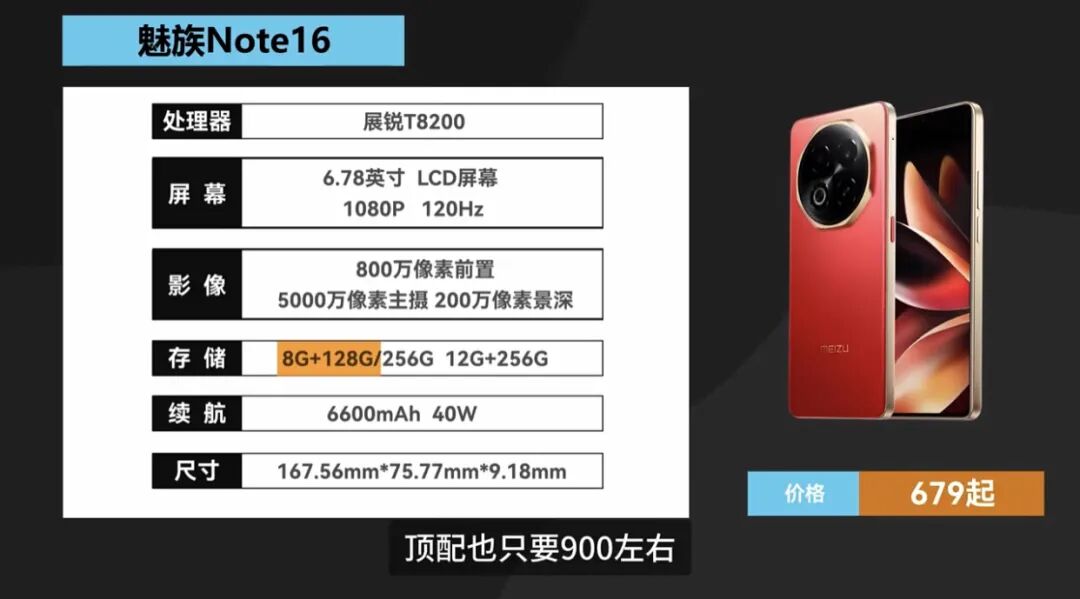
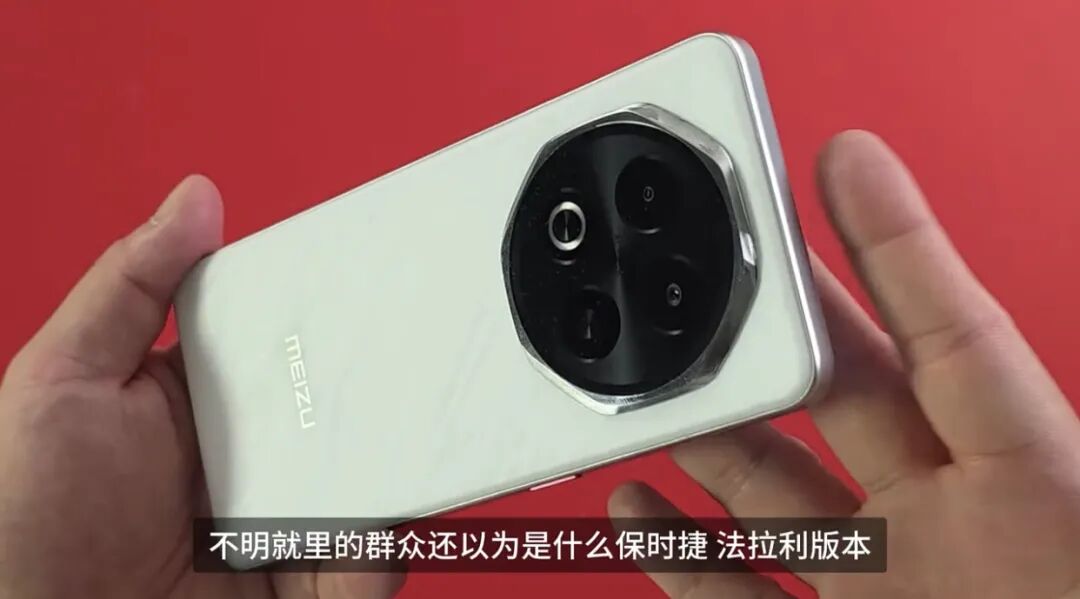
1. Meizu Note 16
See the detailed parameters in the image; the price is also reasonable.
It has a large battery of 6600 mAh and supports 40W charging.
Release date: May 13, 2025
2. Vivo Y300t
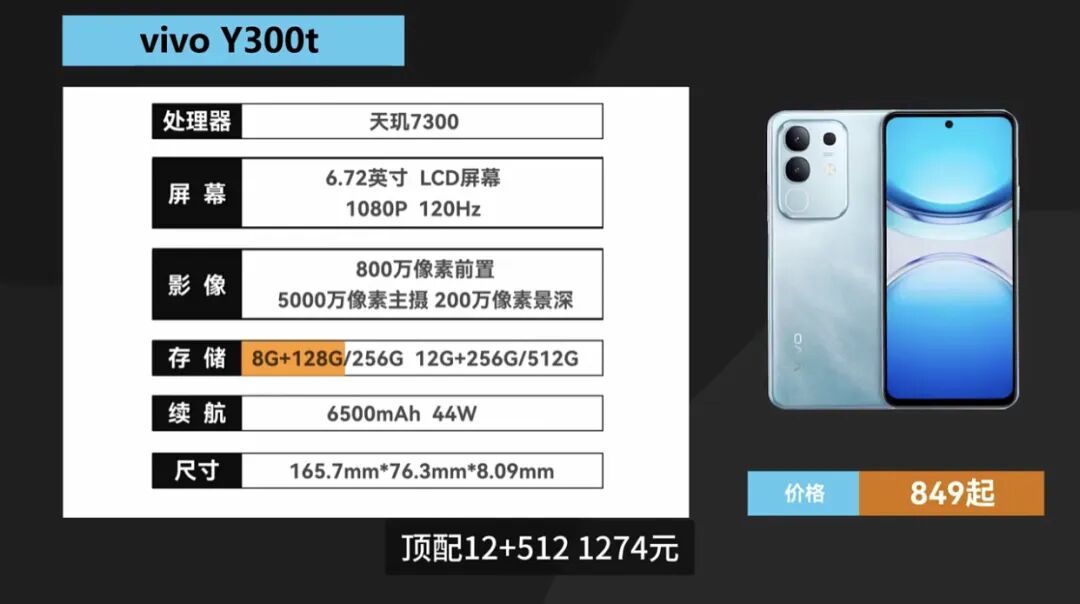
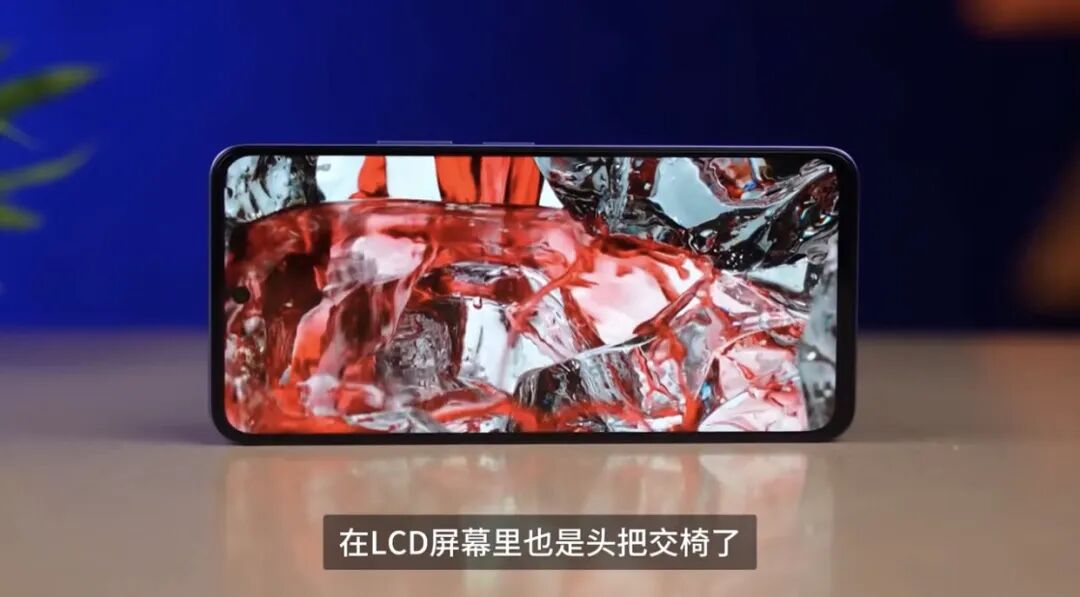
6.72-inch LCD screen with 120Hz refresh rate.
Battery capacity is 6500 mAh with 44W charging.
Release date: December 16, 2024
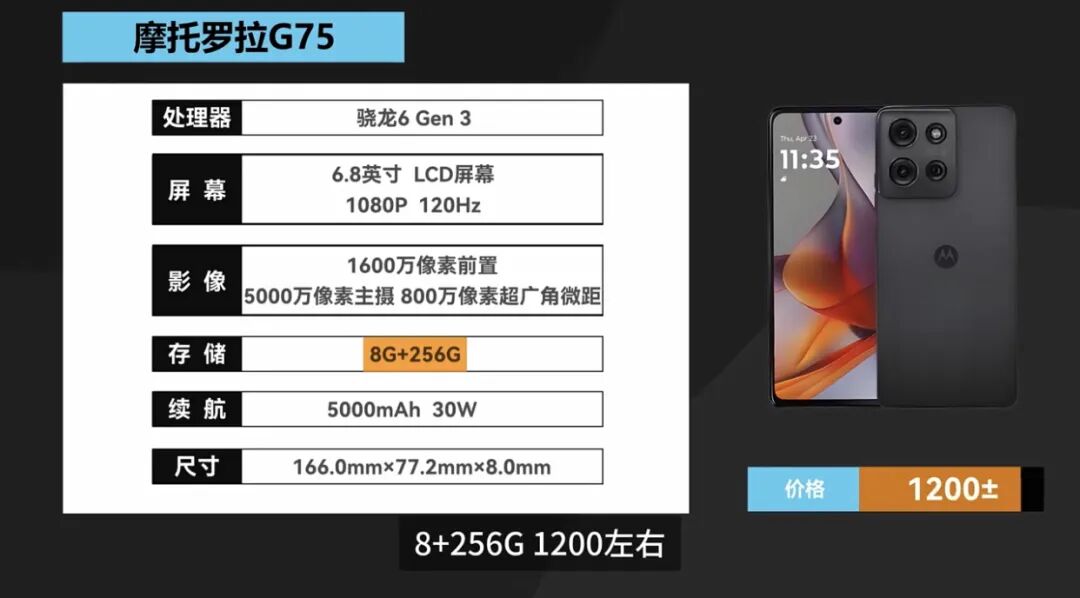
3. Motorola G75
This brand was once a prominent international name, similar to Nokia, but has fallen on hard times and was acquired by Lenovo!
It features a 6.8-inch LCD screen with a 120Hz high refresh rate, a 5000 mAh battery, and 30W charging.
Release date: October 2024
Now, here comes the highlight!
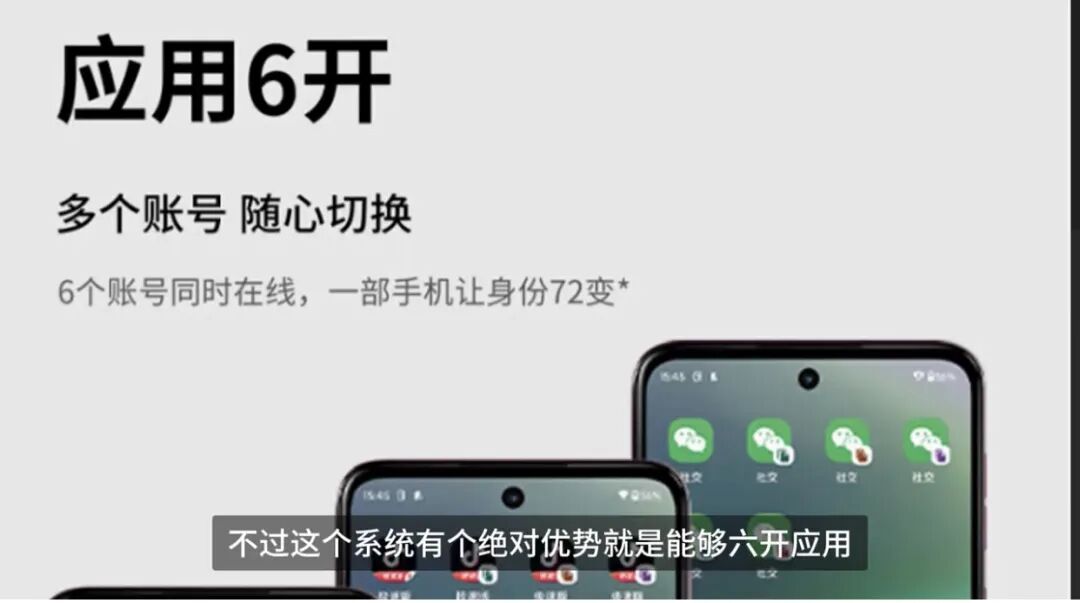
Supports six concurrent applications, allowing six accounts to be online simultaneously!
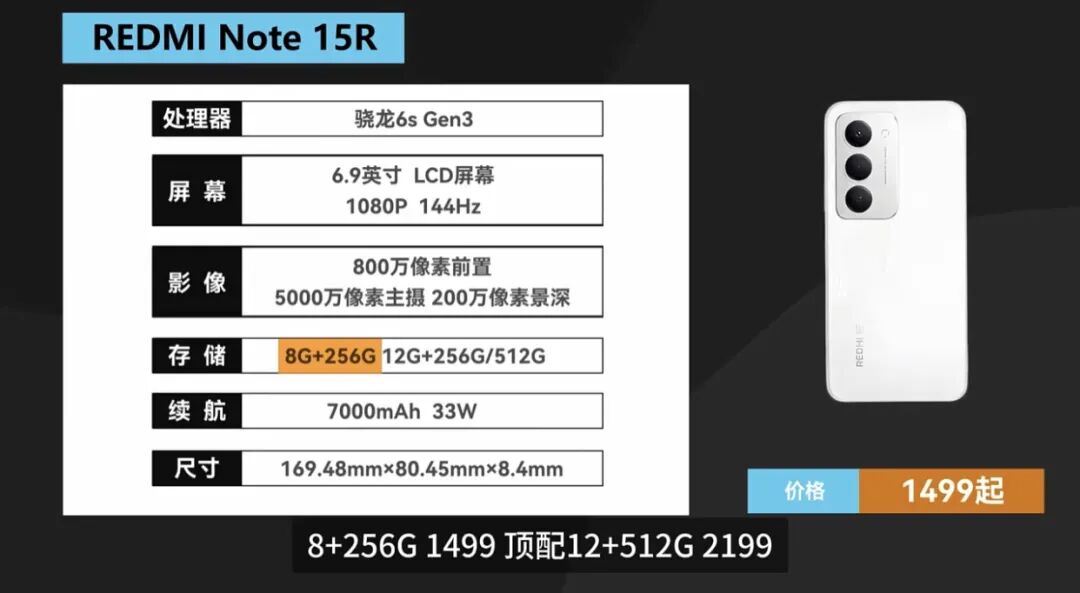
4. Redmi Note 15 R
6.9-inch LCD screen with a 144Hz high refresh rate.
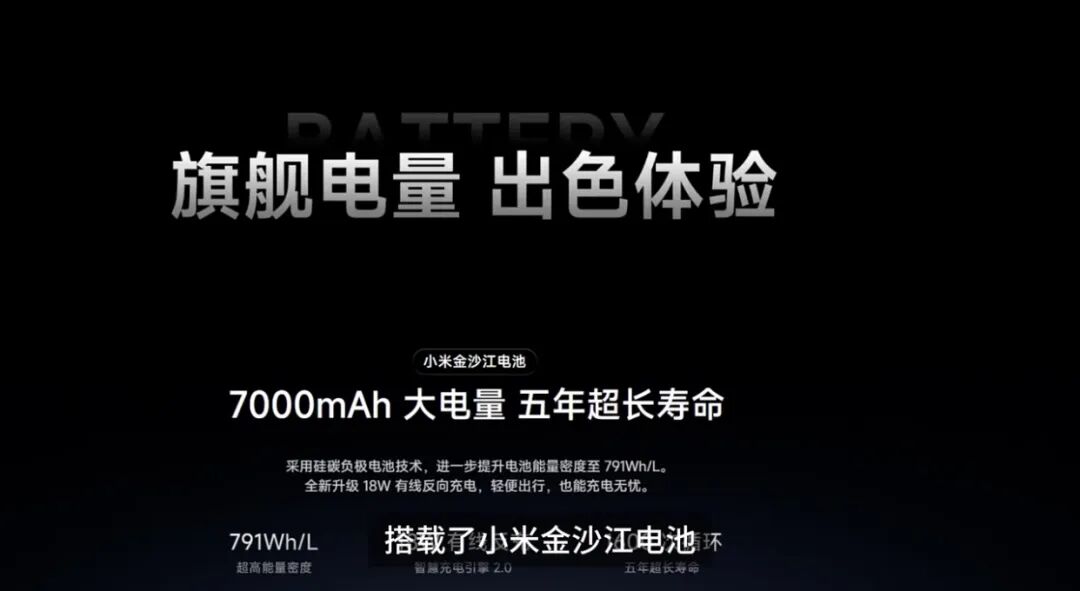
7000 mAh battery with 33W charging, good aesthetics, and an affordable price.
Release date: August 22, 2025
Today, LCD screen smartphones have entered the “twilight era”; manufacturers’ attention to them continues to decline, a trend that is quite understandable. On one hand, there is a lack of mature supply of high-quality LCD screens in the current market. If manufacturers choose to customize, they must bear high costs, making cost-effectiveness questionable. On the other hand, those loyal users who shout “LCD will never be a slave” online mostly only support it verbally, with very few actually converting that support into purchasing behavior.
Considering the realities of cost, market demand, and other factors, manufacturers’ choices are understandable. For users still using LCD phones, it may be a matter of cherishing this “niche preference” as they continue to use them.