In modern electronic manufacturing, SMT (Surface Mount Technology), SPI (Solder Paste Inspection), AOI (Automated Optical Inspection), and X-Ray inspection equipment have become key tools for ensuring product quality. The management level of these precision devices directly determines the stability and reliability of product quality. How can we effectively manage these inspection devices to ensure they are always in optimal working condition? This article will reveal the answers.
1. The Importance of Precision Inspection Equipment
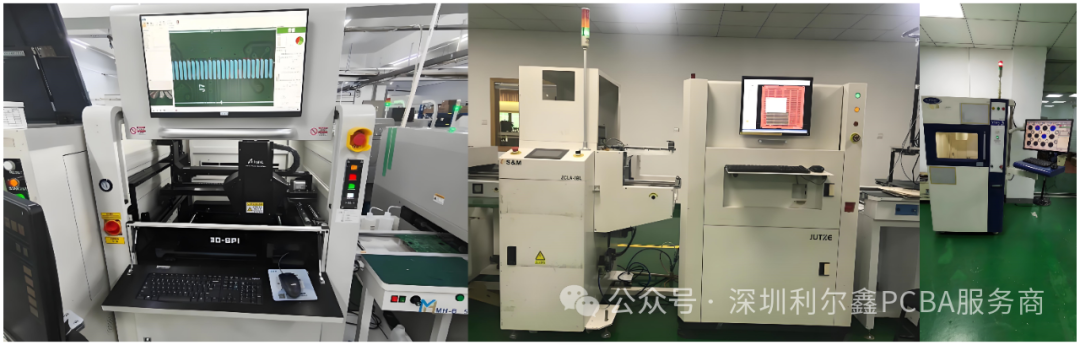
SPI equipment can detect solder paste printing quality before component placement, preventing defects from the source; AOI equipment can conduct comprehensive inspections of PCBs after component placement, promptly identifying defects such as misplacements, missing components, and shifts; X-Ray equipment can visualize hidden solder joints in BGA and CSP packages, uncovering soldering issues that are not visible to the naked eye. Together, these devices form the quality defense line in electronic manufacturing.
2. Core Elements of Inspection Equipment Management
1. Daily Maintenance and Calibration
· Establish a clear daily maintenance plan
· Regularly calibrate equipment to ensure inspection accuracy
· Clean optical components and drive parts
2. Data Management System
· Establish a traceability system for inspection data
· Monitor equipment operating status in real-time
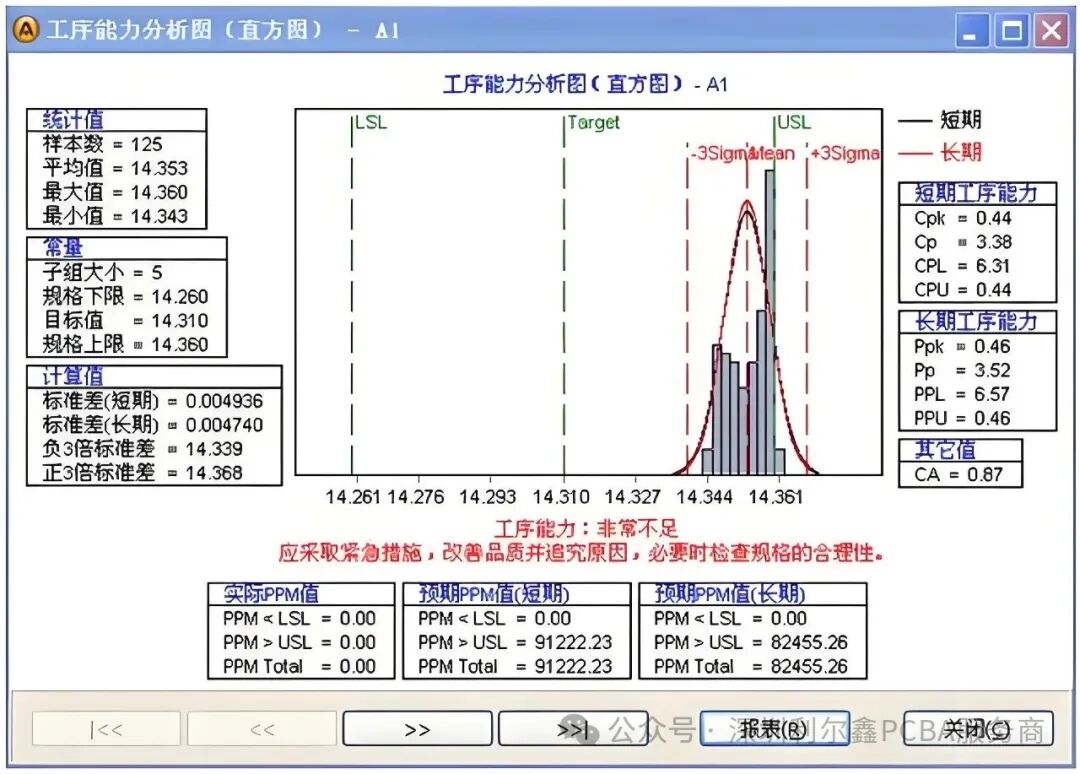
· Use SPC statistical analysis tools to promptly identify abnormal trends
3. Personnel Training and Certification
· Professional skills training for operators
· Specialized training for equipment maintenance personnel
· Establish a certification system for job positions
3. Common Issues and Solutions
Issue 1: Drift in inspection accuracy
Solution: Establish a regular calibration system and use standard verification boards to validate equipment accuracy
Issue 2: High false positive rate
Solution: Optimize inspection parameters and regularly update inspection algorithms
Issue 3: Low equipment utilization
Solution: Reasonably arrange inspection stations and optimize production processes
4. New Trends in Intelligent Management
With the development of Industry 4.0, the management of inspection equipment is also moving towards intelligence:
· Predictive maintenance based on big data
· Cloud-based remote monitoring and diagnostics
· AI algorithms autonomously optimizing inspection parameters
5. Conclusion
Precision inspection equipment is the “guardian” of product quality. Only through scientific management methods and continuous optimization can its effectiveness be fully realized. Establishing a comprehensive equipment management system can not only improve product quality but also reduce production costs and enhance the market competitiveness of enterprises.