
1.PCBA
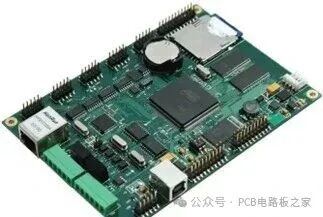
PCBA stands for “Printed Circuit Board Assembly” and refers to the process of PCB boards undergoing a series of processing steps including SMT surface mount, DIP through-hole insertion, functional testing, and final assembly.
2.PCB Board
PCB stands for “Printed Circuit Board” and typically refers to a circuit board, which can be classified into single-sided, double-sided, and multi-layer boards. Common materials include: FR-4, resin, fiberglass cloth, and aluminum substrates.
3.Gerber Files
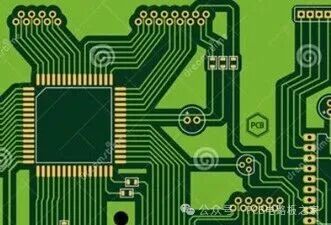
Gerber files primarily describe the images of the circuit board (copper layers, solder mask layers, silkscreen layers, etc.) and are a collection of document formats for drilling and milling data. When quoting for PCBA, it is necessary to provide the Gerber files to the PCBA processing factory.
4.BOM List
BOM list refers to the bill of materials, which includes all materials used in the PCBA processing, their quantities, and the process flow. It is an important basis for material procurement, and when quoting for PCBA, it is necessary to calculate the unit cost of materials.
5.SMT
SMT stands for “Surface Mounted Technology” and refers to the process of applying solder paste, placing surface mount components, and reflow soldering on the PCB board.

6.Solder Paste Printing
Solder paste printing is the process of placing solder paste on a stencil and using a squeegee to spread the solder paste through the holes in the stencil, accurately printing it onto the PCB pads.
7.SPI
SPI refers to Solder Paste Inspection, which is performed after solder paste printing to check the quality of the solder paste application, ensuring the effectiveness of the solder paste printing process.
8.Reflow Soldering
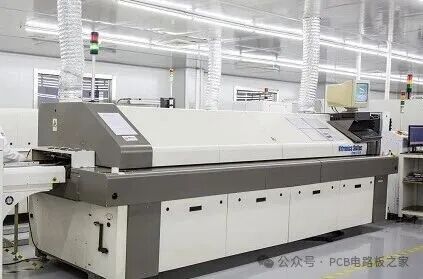
Reflow soldering involves sending the assembled PCB board into a reflow oven, where the heat causes the solder paste to melt into a liquid, which then cools and solidifies to complete the soldering process.
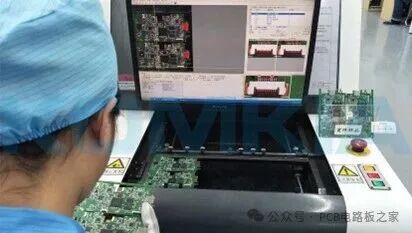
9.AOI
AOI stands for Automatic Optical Inspection, which scans and compares to detect the soldering quality of the PCB board, identifying defects.
10.Rework
Rework refers to the action of repairing defective boards identified by AOI or manual inspection.
11.DIP
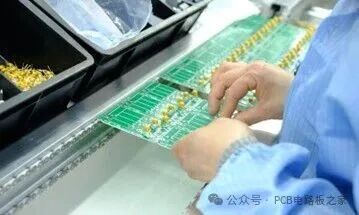
DIP stands for “Dual In-line Package” and refers to the process of inserting components with pins into the PCB board, followed by wave soldering, trimming leads, secondary soldering, and board cleaning processes.
12.Wave Soldering
Wave soldering involves sending the PCB board with inserted electronic components into a wave soldering furnace, where it undergoes processes such as flux spraying, preheating, wave soldering, and cooling to complete the soldering of electronic components on the PCB board.
13.Trimming Leads
Trimming leads refers to cutting the leads of components on the soldered PCB board to achieve the appropriate size.
14.Secondary Soldering
Secondary soldering involves re-soldering areas of the PCB board that were found to be incomplete during inspection.
15.Board Cleaning
Board cleaning is the process of removing harmful substances such as flux residues from the finished PCBA to meet the required cleanliness standards.
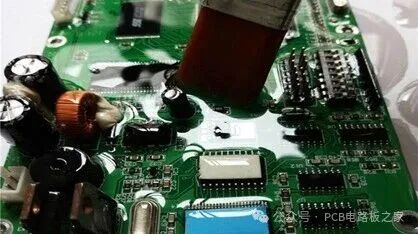
16.Conformal Coating
Conformal coating involves applying a special coating to the PCBA to provide insulation, moisture resistance, anti-leakage, shock resistance, dust resistance, corrosion resistance, aging resistance, mold resistance, and to prevent component loosening and corona discharge. This can extend the storage time of PCBA and isolate it from external corrosion and contamination.
17.Pads
Pads are widened areas on the surface of the PCB without insulation coating, used for soldering components.
18.Packaging
Packaging refers to the method of enclosing components, which can be primarily classified into DIP dual in-line and SMD surface mount packaging.
19.Pin Pitch
Pin pitch refers to the distance between the centerlines of adjacent pins of mounted components.
20.QFP
QFP stands for “Quad Flat Pack” and refers to a surface mount integrated circuit package with short leads on all four sides.
21.BGA
BGA stands for “Ball Grid Array” and refers to an integrated circuit package with leads arranged in a ball grid pattern on the bottom of the package.
22.QA
QA stands for “Quality Assurance” and refers to quality assurance in the context of PCBA processing, representing quality inspection.
23.Cold Solder
Cold solder refers to a situation where there is no solder between the component leads and pads, or other reasons causing incomplete soldering.
24.Dry Joint
Dry joint refers to a situation where there is insufficient solder between the component leads and pads, below the soldering standard.
25.Cold Solder Joint
Cold solder joint refers to a situation where there are fuzzy particles attached to the pads after solder paste curing, failing to meet soldering standards.
26.Wrong Component
Wrong component refers to a situation where the component position is incorrect due to errors in the BOM, ECN or other reasons.
27.Missing Component
Missing component refers to a situation where a component that should be soldered is absent.
28.Solder Balls
After soldering, excess solder balls may be present on the surface of the PCB board.
29.ICT Testing
ICT testing involves using test probes to contact test points to detect open circuits, short circuits, and the soldering status of all components on the PCBA. It is characterized by simple operation, quick speed, and accurate fault location.
30.FCT Testing
FCT testing, also known as functional testing, simulates the operating environment to place the PCBA in various design states, allowing parameters to be obtained to verify the functionality of the PCBA.
31.Aging Test
Aging test simulates various factors that may affect the PCBA under real usage conditions.
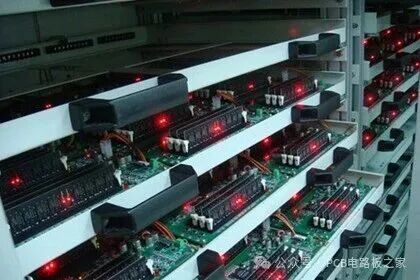
32.Vibration Test
Vibration test simulates the resistance to vibration of components, parts, and complete products during usage, transportation, and installation. It is used to determine whether the product can withstand various environmental vibrations.

Screenshots of Some Electronic Books


Screenshots of Some Course PPTs
【Complete Set of Hardware Learning Materials Collection】