
This content is adapted from the WeChat public account of Intelligent Membranes and Thermal Management.
Paper Information

Original link: https://doi.org/10.1002/adfm.202512177
PDF link: Adv Funct Materials – 2025 – Xie – Cat‐Vibrissa‐Inspired Biomass Fiber Aerogels for Flexible and Highly Sensitive Sensors.pdf
Research Background
With the rapid development of wearable electronic devices in health monitoring, sports analysis, and human-computer interaction, the demand for flexible pressure sensors has significantly increased. Currently, flexible pressure sensors are mainly based on capacitive, piezoresistive, piezoelectric, and triboelectric mechanisms. Among them, piezoresistive sensors have attracted much attention due to their simple structure, convenient signal reading, and strong integration capability. However, traditional piezoresistive sensors have obvious limitations. When prepared using two-dimensional materials, they are prone to interface delamination, poor deformation adaptability, and insufficient response sensitivity during long-term use, leading to decreased durability and stability, making it difficult to meet the demands of complex dynamic monitoring scenarios. Furthermore, existing high-performance aerogel materials (such as carbon aerogels and MXene aerogels) possess advantages such as lightweight and high conductivity, but they rely on energy-intensive and costly processes like chemical vapor deposition and high-temperature carbonization. MXene-based aerogels also face challenges such as long-term instability due to oxidation and environmental issues caused by hydrofluoric acid etching. Although biomass-based aerogels for flexible sensing serve as environmentally friendly alternative materials, their preparation often requires high-temperature carbonization or complex chemical modifications, and traditional conductive treatment methods (such as dip-coating and electroplating) can lead to uneven conductive networks and weak interfacial adhesion, severely limiting their large-scale application.
To address these issues, Associate Professor Zhu Chunhong’s team from Shinshu University drew inspiration from the whiskers of cats in nature. Cat whiskers are robust and highly sensitive tactile detectors, deeply embedded in the follicle-blood sinus complex (FSCs), which has an efficient signal amplification mechanism. Cat whiskers capture and transmit weak mechanical disturbances due to their high axial stiffness. The liquid-filled sinus cavities (including the ring sinus (RS) and sponge sinus (CS)) within the FSCs can significantly amplify weak signals, which are then converted into neural signals by mechanoreceptors. Based on this, the team designed biomimetic FSC structural functional units inspired by the porous sinus structure and developed flexible, highly sensitive sensors based on biomass fiber aerogels (BFAs). These sensors combine environmental friendliness, high sensitivity, and high stability, showing broad application prospects in human health monitoring, multifunctional intelligent interaction, and sports analysis.
Research Content
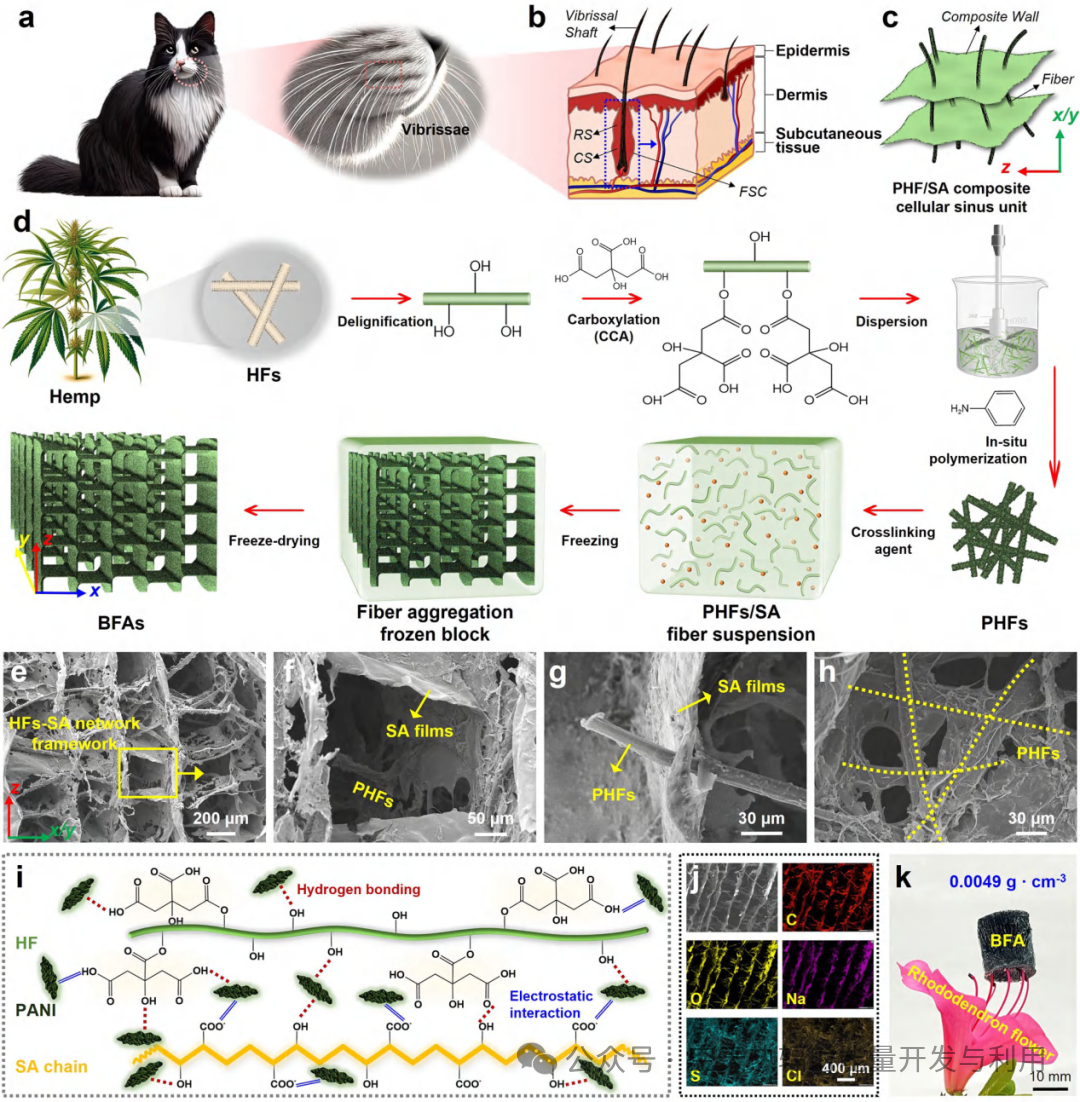
Figure 1 Concept, Design, and Preparation Process of Cat Whisker-Inspired BFAs Pressure Sensors
Figure 1 illustrates the concept, design, and preparation process of cat whisker-inspired BFAs pressure sensors. (Figure 1a) shows the cat whisker perception system, where cat whiskers serve as the core function of tactile detection, providing a biological prototype for biomimetic design. (Figure 1b) details the structure of cat whiskers, showcasing the hierarchical structure of FSCs, with a focus on the positions of the ring sinus (RS) and sponge sinus (CS). Within this structure, the sinus cavities effectively amplify weak mechanical signals and convert them into neural stimuli. (Figure 1c) presents the biomimetic BFAs composite cell sinus unit, corresponding to the FSCs structural design of “PHFs (biomimetic whisker shaft)-SA composite cavity (biomimetic sinus cavity)” as the core unit. (Figure 1d) displays the preparation process of BFAs, using natural hemp fibers (HFs) as the base framework, polyaniline (PANI) as the conductive modifier, and sodium alginate (SA) as the binder and functional matrix, employing a “freeze-assisted assembly” strategy to prepare biomass PHFs/SA aerogels (BFAs). (Figure 1e-j) presents multidimensional characterization results, where low-magnification SEM (Figure 1e-g) shows the interpenetrating network formed by HFs and SA and the sinus-like structure, while high-magnification SEM (Figure 1h) reveals the close bonding between fibers and the SA membrane. (Figure 1j) confirms the uniform distribution of PANI within the aerogel, and (Figure 1k) visually reflects the lightweight characteristics of BFAs.
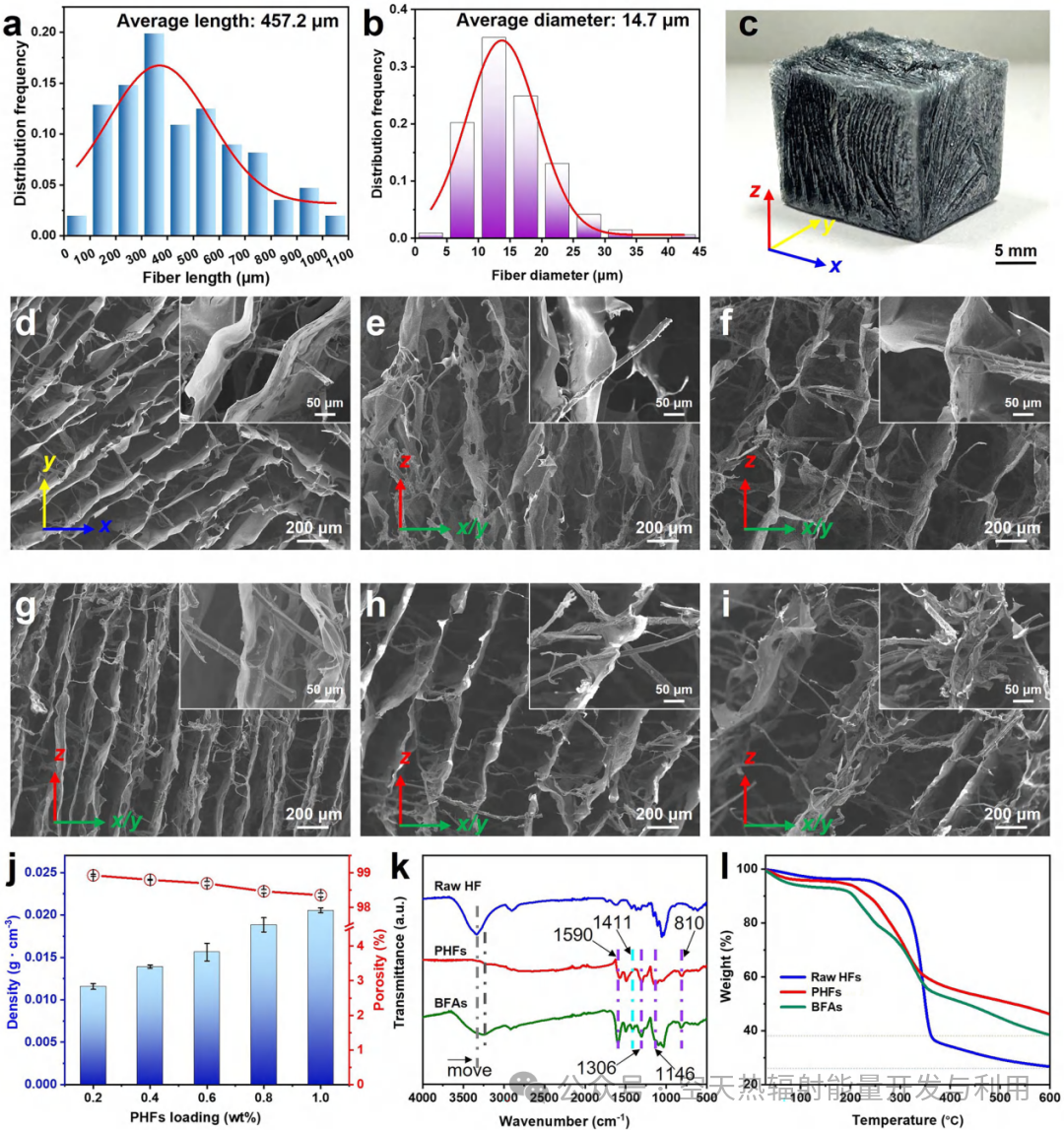
Figure 2 Morphological and Structural Characterization of BFAs
Figure 2 illustrates the morphological and structural characterization of BFAs, validating the rationality of the material structure through multiple experimental data. (Figure 2a-b) shows the length and diameter distribution of the fiber matrix, where a uniform size distribution can prevent fiber agglomeration and ensure the uniformity of the aerogel’s porous structure. (Figure 2c-i) presents photographs and SEM images of BFAs samples, where (Figure 2c) shows a clear Z-direction channel guiding structure macroscopically, and (Figure 2d) displays a vertical Z-direction SEM image that microscopically reveals an ordered 3D pore structure. (Figures 2e-i) present SEM images of different PHFs contents along the Z-direction, revealing the impact of component ratios on the structure—when the PHFs content is 0.6 wt%, a stable interpenetrating network is formed between the fibers and the SA membrane, while too low (0.2-0.4 wt%) leads to disorder, and too high (0.8-1.0 wt%) causes fiber agglomeration. (Figure 2j) indicates the effect of PHFs loading on density and porosity, where increasing PHFs content leads to an increase in the aerogel’s bulk density and a decrease in porosity, further confirming the necessity of component optimization. (Figures 2k-l) present FTIR spectra and TG curves, further confirming the chemical structural characteristics and thermal stability of BFAs, highlighting their potential in practical applications.
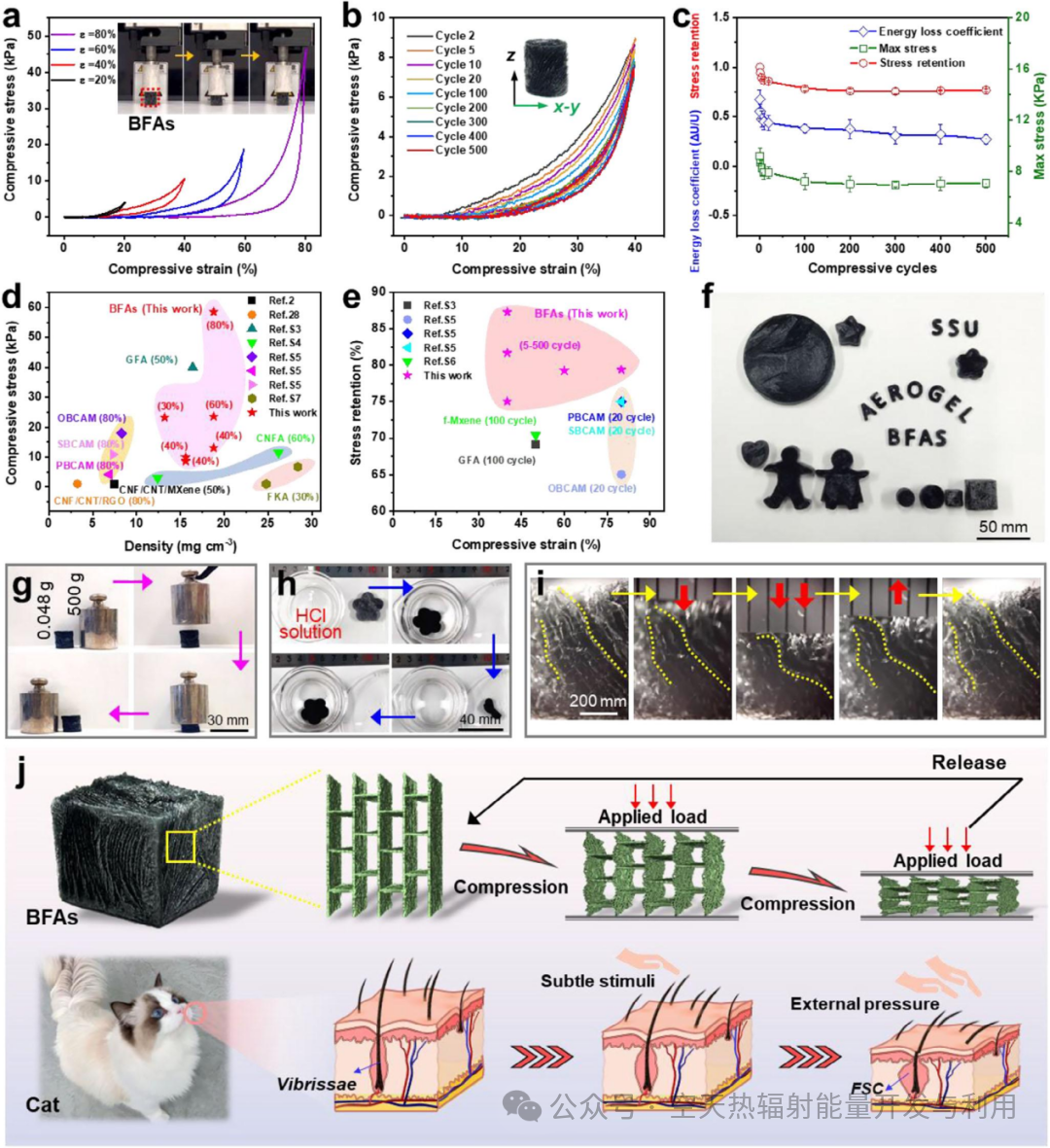
Figure 3 Compression Mechanical Properties of Prepared BFAs and Their Sensing Mechanism
Figure 3 systematically evaluates the compression mechanical properties of BFAs and their sensing mechanism, which is the core support for the material’s practicality. (Figure 3a) shows the compression stress-strain curve of BFAs during the fifth compression cycle without strain, where BFAs exhibit excellent compressibility within the 20%-80% strain range. (Figures 3b-c) display the compression stress-strain curves after 500 cycles of compression testing, along with the corresponding trends in mechanical performance. The material’s stress-strain hysteresis loops nearly overlap, reflecting its excellent fatigue resistance and stability. (Figures 3d-e) show the comparison of compression strength and stress retention rates of BFAs with other aerogel materials, demonstrating the significant advantages of BFAs in compression strength. (Figures 3f-h) illustrate customized shape and environmental adaptability tests, validating the material’s flexibility and stability, proving that BFAs can achieve ultra-high compressibility, with compression amounts reaching several times their own weight. (Figures 3i-j) visually present the deformation observation and sensing mechanism schematic of BFAs, where the vertical wall of the pores bends during compression and recovers after release. During this process, PHFs (biomimetic whisker shafts) bending promotes contact between conductive particles, while the SA composite cavity (biomimetic sinus cavity) amplifies mechanical signals, ultimately converting them into resistance changes, perfectly replicating the high-precision sensing mechanism of cat whiskers.
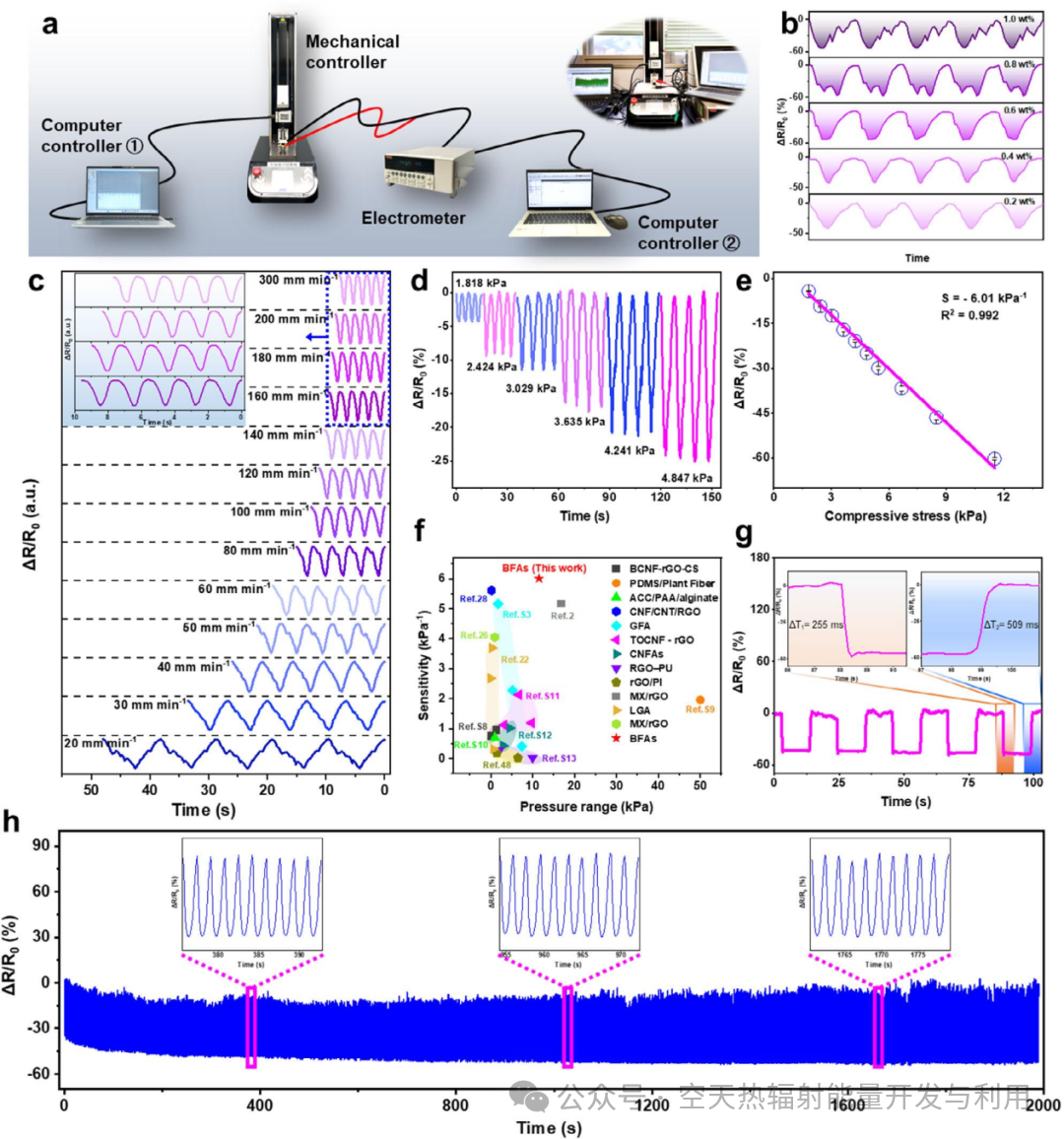
Figure 4 Pressure Sensing Performance of BFAs Pressure Sensors
Figure 4 quantifies the core performance of BFAs pressure sensors, validating their sensing advantages through multiple experimental tests. (Figure 4a) presents a schematic diagram of the testing device. (Figure 4b) evaluates the impact of PHFs loading on piezoresistive characteristics, with results showing that at 0.6 wt% PHFs, the sensor exhibits optimal structural characteristics, mechanical properties, and pressure sensing capabilities. (Figure 4c) tests the pressure sensing performance of BFAs sensors, demonstrating their excellent dynamic response characteristics. (Figures 4d-e) display the response and sensitivity curves of BFAs sensors under different pressures, showcasing their high sensitivity. (Figure 4f) indicates that the sensitivity of BFAs sensors is at a relatively high level among similar materials. (Figure 4g) shows that the response time of BFAs is only 255 ms, allowing for rapid capture of dynamic signals. (Figure 4h) further conducts long-term durability tests on BFAs sensors, where after more than 1200 cycles of compression, their conductive network remains stable, further validating the long-term reliability of BFAs sensors. Additionally, the research team also tested the sensors under different humidity environments, proving their excellent environmental adaptability, highlighting their potential for application under complex conditions.
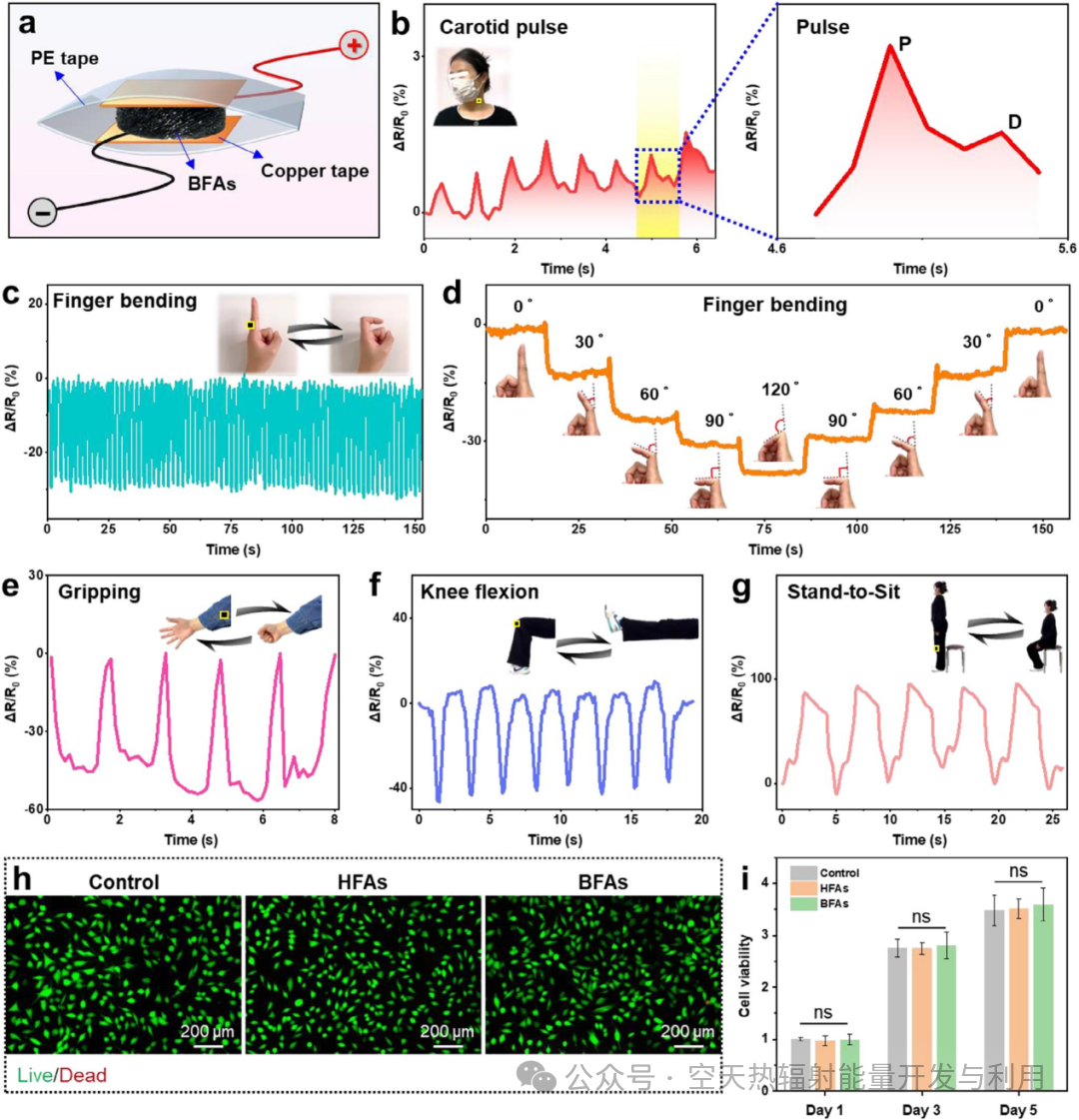
Figure 5 BFAs Pressure Sensors for Accurate Detection of Human Activities and Gesture Recognition
Figure 5 demonstrates the application potential of BFAs pressure sensors in biometric recognition, exploring both practical monitoring and biosafety aspects. On one hand, (Figure 5a-g) validates the practicality of the sensor through human activity monitoring experiments. (Figure 5a) shows the schematic diagram of sensor assembly, which can be conveniently attached to the human body. (Figure 5b) monitors the carotid pulse, while (Figures 5c-d) real-time monitor finger bending actions, accurately identifying joint movements and providing stable output signals, reflecting the high sensitivity of the sensor. Additionally, (Figure 5e) shows grip strength, (Figure 5f) knee flexion and extension, and (Figure 5g) monitoring results of standing-sitting actions, indicating that the sensor can capture mechanical signals from different body parts in real-time, suitable for rehabilitation training and health assessment scenarios. On the other hand, (Figures 5h-i) biosafety tests ensure the safety of the material, confirming that the material is non-cytotoxic and suitable for skin contact applications, highlighting its potential in wearable biosensors and other skin interface applications.
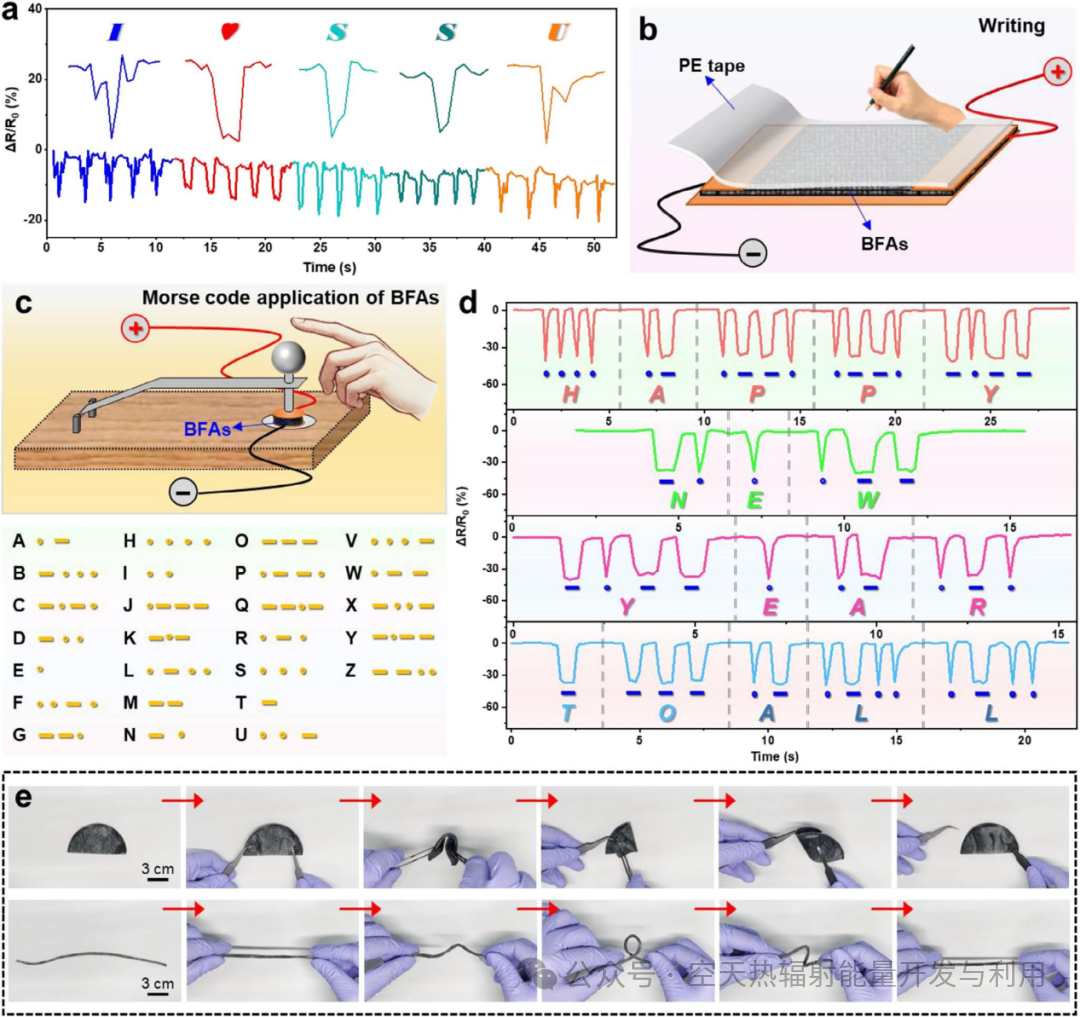
Figure 6 BFAs Pressure Sensors in Multifunctional Gesture Recognition and Information Encoding
Figure 6 expands the intelligent interaction scenarios of the sensor, reflecting its multidimensional application value. (Figures 6a-b) demonstrate the handwriting recognition function, integrating BFAs into writing devices, converting changes in pen tip pressure into resistance fluctuations, accurately capturing writing dynamics, showcasing the sensor’s fine perception capability and providing hardware support for intelligent handwriting recognition. (Figures 6c-d) validate the sensor’s information encoding capability through Morse code transmission functionality, where the sensor can accurately recognize text or even emergency signals through resistance signals, highlighting its potential for emergency communication. Finally, (Figure 6e) demonstrates the deformation capability of both film-like and fiber-like BFAs through flexibility tests, both of which can achieve significant bending without damage, confirming the material’s flexible characteristics and providing possibilities for diverse form designs of wearable devices. These applications fully demonstrate the adaptability of the prepared BFAs sensors in intelligent human-machine interfaces, highlighting their immense potential in the next generation of wearable electronic devices and advanced communication technologies.
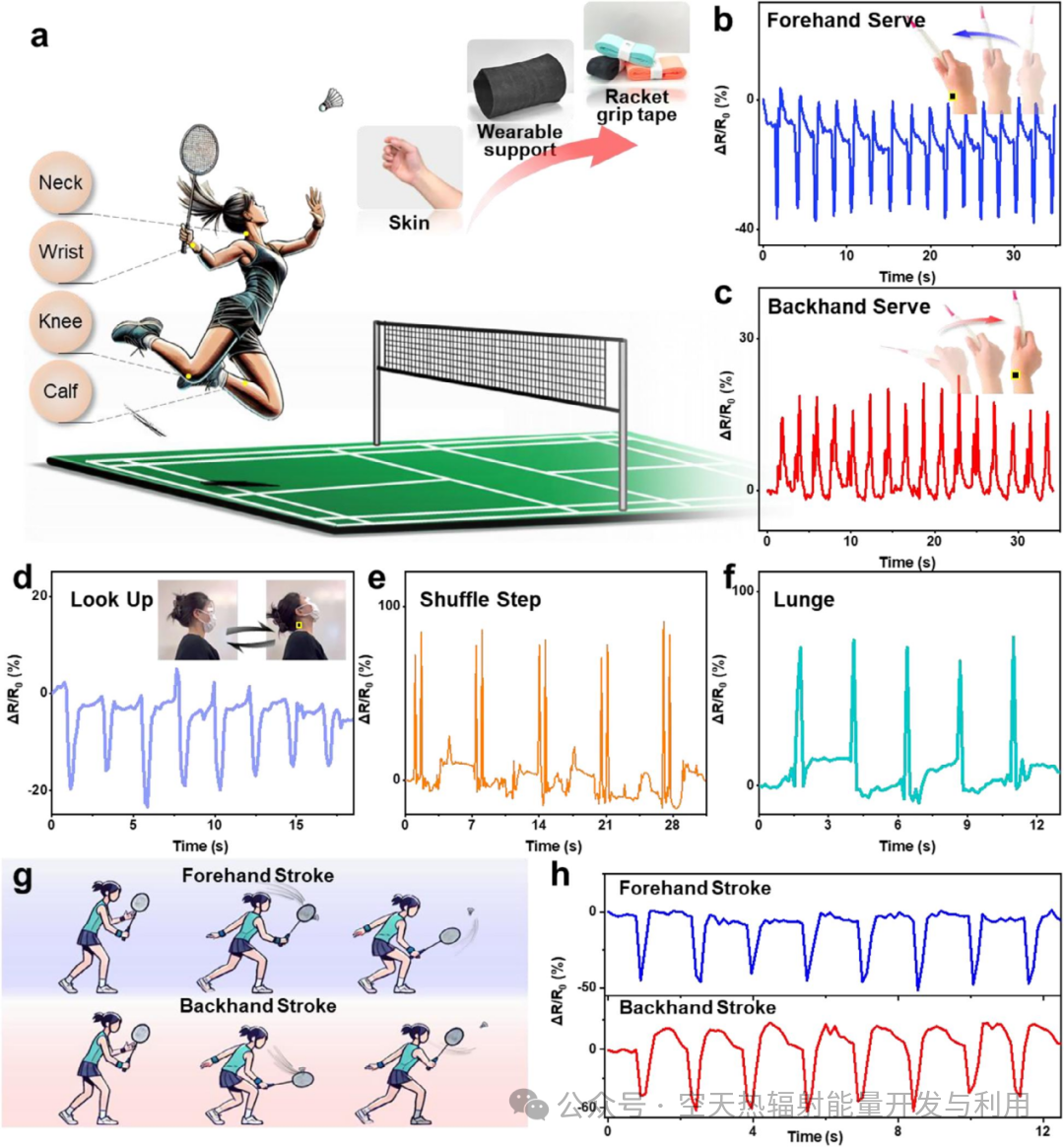
Figure 7 BFAs Sensors in Badminton Training Monitoring
Figure 7 showcases the application of the sensor in badminton training. (Figure 7a) is a schematic diagram of the application scenario, demonstrating that the sensor can be attached to key parts of the human body such as the neck, wrist, knee, and calf, or integrated into sports gear and racket grips, capturing motion signals comprehensively. (Figures 7b-c) display the changes in resistance signals generated by the same body part under different serving actions, which can be used to distinguish serving actions. (Figures 7d-f) show the resistance signal changes of head movements and foot actions during different receiving actions, which can assist in optimizing athletes’ movement rhythm and improving step stability. (Figures 7g-h) illustrate the resistance signal changes on the racket grip during forehand and backhand strokes. The application of BFAs sensors in badminton training highlights their wide applicability in dynamic sports scenarios.
Research Summary
This research addresses the performance bottlenecks and environmental demands of flexible pressure sensors, using the cat whisker follicle-sinus complex (FSCs) as a biomimetic prototype. Through “in-situ polymerization + freeze-assisted assembly” technology, biomass PHFs/SA aerogels (BFAs) were successfully prepared. The core innovation of the research lies in transforming the “rigid whisker shaft – porous sinus cavity” structure of FSCs into material design, simulating the signal transmission function of whisker shafts with polyaniline-coated hemp fibers (PHFs) and the signal amplification function of sinus cavities with the porous cavities formed by sodium alginate (SA) and fibers. Ultimately, BFAs possess advantages such as lightweight (0.0049 g/cm³), high sensitivity (6.01 kPa-1), excellent durability (1200 cycles stability), and biocompatibility, and have been validated for practical application value in health monitoring (pulse, joint movement), intelligent interaction (handwriting recognition, Morse code), and sports analysis (badminton training), providing important references for the “greening, high-performance, and multifunctionalization” of the next generation of flexible electronic sensors.
You’ve read this far, why not follow us? ^_^
Disclaimer: Some materials in this article are sourced from the internet, and the copyright belongs to the original authors. The sharing aims to promote information dissemination and academic exchange, and does not represent the position of this public account. If there are any issues, please contact us for resolution. Scholars engaged in related fields such as [solar energy comprehensive utilization/radiative cooling/micro-nano scale heat transfer] are welcome to share your latest research work, and we will sincerely promote it for free. Submission email: [email protected].