Introduction
Industry Development, Supported by Standards
Technological Innovation, Progressing Steadily
BIAS Standards in Progress…..
On September 17, the launch meeting and first working conference for two standards co-edited by the Shenzhen Construction Industrialization Association were successfully held: the Shenzhen “Technical Regulations for Low-Rise 3D Printing Concrete Construction” and the Shenzhen “Technical Standards for the Application of Modified Plastic 3D Printing Prefabricated Components”. This event gathered numerous experts and representatives from relevant departments, chief editing units, participating units, and the standards committee to discuss the development and standardization path of 3D printing construction technology.
Representatives from the relevant departments included Deng Wenmin, Deputy Director (acting) of the Survey and Design and Construction Technology Department of the Shenzhen Housing and Construction Bureau, Dr. Cai Yue, from the Shenzhen Engineering Construction Standards Committee, and representatives from the chief editing unit: Liu Meixia, Chief Expert (Chief Researcher) of the Science and Industrialization Development Center of the Ministry of Housing and Urban-Rural Development, and Engineer Dong Jialin. Other notable attendees included Li Lei, Deputy Director of the Shenzhen Construction Technology Promotion Center, Li Yue, Head of the Science and Technology Innovation Department, and staff member Huang Jiajing, as well as Fu Xiang, Deputy Director of the Engineering Management Center of the Shenzhen Construction Works Bureau, Pu Ling, Head of the Technical Department (Information Technology Project Coordination Office), and Project Director Cao Zhenyu. Other participants included Xu Weiguo, Executive Vice Dean of the Future Habitat Institute at Tsinghua University Shenzhen International Graduate School, and Feng Peng, Head of the Civil Engineering Department and Dean of Shuimu College, along with Zhang Daobo, Secretary of the Teaching Committee of Shuimu College, and others.
Representatives from participating units included Long Yufeng, President of the Shenzhen Construction Industrialization Association and Executive Director, Vice President of Shenzhen Huayang International Engineering Design Co., Ltd., and Peng Lingdong, Specialist in the Industry Development Department, as well as Yuan Quan, Director of the Laboratory at Beijing Jiaotong University, Han Song, Deputy Director of the Experimental Center, and Wang Hao, Associate Professor at Shandong Jianzhu University. Other notable attendees included Zhou Yu, Deputy Secretary of the Party Committee and General Manager of Shenzhen Jianan (Group) Co., Ltd., Wu Ya, Chief Engineer, and Liu Hongke, General Manager of the Sixth Department of Architectural Business at Hong Kong Huayi Design Consultants (Shenzhen) Co., Ltd., along with Gao Yuan, Head of the Design Department at Shenzhen Zhujian Intelligent Construction Technology Co., Ltd., Han Sen, Chief Engineer of Shenzhen Yijia Design Co., Ltd., and Lu Yong, Chief Engineer of Guangdong Zhonglianjian Construction Engineering Co., Ltd., among over 20 others participating both online and offline.
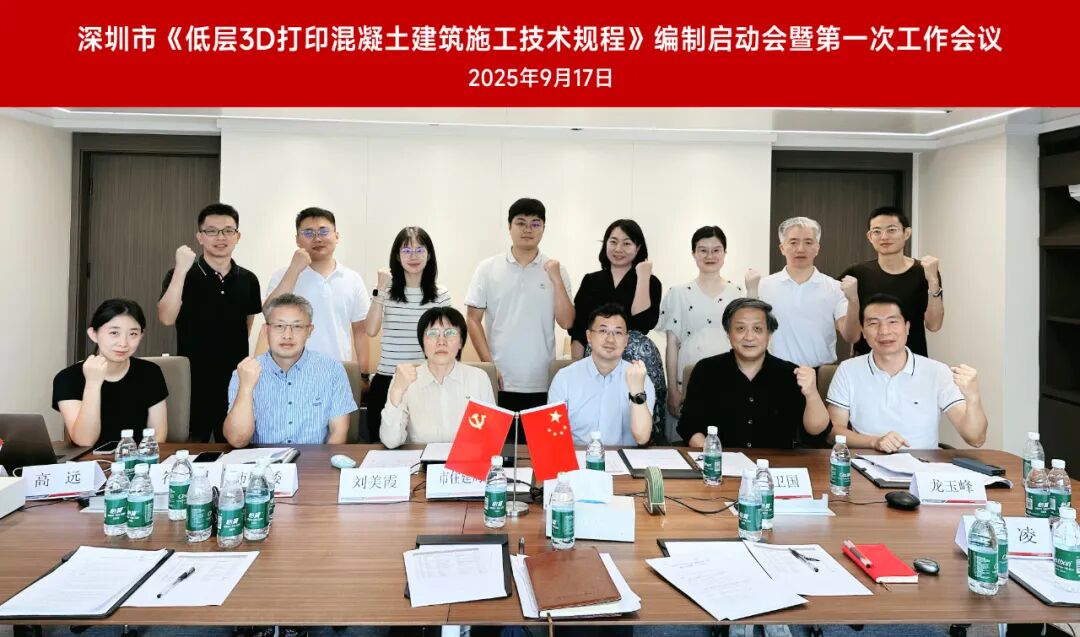
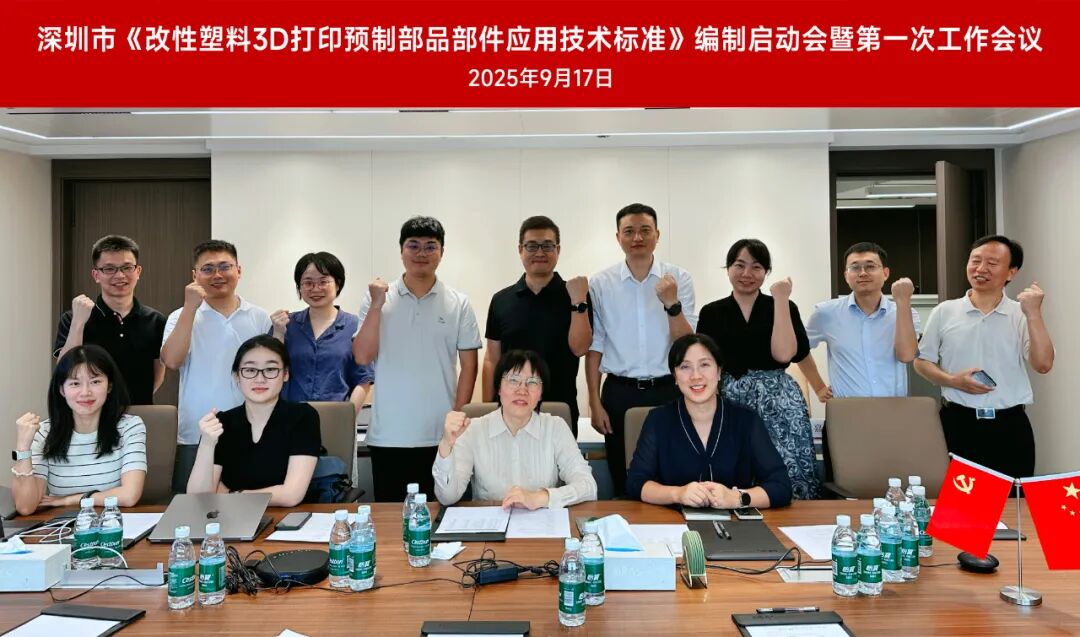 ▲Group PhotoPART01Launch of the CompilationAt the meeting, Deng Wenmin, Deputy Director (acting) of the Survey and Design and Construction Technology Department of the Shenzhen Housing and Construction Bureau, delivered a mobilization speech, stating:
As a pioneering demonstration area, Shenzhen has always been at the forefront of intelligent construction, promoting the standardized development of 3D printing construction technology. This is an important measure to implement national strategic deployments and build the “Shenzhen Construction” brand. The two standards precisely address two important directions for the application of 3D printing technology in the construction field, filling the standard gaps in related areas and providing crucial technical basis and safety guarantees for the large-scale engineering application of the technology. I hope everyone will work together, innovate boldly, focus on practical results, accelerate progress, ensure quality, and jointly promote the high-quality development of intelligent construction and construction industrialization.
Subsequently, Dr. Cai Yuefrom the City Engineering Construction Standards Committee read the list of members of the standard compilation group, announcing the official establishment of the compilation group,and proposed specific requirements for the standard compilation. He stated that the main participating units of the two standards have a strong lineup, with rich experience and outstanding capabilities in professional business and standard compilation, and he believes they can complete the compilation work at a high level. At the same time, the large expert database of the standards committee will also provide technical support for the standards, working together with the compilation group to leverage resource advantages and promote high-level, high-quality, and high-standard standard compilation. He hopes the compilation group will pay attention to the following points during the standard compilation process:1. Forward-looking,the final results of the standard compilation should effectively guide or regulate practical activities;2. Scientific,the compilation should be based on a large amount of investigation, advancing the standard compilation based on a comprehensive result of science, technology, and practical experience;3. Coordinated,the compilation should be conducted according to requirements and norms, combining theory with practice;
4. Normative,to adhere to discipline and procedures, ensuring orderly progress according to timelines; keeping good records of related meetings, compiling standard meeting minutes, retaining documents, and ensuring attendance sheets are properly managed to avoid nominal participation, and absolutely no “hidden agendas”.
In response to the requirements from the relevant departments and standard management institutions, the chief editing unit provided serious feedback:
The representative of the chief editing unit, Liu Meixia, Chief Expert (Chief Researcher) of the Science and Industrialization Development Center of the Ministry of Housing and Urban-Rural Development, introduced the background, main content, and expected goals of the two standards. She stated that with the development of 3D printing technology, a number of intelligent construction enterprises have emerged in the country, and 3D printed products have been widely applied in architectural features, urban landscapes, prefabricated components, and public facilities. However, issues such as the lack of standardized parameters for building components and inconsistent product quality evaluation have also emerged, becoming significant factors hindering the promotion of 3D printing in engineering applications. The compilation group will fully leverage existing research projects to guide the standard compilation work, enrich the standard content, improve the standard level, and work together to utilize experience advantages and abundant expert resources, establish detailed work plans, ensure the quality of each link, and steadily advance the standard compilation, striving to deliver a high-quality and high-level “standard” report.
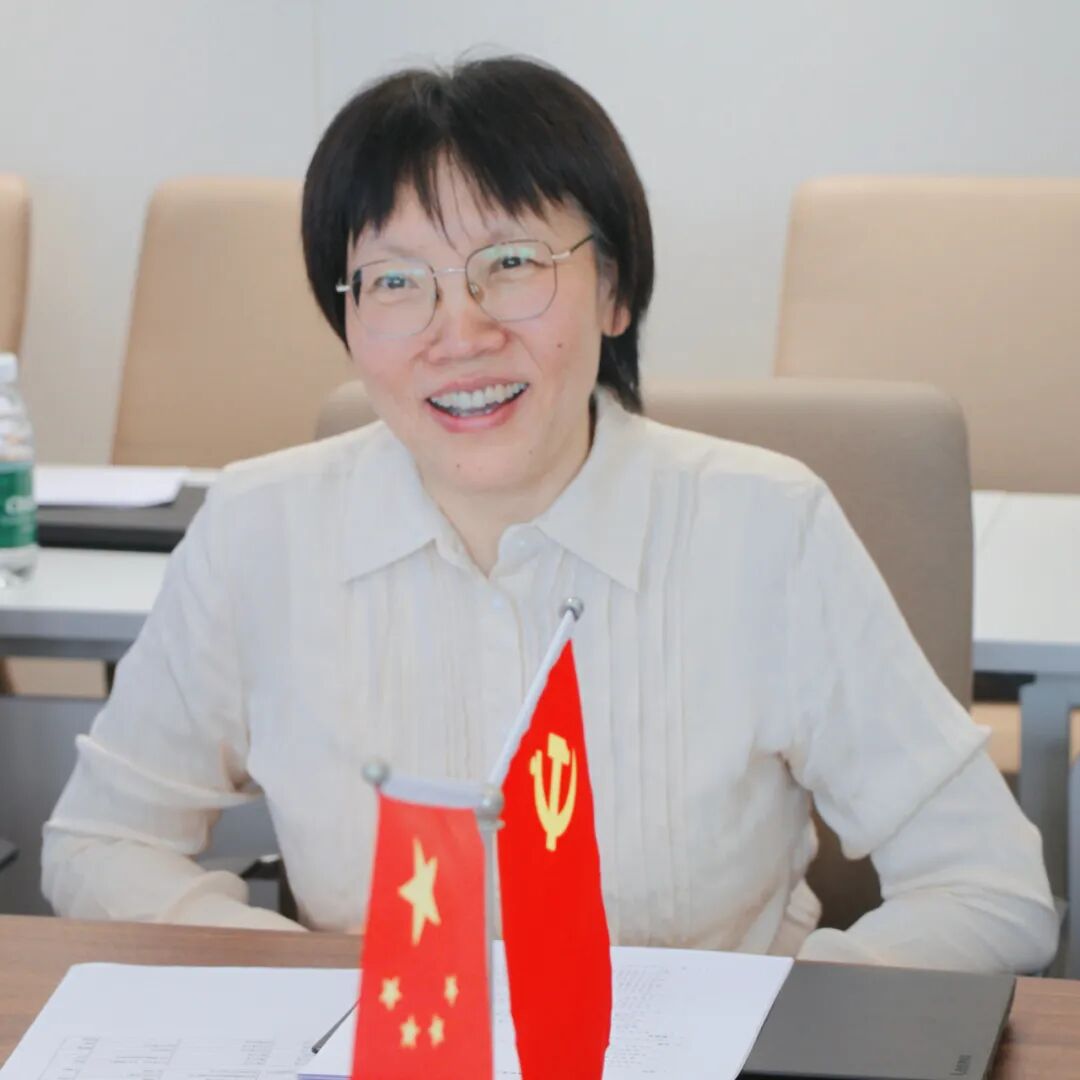
▲Representative of the chief editing unit, Liu Meixia, Chief Expert (Chief Researcher) of the Science and Industrialization Development Center of the Ministry of Housing and Urban-Rural Development
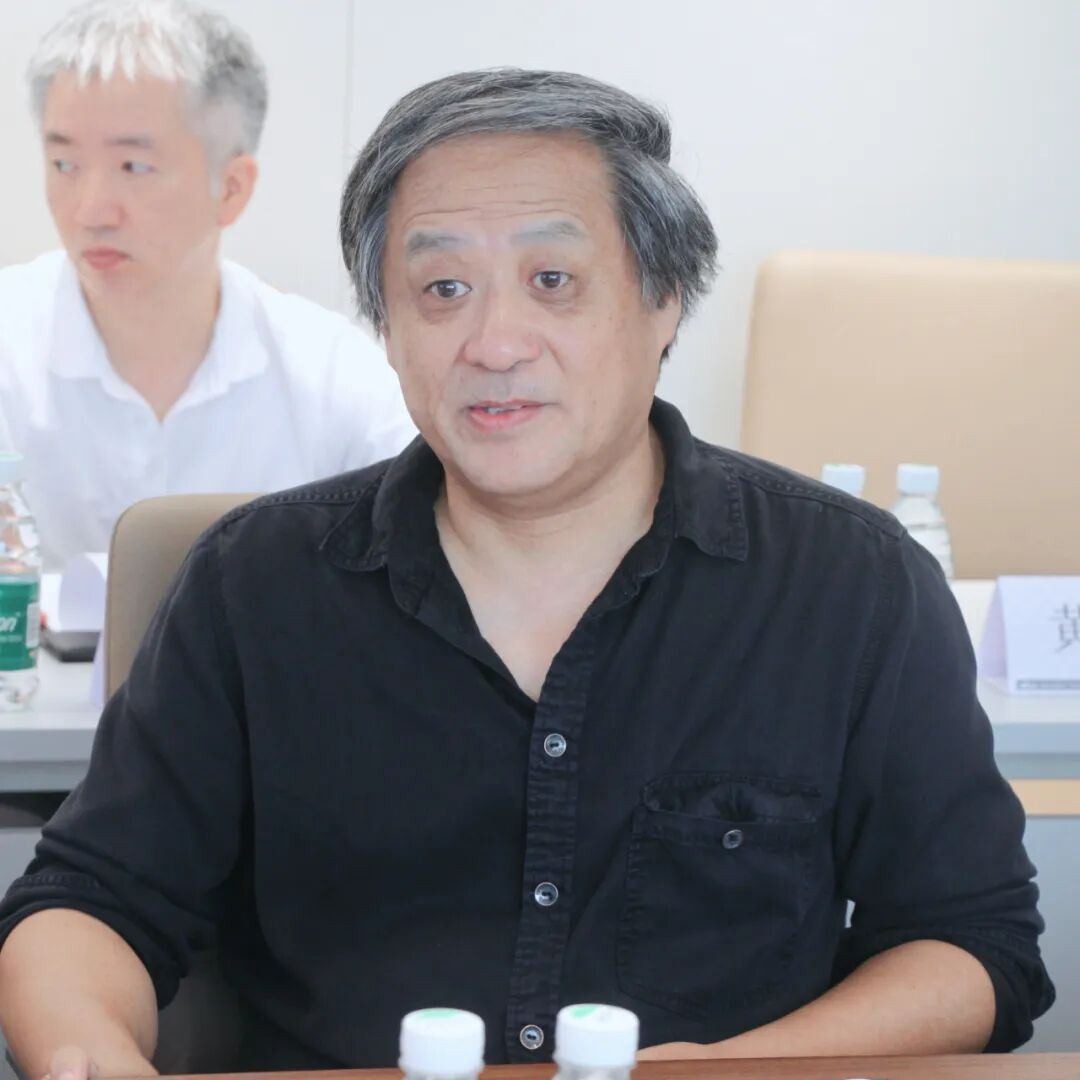 ▲Representative of the chief editing unit, Xu Weiguo, Executive Vice Dean of the Future Habitat Institute at Tsinghua University Shenzhen International Graduate School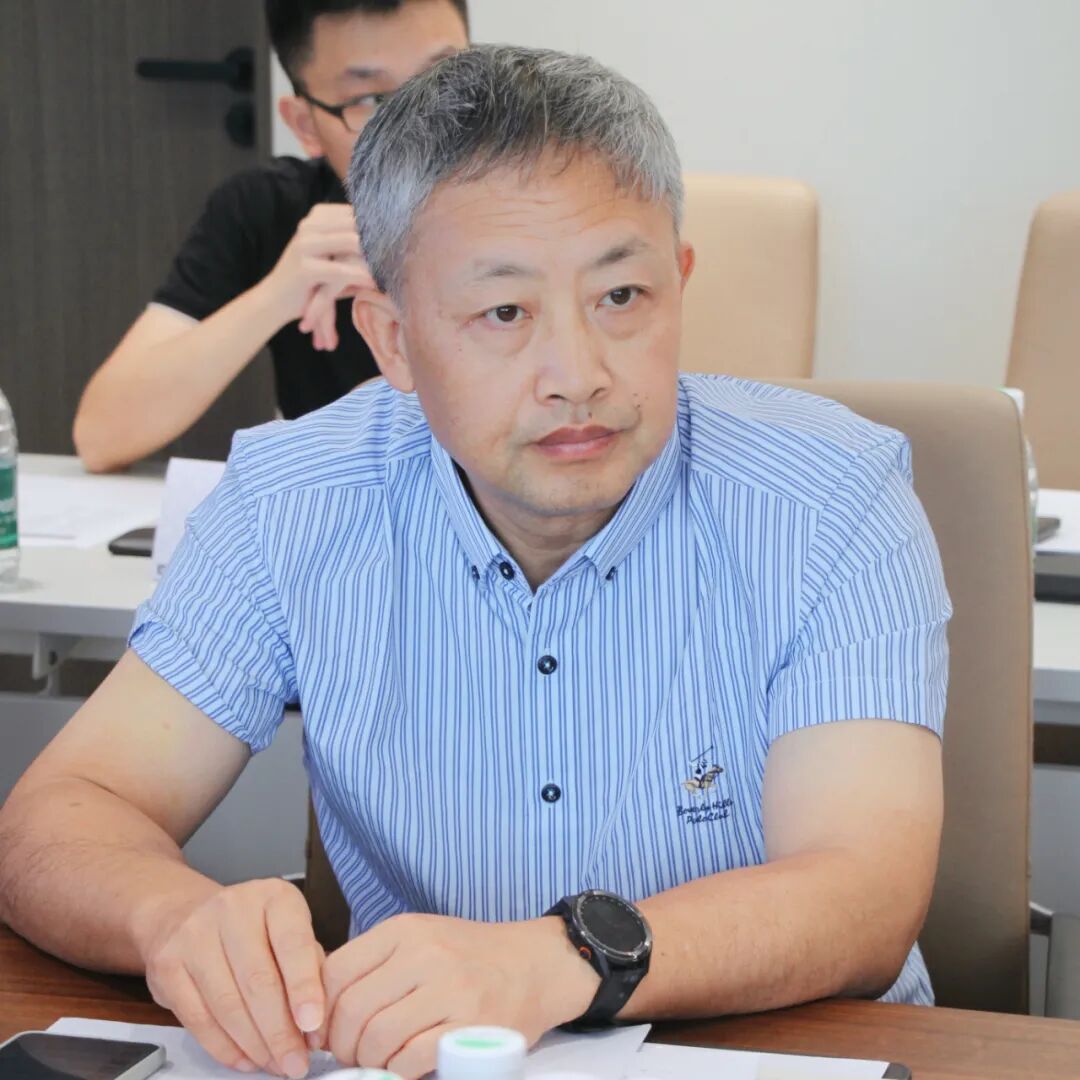
▲Representative of the chief editing unit, Fu Xiang, Deputy Director of the Engineering Management Center of the Shenzhen Construction Works Bureau

▲Representative of the chief editing unit, Fu Jiayan, Postdoctoral Researcher at Tongji University
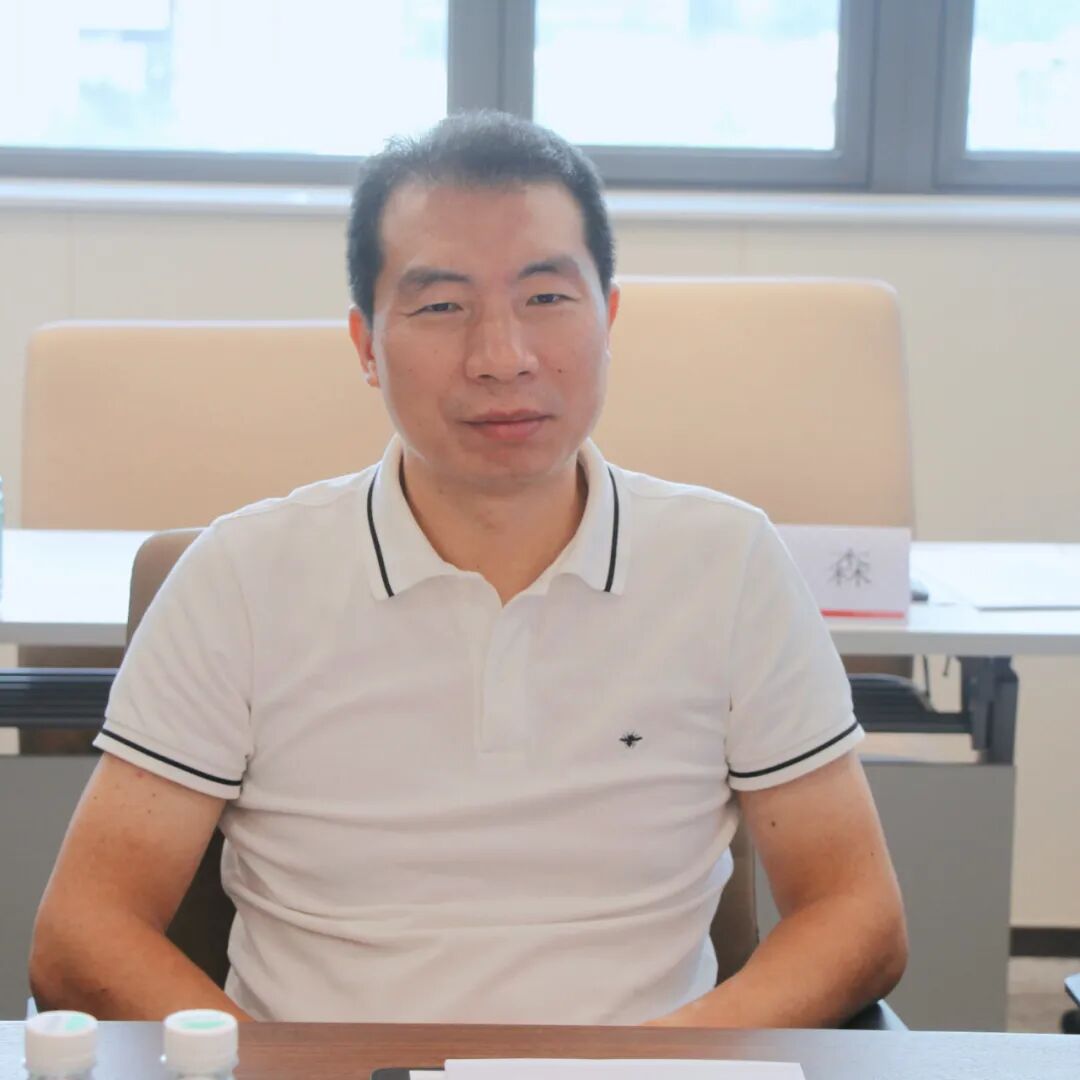 ▲Representative of the participating unit, Long Yufeng, President of the Shenzhen Construction Industrialization Association and Executive Director, Vice President of Shenzhen Huayang International Engineering Design Co., Ltd.
Representatives from participating units also spoke, emphasizing the high demand for 3D printing in construction projects. Given the aging and insufficient labor force, its application in construction will become an inevitable trend. Everyone unanimously expressed their commitment to actively participate in the standard compilation work, sharing their practical experiences in 3D printing materials, processes, and applications, and fully promoting the completion of the standard work to further serve and advance the industry.
PART02First Working Meeting of the Compilation Group
After the official launch of the standards, the first working meeting commenced. Industry experts and representatives from participating units discussed the general principles, terminology, and general provisions of the two standards. Everyone agreed that the standard compilation should align with national policies and regulations, implementing the overall direction of national green development. The meeting also determined the division of labor and timeline for the compilation work, which will be strictly adhered to according to the plan.
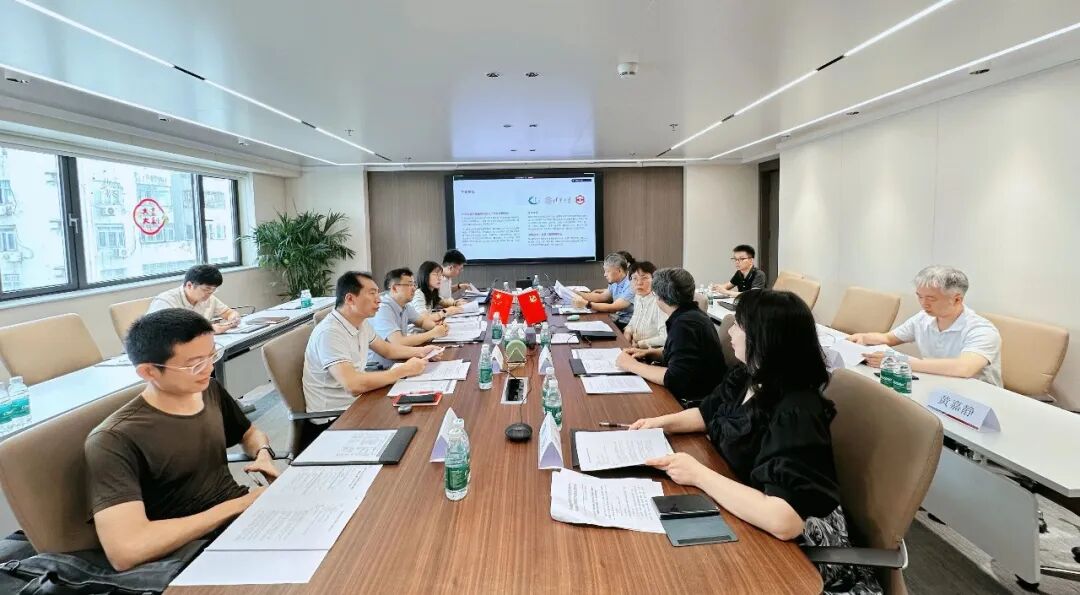
▲First Working Meeting for Shenzhen’s “Technical Regulations for Low-Rise 3D Printing Concrete Construction”
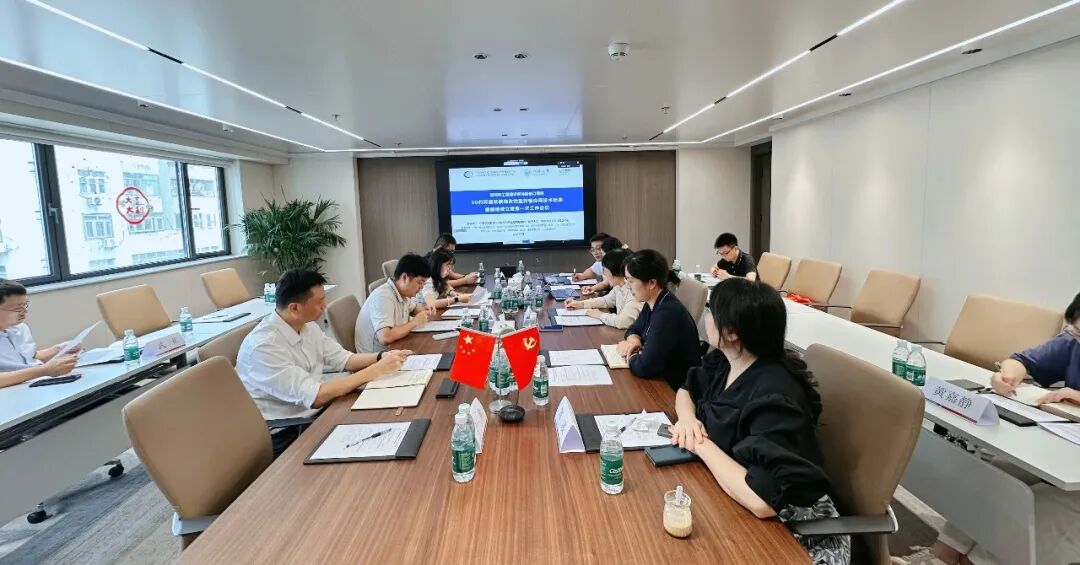
▲First Working Meeting for Shenzhen’s “Technical Standards for the Application of Modified Plastic 3D Printing Prefabricated Components”
3Dprinting has enormous potential and development prospects in the construction field,and the successful convening of this standards meeting marks significant progress in the standardization of 3D printing in our city. In the future,as these two standards are continuously optimized and improved,they will provide solid technical support for the development of the 3D printing construction industry in our city, assisting in the transformation, upgrading, and innovative development of the modern construction industry, and contributing positively to the beautiful life of the city..
 END
END