
1. Research Background
Targeted protein degradation (TPD) driven by molecular glue degraders (MGD) and proteolysis-targeting chimeras (PROTAC) has emerged as a transformative approach in drug discovery, capable of modulating traditionally “undruggable” targets. SeveralMGD and PROTAC have entered clinical trials, demonstrating their therapeutic potential. However, systemic administration poses a significant challenge, as unintended protein degradation of target proteins in healthy tissues may lead to off-target toxicity. Therefore, developing innovative strategies to mitigate toxicity, enhance selectivity, and expand the therapeutic window is crucial for successful clinical translation. Bioorthogonal chemistry provides a powerful strategy for tumor-targeted prodrug activation. Among various bioorthogonal coupling methods, the IEDDA reaction between trans-cyclooctene (TCO) and tetrazine is particularly advantageous due to its rapid kinetics, significant bioorthogonality, and excellent biocompatibility. Consequently, this strategy has garnered considerable interest in the field of medicinal chemistry, driving the development of TCO/tetrazine-based prodrugs with potential clinical application value. Notably, SQ3370 is a pioneering bioorthogonal therapy designed to selectively activate doxorubicin at tumor sites, exhibiting good safety, and is currently undergoing phase 1/2a clinical trials (NCT04106492).
Two mature bioorthogonal strategies have been explored to control the activation of PROTACs. Efficient protein degradation relies on the formation of the ternary complex “POI–PROTAC–E3.” Cleaving the PROTAC linker into two separate fragments disrupts the catalytic cycle, effectively halting the process and preventing POI degradation. However, the restoration of PROTAC activity can be achieved through bioorthogonal linker reconstruction, thereby triggering the degradation process. Although this approach has demonstrated robustness across various PROTAC architectures, optimizing linker design for effective POI degradation remains a complex and resource-intensive task. Another strategy involves incorporating bioorthogonal groups into the E3 binding moiety to temporarily block the PROTAC-E3 interaction. Following bioorthogonal reaction activation, the degrader restores its ability to recruit E3, resuming POI proteasomal degradation. This method has been successfully applied to recruit von Hippel-Lindau (VHL) E3 ligase-based PROTACs. However, extending this to cereblon (CRBN)-based PROTACs and MGD remains an unresolved challenge. Two main obstacles hinder progress: CRBN ligand’s inherent instability under harsh reaction conditions and the need to optimize bioorthogonal reaction kinetics for effective activation. Given the extensive clinical development of CRBN-based MGD and PROTAC, establishing a robust and universal bioorthogonal platform is imperative for advancing precise targeted protein degradation.
2. Results Discussion
A multifunctional therapeutic diagnostic platform has been developed that combines tumor cell imaging with precisely controlled protein degradation. At the core of this platform is XZ2223, a glutathione (GSH)-cleavable bioorthogonal trigger that couples cancer cell labeling with concomitant tetrazine release, thereby activating the trans-cyclooctene (TCO) cage-based CRBN-cleavable degrader prodrugs Pro-CC-885 and Pro-dBET6 to induce on-demand degradation of GSPT1 and BET, respectively. Co-administration of XZ2223 with either prodrug provides robust tumor imaging and effective protein degradation in xenograft models, while the XZ223/Pro-dBET6 combination further enhances in vivo antitumor efficacy and reduces systemic toxicity. This innovative platform demonstrates potential as a dual-functional approach for precision cancer therapy.
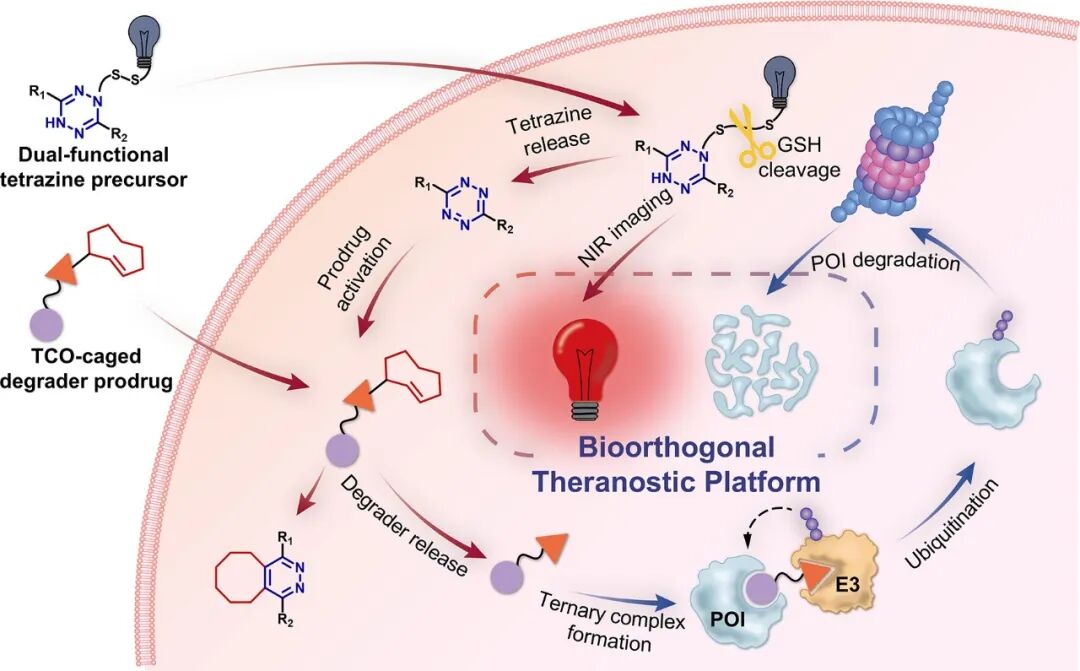
Figure1. Mechanism of the bioorthogonal therapeutic platform proposed. The bifunctional precursor is activated by endogenous GSH in cancer cells to trigger cellular imaging, while the simultaneously released tetrazine can bioorthogonally activate the CRBN-derived MGD/PROTAC prodrugs, leading to POI degradation.
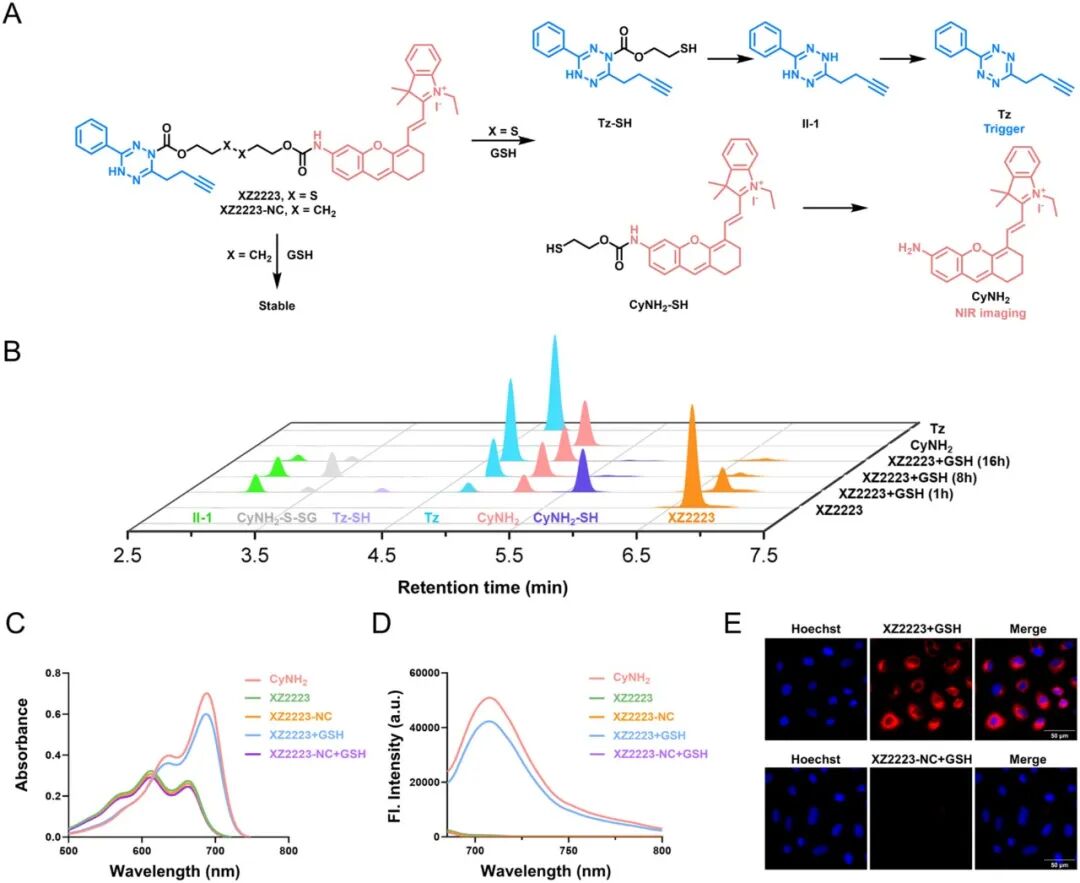
Figure2. GSH activation of XZ2223 triggers in vitro NIR reporter and bioorthogonal tetrazine release.
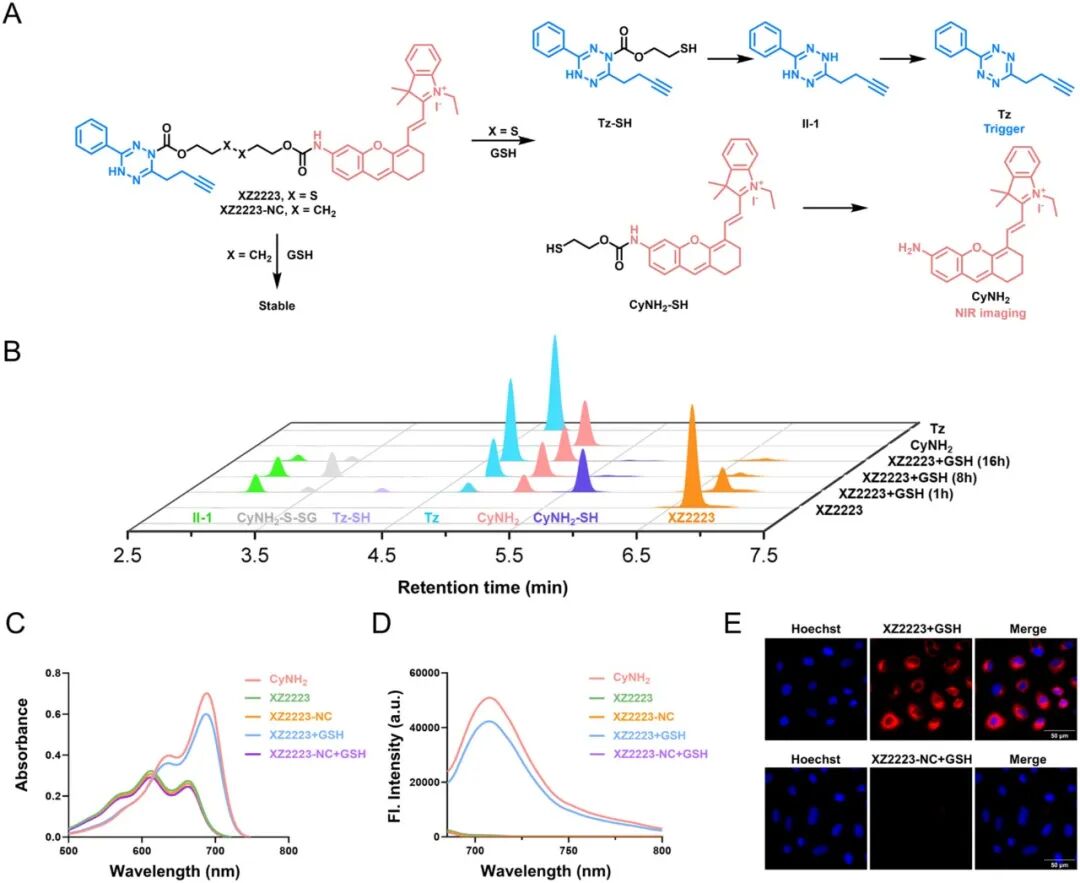
Figure3. Activation of MGD prodrug Pro-CC-885: Mechanism and Significance
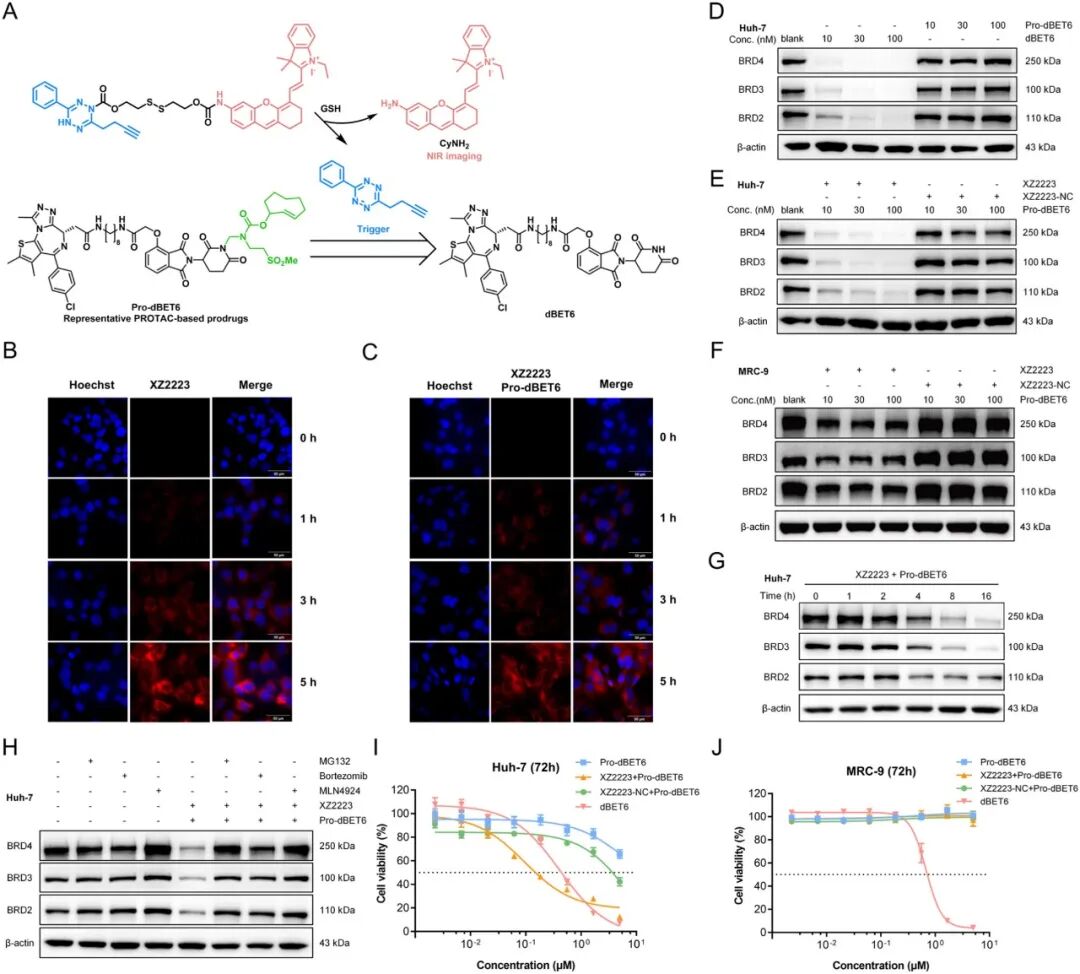
Figure4. Activation of PROTAC prodrug Pro-dBET6: Mechanism and Significance
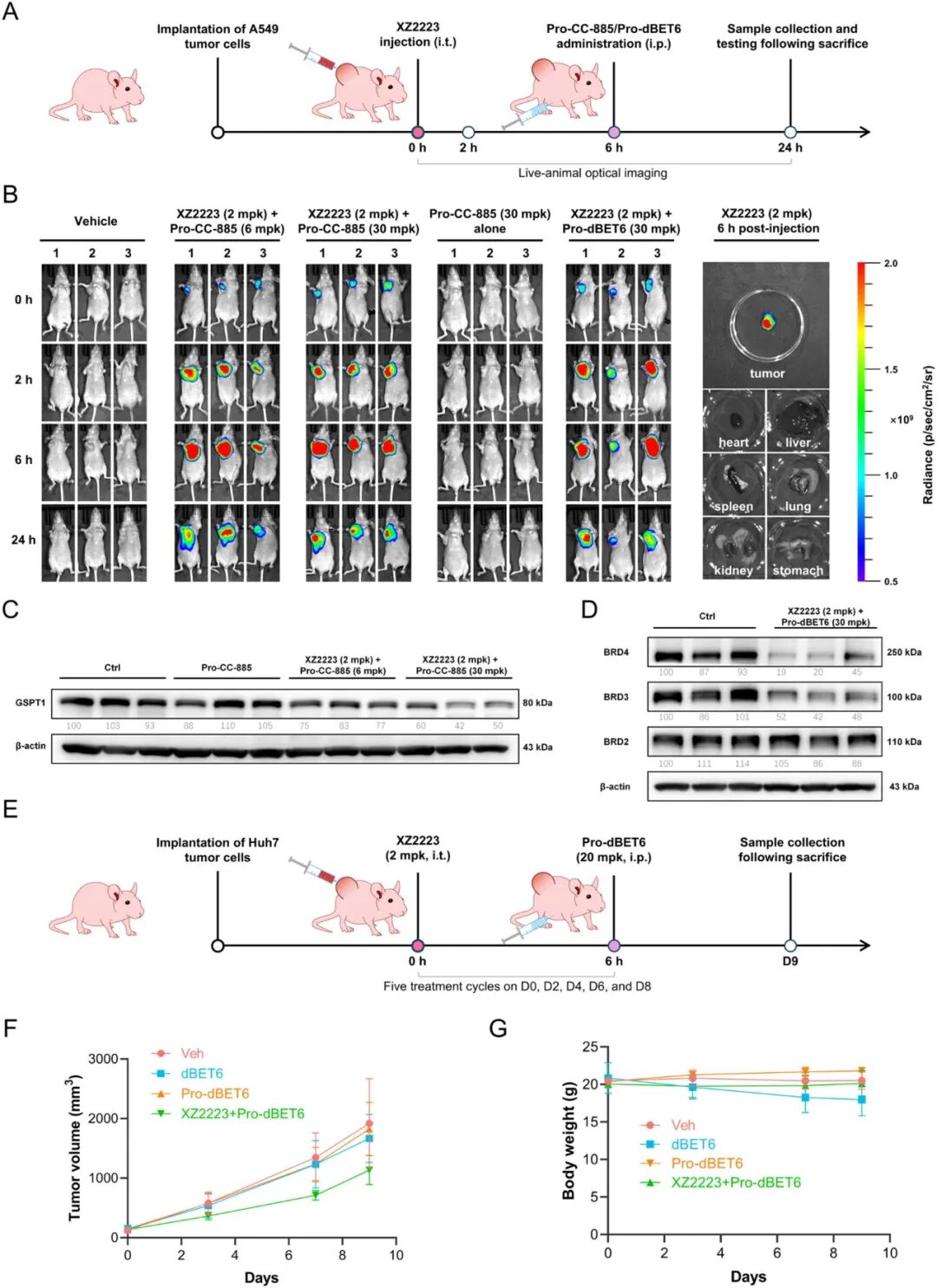
Figure5. Induction of tumor imaging relay activation, target protein degradation, and antitumor activity by XZ2223 in tumor-bearing mice.
DOI:10.1021/jacs.5c11564
Click to read the original article for more details.