With the development of smart cockpits and in-car entertainment systems, automotive audio systems have evolved from traditional “radio + speakers” to multimedia platforms that integrate high-fidelity sound, voice interaction, and immersive experiences. Consumers’ demands for sound quality are increasing, and automotive manufacturers are continuously enhancing the design level of audio systems.
In this process, ADCs, DACs, and digital audio transceivers have become indispensable core components in the audio chain.
1
System Composition
A typical automotive audio system consists of the following components:
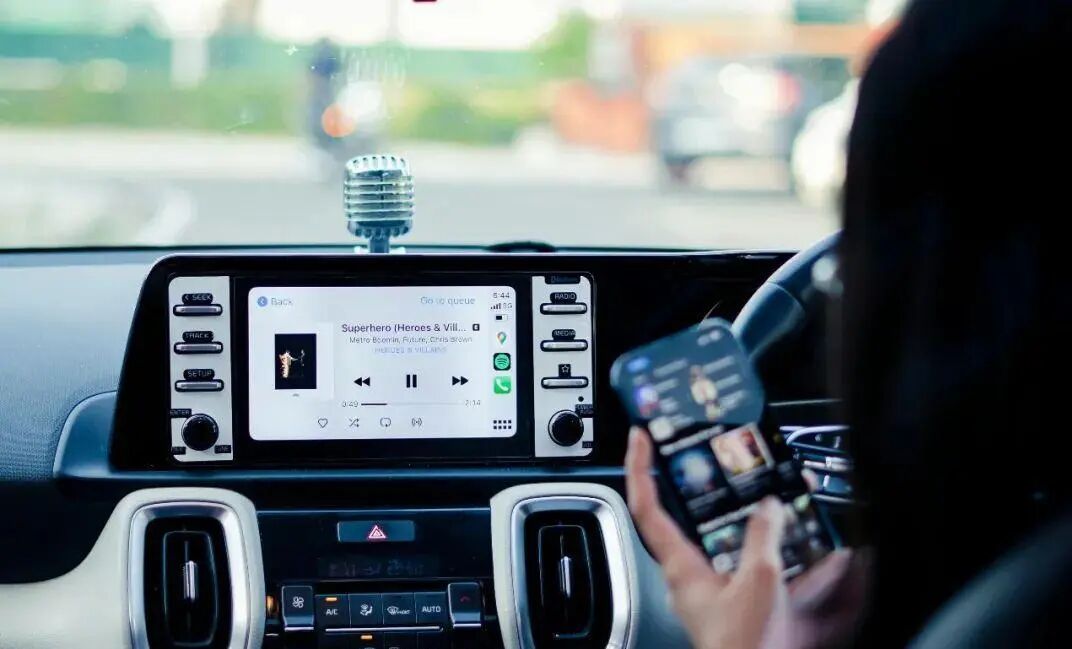
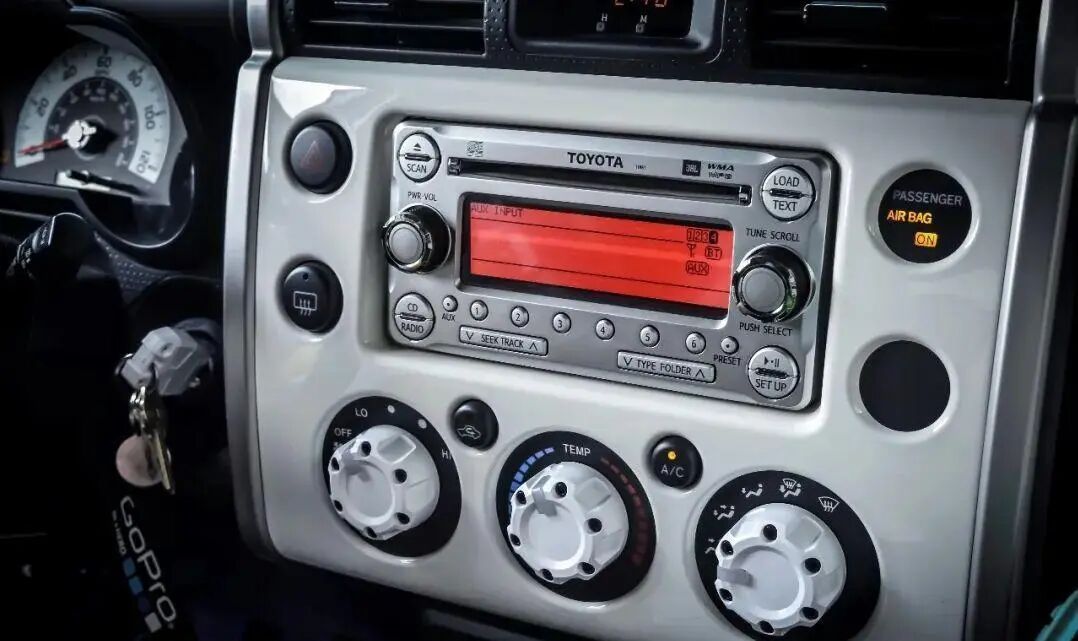
Audio source inputs: Bluetooth, USB, CD, radio, AUX, microphone, etc.
Digital Signal Processing (DSP): Responsible for equalization, crossover, delay, surround sound effects, etc.
Amplifier: Amplifies audio signals to drive the speakers.
Speakers: Ultimately present the sound.
In this chain, the roles of ADCs, DACs, and digital audio transceivers are as follows:
ADC (Analog-to-Digital Converter): Converts analog signals (such as AUX input, microphone capture) into digital signals for DSP processing.
DAC (Digital-to-Analog Converter): Converts the digital signals processed by the DSP back into high-quality analog signals for output to the amplifier and speakers.
Digital Audio Transceiver: Transmits digital audio data between the host, DSP, and amplifier at high speed and low loss, ensuring synchronization and sound quality in multi-channel systems.
2
ADC/DAC/Digital Transceiver
ADC
High-fidelity capture of external audio sources (such as microphone voice, AUX input), supporting voice interaction and high-quality music input.
Low noise and high signal-to-noise ratio (SNR) ensure clear signals, suitable for voice recognition and calls.
DAC
High dynamic range and low distortion restore digital audio (such as Hi-Res Audio, FLAC), providing immersive sound quality.
Supports multi-channel output, compatible with high-end audio systems.
Digital Audio Transceiver
Efficient, lossless transmission of digital signals, reducing electromagnetic interference from complex in-car environments (such as engines, air conditioning).
Supports various protocols (such as I²S, TDM, SPDIF), enhancing system compatibility.
High-performance ADC, DAC, and digital audio transceiver chips are widely used in automotive audio systems, in-car voice interaction, and multimedia entertainment modules.
3
Application Scenarios
Automotive audio systems have wide applications in various fields:
Luxury automotive audio systems
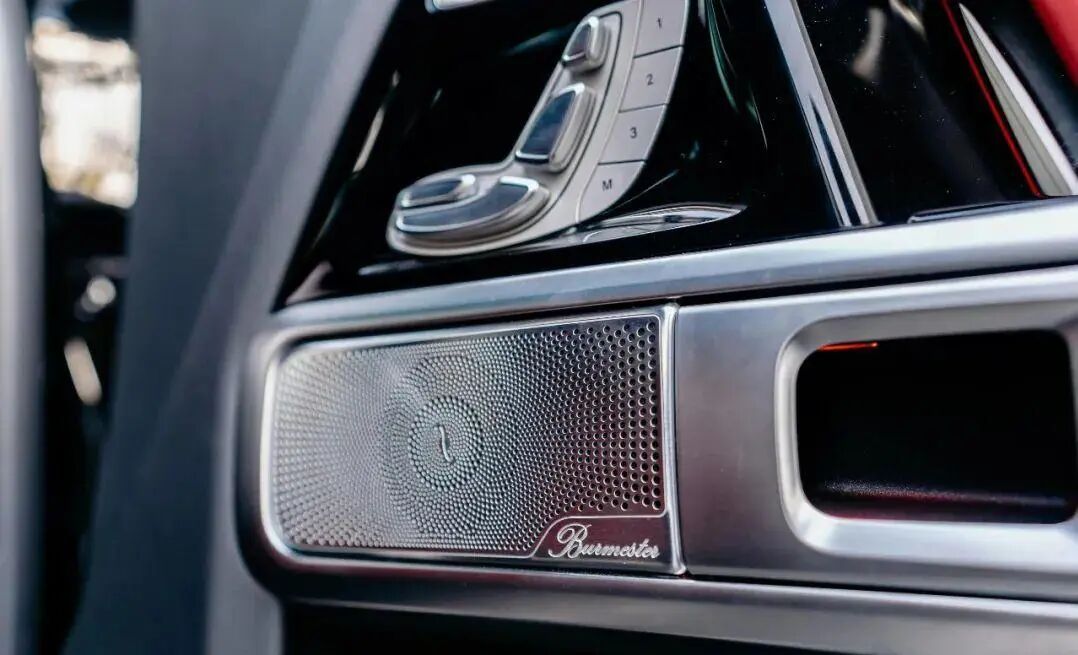
Such as Bose and Harman Kardon systems, using high-performance DACs and digital audio transceivers to provide immersive Hi-Fi sound.
In-car Bluetooth/voice interaction
ADCs support high-precision voice capture, and digital audio transceivers ensure high-quality transmission of protocols like Bluetooth AptX and LDAC.
Electric vehicle silent cabins
Utilizing DSP and DAC to create a 3D sound field, compensating for the lack of environmental noise, providing an immersive sound experience.
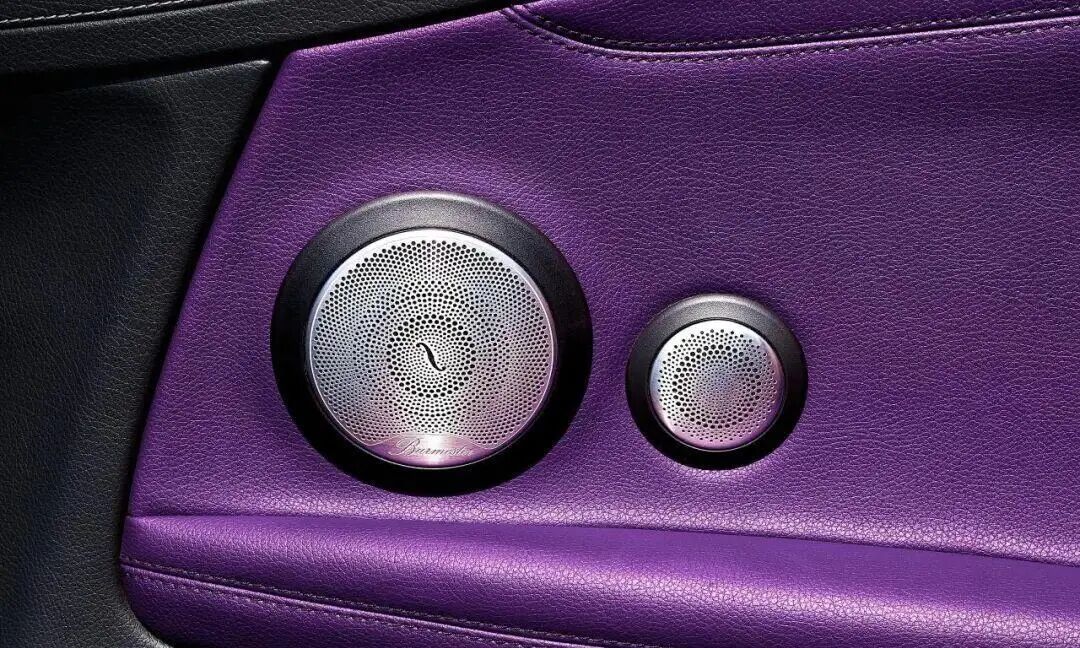
With the development of automotive intelligence, audio systems are becoming an important selling point for differentiation among car manufacturers. Choosing the right ADC, DAC, and digital audio transceiver can not only enhance the overall sound quality experience but also meet automotive-grade safety and reliability requirements.