high-speed PCB design
The Growth Journey of a PCB Engineer (7)

In 2004, I was in my fourth year as a repair technician and had been learning PCB design for three years. I had worn out the book “pads2000” but still made no progress. This book is actually a classic; by the third day of having it, I understood the general process of PCB design. However, … Read more
How to Handle Duplexers in PCB Design?
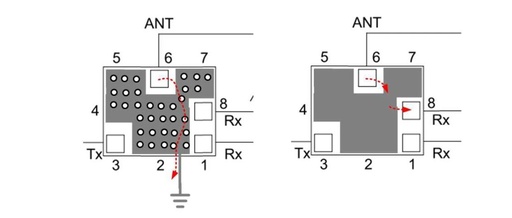
Summary: In PCB design, the quality of the layout for the duplexer often directly determines the overall RF performance of the device. Many engineers focus more on the positions of major components such as antennas, PA, and LNA, while neglecting the details of the duplexer, which serves as an important intermediate link. In fact, the … Read more
Current Carrying Capacity of PCB Traces and Vias
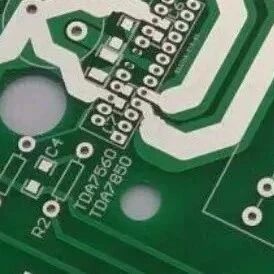
Introduction The electrical connections between various components on FR4 copper-clad PCBA are achieved through the copper foil traces and vias on its layers. Due to the varying current levels in different products and modules, designers need to know whether the designed traces and vias can carry the corresponding current to fulfill the product’s functionality and … Read more
Key Elements for Post-Design PCB Inspection!
When a PCB board has completed its layout and routing, and there are no errors reported in connectivity and spacing, does that mean the PCB is finished? The answer is certainly no. Many beginners, as well as some experienced engineers, often rush through the process due to time constraints, impatience, or overconfidence, neglecting the post-design … Read more
C-017: MIPI Interface PCB Layout and Routing Guide
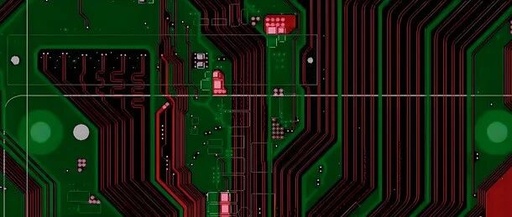
The MIPI (Mobile Industry Processor Interface) interface, especially its physical layers D-PHY and C-PHY, is widely used in high-speed data transmission scenarios such as cameras (CSI-2) and displays (DSI-2). The PCB layout and routing of MIPI are crucial for signal integrity, directly affecting the performance and reliability of devices. Below are key guidelines for MIPI … Read more
Do You Really Not Need Impedance Matching for SPI?

First, we need to ask, what is signal integrity? Why do we perform signal integrity analysis? How do we conduct signal integrity analysis? What do we achieve after signal integrity analysis?Let’s first discuss,what is signal integrity?Signal Integrity (SI): It refers to the ability of a signal to be transmitted and switched in a circuit with … Read more
Critical Blind and Buried Via Technology in PCB Design
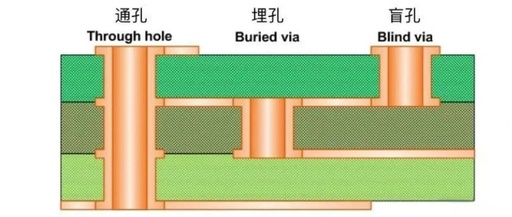
Recently, I encountered a customer complaint regarding PCBA blind and buried via issues. I took this opportunity to study the topic and share knowledge with my colleagues and friends. **Core Concept:** In traditional PCB design, vias (referred to as “through holes” or “vias”) that connect different layers of circuits are through holes that extend from … Read more
Creating a Force Sensor Based on ESP32 and HX711

Creating a Force Sensor Based on ESP32 and HX711—— Research Project on Basic Education Reform in Hunan Province 01Working Principle Force Sensor → HX711 → ESP32 → Bluetooth → Phyphox Mobile App HX711 ModuleHX711 is a high-precision 24-bit analog-to-digital converter chip specifically designed for pressure sensors. Its main function is to amplify the measured small … Read more
Affordable High-Performance AI Smartwatch: Custom Low-Power Design with ESP32 and Sharp 64-Color Reflective Display
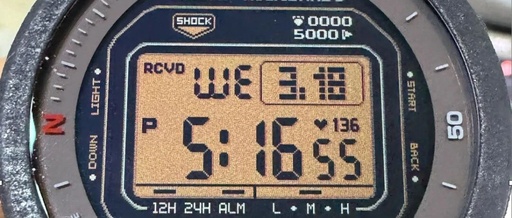
Contact the editor at the end of the article to obtain the project source code. The ThymeWatchRound low-power AI smartwatch is based on the Espressif ESP32-S3 main control unit with PSRAM, featuring a rotating crown, a Sharp 64-color reflective display with backlight, excellent screen performance, metallic luster, and full-screen edge single-point capacitive touch. It supports … Read more