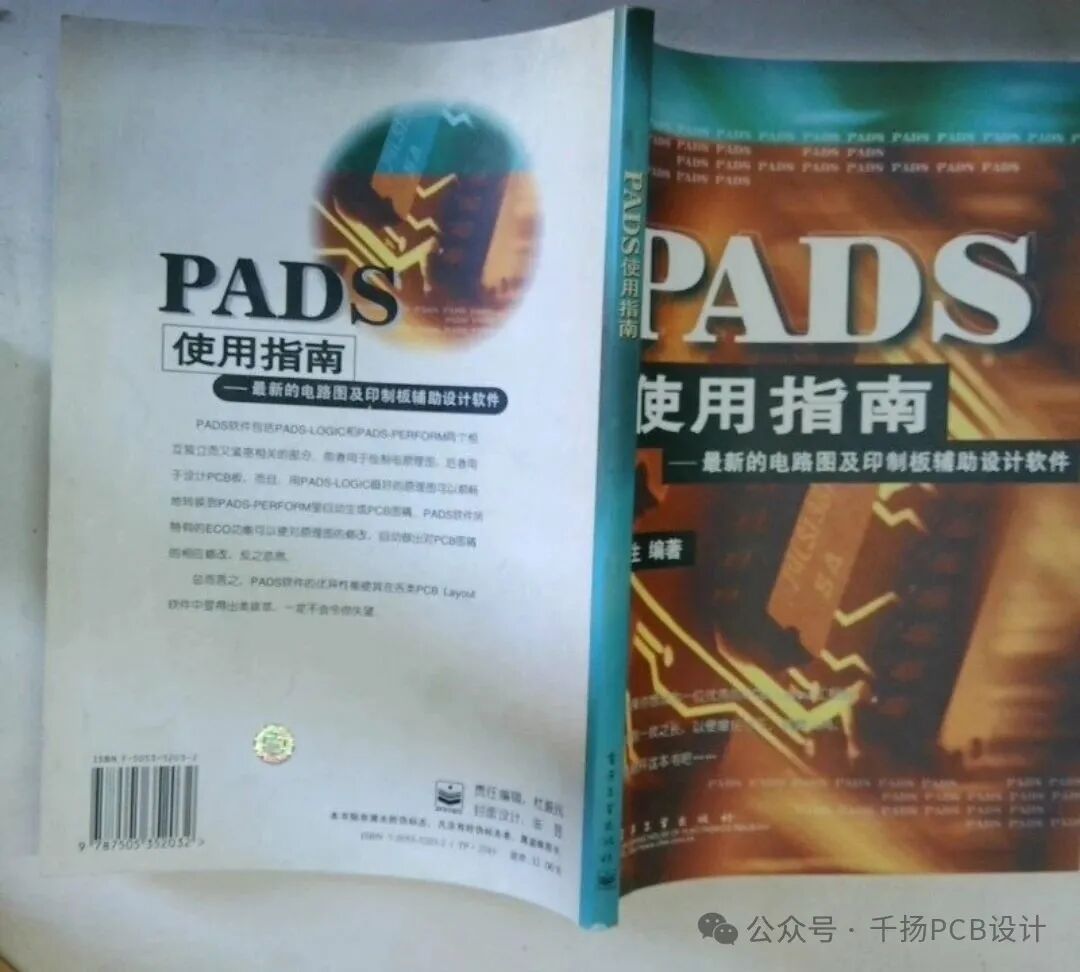
In 2004, I was in my fourth year as a repair technician and had been learning PCB design for three years. I had worn out the book “pads2000” but still made no progress. This book is actually a classic; by the third day of having it, I understood the general process of PCB design. However, I had been stuck on routing for three years. Manual routing was ineffective, and automatic routing was unsatisfactory. The author suggested starting from the densest areas and routing the shortest lines first, but in reality, it was a tangled mess, making it impossible to start.
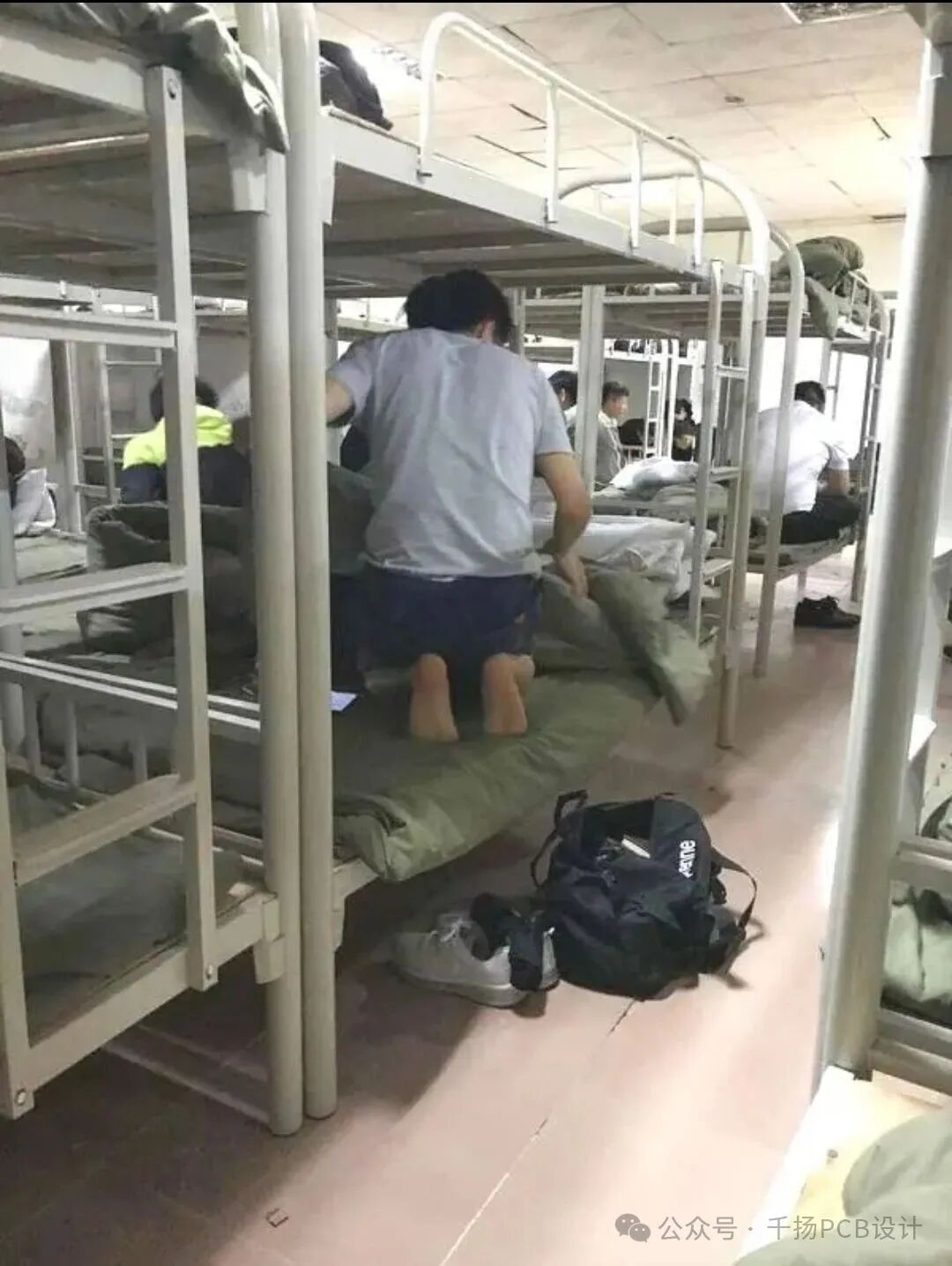
In March of that year, after persistent efforts from our supervisor, the repair technicians were assigned a large dormitory. About ten repair technicians from the entire factory moved into the same dormitory. The supervisor’s intention was to encourage technical exchanges among the technicians after work, aiming for everyone to become skilled at repairing machines, rather than just chatting and boasting in the dorm.
I still lived on the upper bunk, cross-legged, focused on learning PCB design. There were a few opportunities to move to the lower bunk, but I believed that staying on the upper bunk would minimize distractions and help me concentrate on mastering the skills needed to design PCBs. I don’t know when it started or who influenced whom, but periodically someone would buy a computer. At that time, few people went to the second-hand market; most went to the electronics market to assemble computers. A low-spec host cost around 2000 yuan, and with a Longcheng brand monitor, it would consume almost two and a half months’ salary. In the end, only one repair technician had not bought a computer; everyone else had assembled theirs. Those on the lower bunk placed a desk at the head of their bed, while I was the only one on the upper bunk still dedicated to studying. A few others had even rented rooms outside to study. Often, at two in the morning, while other dormitories were dark, the repair technician dormitory was still brightly lit with everyone studying. None of us had teachers, and we didn’t know how to learn; we just read books and figured things out ourselves. It was impossible to ask the engineers from the R&D department for guidance; there was a deep chasm between us. Everyone was quietly working hard, seeing who would learn first. Occasionally, a repair technician would be temporarily assigned to the R&D department to help with a prototype, and everyone would envy him for a while, as he had the opportunity to see up close what PCB design was really about.
Since 2003, mobile phones had gradually become popular, and paging services were almost entirely shut down overnight. It was a pity for my 94938-numbered auspicious number that I had paid extra for. By 2004, almost everyone in the workshop had a Nokia 3610. Whenever there was a power outage, the workshop was filled with the sounds of ringtones, creating a lively atmosphere. However, some people liked to change their phone numbers, and gradually we lost contact. Years later, I still cannot forget the scene of studying in the repair technician dormitory. Brothers, how are you all doing?