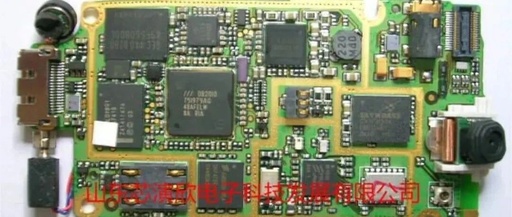
The Most Comprehensive PCBA Process Flow Ever!

The Most Comprehensive PCBA Process Flow Ever!

SMT Top Networking Circle A professional circle for sharing networking resources and achieving career advancement. In simple terms, the PCBA process is a combination of the SMT processing and DIP processing. Depending on the requirements of different production technologies, it can be divided into single-sided SMT assembly processes, single-sided DIP insertion processes, single-sided mixed assembly … Read more

What Items and Standards Should PCBA Boards Be Inspected For?

What Items and Standards Should PCBA Boards Be Inspected For?

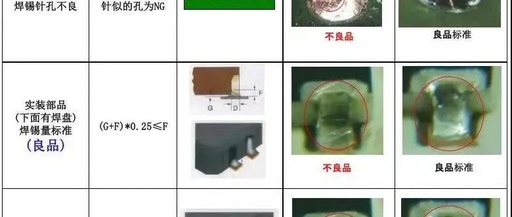
1. What Are the Inspection Standards for PCBA Boards? First, let us understand the introduction of quality inspection standards. 1. Serious defects (denoted as CR): Any defect that can cause harm to a person or machine or endanger life safety, such as non-compliance with safety regulations, burning machines, electric shock, etc. 2. Major defects (denoted … Read more

PCBA Process Flow

PCBA Process Flow

Simply put, what is PCB? PCB = printed circuit board; the Chinese name is 印制电路板, also known as printed circuit board, is an important electronic component, serving as the support for electronic components and the carrier for electrical connections between electronic components. Because it is made using electronic printing techniques, it is called a ‘printed’ … Read more

Understanding the Difference Between PCB and PCBA

Understanding the Difference Between PCB and PCBA

When learning about PCB design, we often encounter two very similar concepts: PCB and PCBA. We know that PCB stands for Printed Circuit Board, but what about PCBA? What is the relationship and difference between them? About PCB PCB stands for Printed Circuit Board, which is a circuit board made using electronic printing technology. It … Read more

How to Store PCBA at Different Stages?

How to Store PCBA at Different Stages?

In the field of electronic manufacturing, the storage phase of PCBA is crucial for ensuring product quality. From SMT chip processing to finished product assembly, the storage of PCBA at different stages has different technical requirements. How to store these PCBAs is something every engineer must consider. 1. Storage After SMT Chip ProcessingAfter the SMT … Read more

Common Packages for Programming Chips

Common Packages for Programming Chips

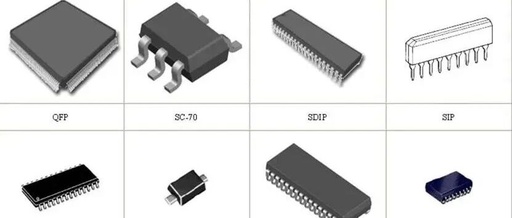
First, we need to understand what packaging is, which refers to the casing installed on semiconductor integrated circuit chips. It serves to place, fix, seal, protect the chip, and enhance thermal performance, while also acting as a bridge between the internal world of the chip and the external circuit, allowing for different appearances based on … Read more

What is the Difference Between PCB and PCBA?

What is the Difference Between PCB and PCBA?

PCB (Printed Circuit Board) is a bare board without assembled electronic components, primarily composed of an insulating substrate and conductive copper foil, providing only electrical connections and physical support. Its manufacturing process includes design, etching, drilling, etc., without involving component soldering or testing. For example, a PCB blank for a smartphone contains only circuit patterns … Read more

Technical Comparison and Application Selection of SMT and DIP in PCBA Processing

Technical Comparison and Application Selection of SMT and DIP in PCBA Processing

1. SMT: The “Main Force” of Modern Electronic Manufacturing (1) Technical Principles SMT (Surface Mount Technology) is a technique that directly mounts electronic components onto the surface of printed circuit boards (PCBs). The core of this technology lies in the precise placement of components onto the PCB pads using automated equipment, followed by a reflow … Read more

What Items Should Be Inspected on PCBA Boards and What Are the Inspection Standards?

What Items Should Be Inspected on PCBA Boards and What Are the Inspection Standards?

1. What Are the Inspection Standards for PCBA Boards? First, let us understand the introduction of quality inspection standards: 1. Critical Defects (denoted as CR): Any defect that can cause harm to humans or machines or endanger life safety, such as non-compliance with safety regulations, burning machines, electric shock, etc. 2. Major Defects (denoted as … Read more