Understanding the Difference Between PCB and PCBA

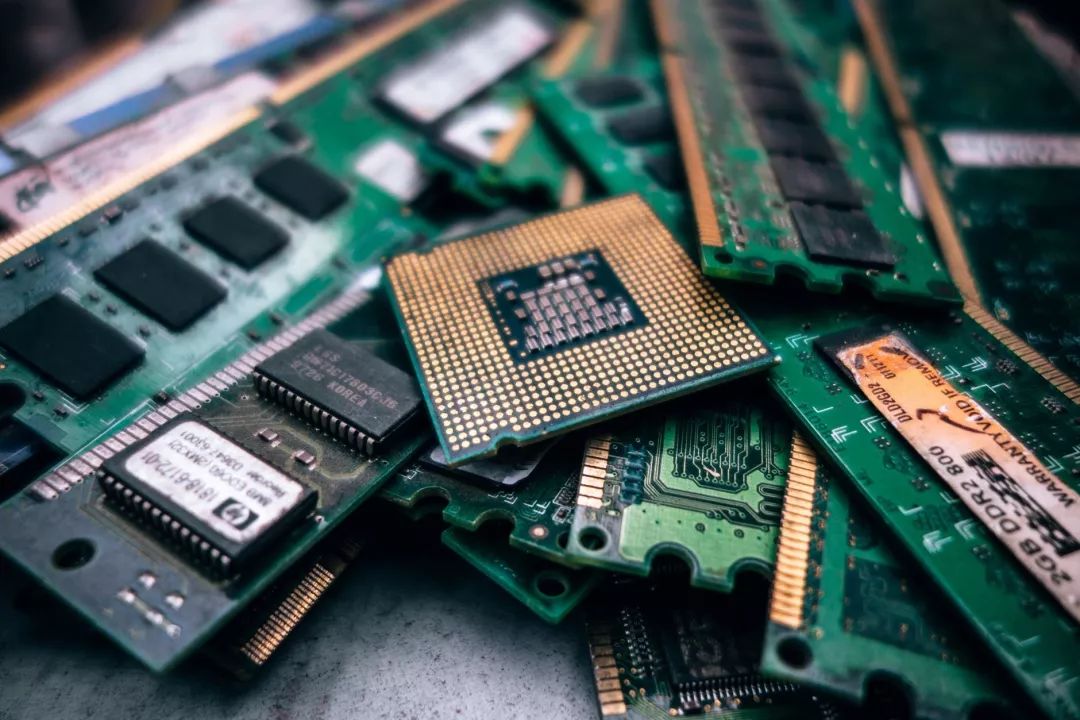
When learning about PCB design, we often encounter two very similar concepts: PCB and PCBA. We know that PCB stands for Printed Circuit Board, but what about PCBA? What is the relationship and difference between them?
Understanding the Difference Between PCB and PCBA

About PCB

PCB stands for Printed Circuit Board, which is a circuit board made using electronic printing technology. It is an essential electronic component in the electronics industry, serving as the support for electronic components and the carrier for electrical connections. PCBs are widely used in the production of electronic products. Their unique characteristics are summarized as follows:
1. High wiring density, small size, and lightweight, facilitating the miniaturization of electronic devices.
2. The graphical consistency and repeatability reduce wiring and assembly errors, saving time in maintenance, debugging, and inspection.
3. Facilitates mechanized and automated production, increasing labor productivity and reducing the cost of electronic devices.
4. Design can be standardized, facilitating interchangeability.
Understanding the Difference Between PCB and PCBA

About PCBA

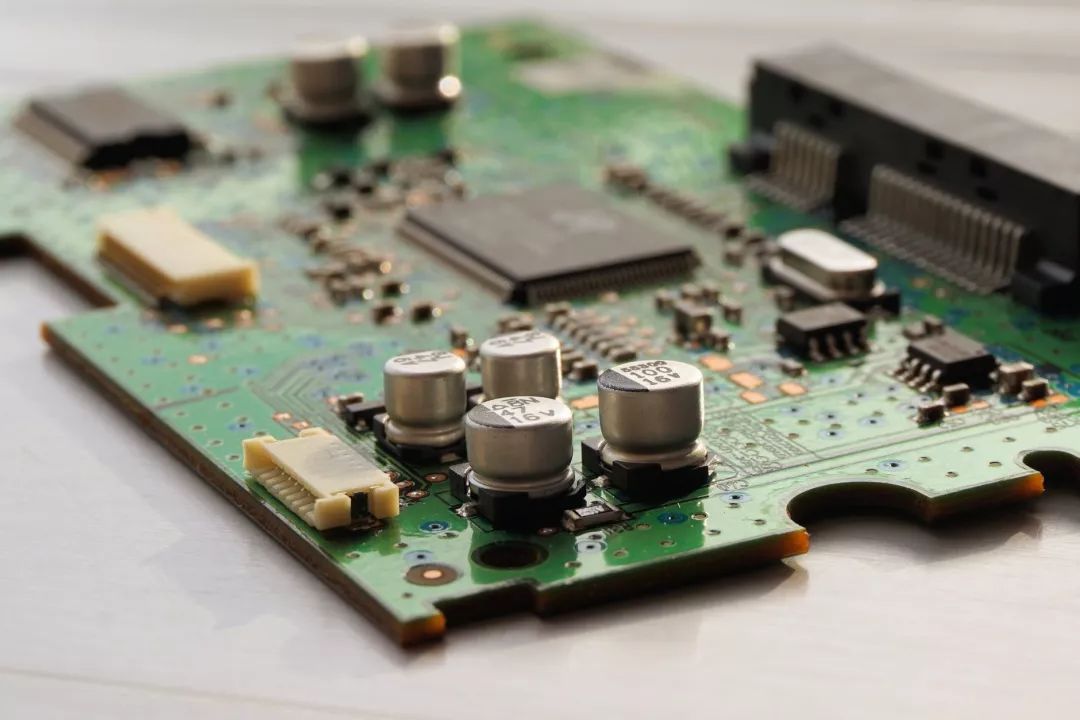
PCBA stands for Printed Circuit Board + Assembly, meaning that PCBA refers to the entire process after the PCB bare board has undergone SMT assembly and DIP insertion.
Note: SMT and DIP are both methods of integrating components onto a PCB. The main difference is that SMT does not require drilling holes in the PCB, whereas DIP requires inserting component pins into pre-drilled holes.
SMT (Surface Mounted Technology) primarily uses a mounting machine to attach small components onto the PCB. The production process is: PCB positioning, solder paste printing, mounting machine attachment, passing through the reflow oven, and inspection.
DIP, or “through-hole,” involves inserting components into the PCB, typically used for larger components that are not suitable for surface mount technology. Its main production process includes: applying adhesive, inserting components, inspection, passing through wave soldering, and inspection.
Understanding the Difference Between PCB and PCBA

Differences Between PCB and PCBA

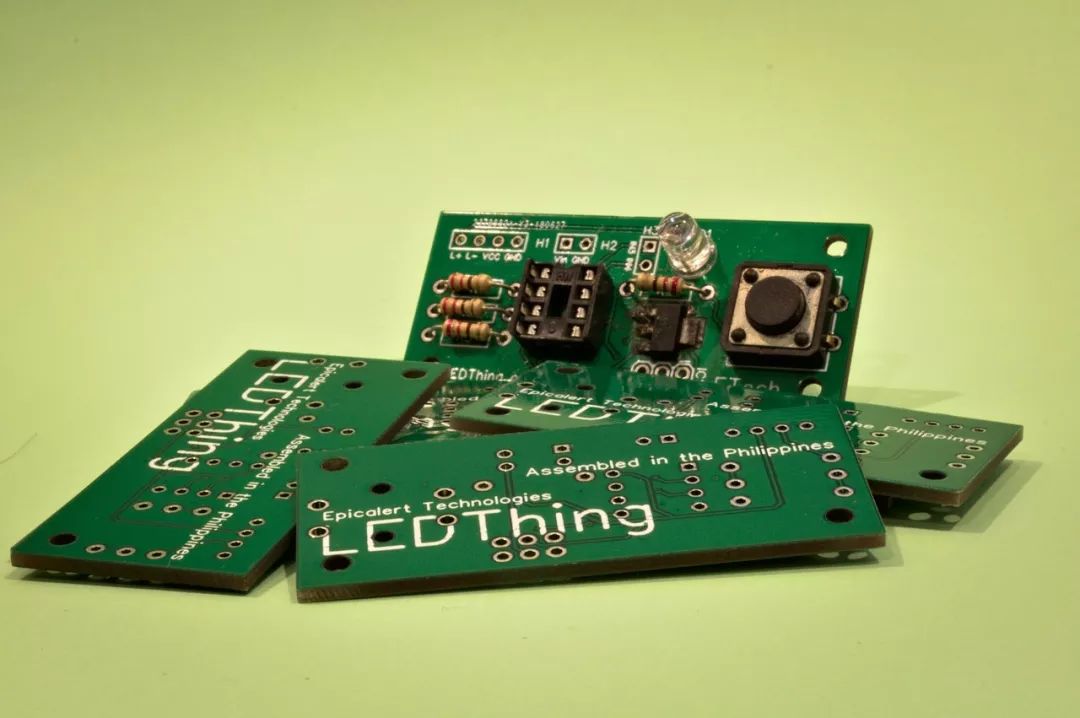
From the above introduction, we can see that PCBA generally refers to a processing flow and can be understood as a finished circuit board. Only after all processes on the PCB are completed can it be considered PCBA. In contrast, PCB refers to a bare printed circuit board without any components.
In summary: PCBA is a finished board; PCB is a bare board.

(Images and text organized from the internet, copyright belongs to the original author)

Understanding the Difference Between PCB and PCBA

Want to expand and enhance your hardware skills? Want to increase your competitiveness in the workplace? Why not start by learning schematic design? Scan (recognize) the following QR code to learn the OrCAD schematic design practical course: “4 Weeks to Learn Schematic Design through VR” on Tencent Classroom.

Understanding the Difference Between PCB and PCBA

▲ Scan to listen to the “4 Weeks to Learn Schematic Design” course

Leave a Comment