First, we need to understand what packaging is, which refers to the casing installed on semiconductor integrated circuit chips. It serves to place, fix, seal, protect the chip, and enhance thermal performance, while also acting as a bridge between the internal world of the chip and the external circuit, allowing for different appearances based on customer requirements.
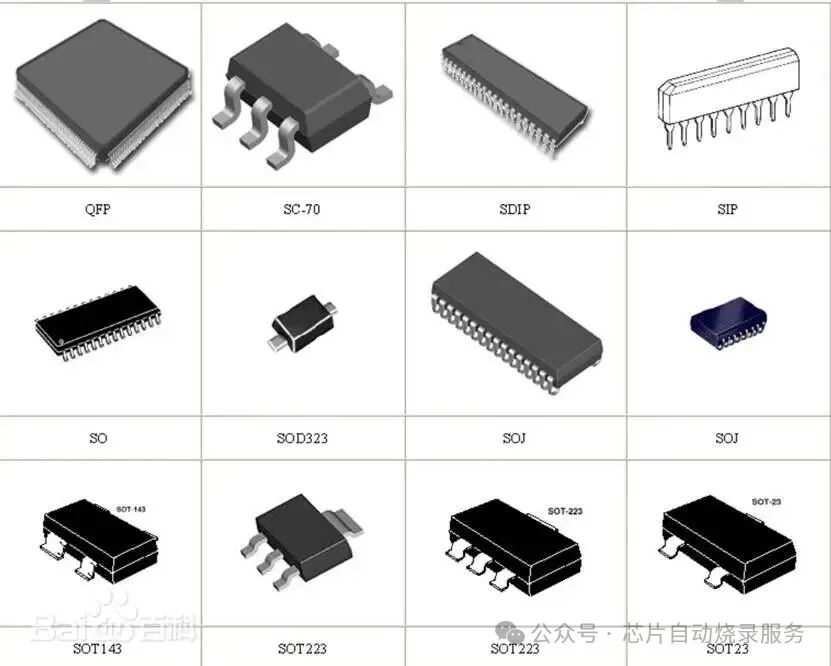
More importantly, sometimes the same chip model can have several dozen types of packaging.
This is one of the most important pieces of information we must confirm with the customer before programming.
What is the chip model?
What is the chip packaging?
What is the packaging of the incoming materials?
These three questions are the basis for determining whether our company can program immediately or if we need time to prepare.
So, what are the common types of packaging in our programming industry?
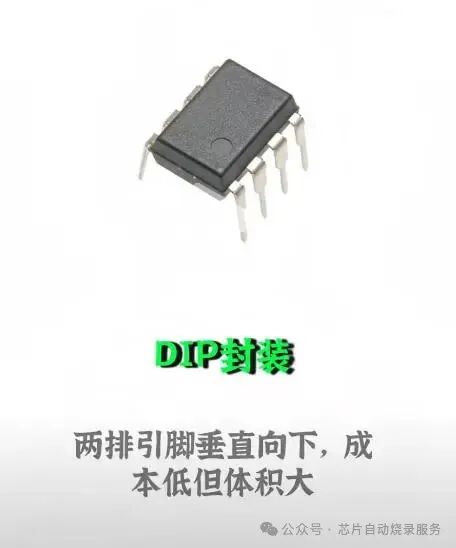
DIP (Dual Inline-pin Package) refers to integrated circuit chips packaged in a dual-row through-hole format, which is low-cost but has a large size.
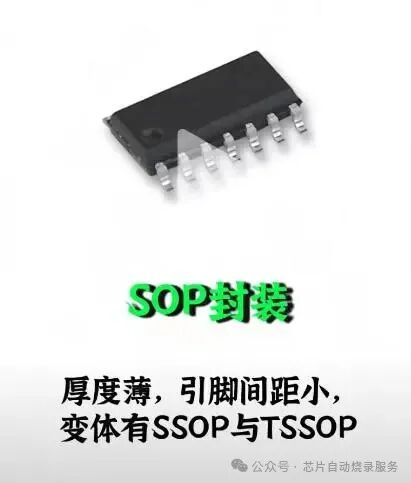
SOP (Small Out-Line Package) is one of the most common component packaging forms.
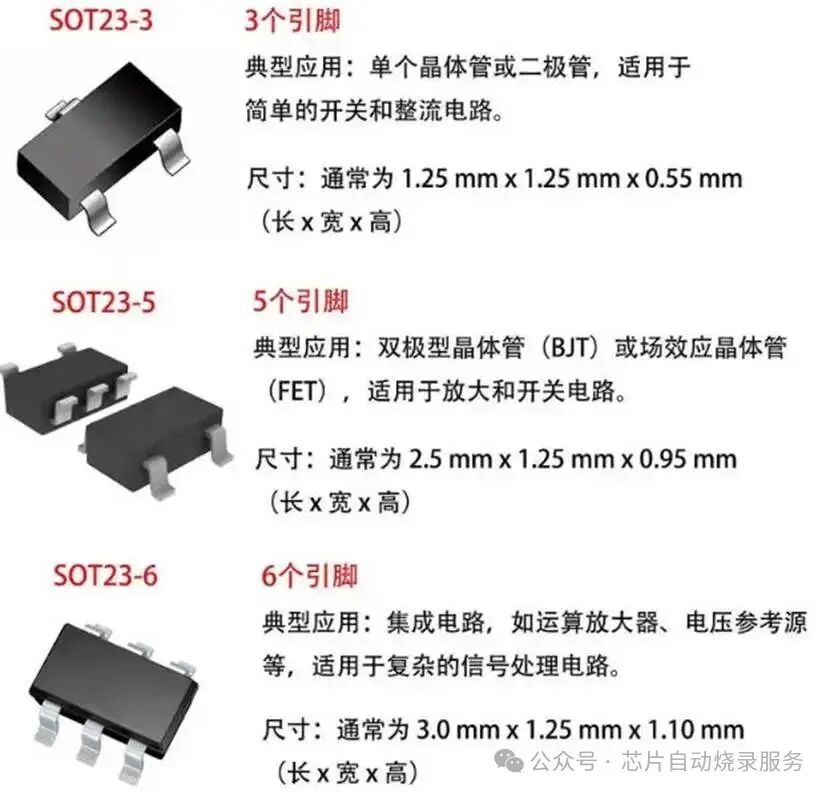
SOP packaging has a wide range of applications, is thin, has a small pin pitch, and has gradually derived into SOJ (J-type small outline package), TSOP (thin small outline package), VSOP (very small outline package), SSOP (shrink small outline package), TSSOP (thin shrink small outline package), and SOT (small outline transistor), SOIC (small outline integrated circuit), all of which play a crucial role in integrated circuits.
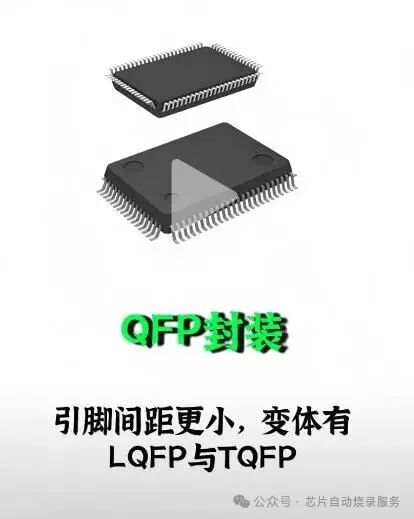
QFP (Quad Flat Package) technology allows for very small distances between CPU chip pins, with fine leads. This packaging form is generally used for large-scale or ultra-large-scale integrated circuits, with pin counts typically exceeding 100. The largest chip we need to program so far is LQFP176, which is much larger than a one-yuan coin.
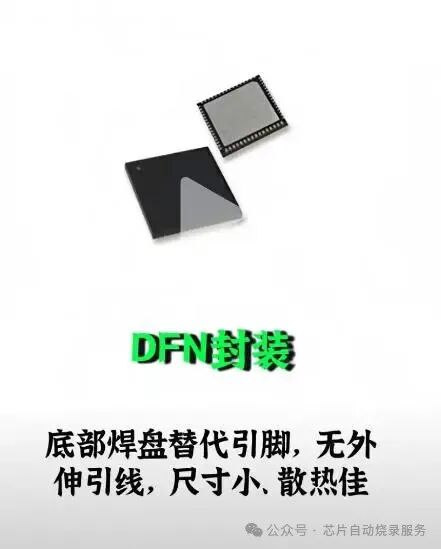
QFN (Quad Flat No-leads Package), DFN is similar to QFN, being of the same type. Its main feature is that the pads on the bottom replace the leads, making it small with excellent heat dissipation.
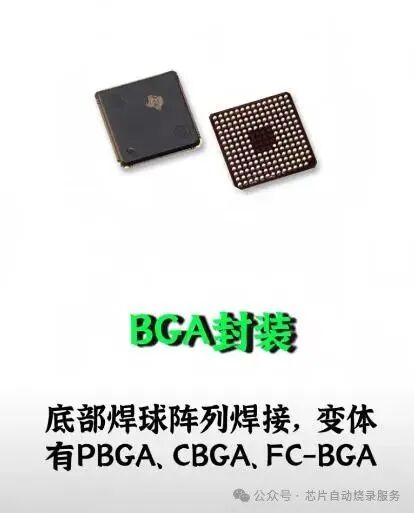
BGA (Ball Grid Array Package) has a smaller size, better heat dissipation, and electrical performance compared to SOP. For us, this means significantly higher costs for programming.
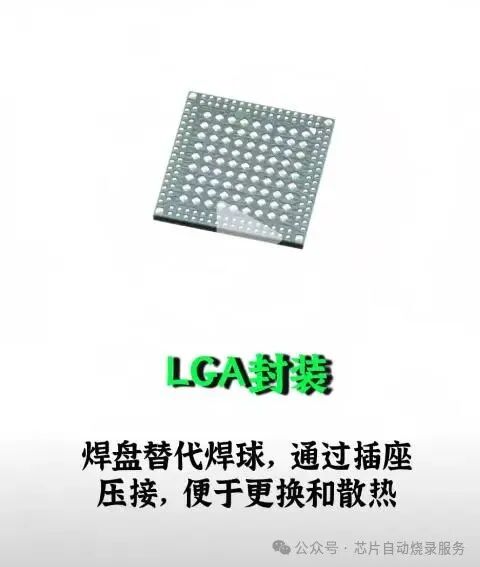
LGA stands for Land Grid Array, which has a shape similar to BGA.
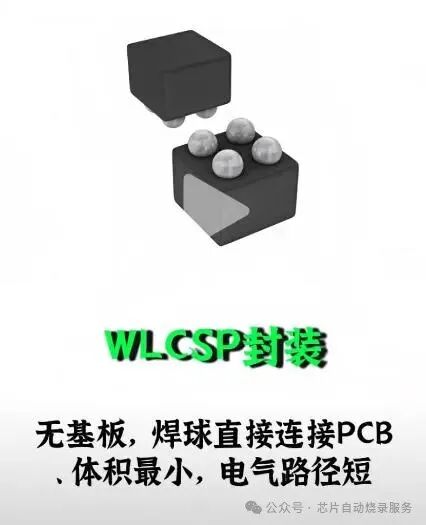
WLCSP (Wafer Level Chip Scale Packaging) is the smallest packaging method for original chip sizes. Unlike traditional chip packaging methods (which cut and then package, increasing the original chip volume by at least 20%), this latest technology packages and tests on the entire wafer before cutting into individual IC particles, thus the packaged volume is equivalent to the original size of the IC bare chip. This type of packaging is becoming increasingly popular, with larger volumes, and higher demands on our programming equipment.
Learn the basics, understand the underlying logic, and programming is actually very simple!!!