What sparks can be ignited when 3D printing technology meets sustainable architecture, and when classroom educational theories collide with real competition projects? At the 2018 China International Solar Decathlon, a building named “Lotus House” made a stunning debut—it is not only the first competition house built using 3D printing technology but also embodies a deep reflection by an architecture professor on the future of architectural education.
Today, a comprehensive documentary book that records its birth process fully presents this story of integrating innovative technology with educational concepts.
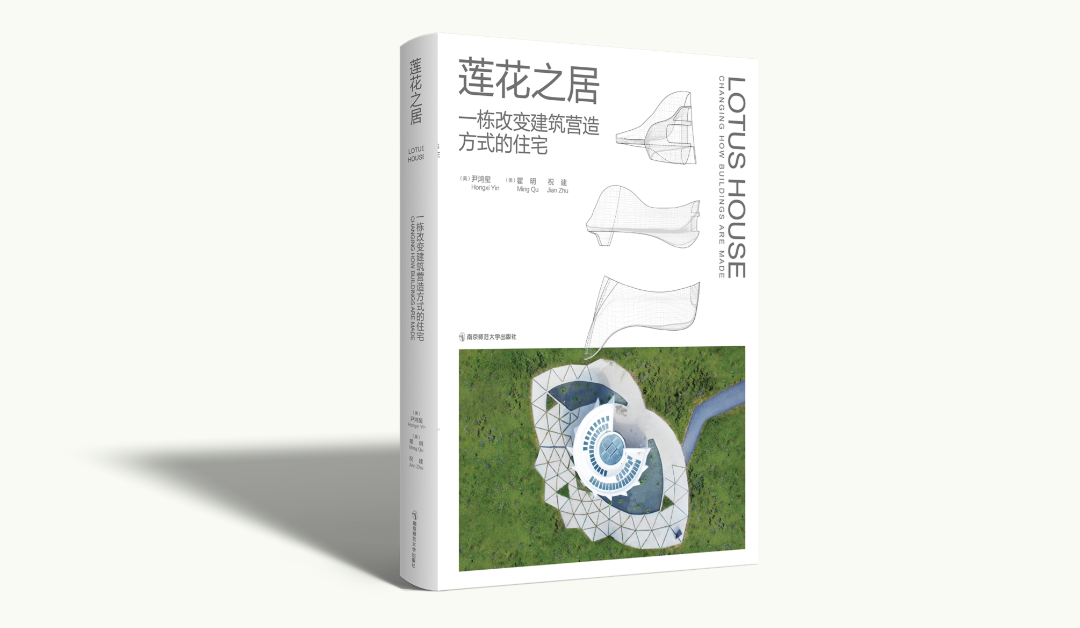
“Lotus House: A Residence Changing Construction Methods”
▲ Click the cover to purchase

“Lotus House” is a net-zero energy sustainable solar residence built for the 2018 China International Solar Decathlon, designed by Professor Yin Hongxi and his student team from Washington University in St. Louis, and constructed with the collaborative efforts of various sectors of society.
The design inspiration for this building comes from the elegant form of the lotus in Chinese traditional culture and the layout of traditional Chinese courtyards, creating an approximately 60-square-meter organic-shaped single-story residence. It employs advanced additive manufacturing (3D printing) technology and is a model of large-scale customized prefabricated construction.
After the competition, this innovative building has permanently settled at Nanjing Beilida New Materials System Engineering Co., Ltd., becoming a permanent landmark of the fusion of technology and art.

“Cultivating architects who can use critical thinking and design-construction integrated thinking to lead sustainable human habitation,” is the teaching philosophy that Professor Yin Hongxi repeatedly emphasizes in the book. The Lotus House project is a “practical classroom” for this philosophy.
Unlike the traditional architectural education model of “heavy on design, light on construction,” Professor Yin led students to participate in the project throughout: discussing conceptual designs in class, exploring template prefabrication in the factory, and solving construction challenges on-site. The “education” chapter in the book deeply analyzes this innovative teaching model—integrating the entire school curriculum with industry resources through knowledge assessment models and design-construction thinking frameworks, allowing students to enhance their design skills and technical understanding while learning teamwork, leadership, and stress management in the face of real issues such as funding shortages and technical challenges.
As recorded in the book, students transformed from “draftsmen” to “project promoters”: coordinating with Shanghai Taida Architectural Technology Co., Ltd. for steel structure optimization, collaborating with Nanjing Beilida New Material Technology Co., Ltd. for prefabricated product production, and even working alongside workers from Shandong Dexing Group during construction. These experiences laid a solid foundation for their future careers.

This book dedicates an entire chapter to meticulously showcasing the application details of 3D printing technology in architecture, comparing it with traditional mold manufacturing methods, revealing its significant advantages:
01 Easily achieve complex organic shapes that are difficult to accomplish with traditional craftsmanship.02 Achieve large-scale customized production, reducing material waste.03
Introduce laser scanning monitoring technology to ensure precision in manufacturing and installation.
The book provides a detailed comparison of various production methods, including handmade wooden templates, CNC foam templates, and polymer-based 3D printed templates, making it a miniature “digital construction practical manual.”
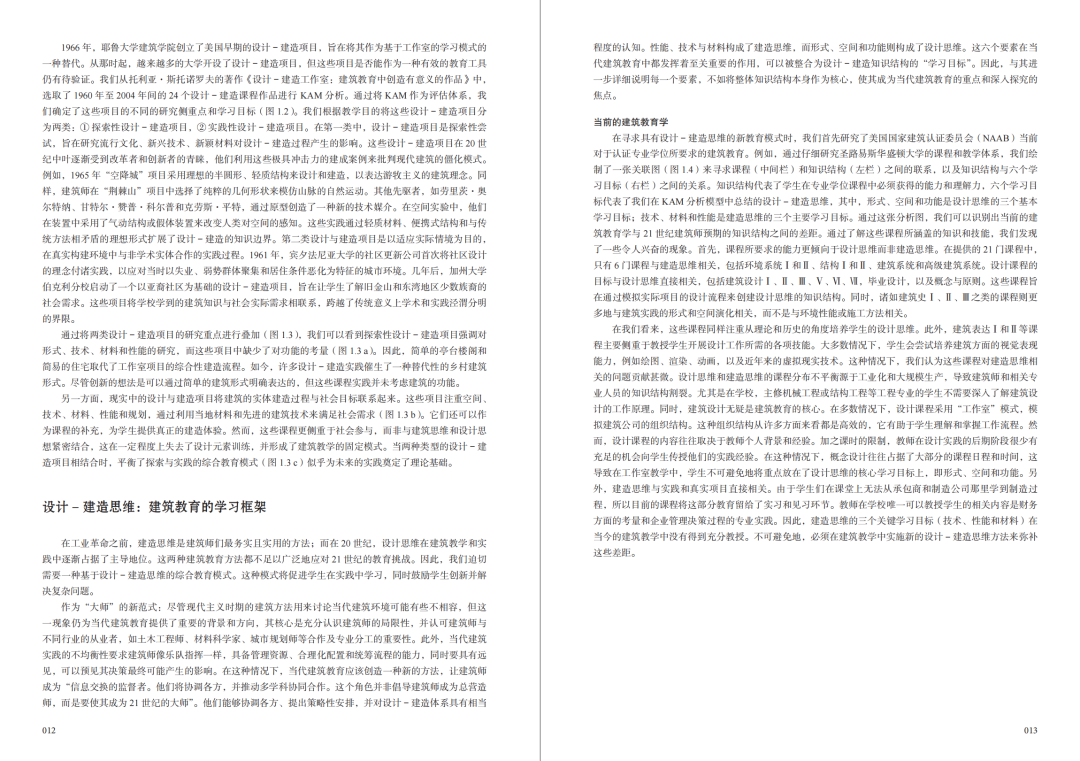
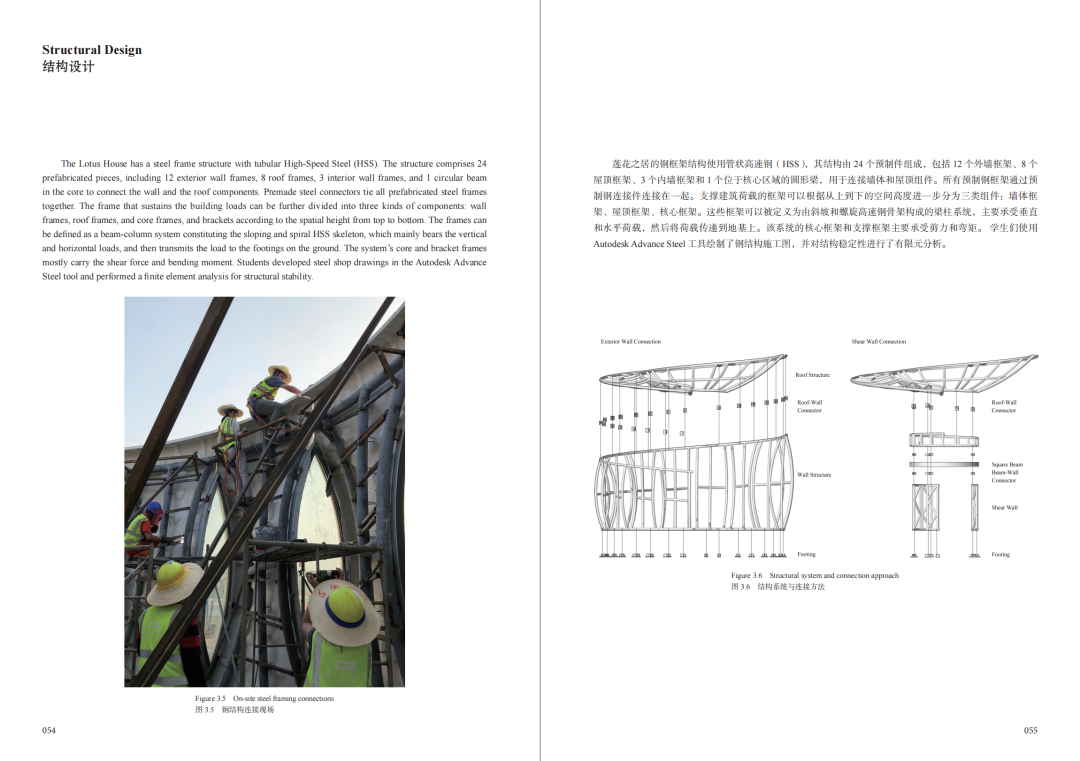
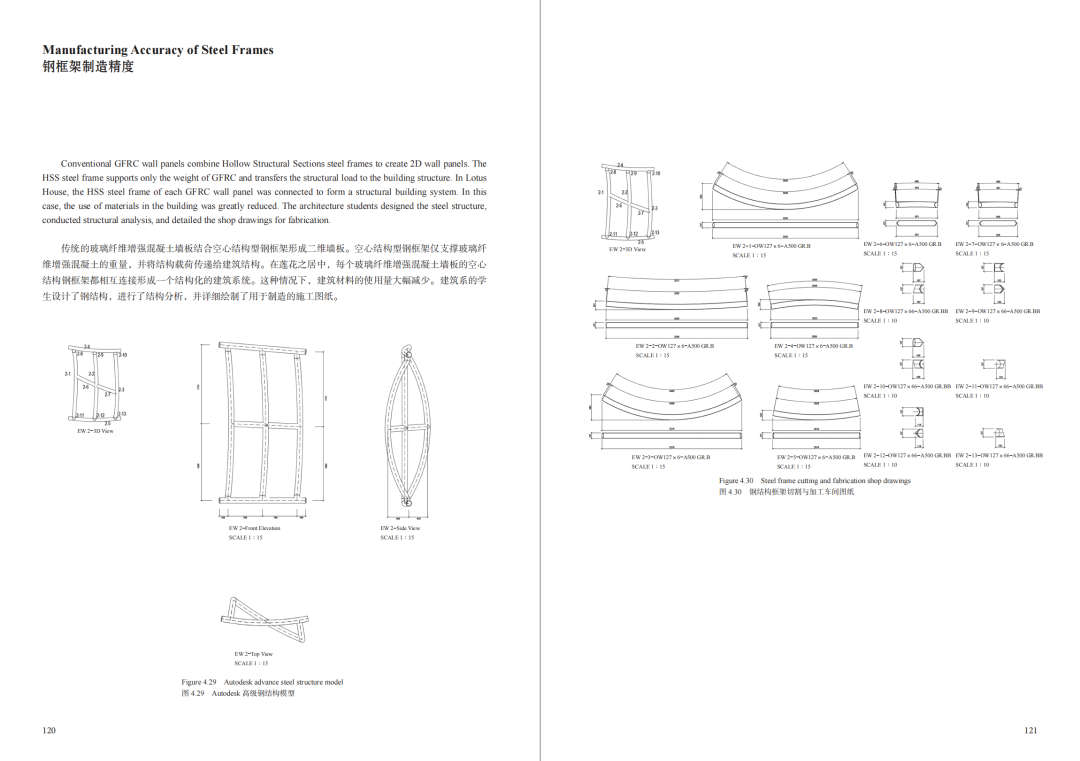
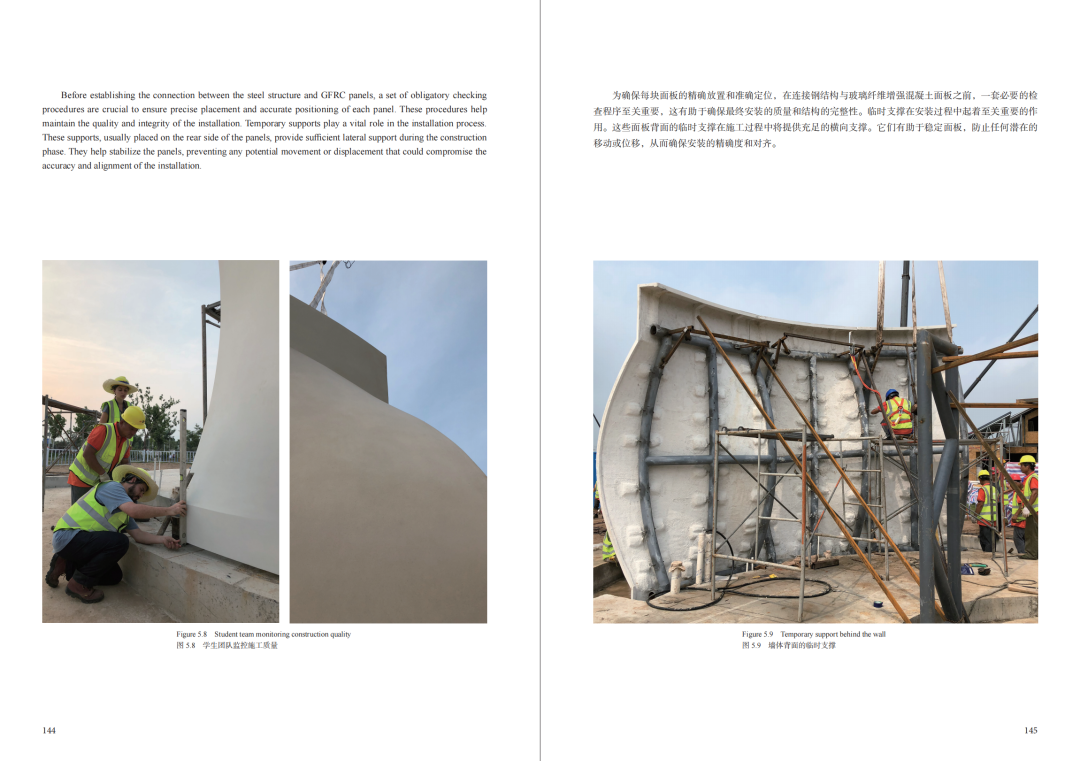 ▲ Zoom in to view sample chapters of this book
This documentary book is by no means a simple “project record.” It centers on the Lotus House and extends three dimensions of value:
Technical Dimension:
A detailed breakdown of the application details of 3D printing in architecture, from template prefabrication to laser scanning monitoring, providing the industry with reference technical cases;
Educational Dimension:
Through Professor Yin Hongxi’s teaching practice, it explores how architectural education can break the barriers between theory and practice, providing new ideas for cultivating the next generation of architects;
Industry Dimension:
Documenting the collaborative process behind the project involving enterprises, universities, and competition organizing committees, showcasing the development trends in green buildings and net-zero energy buildings.
The book includes a special chapter on “Curriculum Extension,” discussing how large language models can drive building information modeling, thereby changing manufacturing and assembly design, allowing readers to see the potential of the integration of architectural technology and cutting-edge technology. Whether you are an architectural practitioner, an educator, or a reader interested in 3D printing and sustainable architecture, you will find inspiration from it.
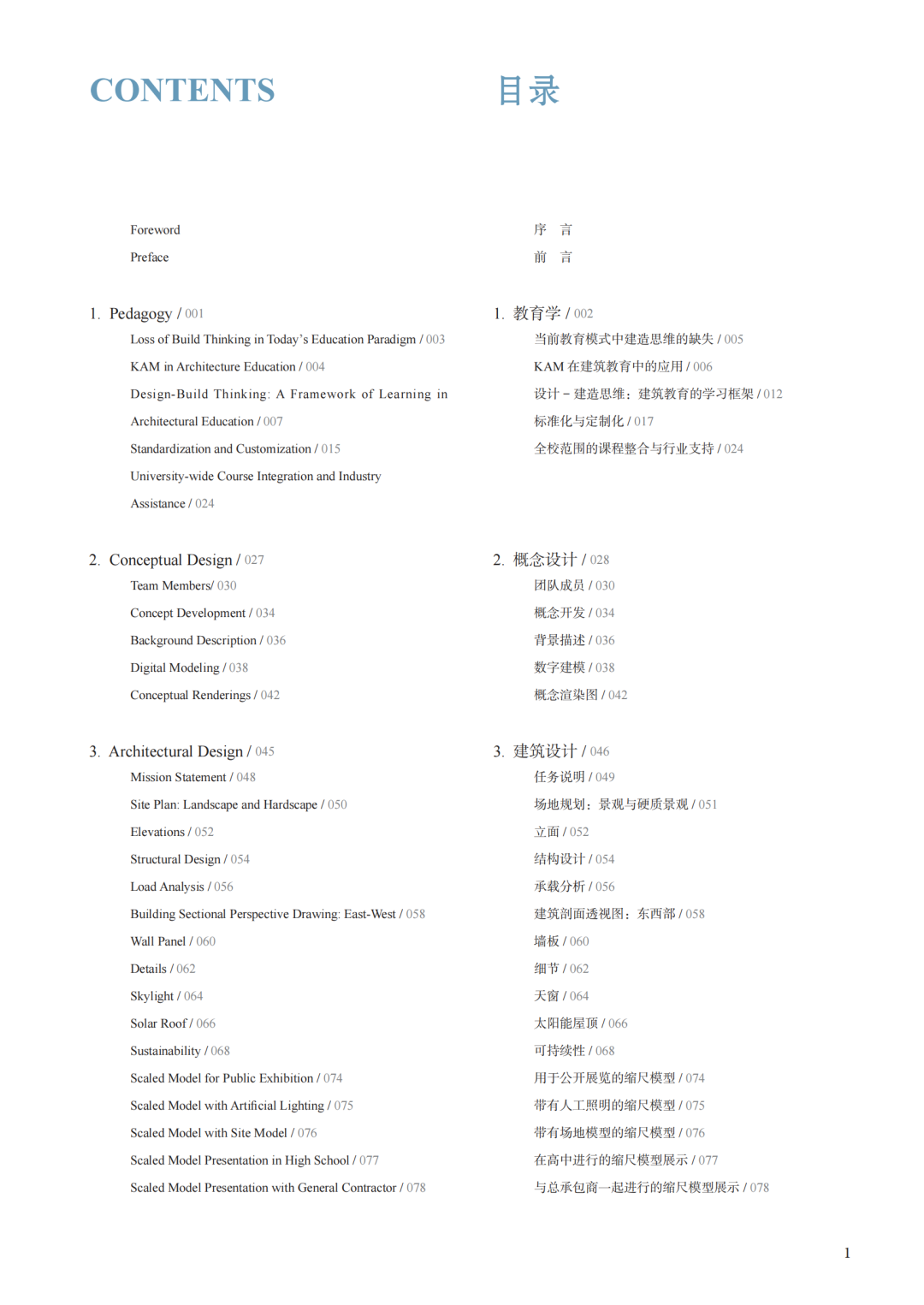
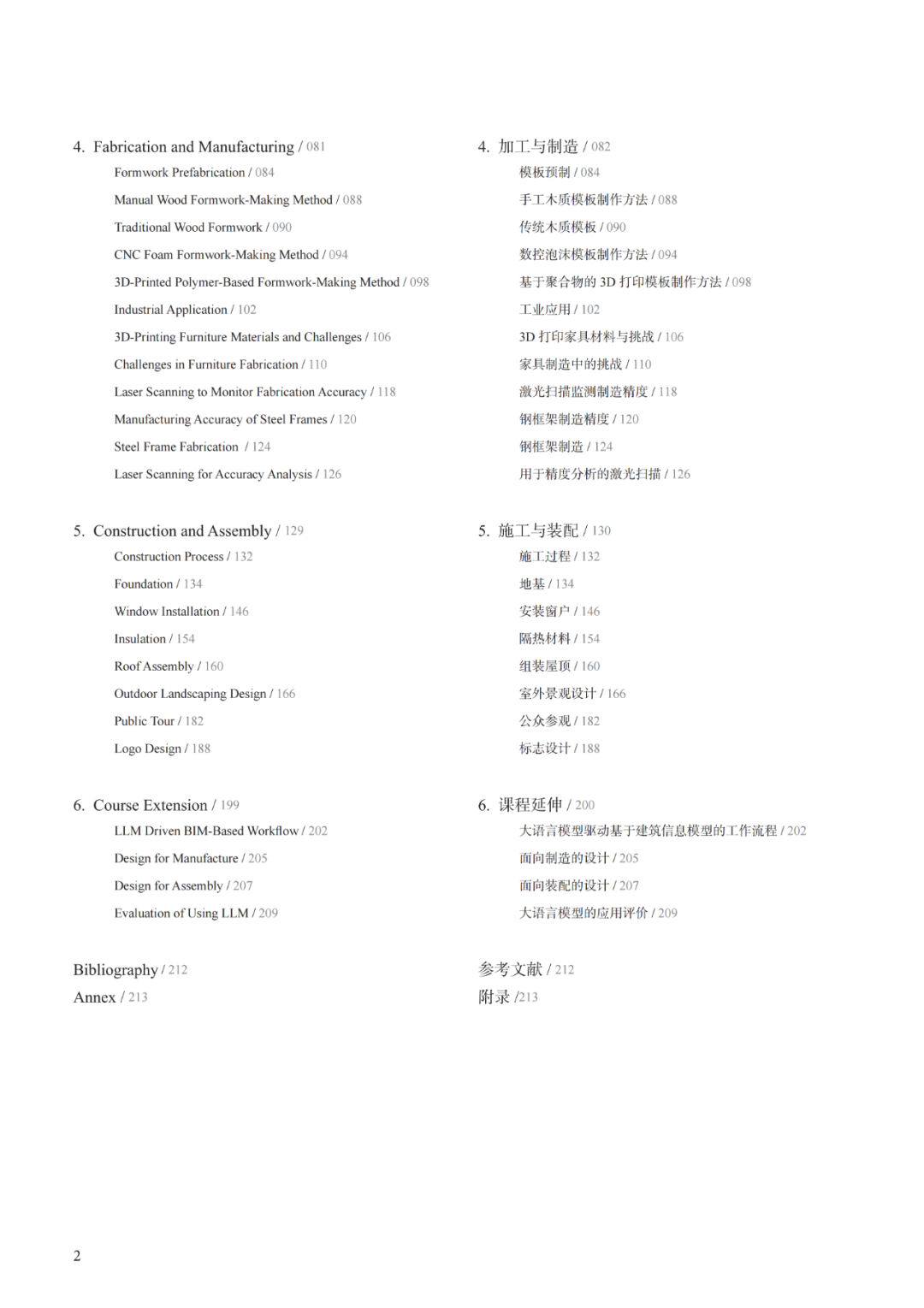 ▲ Swipe left/right to zoom in and view the book’s table of contents“Lotus House” is not just a history of the birth of a building, but an exploration of architectural education and technological innovation. When you open this book, you will see not only design drawings and construction photos but also the efforts of a group of people for “sustainable and healthy human habitation”—the students’ hard work day and night, the commitment of supporting enterprises, and the dedication of educators.
Today, the Solar Decathlon has been held in China for many years, and the design-construction thinking has profoundly influenced architectural education in China and the United States. The Lotus House, like a seed, is nurturing more possibilities for innovation and the future in the soil of the architectural industry. This documentary book is the best testament to this possibility.
 Long press to scan the code to purchase this bookOfficial WeChat Store: NNUPRESS🏙This issue’s text and images contributed by: He Lijuan
Produced by: Yuan Kun | Reviewed by: Xu Xiao | Final Review: Zhang Peng
Nanjing Normal University Press–