Tsinghua University researchers recently announced that they have developed a new application for 3D printing that could change the way doctors study and treat kidney cancer. The research team developed a method for bioprinting kidney tumors directly from patient cells. This creates a hyper-realistic model that replicates the complex environment of the tumor in vivo.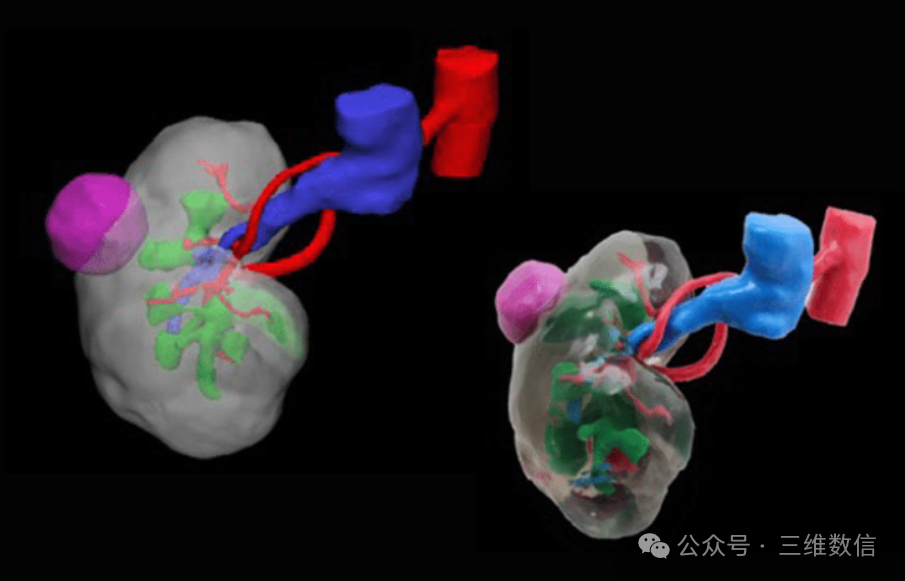 Their work was recently published in the journal Biofabrication, where they demonstrated the process and how bioprinting can combine tumor cells with supportive cell types. Additionally, bioprinting can create structures similar to blood vessels. These printed tumors, known as organoids, replicate the exact characteristics of the patient’s cancer. This provides a more accurate tool for research and treatment testing compared to traditional laboratory models.Kidney cancer, particularly renal cell carcinoma (RCC), has been on the rise recently. Treatment remains challenging as patients often respond differently to chemotherapy and targeted drugs. Tumors tend to mutate over time, leading to resistance and a higher risk of recurrence. Traditional laboratory models often fall short as they cannot fully capture the growth and response of tumors within the human body. This often makes it more difficult to determine effective treatment methods.The Tsinghua team is attempting to address this shortcoming through targeted bioprinting. The printed organoids retain the genetic and structural characteristics of the original tumor, allowing scientists to test various therapies in a controlled environment. This also reduces reliance on time-consuming manual techniques, enabling faster evaluation of treatment strategies.Dr. Yuan Pang, a co-author of the study, noted: “This new method could greatly improve the way we study kidney cancer and develop personalized treatment options for patients. The rapid production of organoids will allow for quicker identification of suitable treatments for individual patients. With faster results and more reliable models, 3D printed tumor models can help improve survival rates and guide the development of new therapies.”