Introduction:The 3D printing innovator ventures into music! Opening a custom guitar shop, relying on 3D printing to create unique designs, having produced 116 3D printed guitars over 14 years.Recently, Professor Olaf Diegel of the University of Auckland, a specialist in additive manufacturing, made a significant move: he officially launched his custom 3D printed guitar shop, “ODD Guitars.”
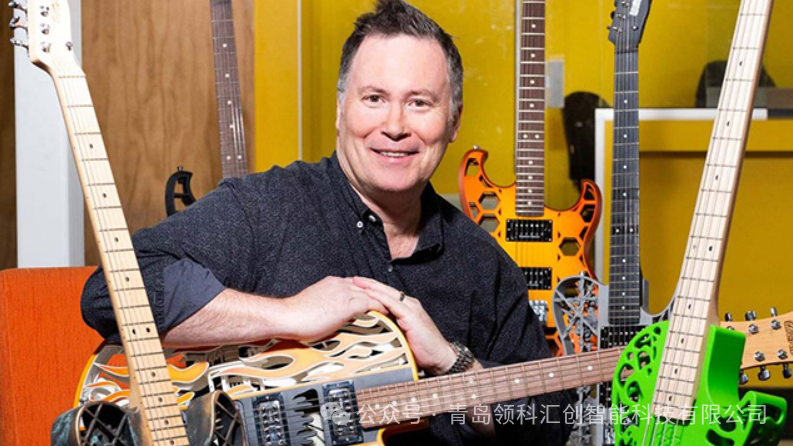
It may seem surprising for a university professor to open a guitar shop. However, in his words, this is not just about opening a store, but about “showing everyone that additive manufacturing is not a future concept; it can create practical and creative products right now.”
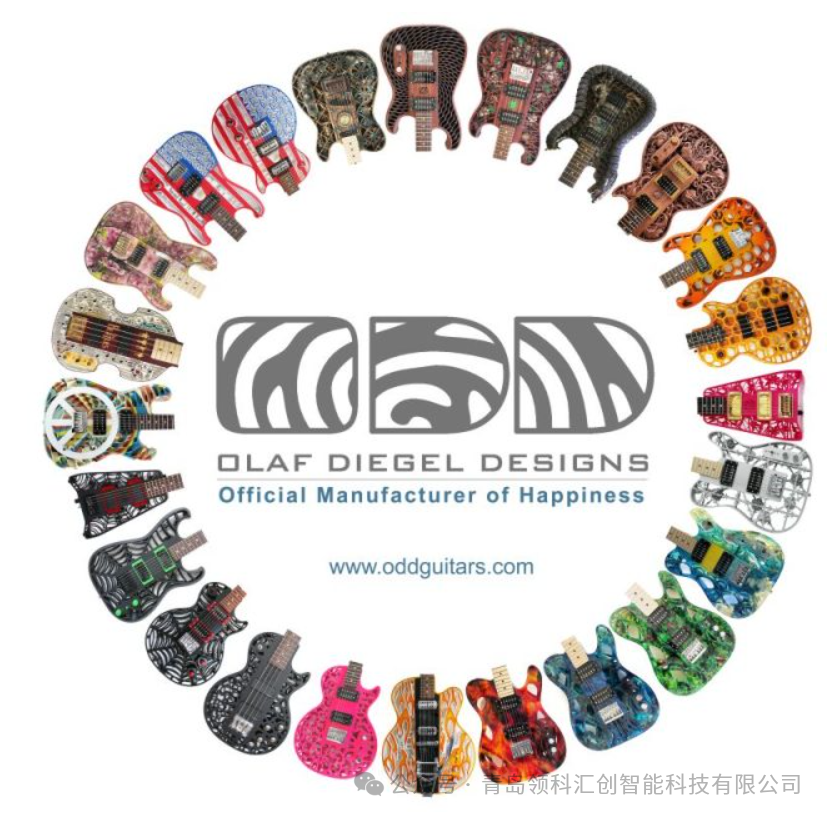
3D printing creates “non-traditional guitar bodies,” maximizing customization.Stepping into the world of ODD Guitars, the most eye-catching aspect is the guitars that “look different.” The unique 3D printed guitars showcased here achieve a perfect blend of art and advanced manufacturing technology.
1. “Complex Structures” Only Possible with 3D Printing
Customers can freely choose the guitar body design: for example, intricate lattice patterns or sculptural complex designs that cannot be achieved through traditional carving or machining! For instance, some guitar body frames hide layers of intricate patterns, making them both lightweight and sturdy, while also providing a unique visual impact.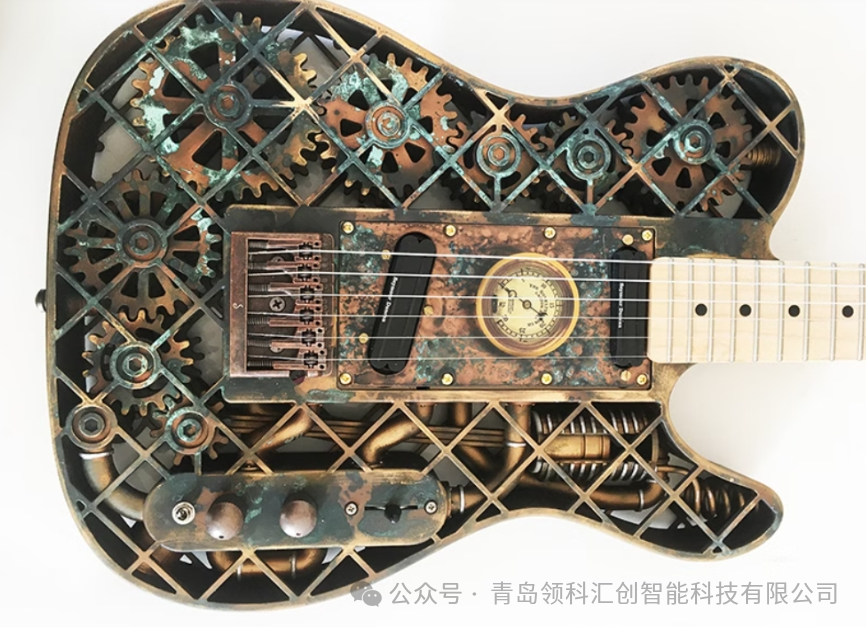
2. Reliable and Customizable Hardware for MusiciansDon’t worry about the technology being flashy but impractical! The core components of the guitar—bridge, neck, pickups, and tuning knobs—are all made from high-quality off-the-shelf parts, ensuring they play as well as traditional guitars with stable sound quality. Moreover, buyers can choose most of the hardware components themselves; for example, if they want a richer tone, they can switch out the pickups, fully customizing to their needs.
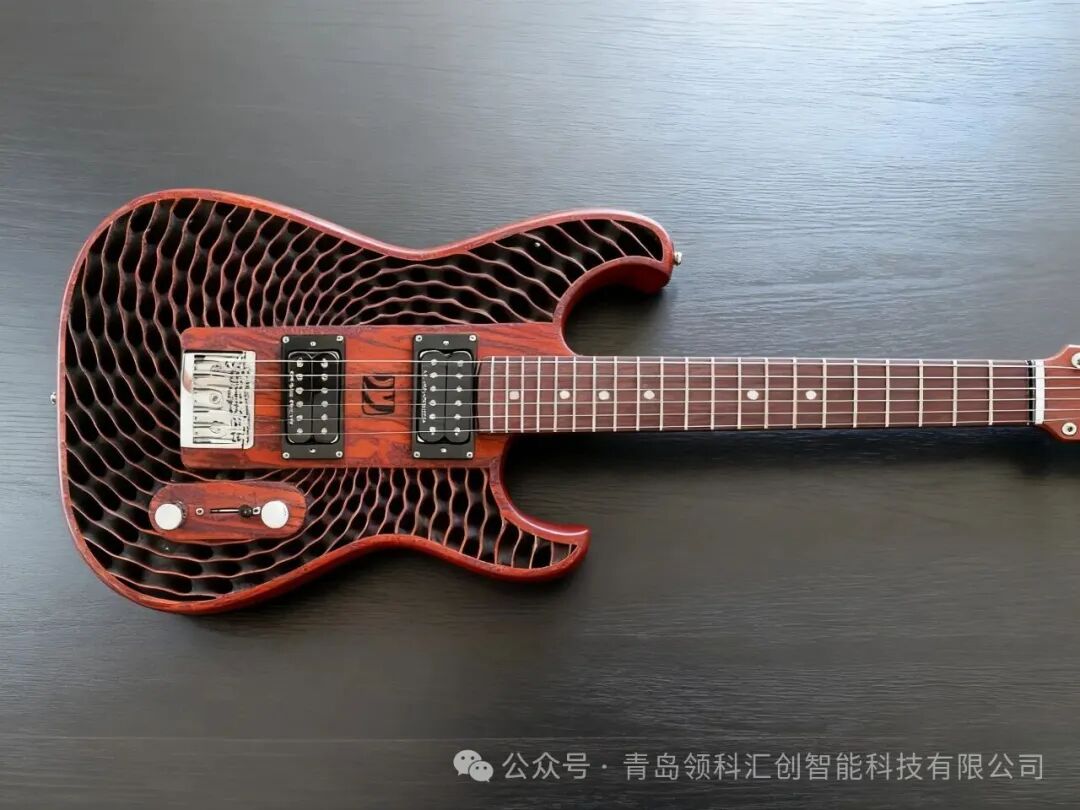
From a single article to 116 guitars, achieving new heights in technology over 14 yearsProfessor Diegel’s journey into 3D printed guitars began out of “curiosity.” In 2011, he read an article in The Economist about “3D printing a Stradivarius violin” and suddenly had a breakthrough idea: “If we can print violins, can we make a sturdy electric guitar that can be played normally?”
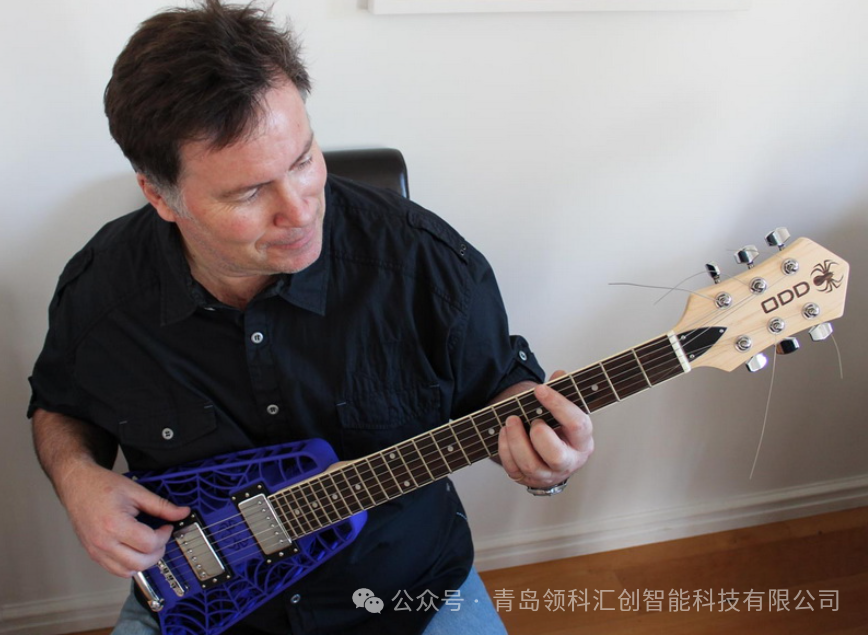
He acted quickly, producing the first prototype guitar—and the result was stunning: the sound quality was on par with traditional guitars, and the flexibility of 3D printing allowed for limitless design possibilities! Since then, he hasn’t stopped, and to date, he has created 116 guitars, utilizing 3D printing technologies that include polymer powder bed fusion, metal powder bed fusion (selective laser melting), full-color material jetting, and even binder jetting technology combined with wood particles.
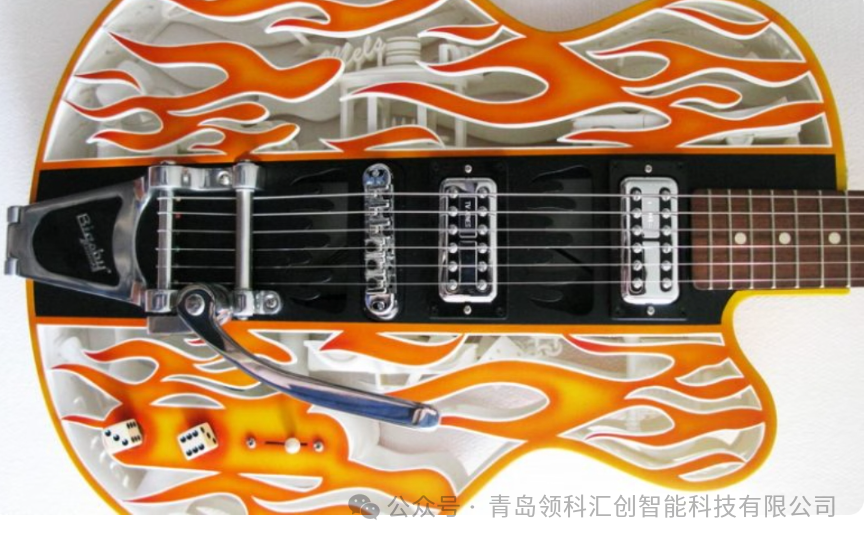
This is a “living showroom” of 3D printingFor Professor Diegel, the ODD guitar shop is not just a business. He wants to show through these guitars that when additive manufacturing meets creativity and exquisite craftsmanship, it can spark tremendous innovation. For example, a seemingly simple guitar hides a series of technical details such as material selection, structural design, and printing parameter adjustments; each one is a combination of “technology + art.”Just like his teaching philosophy at the University of Auckland: additive manufacturing is not just a tool for industrial production; it can also shine in the consumer goods sector—this guitar shop is the best proof.
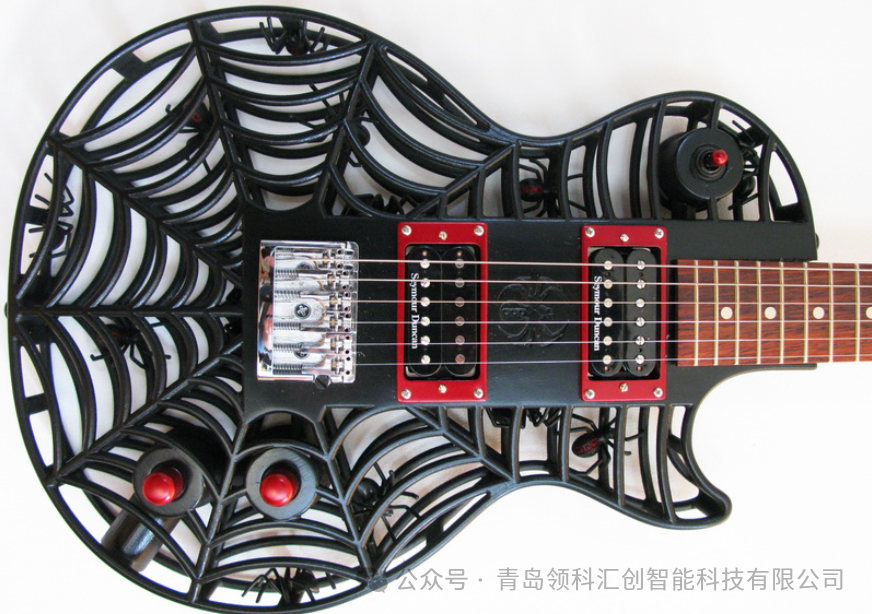
Professor Diegel’s cross-industry venture brings the “innovative gene” of 3D printing to life! Previously, people thought 3D printing was somewhat distant from daily life, but now it can create playable guitars, medical devices that can heal, and even parts that can go to space. This 3D printed guitar is not just a musical instrument; it is a living advertisement for what 3D printing can achieve.
This article is reprinted from“Antarctic Bear 3D Printing Network.” If you find any content on this website that infringes your intellectual property rights, please contact us, and we will promptly modify or delete it..