
Magnetic microrobots hold great potential in drug delivery, disease diagnosis, and minimally invasive surgery. However, two key challenges hinder their clinical translation: the first is achieving scalable and precise manufacturing, and the second is enabling non-invasive imaging and tracking within deep biological tissues. Magnetic Particle Imaging (MPI), as a cutting-edge safe imaging technology, addresses these challenges by detecting the magnetization strength of nanoparticles and visualizing superparamagnetic nanoparticles (SPIONs) with sub-millimeter resolution. This imaging is unaffected by biological tissue, making MPI an ideal tool for tracking magnetic microrobots in deep tissue environments.
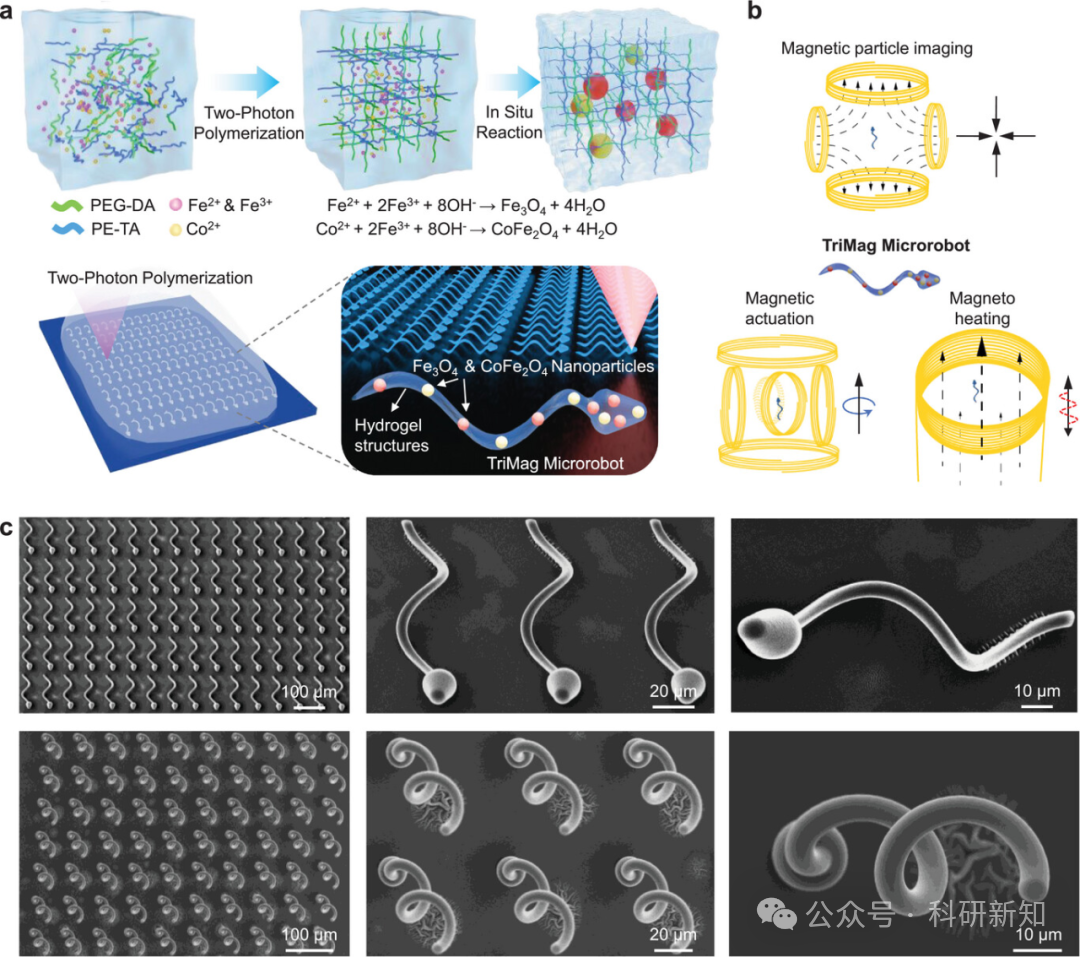 Figure 1: TriMag Microrobot Nano-manufacturing and Functionalization
This study introduces the “TriMag” microrobot: a micro-nano 3D-printed microrobot with three integrated magnetic functions—magnetic actuation, magnetic particle imaging, and magnetic hyperthermia. The TriMag microrobot is manufactured using an innovative approach that combines two-photon lithography (for fabricating biocompatible hydrogel structures via two-photon micro-nano 3D printing) and in-situ chemical reactions (embedding Fe3O4 nanoparticles into the hydrogel scaffold for good MPI contrast and CoFe2O4 nanoparticles for efficient magnetic heating). This method enables scalable and precise manufacturing of helical magnetic hydrogel microrobots.
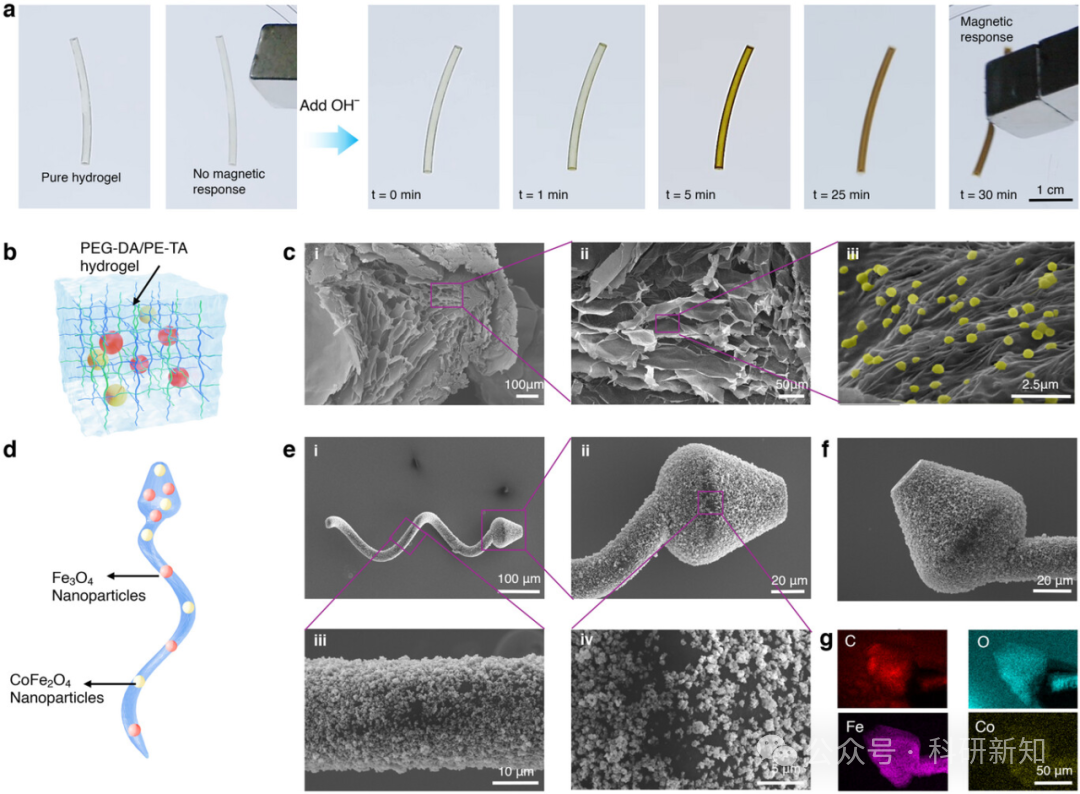 Figure 2: Functionalized Micro-nano 3D Printed TriMag Microrobot Morphology and Elemental Analysis
The resulting TriMag microrobots, leveraging the synergistic effects of Fe3O4 and CoFe2O4 nanoparticles, demonstrate the following capabilities: 1. Efficient magnetic actuation for controlled movement; 2. Precise imaging via MPI for imaging and tracking in biological fluids and organs (including porcine eyes and mouse stomachs); 3. Magnetic hyperthermia for tumor ablation in mouse models.
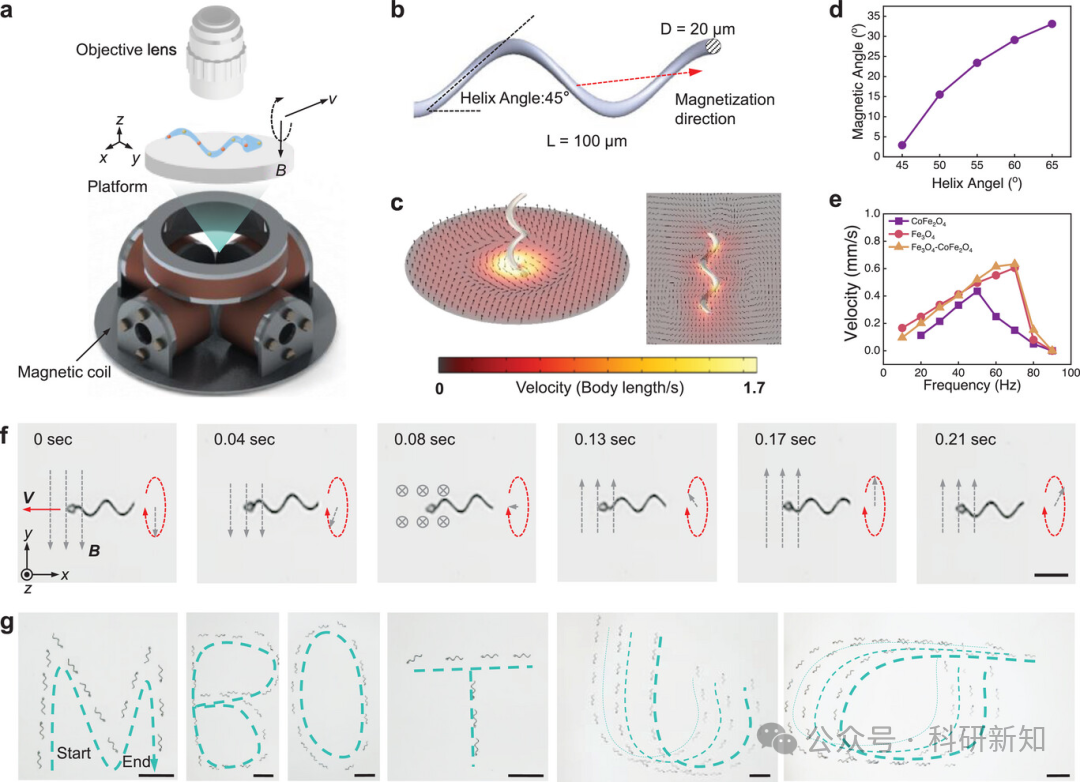 Figure 3: Driving Experiments of the TriMag Microrobot’s Three-Axis Magnetic Actuation System
By integrating these functions, this micro-nano 3D printing and in-situ chemical reaction manufacturing method and imaging approach provide a powerful platform for non-invasive monitoring and manipulation of microrobots, enabling transformative applications in medical and biological research.
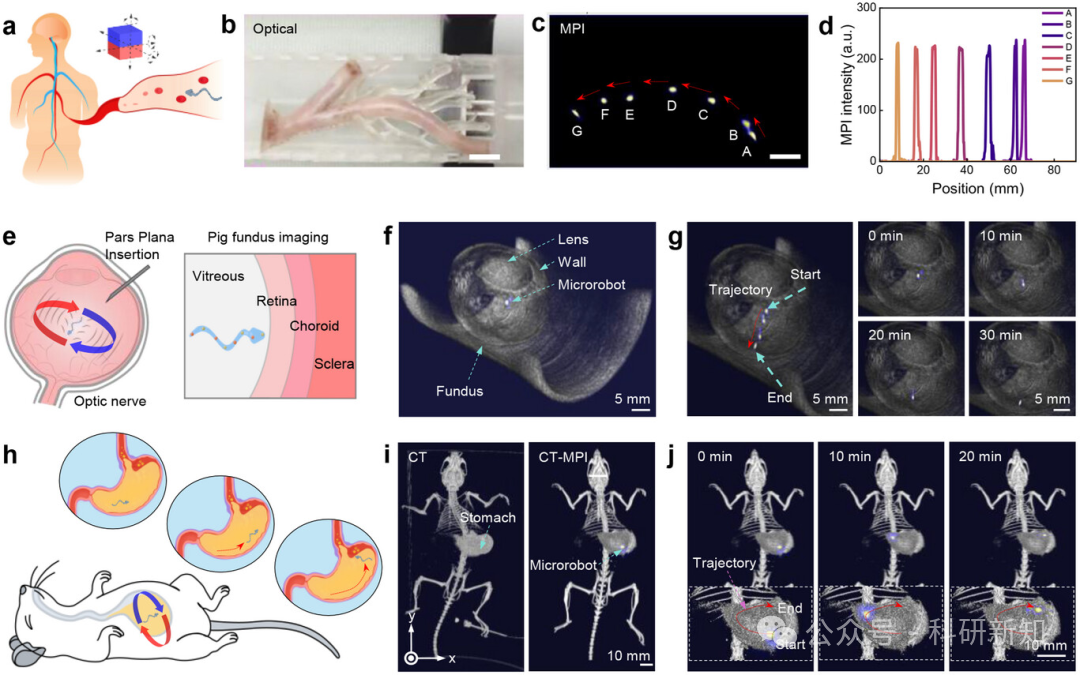 Figure 4: MPI Characterization of Materials and Microrobots
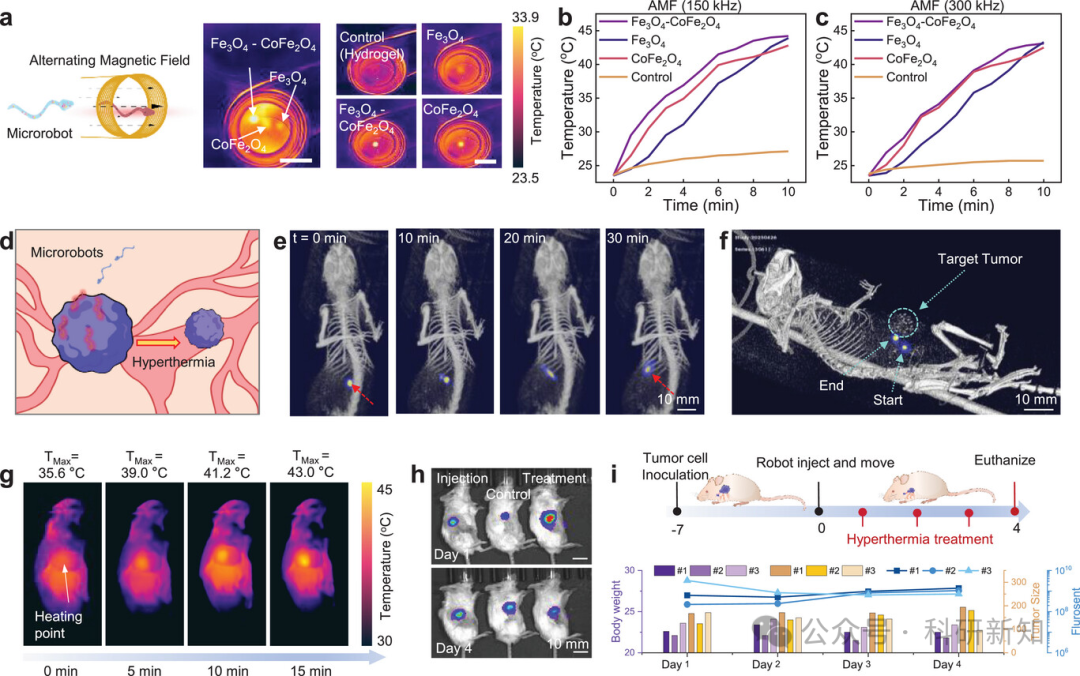 Figure 5: MPI Imaging of TriMag Microrobots in Biological TissuesFigure 6: Magnetic Hyperthermia Using TriMag MicrorobotsArticle Title:TriMag Microrobots: 3D-Printed Microrobots for Magnetic Actuation, Imaging, and HyperthermiaArticle Link:https://doi.org/10.1002/adma.202419708Disclaimer: This article is for educational purposes only. If there are any copyright issues with the videos, images, or text used in this article, or if the content is incorrect or inconsistent with the original journal article’s views and conclusions, please contact us promptly for modifications or deletions. We also welcome contributions, recommendations, and collaborations from researchers and science enthusiasts.