Click the above “Mechanical and Electronic Engineering Technology” to follow us
In the vast world of the electronics manufacturing industry, PCB (Printed Circuit Board) is undoubtedly the shining star. It is not only an indispensable component in electronic devices but also the bridge connecting various electronic components. However, during the production process of PCBs, engineers are often troubled by a headache-inducing issue known as ICD (Inner Connection Defects). Today, let’s discuss this alarming ICD issue in the PCB field, understand what it is, how it arises, and how we can tackle it.

What is ICD?
Simply put, ICD refers to issues with the connections between the inner layer circuits of a PCB, leading to poor electrical performance or even complete failure. Imagine if a bridge’s piers are not sturdy, or if there are cracks in the bridge deck; can this bridge still be safely crossed? The same principle applies: if the inner layer connections of a PCB are not reliable, the performance of the entire circuit board will be significantly compromised, or it may even become unusable.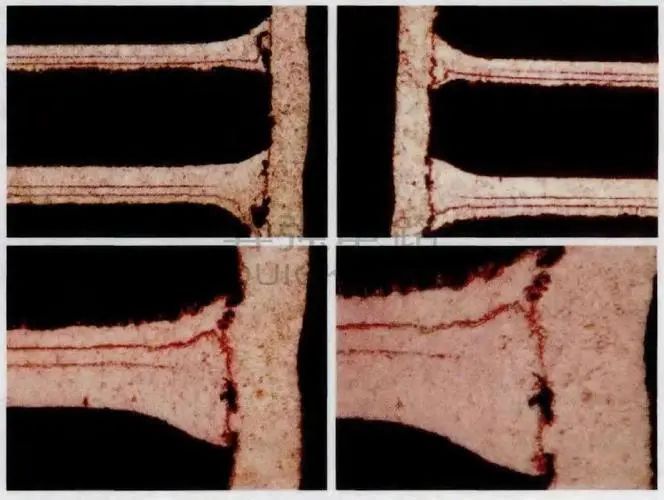
How Does ICD Occur?
The root cause of ICD issues often lies in the PCB manufacturing process, particularly in the drilling and de-gluing stages.Drilling Stage: The Resin “Furnace” at High TemperaturesDuring the drilling process of PCBs, the drill bit needs to rotate at high speed and penetrate the material to create through-holes for wire passage. However, this process is not always smooth. The drill bit generates extremely high temperatures while rotating at high speeds, sometimes exceeding 200°C. Such high temperatures can cause the resin material in the board to melt again, forming what is known as “glue residue.” This glue residue adheres stubbornly to the inner copper and hole walls, causing problems for subsequent production.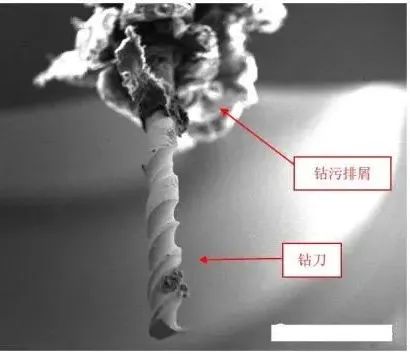 If the drilling parameters are not set correctly, such as using a dull drill bit or incorrect speeds, it can exacerbate friction between the drill bit and the board, generating more heat and glue residue. If this residue is not thoroughly removed, it can create an isolation layer during the subsequent plating process, obstructing effective connections between the inner copper and the plated copper, ultimately leading to ICD issues.De-gluing Stage: A Dual Challenge of Chemistry and PhysicsThe de-gluing stage after drilling is a critical step for removing glue residue and ensuring interconnections of the inner layer circuits. However, this stage is also fraught with challenges. Traditional chemical de-gluing methods can remove glue residue to some extent, but their effectiveness is often inadequate for high-frequency and high-speed materials. These materials, due to their high resin filler content and rigid physical properties, make the de-gluing process more difficult. Moreover, the parameters such as concentration, temperature, and time of the chemical agents used during de-gluing must be precisely controlled. Any deviation in these parameters can lead to incomplete or excessive de-gluing, which can trigger ICD issues. For example, if the concentration in the potassium permanganate bath is too low, it will not effectively break down the resin glue on the hole walls; conversely, if it is too high, it may corrode the base copper layer, causing new damage.
How Serious is the Impact of ICD?
ICD issues can not only affect the electrical performance of PCBs but also severely impact the overall quality and reliability of products. Minor ICD can lead to signal distortion, transmission delays, and other problems; while severe ICD can directly cause open circuits, short circuits, and other fatal failures, rendering the product inoperable. For high-frequency and high-speed materials, the impact of ICD issues is even more pronounced. These materials, known for their excellent electrical properties and heat resistance, are widely used in high-speed data transmission and wireless communication fields. However, once ICD issues arise, they can severely affect the quality and stability of signal transmission, potentially leading to total system failure.
How to Address ICD Issues?
In the face of ICD issues, we cannot stand idly by; we must take proactive and effective measures to address them.Optimize Drilling ParametersFirstly, we should reduce the generation of glue residue from the source. By optimizing drilling parameters, such as selecting the appropriate drill bit type and adjusting speeds and feed rates, we can reduce friction and heat between the drill bit and the board, thereby minimizing glue residue generation. Additionally, regularly inspecting and replacing drill bits to ensure their sharpness and precision is also an effective means to reduce glue residue.Improve De-gluing ProcessesSecondly, we need to focus on the de-gluing stage. Given the special characteristics of high-frequency and high-speed materials, we can adopt more advanced de-gluing processes, such as plasma de-gluing and ultrasonic-assisted de-gluing. These processes can more effectively remove glue residue from the hole walls while minimizing damage to the base copper layer. Furthermore, we need to strictly control all parameters during the de-gluing process, such as the concentration, temperature, and time of chemical agents, to ensure consistency and stability in de-gluing effectiveness.Enhance Quality Inspection and MonitoringFinally, we must strengthen quality inspection and monitoring. Through slice observation and electrical performance testing, we can comprehensively check the connection status of the inner layer circuits of PCBs, promptly identifying and addressing ICD issues. Additionally, establishing a complete quality traceability system to record and monitor every stage of the production process ensures that problems are traceable and resolvable.ConclusionICD issues are a significant concern in the PCB manufacturing process. They not only affect the electrical performance and reliability of products but also have a huge impact on the entire production workflow. Therefore, we must tackle ICD issues proactively by addressing critical stages such as drilling and de-gluing. Only by doing so can we ensure the quality and reliability of PCBs, contributing to the development of the electronics manufacturing industry.
Want to know more
Quickly scan the code to follow us