Sensors are the bridge connecting the physical world with digital systems. They perceive environmental parameters (such as position, pressure, light, etc.) and convert them into processable electrical signals, supporting modern industrial automation control and intelligent decision-making.

Below are the technical analyses of several core sensor types used in industrial automation:
1. Object Detection and Position Control Sensors
1. Photoelectric Switch
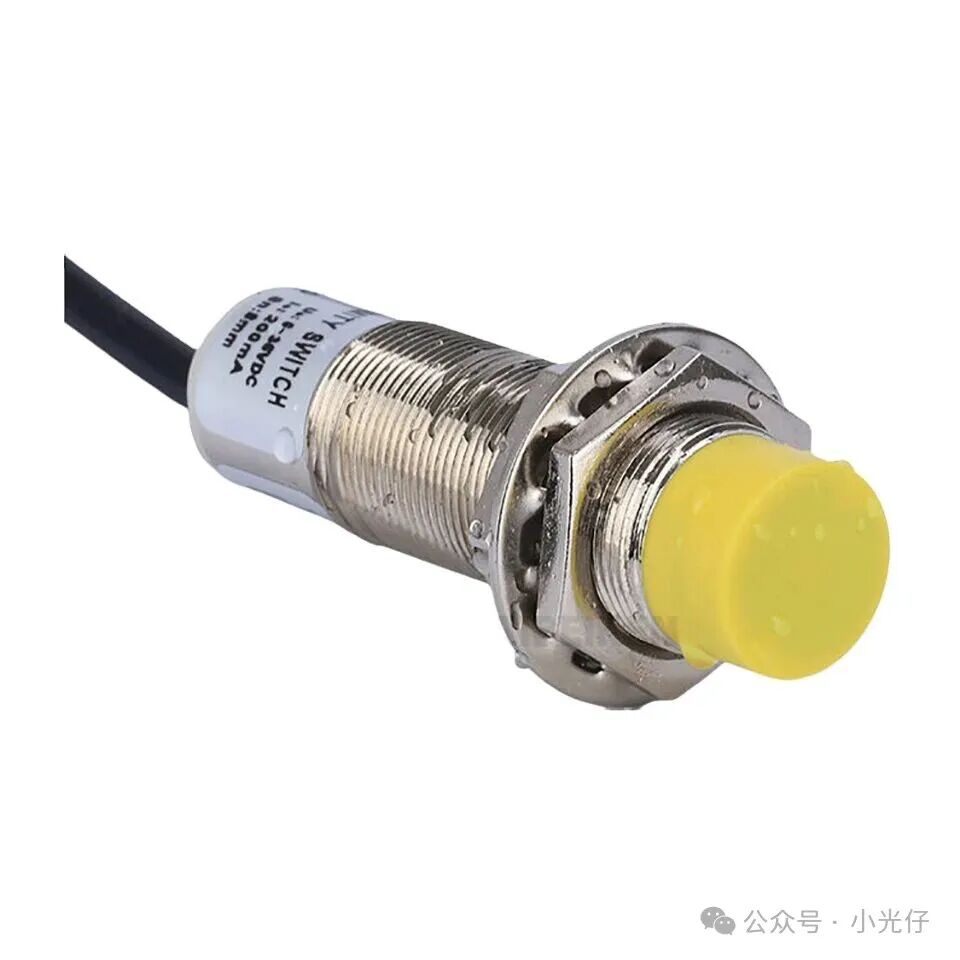
Principle: Utilizes the obstruction or reflection of a light beam by the detected object to connect the circuit through a synchronous loop.
Features: Non-contact detection.
Applications: Can detect any object that can reflect or obstruct light, including opaque objects, translucent objects, and even smoke.
2. Proximity Switch
Definition: An electronic switch (non-contact switch) that detects the position of an object without mechanical contact.
Performance: Combines the characteristics of limit switches and micro switches while possessing sensing capabilities.
Advantages: Reliable operation, fast response, high precision, and strong anti-interference ability. Features waterproof, shockproof, and corrosion-resistant properties, with a long service life.
3. Magnetic Switch
Principle: The core is to control the circuit’s on/off state by sensing changes in the magnetic field.
Types: Commonly available in single contact and double contact types.
Applications: Widely used in industrial automation, safety systems, automotive electronics, and home appliances, mainly for position detection, motion control, and equipment protection.
4. Ultrasonic Sensor
Principle: Emits high-frequency sound waves (>20kHz) and receives the reflected signals.
Features: Achieves non-contact detection of the environment or objects, unaffected by light.
2. Precision Measurement and Optical Sensors
5. Laser Sensor
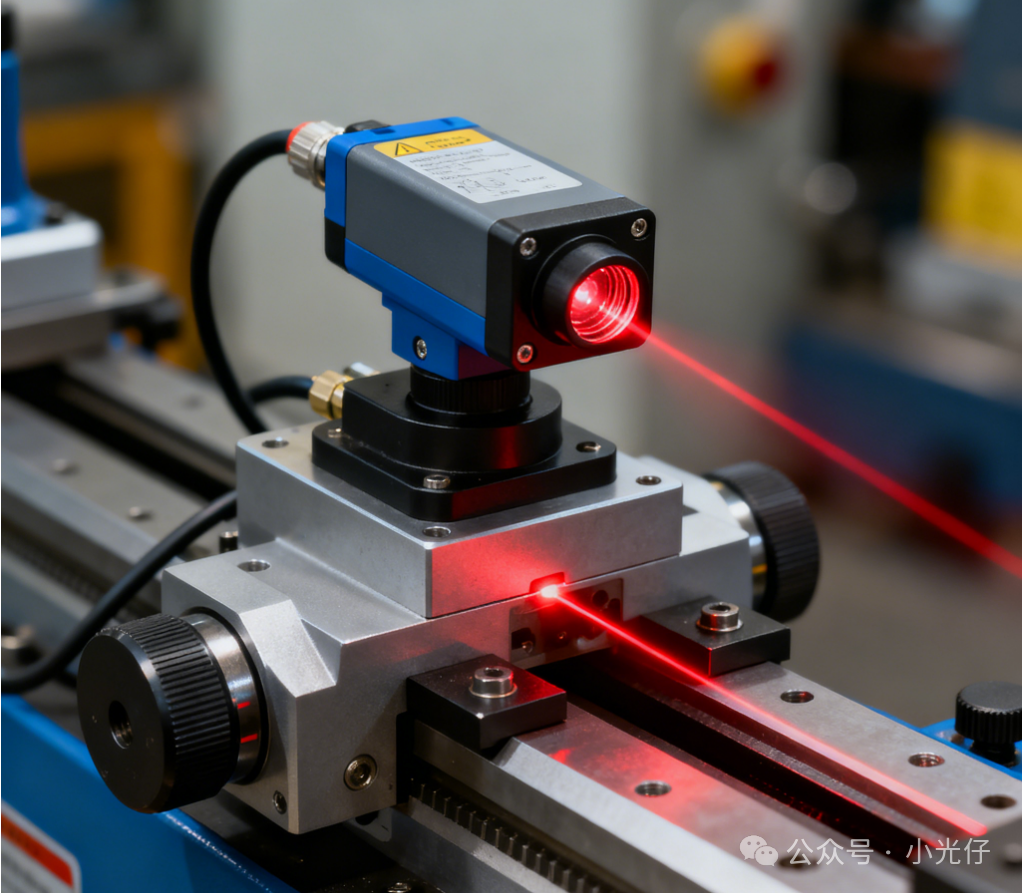
Composition: Consists of a laser emitter, laser detector, and measurement circuit.
Advantages: Achieves “four highs and one large”—high speed, high precision, high anti-interference (against light and electrical interference), and large measurement range.
Function: Suitable for non-contact long-distance measurement, a new type of high-performance measuring instrument.
6. Fiber Optic Sensor
Principle: Based on optical signal modulation. The parameter to be measured interacts with the light entering the modulation area, changing the optical properties of the light (intensity, wavelength, frequency, phase, polarization state, etc.), and measurement is completed by demodulating these changes.
Features: High sensitivity, adaptable to complex geometric environments.
3. Process Control and Identification Sensors
7. Pressure Switch
Core Function: Converts the pressure signal of gases or liquids into an electrical signal, triggering subsequent control.
Technology: Uses high-precision pressure sensors combined with CPU modular signal processing technology.
Function: Integrates detection, display, alarm, and control signal output, ensuring stable medium pressure.
8. Label Sensor
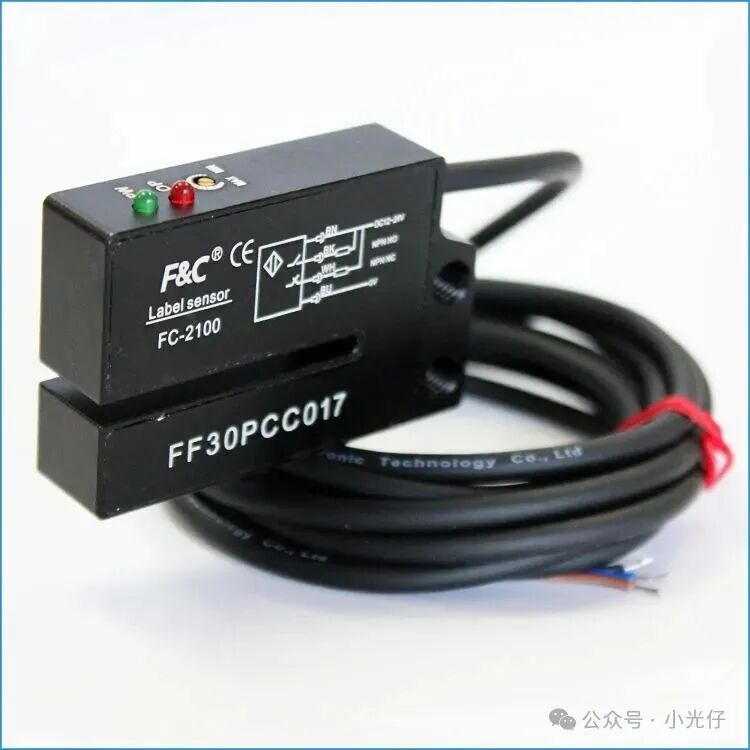
Purpose: Specifically designed for the automated packaging industry, used to detect labels on high-speed rolls.
Capability: Can accurately identify ordinary labels, transparent labels, and markings on semi-transparent films.
Scenarios: Label counting, double sheet detection, roll control, etc.
9. Color Mark Sensor
Principle: Automatically adapts to wavelength, identifying by detecting subtle grayscale differences on the surface color or markings of objects.
Advantages: Fast processing speed, can accurately locate even when the background color is very close to the marking color (such as mixed colors).
Applications: Widely used in printing, packaging, and other industrial scenarios requiring high-precision positioning.
4. Safety Protection Sensors
10. Safety Light Curtain
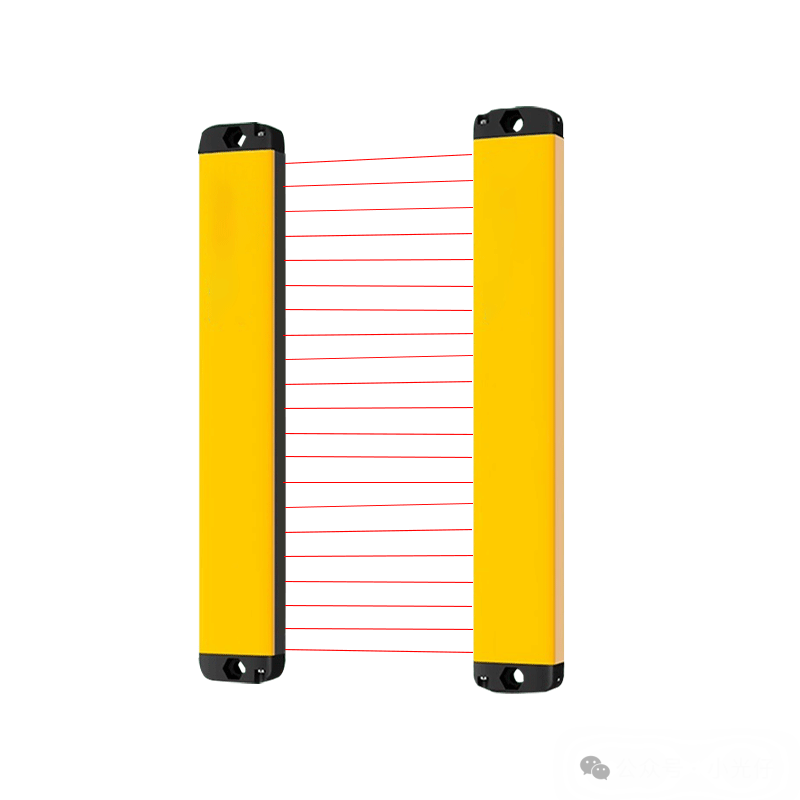
Function: Acts as an “invisible shield” in industrial sites, protecting personnel and equipment safety.
Principle: Composed of an emitter and receiver forming a light curtain. Once the light beam is interrupted by an object or personnel, it immediately triggers a signal to stop the machine operation.
Scenarios: Monitors dangerous areas such as stamping machines and shearing machines to prevent personnel from entering.
Do you know any other types of sensors? Share in the comments…
Salute to industrial control professionals