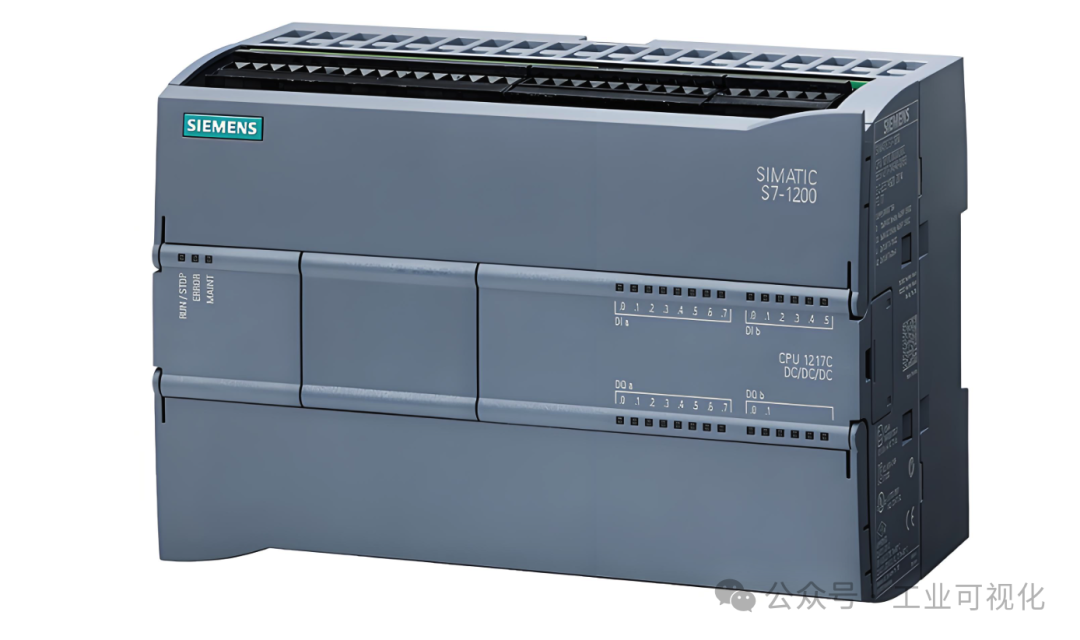
In the field of industrial automation control, PLC systems have become a core technology, and 24V DC voltage is widely adopted, becoming an industry standard. This voltage choice is not accidental but is based on a deep consideration of technology and practical needs. The following will explore why PLC systems typically use 24V DC from the perspectives of Safety, Performance Stability, Anti-Interference Capability, and Cost-Effectiveness.
1. Enhancing Safety
Safety is the primary principle in industrial environments. 24V DC falls within the Safety Extra Low Voltage (SELV) range, which is essentially harmless to the human body during use. Therefore, even in the event of accidental contact during operation or maintenance, there is no risk of electric shock. Additionally, low voltage reduces the risk of arcing and equipment damage during short circuits or faults, greatly enhancing the operational safety of the equipment.
2. Ensuring Stability and Supporting Sensitive Equipment Operation
The core components of PLC systems include logic circuits, sensors, relays, etc., which are very sensitive to voltage fluctuations. The 24V DC voltage provides a Constant DC Power Supply, which ensures more stable signal transmission compared to AC power with significant frequency fluctuations, reducing the occurrence of faults. At the same time, the stability of the DC power supply ensures that the control system operates efficiently and continuously, avoiding malfunctions or interruptions caused by power issues.
3. Excellent Electromagnetic Interference Resistance
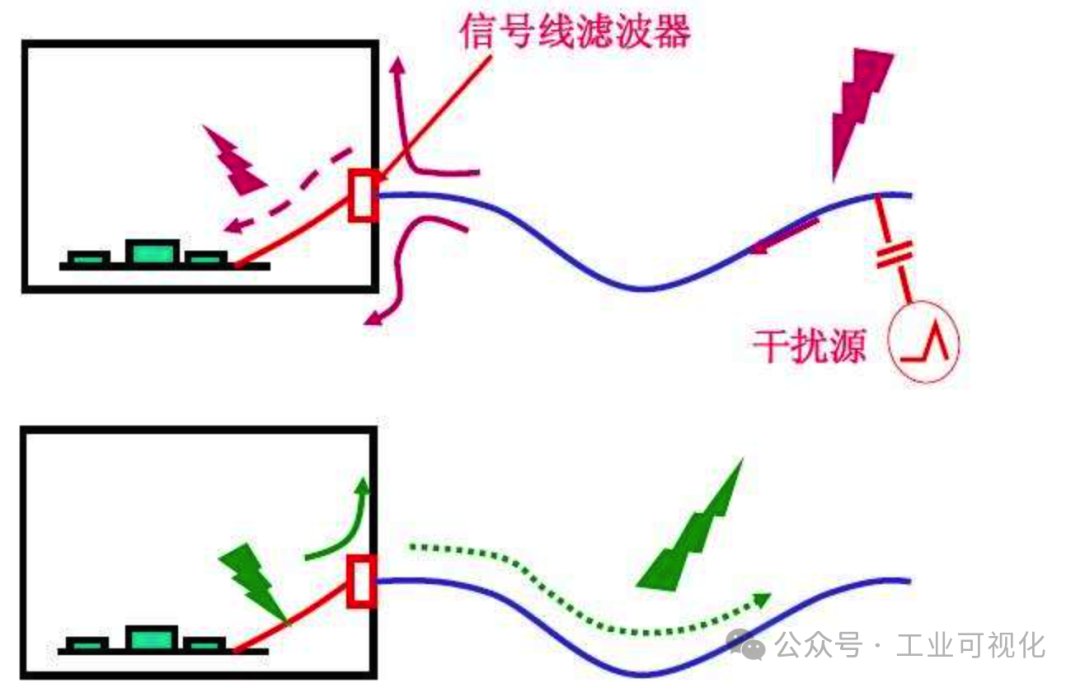
In industrial environments, electromagnetic interference (EMI) is a major cause of signal distortion, with noise generated by devices such as inverters and high-power motors interfering with control signals. The 24V DC voltage has a large voltage margin, and when combined with shielded cables, filters, and other technologies, it can effectively avoid signal noise. Furthermore, DC power itself does not generate additional high harmonics, which demonstrates better stability and reliability in signal transmission.
4. Improving Energy Efficiency and Reducing Thermal Loss
In long-distance wiring scenarios, compared to lower voltages (such as 12V), the current of 24V DC is significantly reduced, thereby decreasing the Power Loss (I²R Loss) in the cables. This not only improves energy efficiency but also reduces heat generation, preventing equipment and cables from aging due to overheating. Additionally, using 24V voltage helps extend module lifespan and reduces the need for heat dissipation and cooling, further enhancing the stability of equipment operation.
5. Increasing Versatility to Meet Global Needs
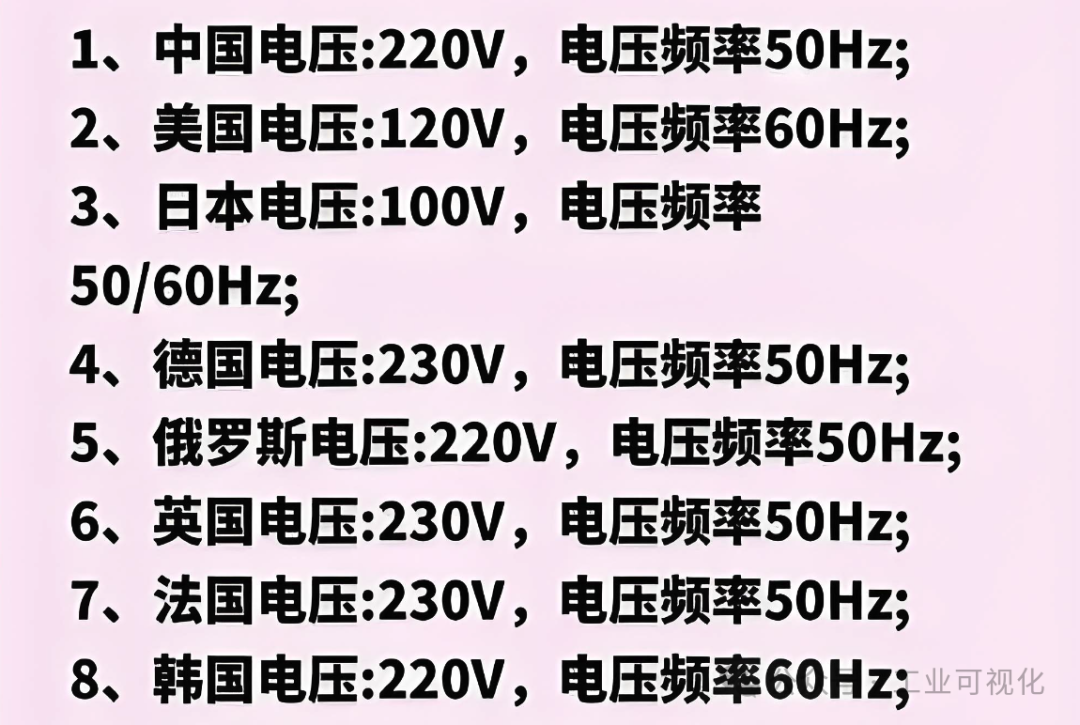
Different countries have different voltage standards for power supply systems, such as 120V AC in North America and 230V AC in Europe. Adopting 24V DC as the power supply voltage for industrial automation equipment allows for simple power module adaptation to different regional voltage standards. This global voltage model significantly reduces design and production costs and enhances the compatibility of equipment in global scenarios, making it more adaptable.
6. Reducing Costs and Simplifying Maintenance
The 24V DC system has significant cost advantages. Its low voltage characteristics allow for more compact designs of wires, terminals, fuses, and other components, taking up less equipment space. Compared to high-voltage equipment, it also eliminates the need for complex insulation and protection measures, such as transformers or isolation barriers. Additionally, due to the mature ecosystem of 24V voltage devices, components are easier to obtain and replace.
The reasons for using 24V DC voltage in PLC systems can be summarized as a comprehensive consideration of safety, stability, anti-interference capability, energy efficiency, and cost-effectiveness. 24V DC is the golden voltage standard in the field of industrial automation control, meeting the complex operational needs of factories while being economical and practical, ensuring the safe, efficient, and stable operation of industrial equipment.
Recent Popular Articles:
| Clarifying !!! What are AI, AO, DI, and DO?Finally, someone clarified industrial control systems!!!Does Modbus really need terminal resistors?Finally, someone clarified the difference between SCADA and MESFinally, someone clarified the difference between PLC and MCU |