In the pursuit of reliability, “Three防” is a core indicator. However, when this term appears in both “rugged computers” and “industrial three防 computers,” there are essential differences in the meanings, implementation methods, and usage scenarios they express.
Differences in “Three防”
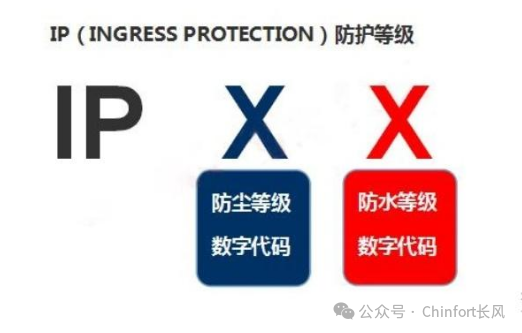
The “Three防” of rugged computers mainly targets climate and chemical corrosion, including salt mist, mold, and humidity. Additionally, they possess IPXX waterproof and dustproof capabilities, as well as resistance to shock and drops.
Industrial three防 computers are generally limited to dirt, water, and drop resistance, which are the primary reinforcement methods for this type of computer.
Testing of Rugged Computers
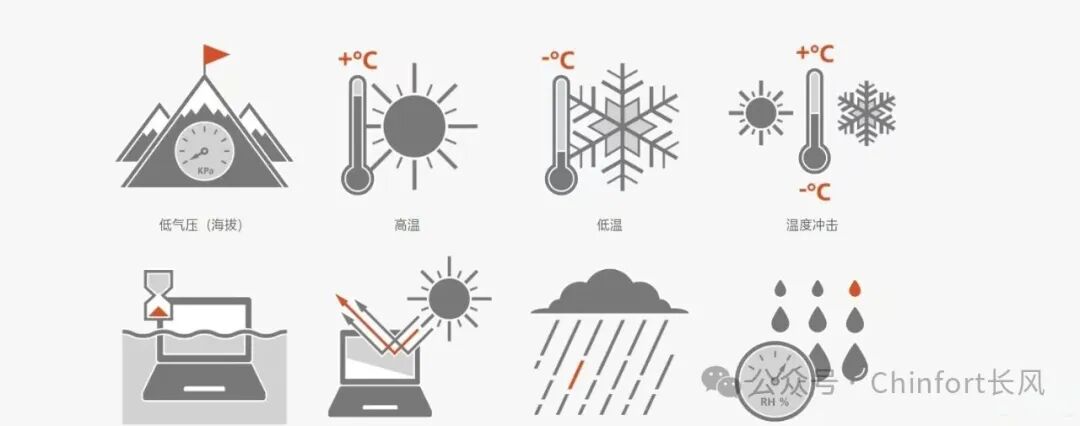
Humidity and Heat Test: This test is used to evaluate the parameters and performance of electrical, electronic, and other products and materials after experiencing high temperature, low temperature, alternating humidity, or constant humidity environmental changes.
Mold Test: This test checks whether the product is at risk of harmful effects from mold in a high humidity and warm environment. This is crucial for assessing the product’s resistance to mold in humid conditions.
Salt Mist Test: By simulating salt mist environmental conditions, this test evaluates the corrosion resistance of products or metal materials. This test is particularly important for predicting product performance in marine or high salinity environments.
Testing of Industrial Computers
Waterproof Test: Using a professional waterproof testing machine, the device is fixed on a turntable and subjected to 360° all-around spraying. After testing, it is checked whether the device can operate normally and if there is no water ingress inside.
Dustproof Test: The device is placed in a dust test chamber, using talcum powder as the test dust. After testing, if there are no significant changes in appearance, normal functionality, and no significant dust ingress inside, it indicates that it can operate normally in dusty environments.
Drop Test: This test evaluates the device’s performance when dropped freely from a specified height onto a hard surface, checking for exterior damage, loose internal components, or functionality issues.