
According to three independent sources from overseas, the Sony A7V will be equipped with a brand new 33 million pixel sensor. This specification not only significantly surpasses that of its predecessor but also indicates Sony’s self-breakthrough in the mid-to-high-end full-frame mirrorless market. The new sensor may have optimizations in reading speed and signal processing, providing a hardware foundation for high frame rate continuous shooting and video recording.

It is noteworthy that the A7V will completely eliminate the Micro-USB port, replacing it with a design featuring dual USB-C ports. This change not only aligns with the current trend of mainstream device interfaces but also provides convenience for photographers to charge and transfer data simultaneously or connect external monitors and other devices.
There were previous rumors about the cancellation of the HDMI port, but it has now been confirmed that this port will still be retained, located at the upper left corner of the body, with only the gradually outdated Micro-USB port being removed.
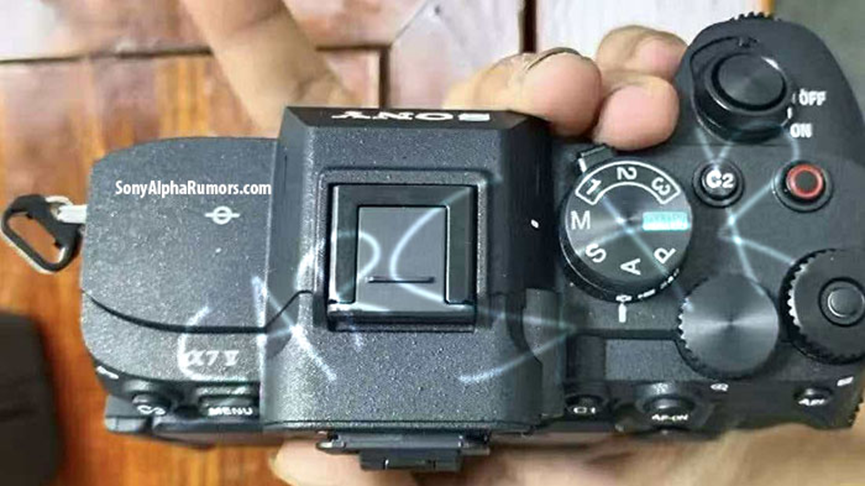
Other specifications that have been basically confirmed include an improvement in body stabilization performance to 8 stops, equipped with a new AI processing chip similar to that of the A1 II, providing stronger subject recognition and tracking capabilities.
The body design will continue the style of the A7R V, featuring a 3.2-inch vari-angle flip screen and dual UHS-II SD card slots. The electronic viewfinder resolution is expected to be upgraded to approximately 5.6 million dots, offering a more refined visual experience.
However, there are reports that its final pricing will be close to $3000, and it is expected to be released in early December with limited availability before Christmas.
Additionally, Sony’s lens roadmap has revealed three new lenses of interest, including two 100-400mm lenses (one f/4.0 GM and a variable aperture G version) and an ultra-wide f/2.0 GM zoom lens.
Based on the current information, the A7V is not just a routine upgrade but a concentrated display of multiple key technologies that Sony has invested in balanced full-frame bodies. Its arrival will undoubtedly further enhance its competitiveness in the same-level market.
【Follow + Star Mark to receive the latest news updates in real-timeIf this article has inspired you, feel free to like, view, and share it with more friends~Your support is the driving force for our continued creation!Previous articles review:Voigtländer’s new wide-angle lens lands on E/Z mount: APO-Lanthar 28mm f/2 achieves multi-platform coverageHow to choose between Tamron 25-200mm f/2.8-5.6 G2 and Sigma 20-200mm?Rumors of Sony A7V specifications turning a corner? Key performance clouds reveal breakthrough hopesCanon EOS R6 Mark III vs R5: A five-year technology comparison and choiceCanon R6 Mark III overheating test exposed: 4K60 recording shuts down after only 28 minutesCanon EOS R6 III review: A mid-range full-frame all-rounder?Rumors of Nikon Z 70-200mm f/2.8 second-generation lens resurfacing, Z5II and Z50II receive important firmware updatesConfirmation of delay: Nikon Z9 Mark II will not be released in 2025Fanless design makes a comeback! Nikon ZR achieves over two hours of uninterrupted 6K video recordingSony releases groundbreaking sensor! 105 million pixels + 100fps, achieving both pixel and speedThe battle beyond pixels: The real difference between Fujifilm’s 26 million and 40 million sensors