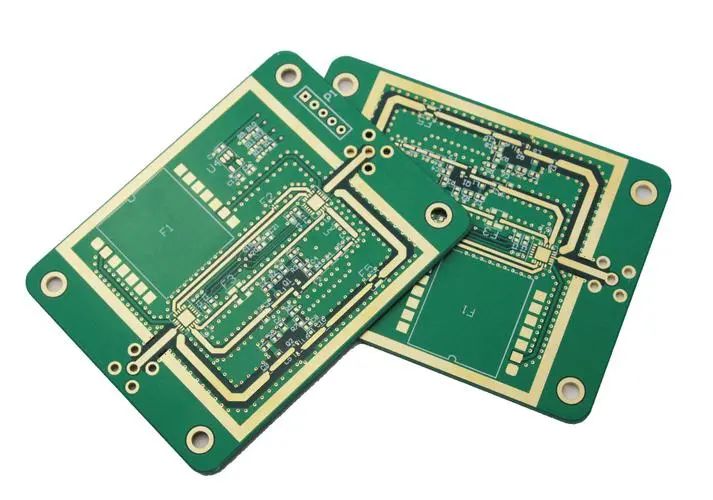
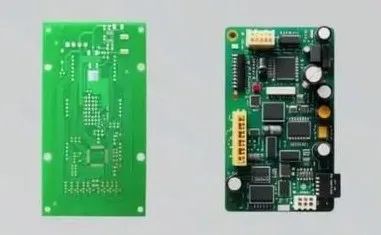
Click the above“Mechanical and Electronic Engineering Technology” to follow usIn the vast ocean of the electronic world, the terms PCB, PCBA, and SMT serve as coordinates on a nautical chart, guiding us to understand the transformation of electronic products from concept to reality. Today, we will explore these three key technologies that bring electronic products to life.Imagine if there were no PCB, or printed circuit board; our mobile phones, computers, and even the electronic devices in our cars would become a chaotic mess of wires and components. The PCB acts like an organized circuit network, allowing all electronic components to function in their correct positions. Its manufacturing process resembles a meticulously choreographed dance, where every step from design to final product is crucial. During the design phase, engineers use specialized software to draw circuit diagrams, which are then transformed into actual circuit boards through a series of processes including prototyping, printing, and drilling. After soldering and testing, a qualified PCB is born, ready to carry electronic components and complete signal transmission and conversion.SMT, or surface mount technology, is the magical technique that precisely places these components onto the PCB. The advent of this technology has made electronic devices smaller and more powerful. The manufacturing process of SMT resembles a miniature assembly show on the PCB, where solder paste printing, component placement, and oven curing each require extremely high precision. After reflow soldering, components are firmly attached to the PCB, and through AOI optical inspection, we ensure that every component is flawless. This technology greatly enhances the efficiency of electronic device assembly while also reducing costs.When we talk about PCBA, we are actually referring to a PCB that has had its components assembled. This is not just a simple assembly process; it encompasses multiple steps including circuit board design, component procurement and inspection, SMT assembly processing, and DIP insertion processing. The manufacturing process of PCBA resembles a precision surgery, where every component must be accurately placed in its designated position. After soldering and curing, cleaning and inspection ensure the cleanliness and performance of the circuit board. Ultimately, a complete PCBA is presented to us, ready to be integrated into the final product, becoming the core of electronic products.The interrelationship between these three technologies is akin to a splendid symphony. The PCB provides the stage, SMT positions the actors (electronic components) precisely, and PCBA is the final presentation of this performance. Together, they collaborate to elevate the performance and manufacturing efficiency of electronic products to new heights.The advancement of technology, especially the development of automation and precision manufacturing technologies, has had a tremendous impact on PCB, PCBA, and SMT. The emergence of automated equipment has made the production processes of SMT and PCBA more efficient, reducing human errors and enhancing product consistency and reliability. Simultaneously, the development of precision manufacturing technology has made PCB design and manufacturing more refined, meeting the demands for higher frequencies and performance.Let us look at some practical cases to see how these technologies are applied in actual products. In smartphone manufacturing, SMT technology allows the mainboard to accommodate more components, enhancing the phone’s functionality while maintaining a slim profile. In automotive electronics, the stability and reliability of PCBA directly relate to driving safety, thus imposing high demands on PCB and SMT. In large servers, the design and manufacturing quality of the PCB directly affect data processing speed and efficiency.The application of these technologies not only improves product performance but also reduces costs. By optimizing PCB design, material usage can be minimized while enhancing circuit efficiency. The application of SMT technology reduces waste during the soldering process, improving production efficiency. The one-stop service of PCBA reduces intermediate links, cutting down logistics and warehousing costs.In the field of electronic manufacturing, understanding the basics of PCB, PCBA, and SMT is crucial for professionals. They are not only the foundation of manufacturing electronic products but also the key to driving technological innovation and product upgrades. As electronic technology continues to evolve, these technologies are also constantly evolving, bringing us more exciting electronic products.Through this article, we not only understood PCB, PCBA, and SMT but also recognized their importance in electronic manufacturing. The development of these technologies not only drives innovation in electronic products but also changes our way of life. In the future, as technology continues to advance, we can expect more efficient and intelligent electronic products to appear in our lives.