01
After years of programming, I have increasingly realized a truth: the program is not wrong; the issue lies with the site.
You think the equipment is lagging because of a logic error in the program? You think the PLC is executing slowly due to nested loops in the code? That’s too naive.
Most of the “mysterious” PLC issues do not originate from the program—but from those site conditions that are “invisible to the eye but encountered by the equipment every day.”
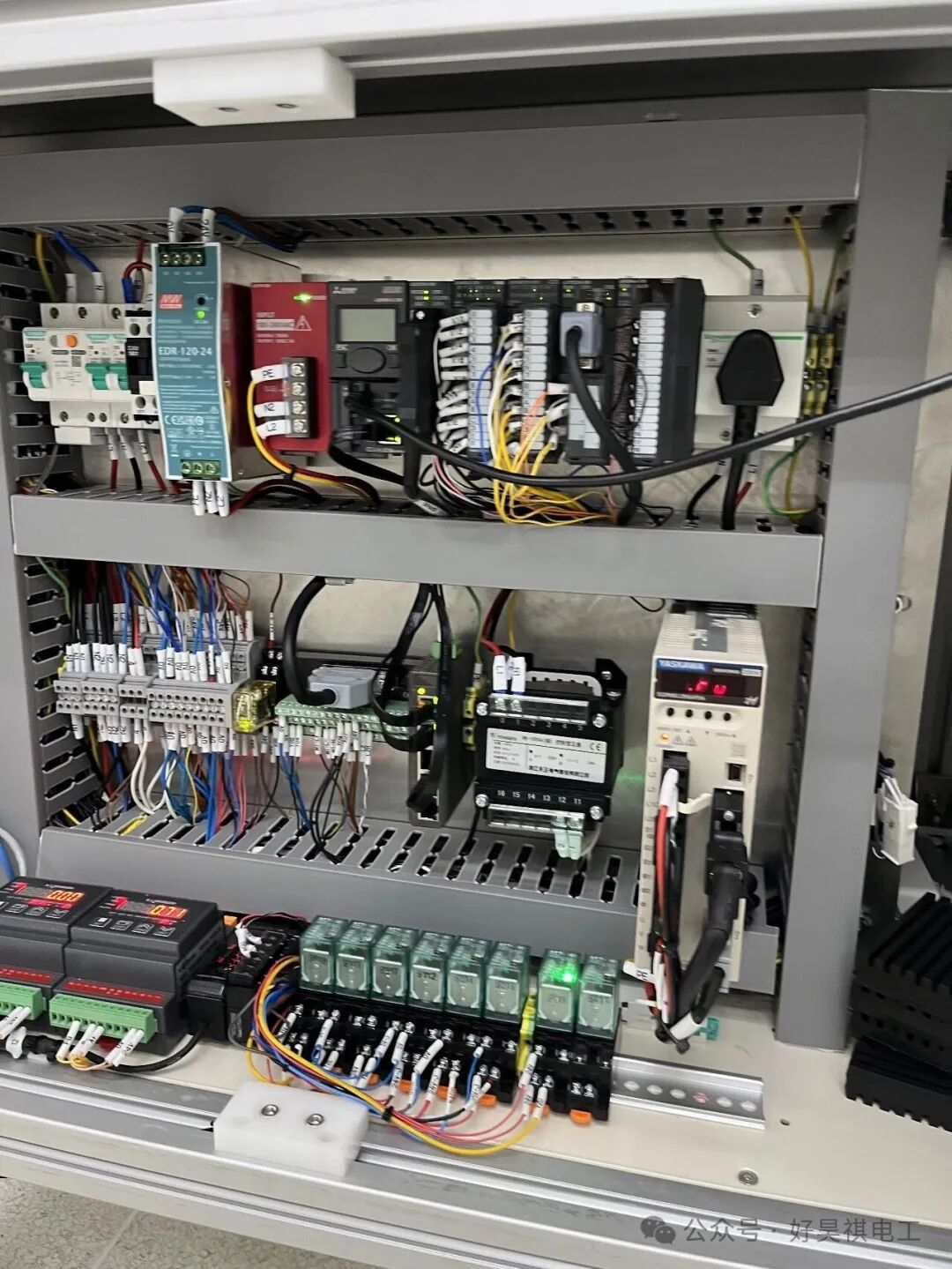
Dust, oil, water, rust, heat, humidity… These are the strongest adversaries of PLCs.
02
In simple terms, no matter how perfect the program is, it cannot withstand a loose terminal connection.
Here’s a simple yet extreme example:
A limit switch that was working fine suddenly has intermittent signals. Check the program? The program is fine. Change the PLC? The same issue persists. Finally, climbing up to inspect the equipment reveals that the switch screw is loose, causing poor contact. Tighten it, and everything is okay.
You spent all night writing the program, but it was not as effective as someone tightening a screw.
Have you encountered such a scenario? Did it make you want to smash your computer?
Let me give you a few more examples of what you thought were “program issues” but were actually truths from the site:
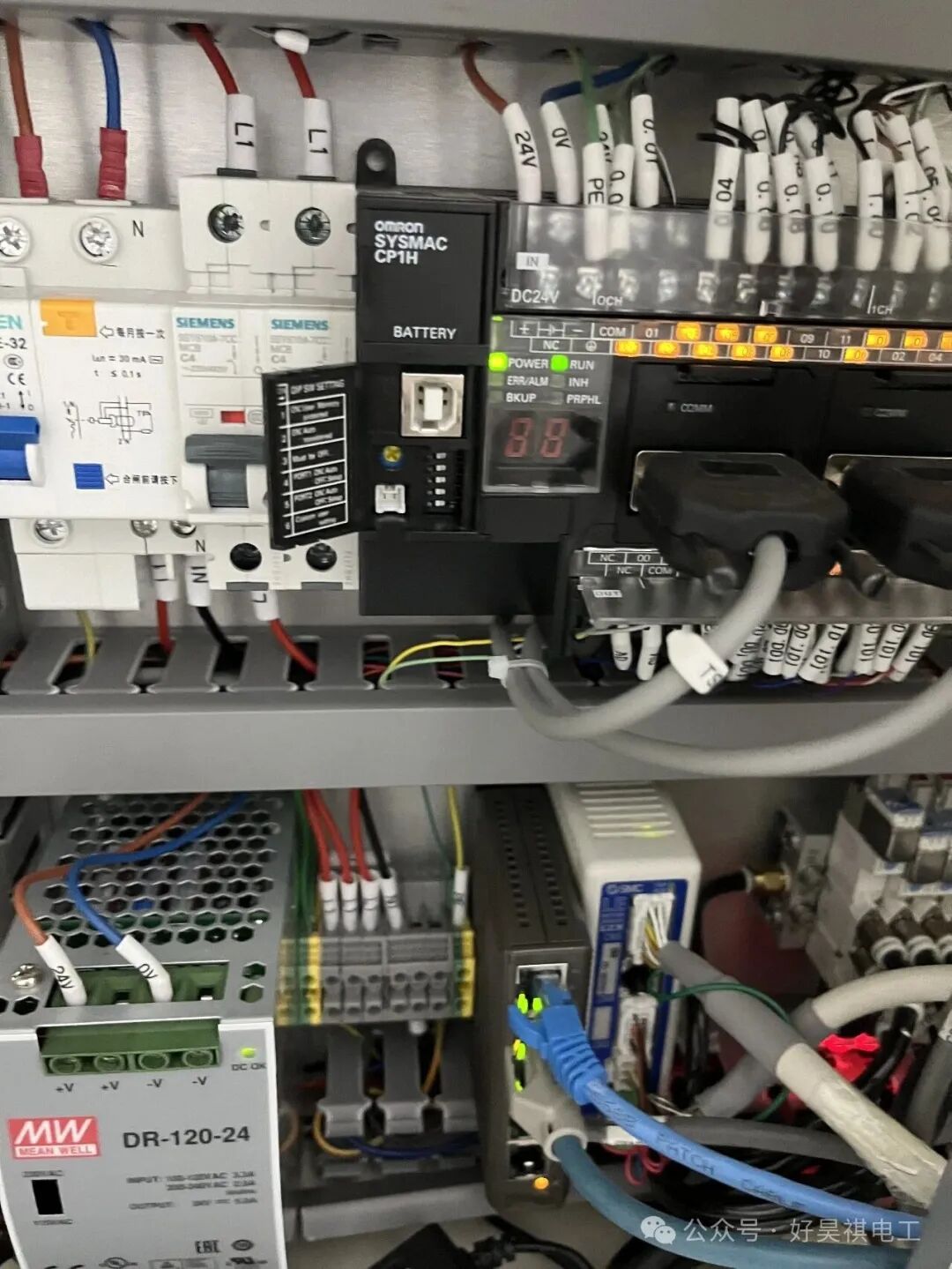
PLC inexplicably restarts? ——Power line incorrectly grounded + water entering the electrical cabinet.
Analog signal jumps? ——Signal line wrapped three times in high-frequency interference, and the cable shielding was not grounded at all.
Output not functioning? ——The relay is faulty, but the action light is still on.
There is only one conclusion: no matter how strong the program is, it cannot withstand a poor site.
03
Why do many engineers stubbornly focus on the program? Because it is the only thing they can control.
You can adjust the program in the office, but you cannot make the construction team replace the cables; You can simulate online, but you cannot simulate a short circuit in the electrical cabinet on a rainy day; You can write a logically sound process, but you cannot prevent a worker from unplugging the ground during debugging.
So you spend dozens of hours repeatedly adjusting the logic, simply because—you feel powerless over the site.
But experts are different; they never stubbornly focus on the program.
Experts first look at:
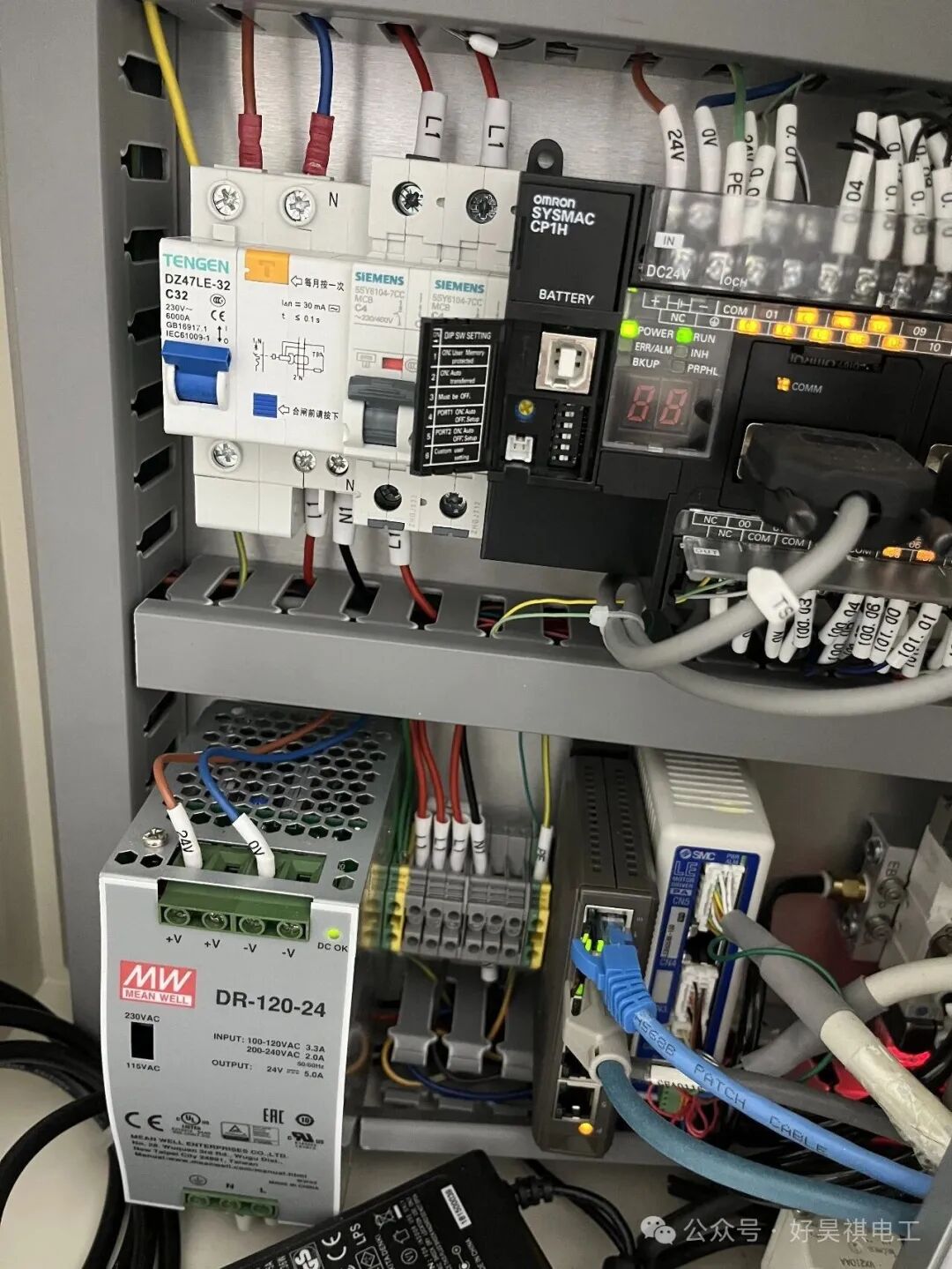
Are the terminals rusty?
Are the cable connectors tight?
Is the air pressure sufficient? Is there any blockage from oil?
Is the power voltage stable? Is there any noise?
The program is just the result; the site is the variable.
04
In one sentence: debugging without checking the site is like practicing punches without training your legs; you can’t even stand firm.
You can write excellent code, but it will never save you from:
Dust covering the photoelectric sensor, causing the equipment to be “blind”;
Moisture corroding the terminal, causing intermittent IO signals;
Power spikes at the site causing analog signals to jump wildly;
No grounding at all, making the entire cabinet act like an antenna.
In simple terms, site conditions are the “foundation” of the system; the program is just building the house. If the foundation is poor, can the house be stable?
So, why do you find the program difficult to debug? Because those “interference sources” that you cannot see are stirring things up behind the scenes.
It’s not that the program is difficult; it’s that you haven’t checked from the source.