
1. Research Background
In recent years, various tumor treatment methods, including surgery, chemotherapy, radiotherapy, and photodynamic therapy (PDT), have received widespread attention in the biomedical field. Among them, PDT kills cancer cells by generating reactive oxygen species (ROS) through the light activation of photosensitizers (PS), which is favored in clinical tumor treatment due to minimal damage to patients. Some PS (such as methylene blue and some porphyrin derivatives) have been approved by the FDA for clinical applications in tumor treatment and have achieved certain results. However, the complex tumor microenvironment (including hypoxia and immune suppression) inevitably limits the efficiency of PDT. Currently, most clinically used photosensitizers are mainly type II PS, which generate 1O2 through energy transfer. Therefore, type II PS is referred to as energy transfer type PS, and type II PS strictly relies on O2, which will cause limited therapeutic effects in highly hypoxic tumors. In addition, they consume oxygen, exacerbating hypoxia during tumor treatment. Given the above situation, it is of great significance to develop novel PS that can overcome hypoxic environments and translate into clinical applications.
Type I PS is a type that can generate various ROS (such as O2•–, ·OH, and H2O2) through electron/hydrogen transfer between the excited PS, nearby biological substrates (such as proteins, nucleic acids, lipids, and coenzymes), and O2. Specifically, type I PS can directly oxidize biological substrates and produce ROS through oxygen-independent steps. Furthermore, the cascading reaction characteristics of ROS generated in the type I process will play a crucial role; that is, primary O2•– can be enzymatically converted into H2O2 and O2, and H2O2 can further be converted into highly toxic •OH through the Fenton reaction. Clearly, this cascading reaction amplifies oxidative stress while reducing dependence on oxygen. It is noteworthy that tumors, especially solid tumors, often exist in hypoxic environments. This is mainly because tumor cells are often located far from blood vessels or in areas where blood vessel function is recently impaired. In fact, the oxygen percentage in the hypoxic tumor core may drop below 1%. This hypoxic condition severely limits the efficacy of tumor treatments mediated by oxygen-dependent type II PS. In contrast, type I PS is not limited by molecular oxygen content and has the potential to induce more effective killing of solid tumors, providing a promising alternative to type II PS in hypoxic tumor treatment.
Currently, organic small molecule type I PS have gained increasing attention due to their excellent biocompatibility. Unfortunately, it is challenging to achieve the pre-design of organic small molecule type I PS. Moreover, the types of currently available organic small molecule type I PS are still limited, particularly lacking guiding molecular construction strategies, far from meeting biological application requirements. Considering type I PS based on electron transfer processes (from T1-S0), it is reasonably expected that significantly enhanced spatial flow of electrons during molecular excited state transitions may facilitate electron transfer in the T1-S0 transition process, thus potentially enabling the creative and systematic construction of type I PS. This type I PS largely requires the presence of appropriate non-conjugated “electron reservoirs” and “electron pumps” to drive electron flow. On this basis, the “electron storage pump integration” molecular design strategy is proposed for the first time to construct novel organic small molecule type I PS; that is, the “electron reservoir” and “electron pump” are integrated into a suitable dye molecule, which is conducive to designing novel type I PS by manipulating spatial electron flow (verified through density functional theory [DFT] and spectral experiments).
2. Results Discussion
A series of type I PS were designed and synthesized, particularly, Cy5-NF was identified as an outstanding type I PS (Cy5-NF can specifically generate a large amount of O2•– under 660 nm laser irradiation). Notably, experimental results indicate that without the sulfonic acid group (electron reservoir), Cy5-NF0 (one of the derivatives of Cy5-NF) can only produce 1O2 under irradiation. Furthermore, after removing strong electron-withdrawing groups (which weaken the electron pump), the formation of Cy5-NMe significantly reduced the capacity to generate O2•–, which fully validates the above strategy. Additionally, Cy5-NF can effectively disrupt cell membranes under light exposure, further leading to pyroptosis of cancer cells, which not only can ablate primary/distant tumors but also can prevent tumor metastasis to different organs by enhancing CD4+ and CD8+ T cell infiltration-mediated long-term immune memory. It is noteworthy that the “electron storage pump integration” strategy represents a modular approach to constructing organic small molecule type I PS, which may provide valuable guidance for future development of type I PS.
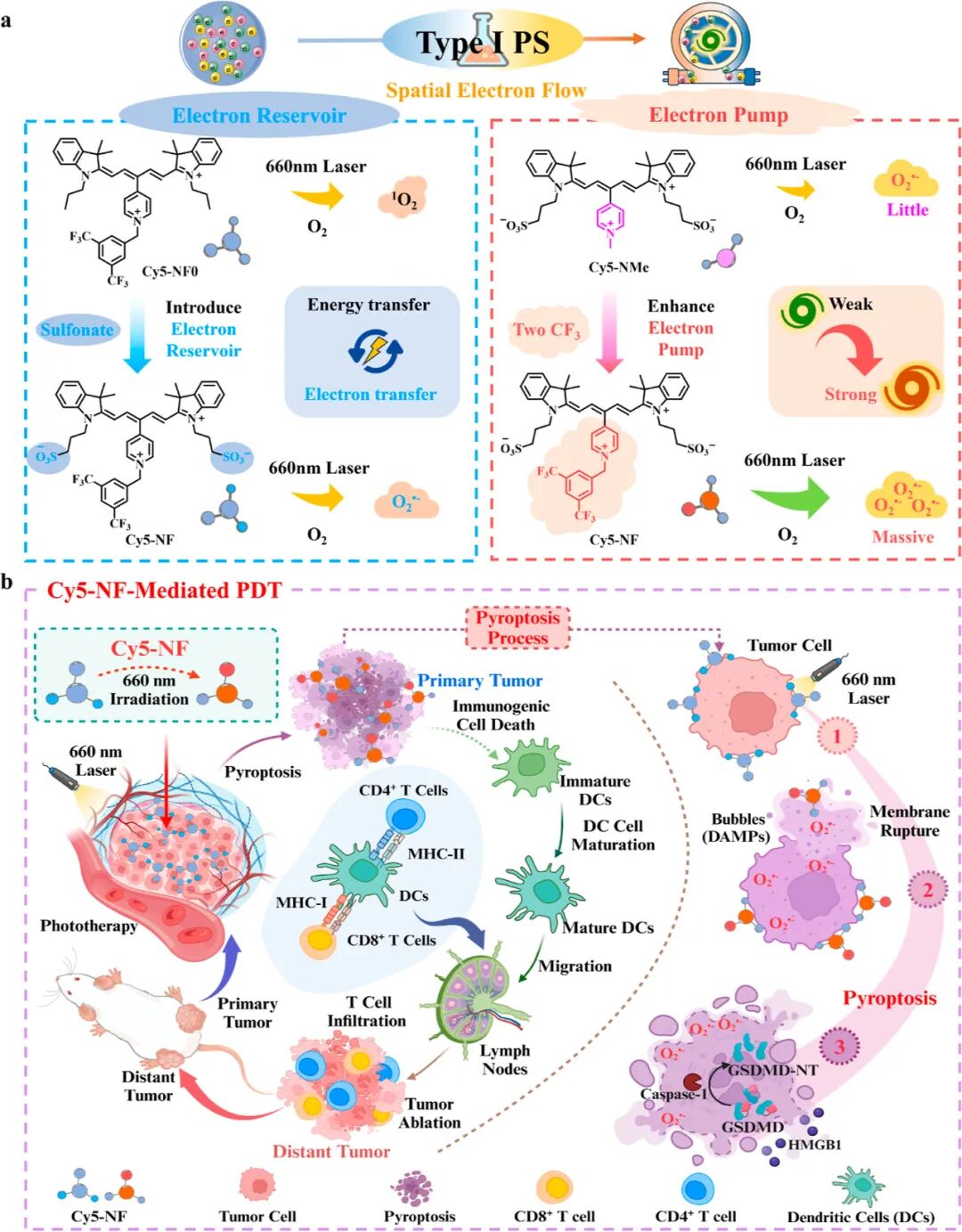
Figure1. Schematic diagram of the “electron storage pump integration” design strategy for constructing type I PS-Cy5-NF
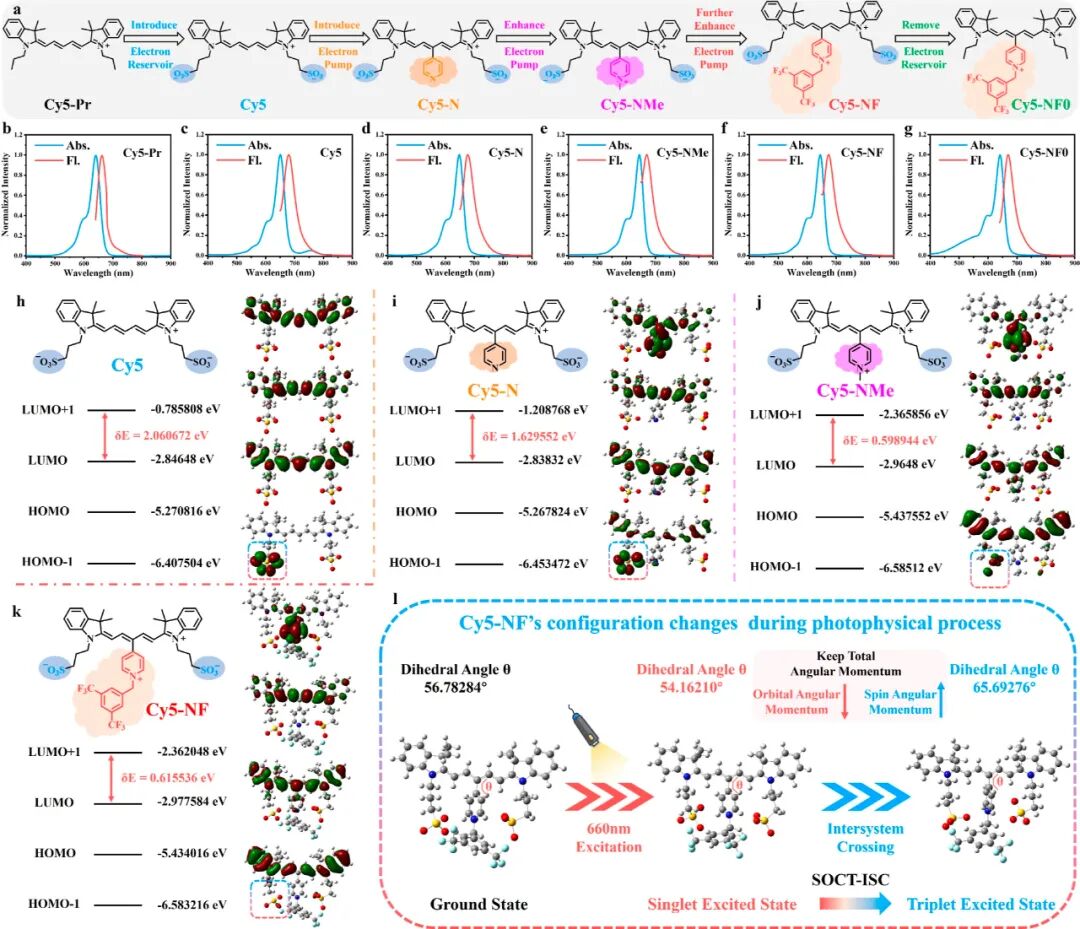
Figure2. Schematic diagram of the design based on the “electron storage pump integration” strategy for Cy5-NF
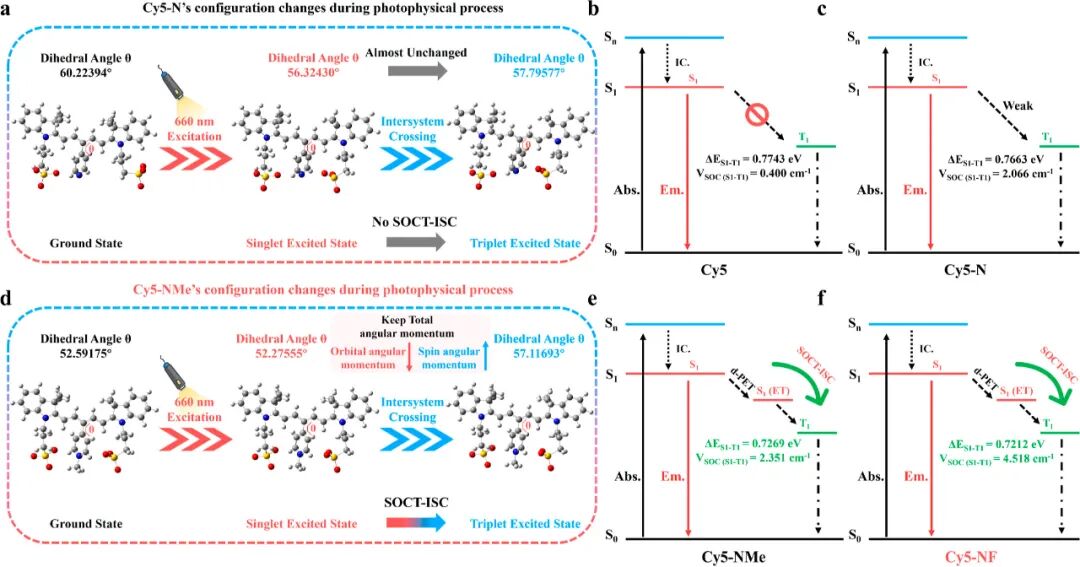
Figure3. Theoretical calculation schematic of Cy5, Cy5-N, Cy5-NMe, and Cy5-NF.
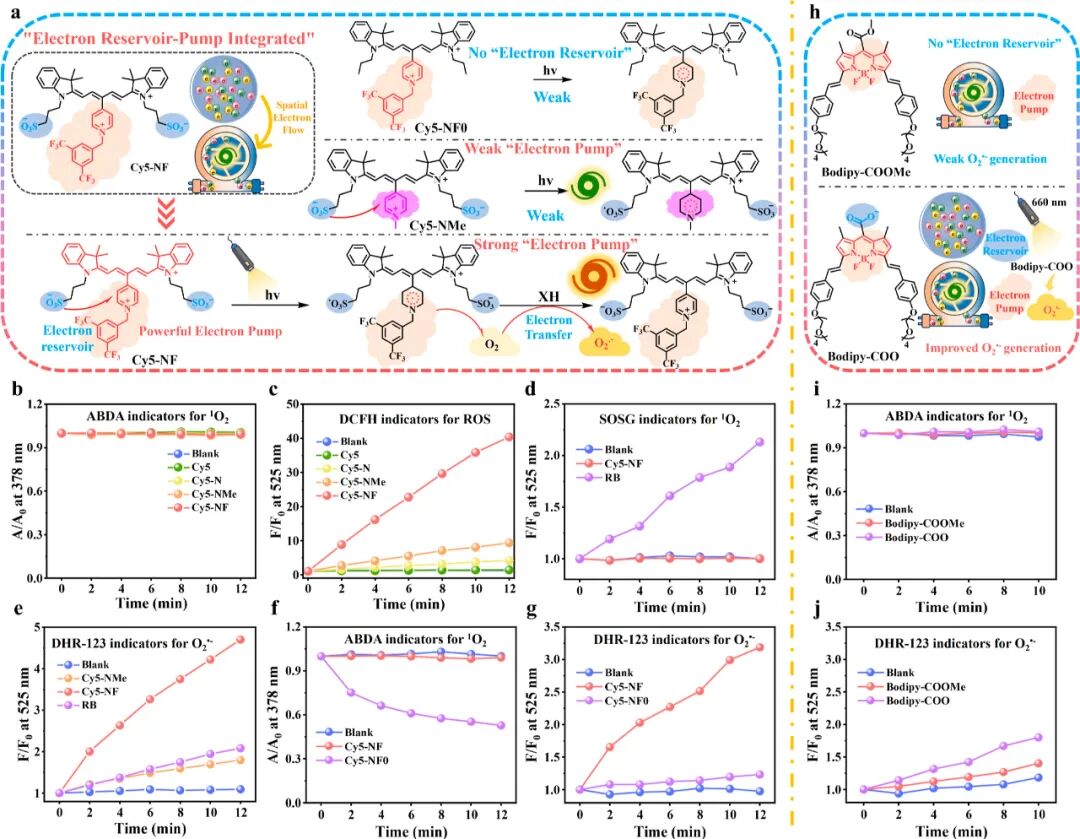
Figure4. Evaluation of ROS generation ability and the generation mechanism of O2•–
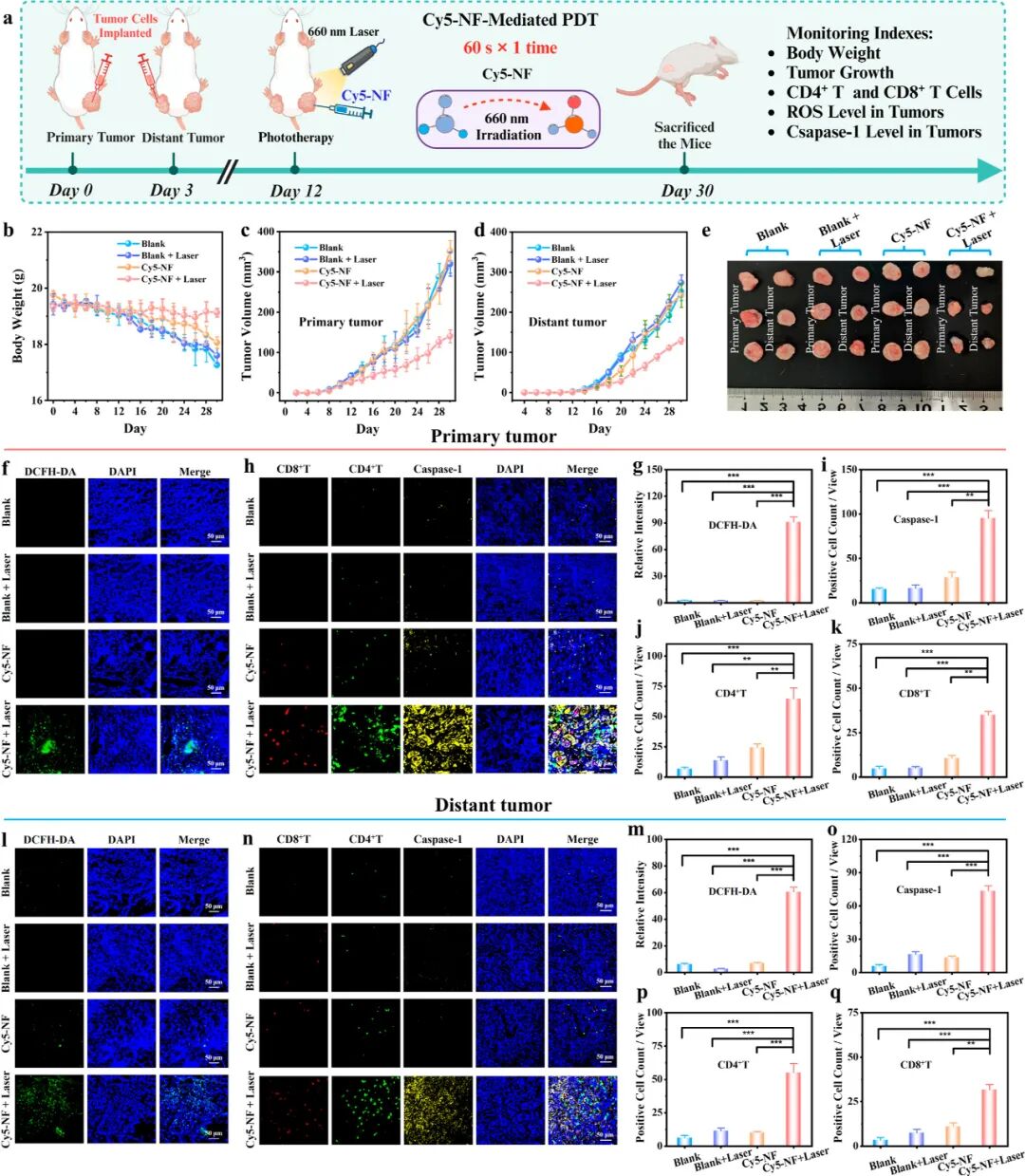
Figure5. In vivo antitumor efficacy, pyroptosis, and immune response
DOI:10.1021/jacs.5c12631
Click to read the original text for more information