

Nikon’s new sensor design patent technology
Aiming at dynamic range and read speed
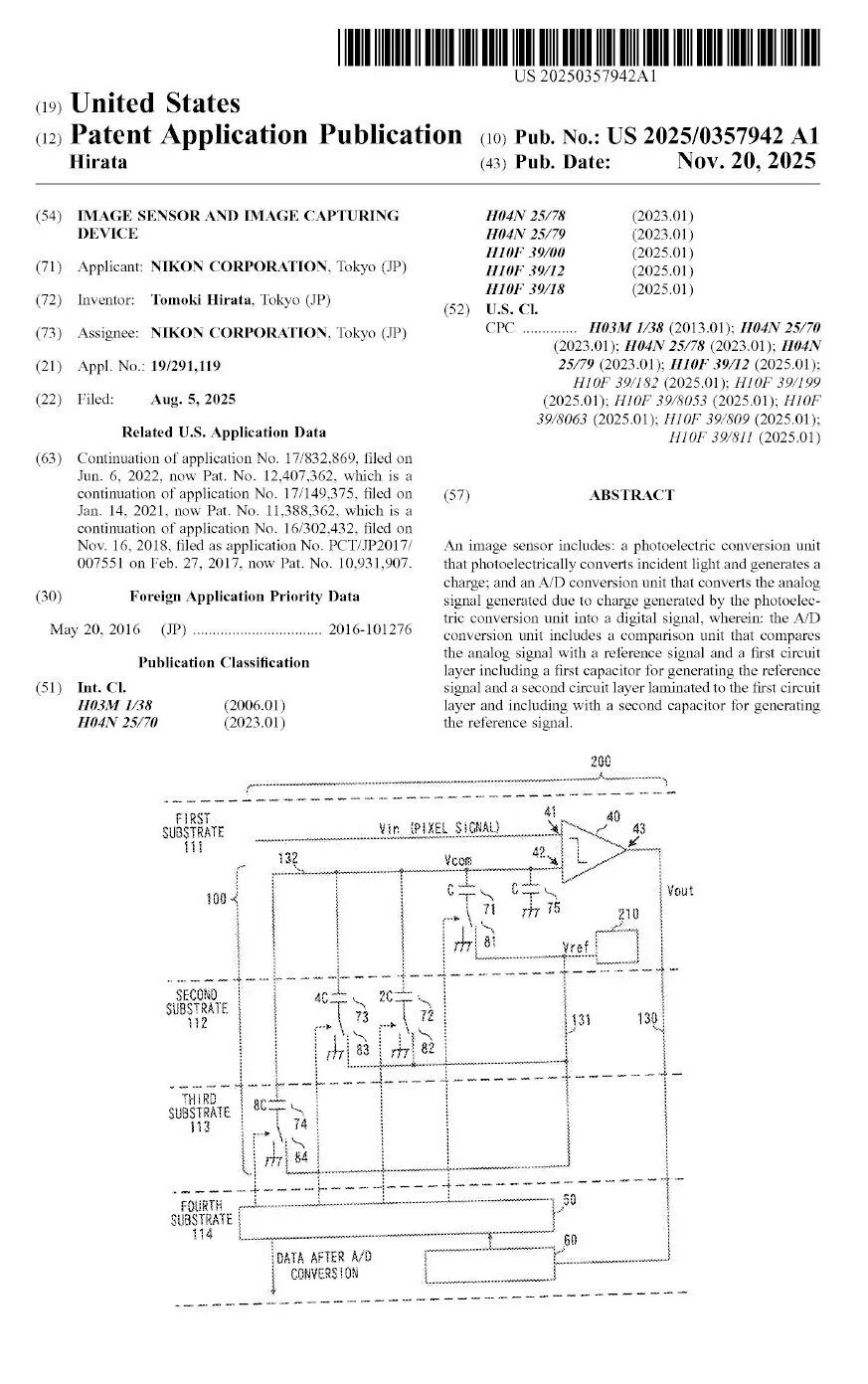
In a recent patent application submitted by Nikon, an image sensor with a larger dynamic range and higher read speed is described. This patent indicates that camera sensor technology is about to enter a new stage. It is a multi-layer stacked image sensor, with the core goal of optimizing dynamic range and read speed. This design is expected to allow Nikon cameras to achieve cleaner shadow details, smoother highlight transitions, and faster continuous shooting speeds without increasing the chip size.

A more intelligent stacking structure
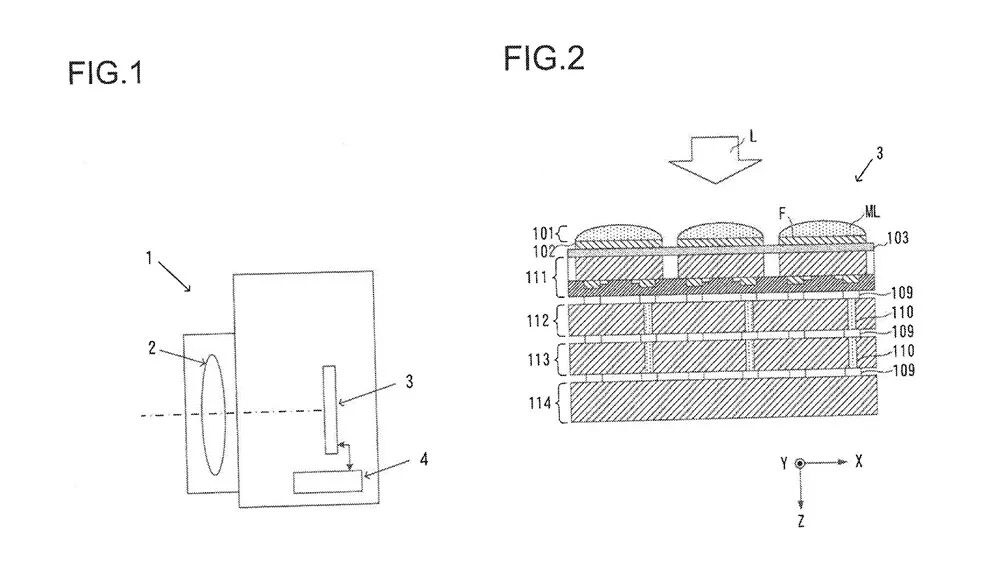
This patent, titled “Image Sensor and Image Capturing Device,” details a four-layer semiconductor stacking architecture: the top layer receives light through microlenses and color filters, while the lower layers are responsible for signal conversion and processing. Its innovation lies in Nikon distributing the analog-to-digital converter (ADC) components across multiple layers, rather than concentrating all capacitors on the same plane. The smallest and most sensitive capacitors are placed close to the comparator (the core component used to determine the brightness value of each pixel). This layout minimizes electronic noise and enhances signal conversion accuracy. This design continues Nikon’s logic from the “hybrid image sensor global shutter and rolling shutter” patent, where Nikon reduced rolling shutter distortion issues through sensor stacking technology.
Why enhance dynamic range
The performance of dynamic range largely depends on the sensor’s accuracy in converting light into data; any slight deviation during the analog conversion process can lead to noise, especially in shadow areas. Nikon’s new layout reduces such conversion errors, enabling more accurate tone reproduction from shadows to highlights. This means cinematographers will achieve smoother gradient transitions, more natural contrast, and richer color depth, characteristics that align closely with Nikon’s ongoing development in the professional imaging field. Similar technical goals were previously reflected in the “Nikon large format sensor film camera technology,” where Nikon emphasized maximizing the sensor’s tonal latitude for high-end film production.
How to achieve faster read speeds
The speed enhancement comes from efficiency improvements due to structural optimization: by distributing capacitors across multiple layers, Nikon can accommodate more parallel working ADC units without increasing the chip area. Each column of pixels or pixel groups can simultaneously perform signal conversion, resulting in faster frame transfer speeds and reduced rolling shutter distortion. Therefore, the camera will gain smoother motion capture capabilities, supporting higher frame rates for 4K, 6K, and even 8K video recording. Nikon previously showcased the combination of high resolution and high-speed readout channels in its “new high-speed readout high-resolution sensor” technology.
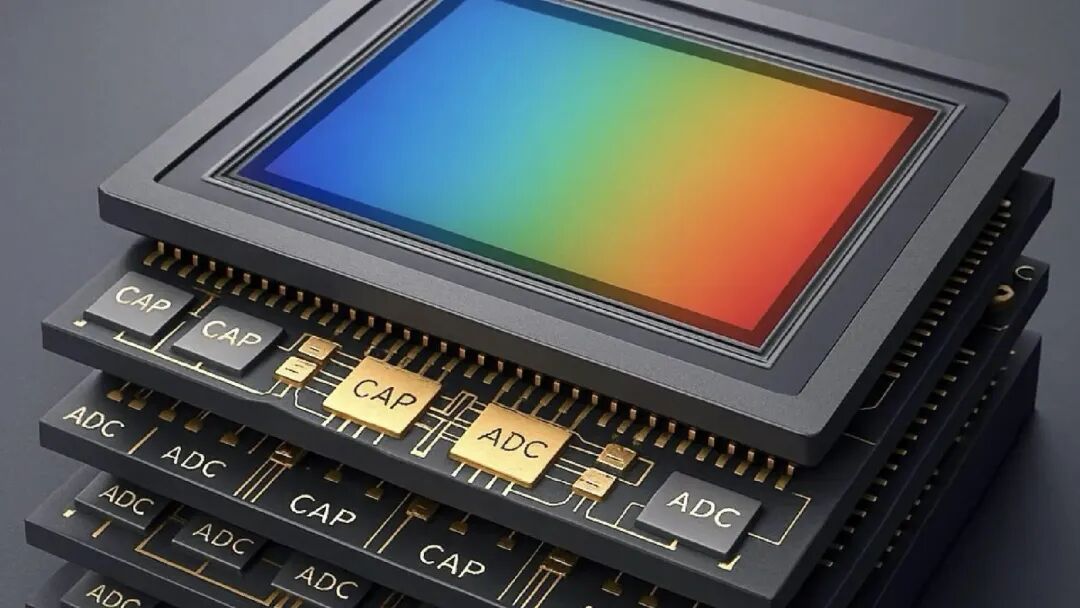
AI-generated Nikon image sensor.
The significance for film creation
If Nikon translates this patented technology into actual products, its advantages will directly benefit video shooting and film creation:
-
Cleaner shadow details and better highlight retention
-
Shorter readout times, reducing image distortion and shake
-
Superior HDR (high dynamic range) and low-light shooting performance
-
Potential to support continuous high frame rate shooting
In other words, Nikon is laying the groundwork for sensor technology, striving to achieve a balance between cinematic image quality and shooting speed. This combination may reshape the competitiveness of its future Z-mount system and dedicated film cameras.

AI-generated Nikon image sensor.
Core
Although still in the patent stage, this document indicates that Nikon is optimizing its stacked ADC architecture to simultaneously achieve higher dynamic range and faster read speeds, two core metrics of modern top-tier film sensors. If the technology materializes, this innovation will make Nikon’s next-generation cameras more competitive in the professional film production field, providing photographers with the tonal depth and response speed they seek.
Related Links
Nikon’s new patent indicates that “dual mode” may appear in the next generation of sensors
Nikon aims at the high-end film sector with sensor patents
Nikon’s “hybrid” image sensor patent application approved
New patent indicates global shutter sensors may land on Apple phones
Apple’s anti-shake patent may bring better image effects to phones
Canon’s new patent may reduce large format sensor costs
Apple’s soft membrane aperture patent may completely change the mobile shooting experience
Examining Blackmagic’s industry layout through sensor patents
Recent Articles
In-depth look at Leica’s “Black Face” Q3 Monochrome
Research shows Fujifilm and Hasselblad medium format cameras have similar dynamic ranges
Zach: I have also played with IMAX
Fujifilm reveals plans to enhance equipment performance in multiple fields next year
Atlas Kaizen 1.5X 65mm format anamorphic lens debuts at InterBEE 2025
Robbie Ryan: How cameras capture human emotions
Canon faces lawsuit over patent issues
New product launch | No host, more freedom, the Sound Master communication system is released! (New product package giveaway at the end)
News Review








 Photography Platform Promotion
Photography Platform will push your copy to professional filmmakers, cinematographers, sound engineers, and other industry professionals related to film production.
Click to view related instructions