




Understanding Fastest
Multi-TypeSensors
In our daily lives, from a cup of rich coffee from the morning coffee machine to the central air conditioning system in office buildings, and to agricultural irrigation in cities, countless devices and systems rely on a key component: flow sensors.
They can accurately measure the flow of liquids or gases, acting as the “eyes” of the equipment, monitoring fluid status in real-time.
This article will take the products of Shenzhen Fastest Sensor Co., Ltd. as an example to introduce the different types of flow sensors and their application characteristics.

1. Diverse Materials and Processes

Modern flow sensors are designed with different materials and designs based on the specific needs of application scenarios. The Fastest sensor series offers a variety of material options:
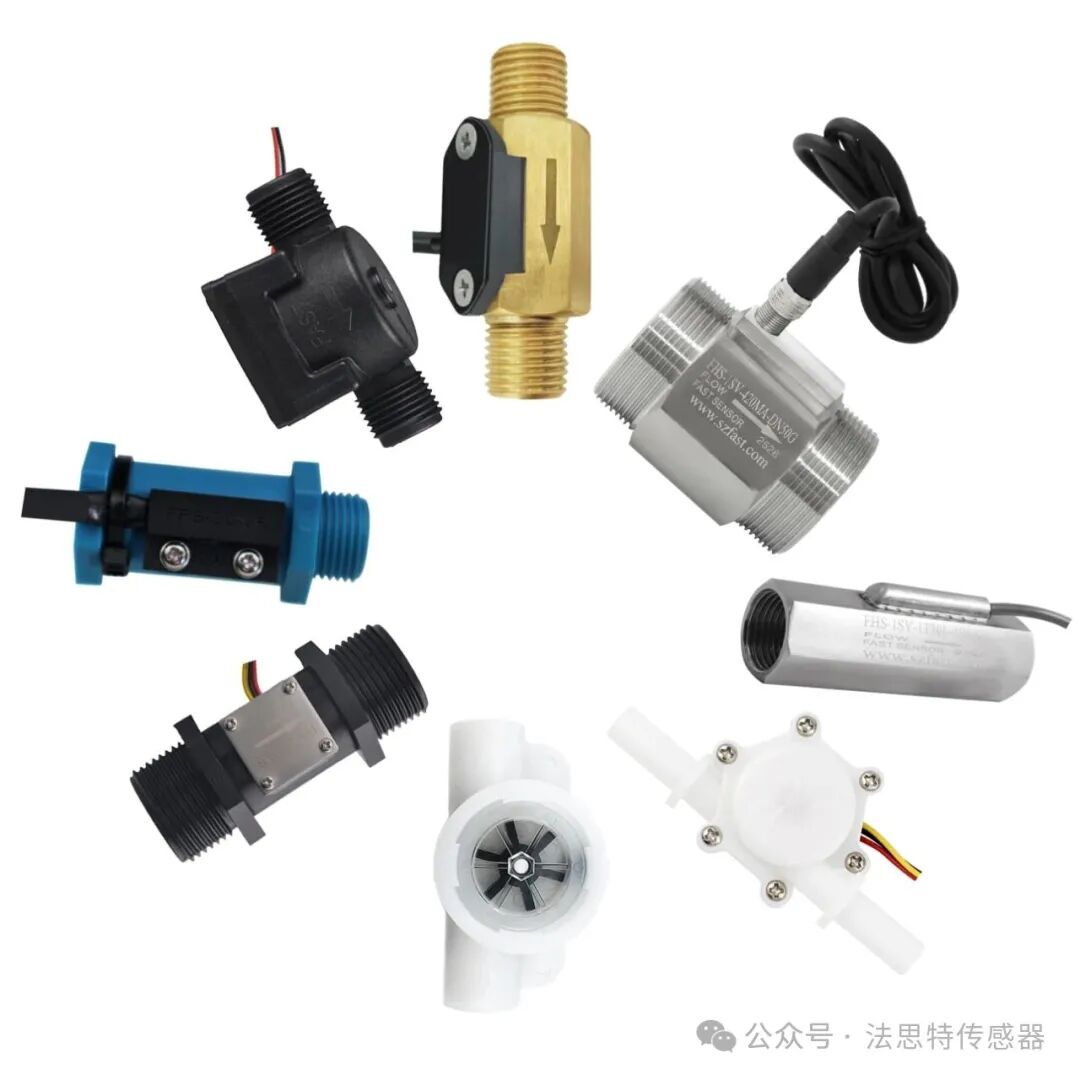
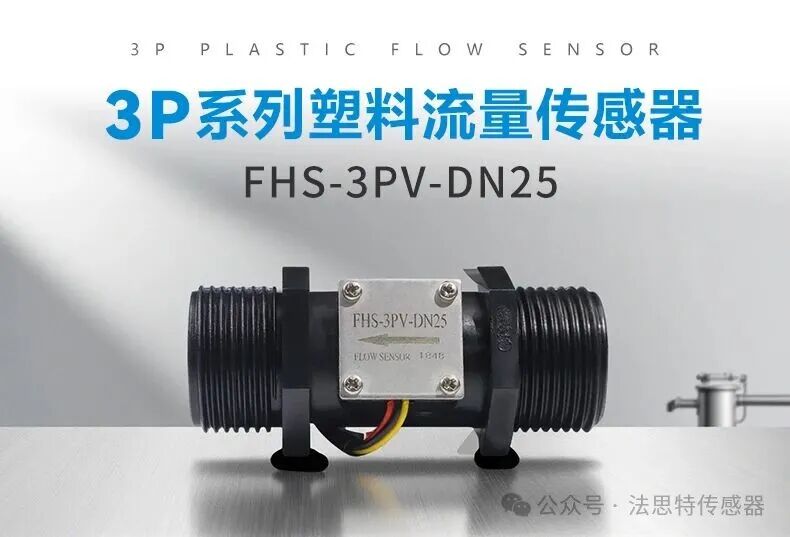
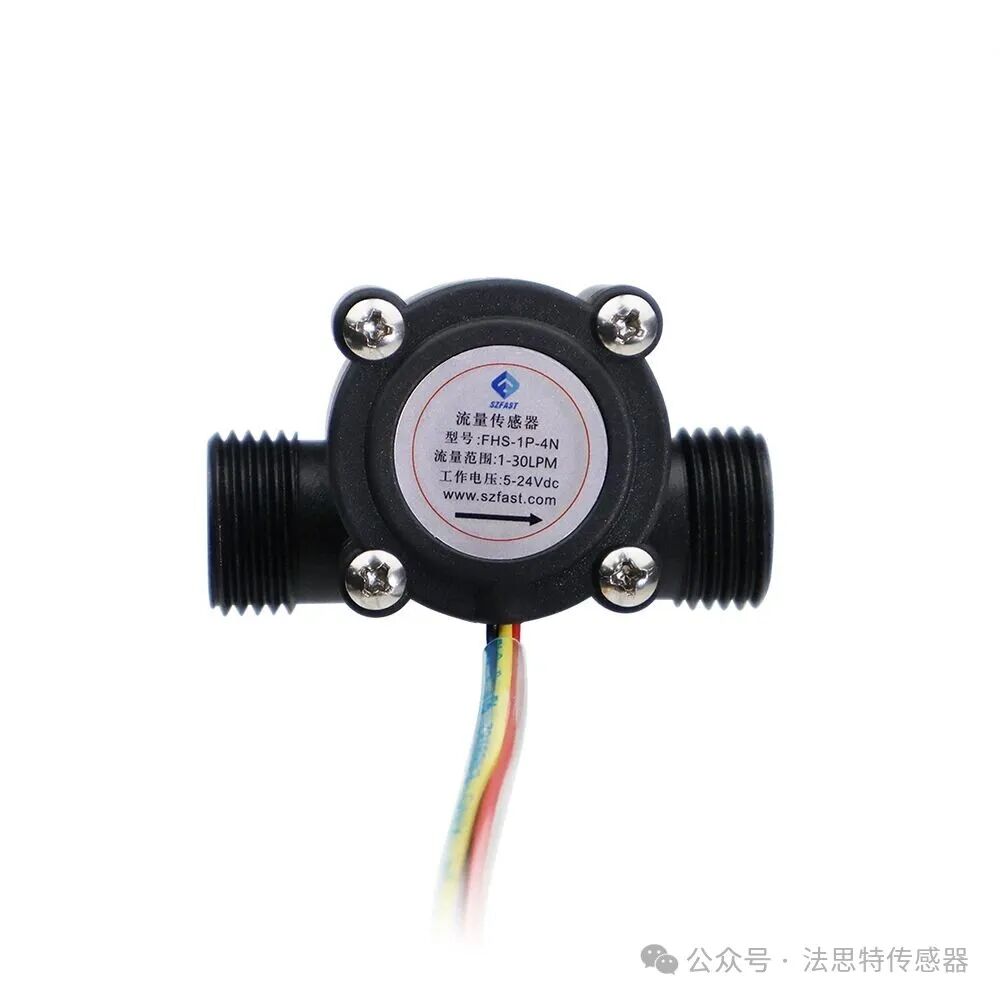
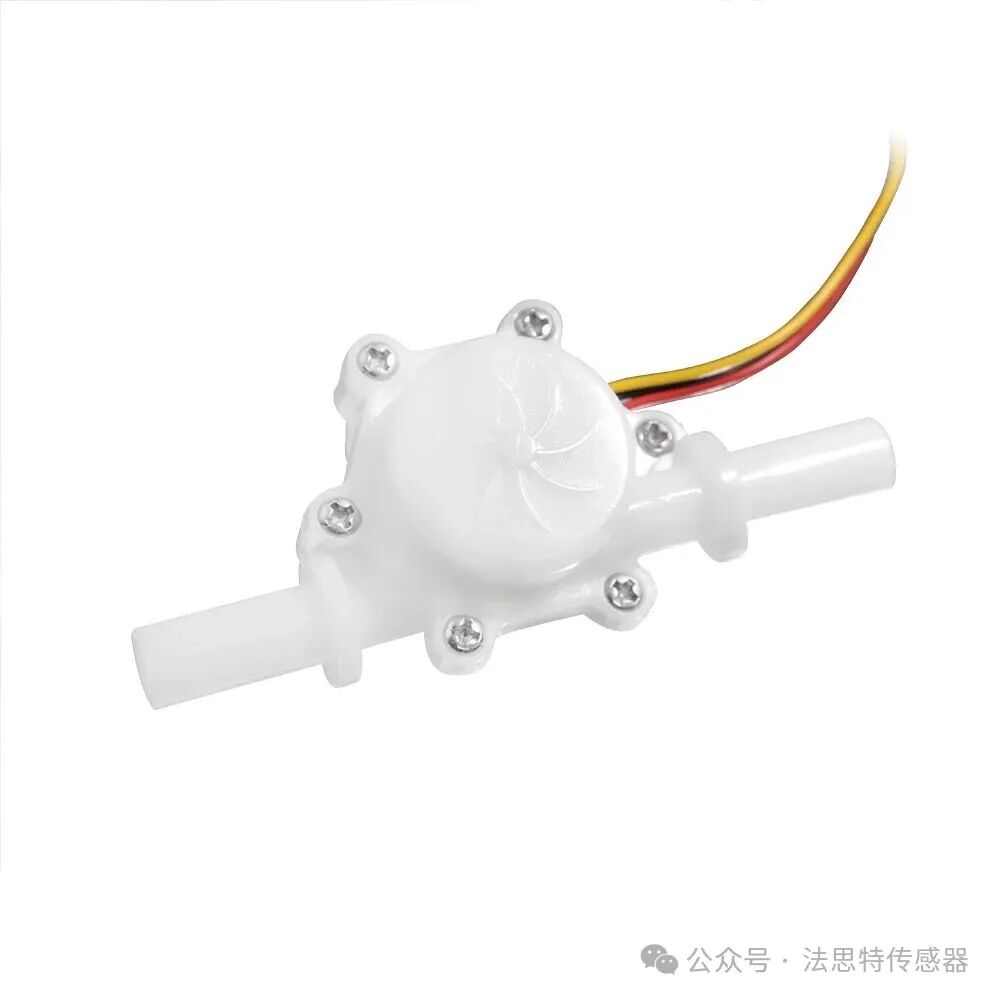
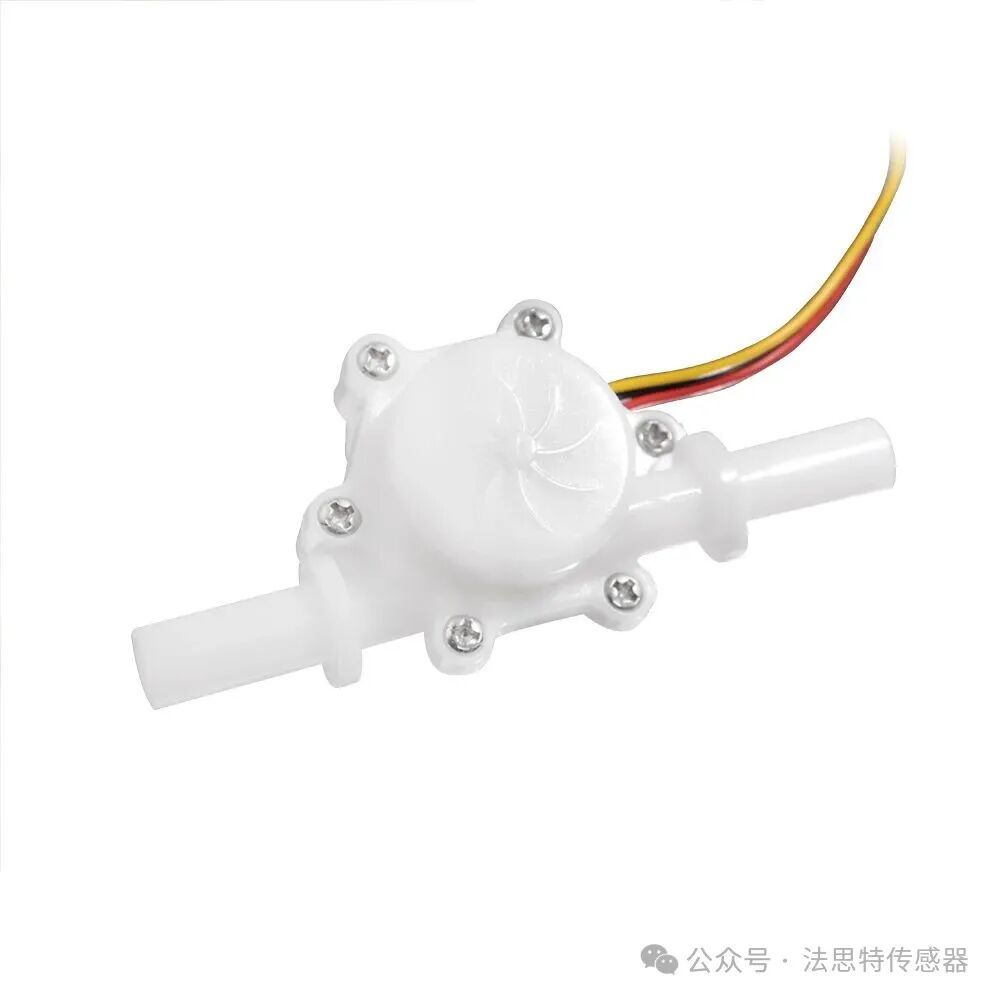
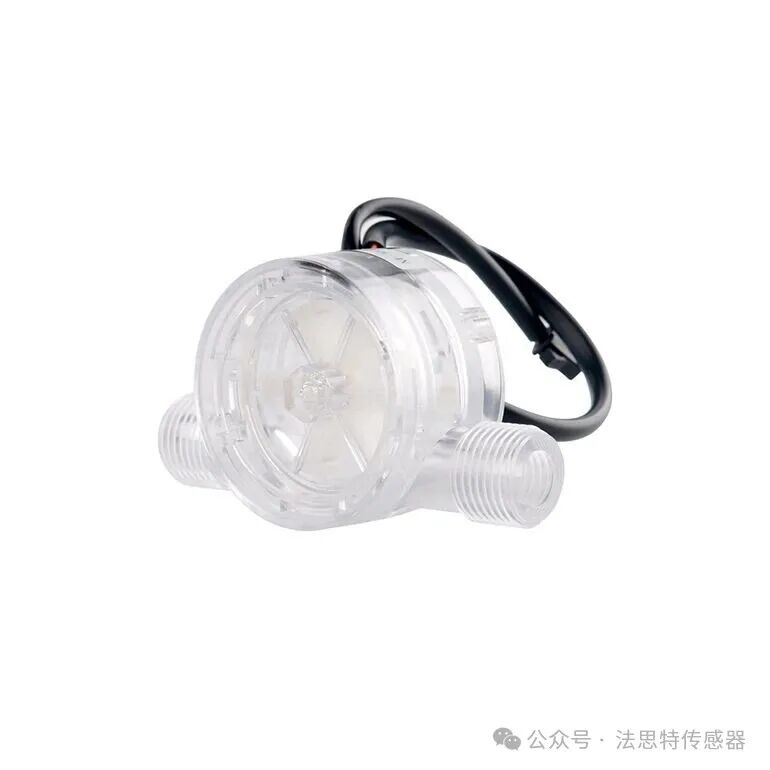
The FHS-1P/2P/3P/4P plastic flow sensors have the advantages of corrosion resistance and low cost, and are significantly lighter than stainless steel and brass materials.
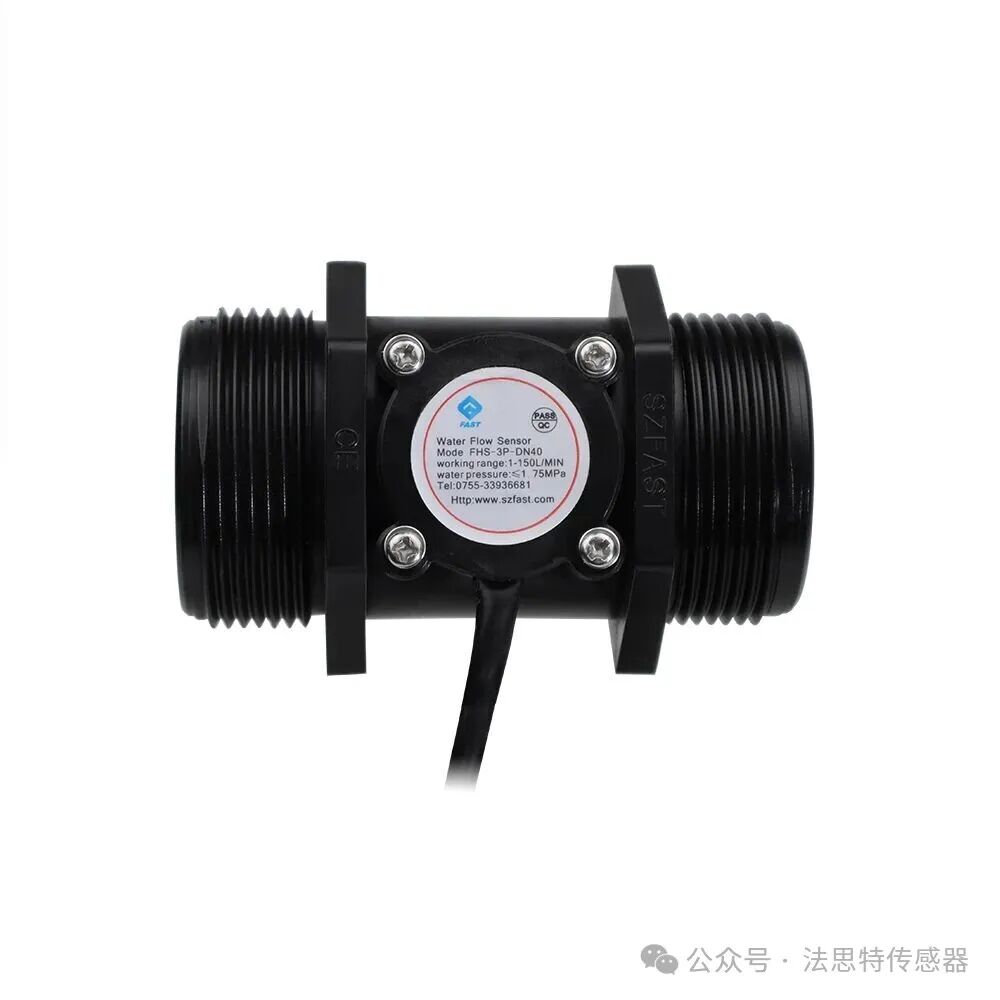
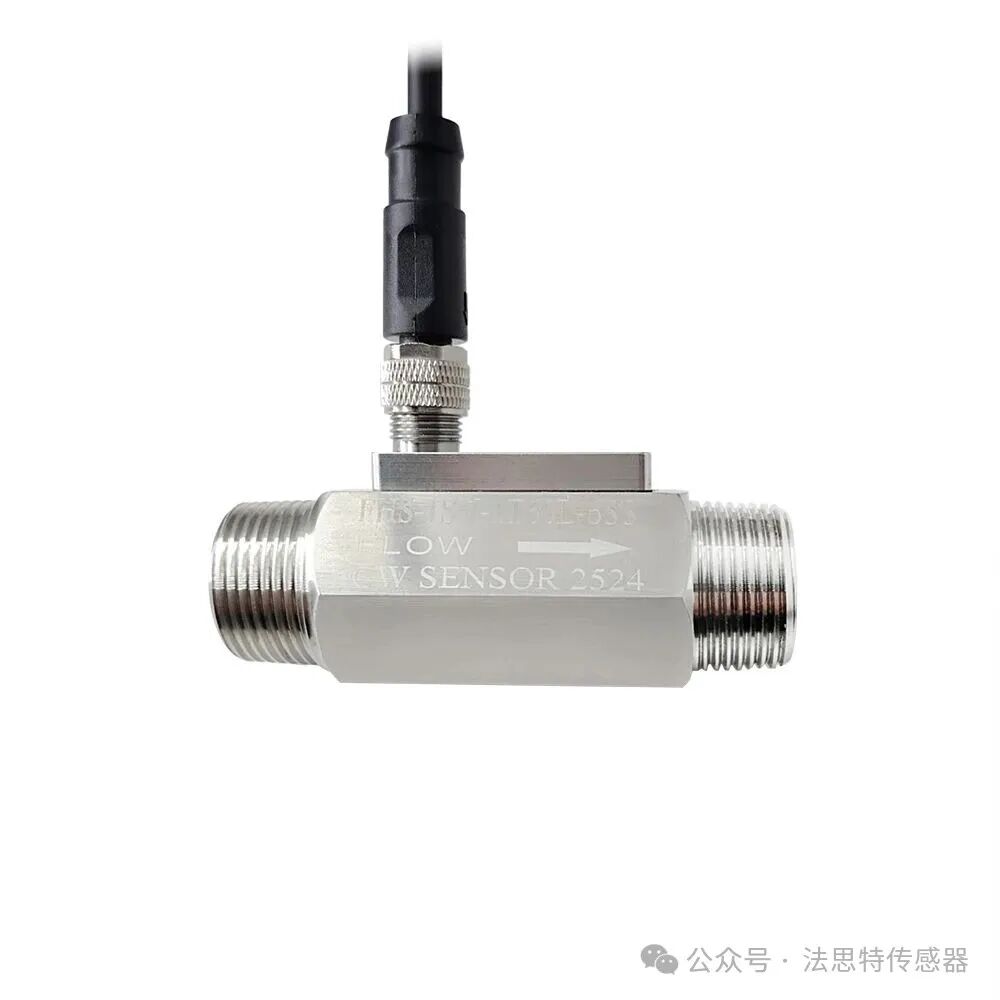
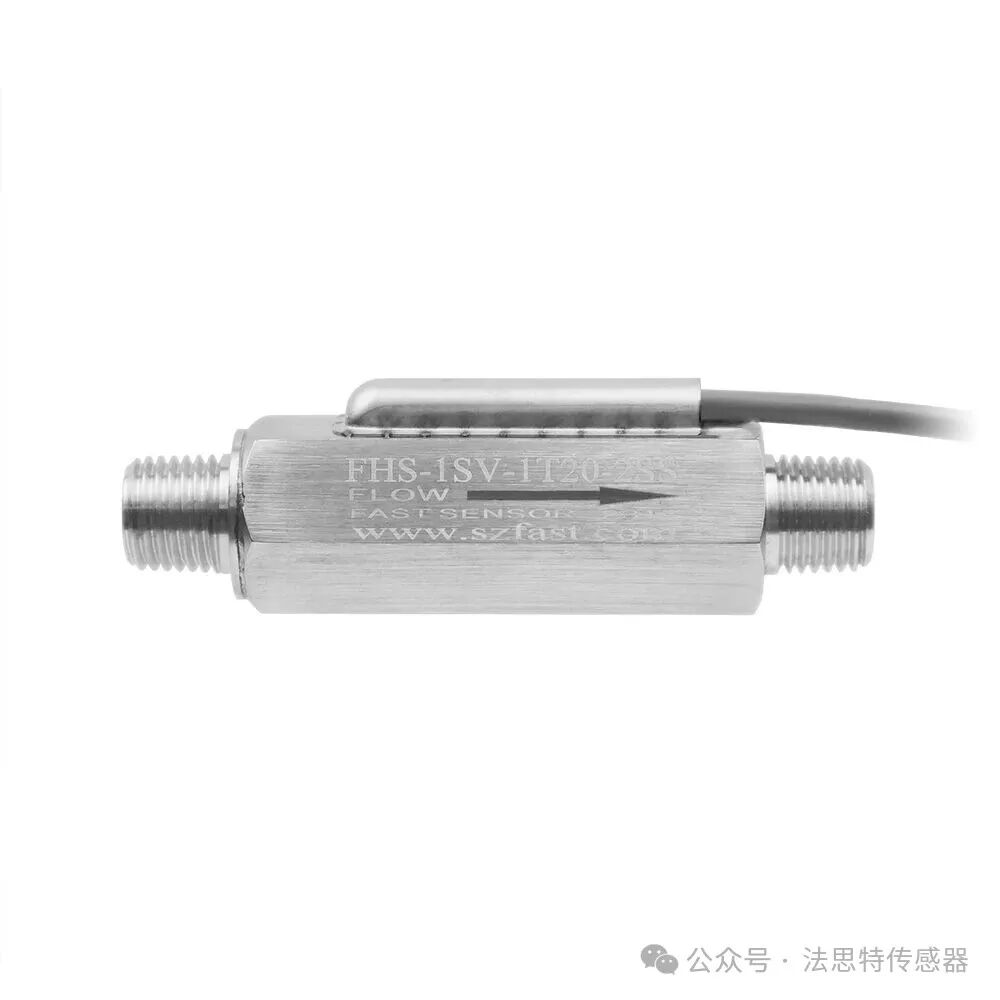
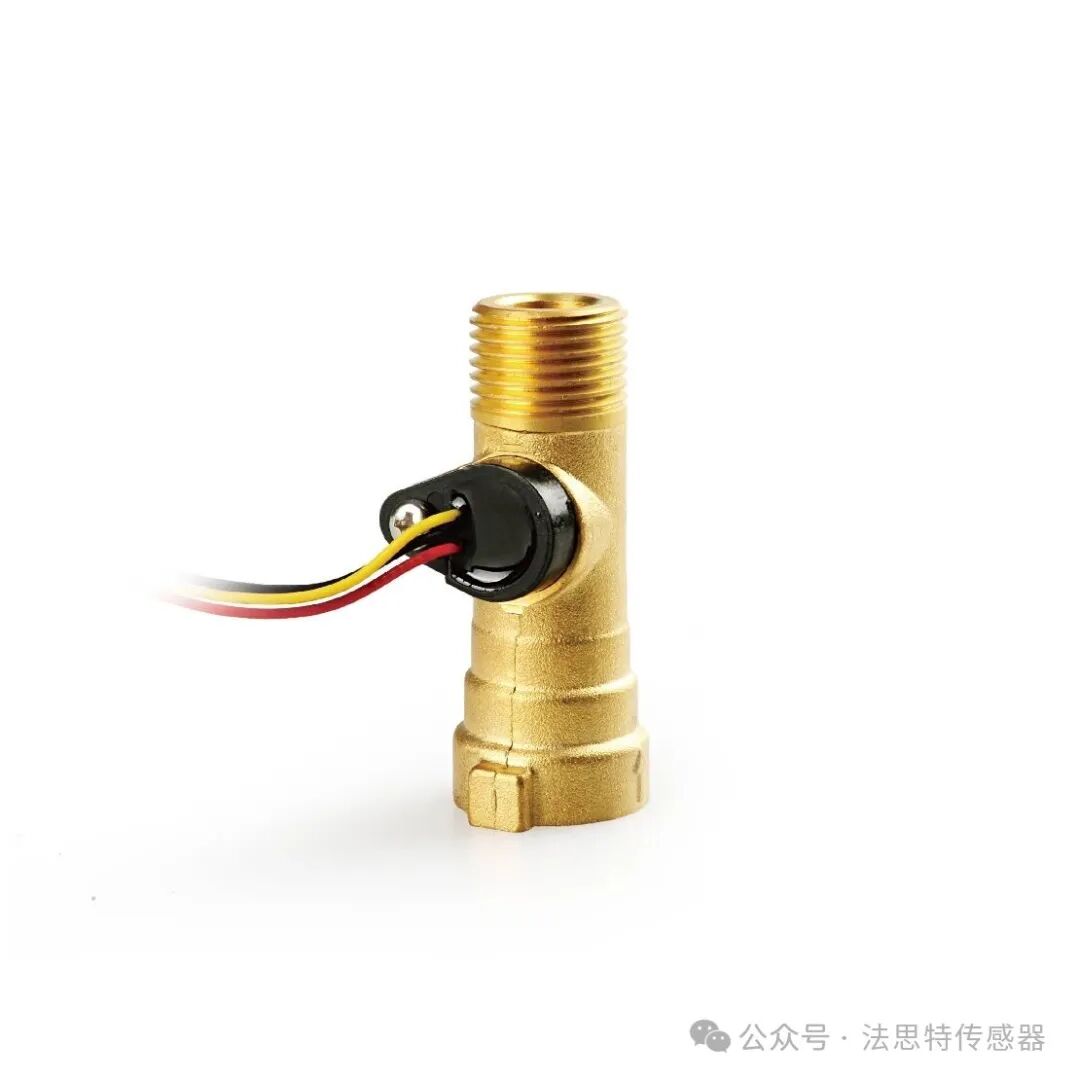
The FHS-1S/2S stainless steel and FHS-1C/2C/3C/4C/5C/6C brass materials are more suitable for high-temperature and high-pressure industrial environments.
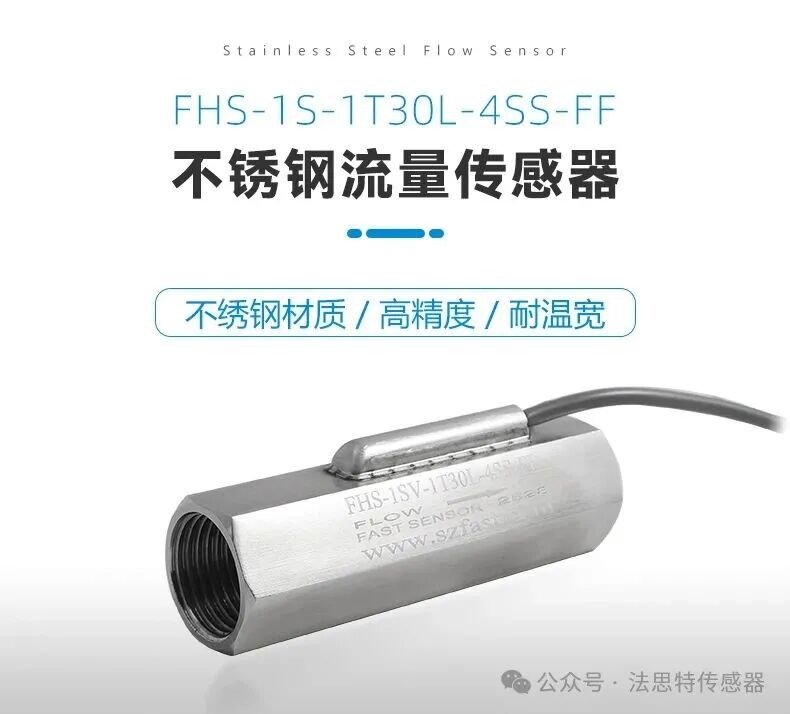
In the food and medical fields, the FHS-4P/5P food-grade material sensors ensure the purity and safety of fluids.
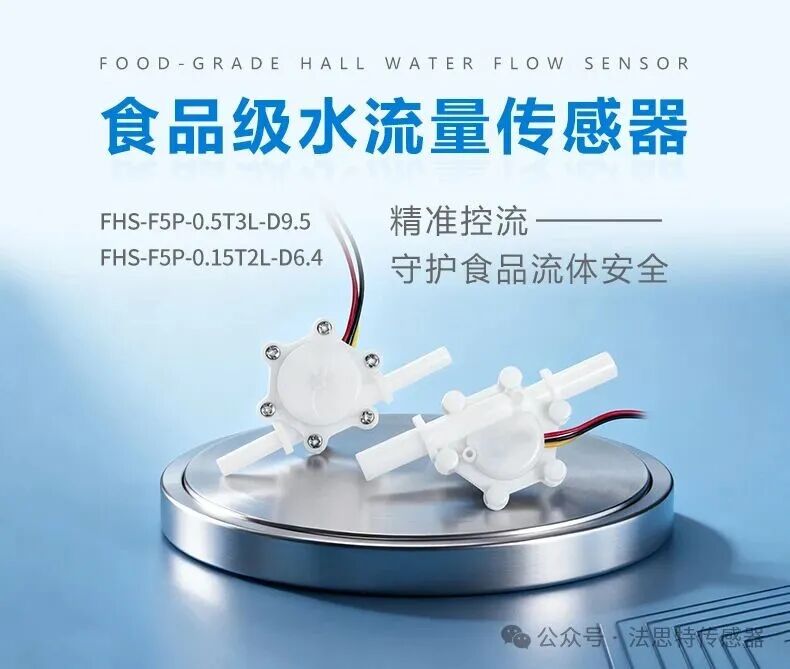
Upon close inspection of these flow sensors, one can find that their interface sealing and shell flatness have been meticulously designed.
Whether it is a turbine flow meter or a micro flow sensor, these details ensure that the sensors can withstand wear and impact during long-term use, ensuring durable and stable operation.

2. Key Parameter Interpretation

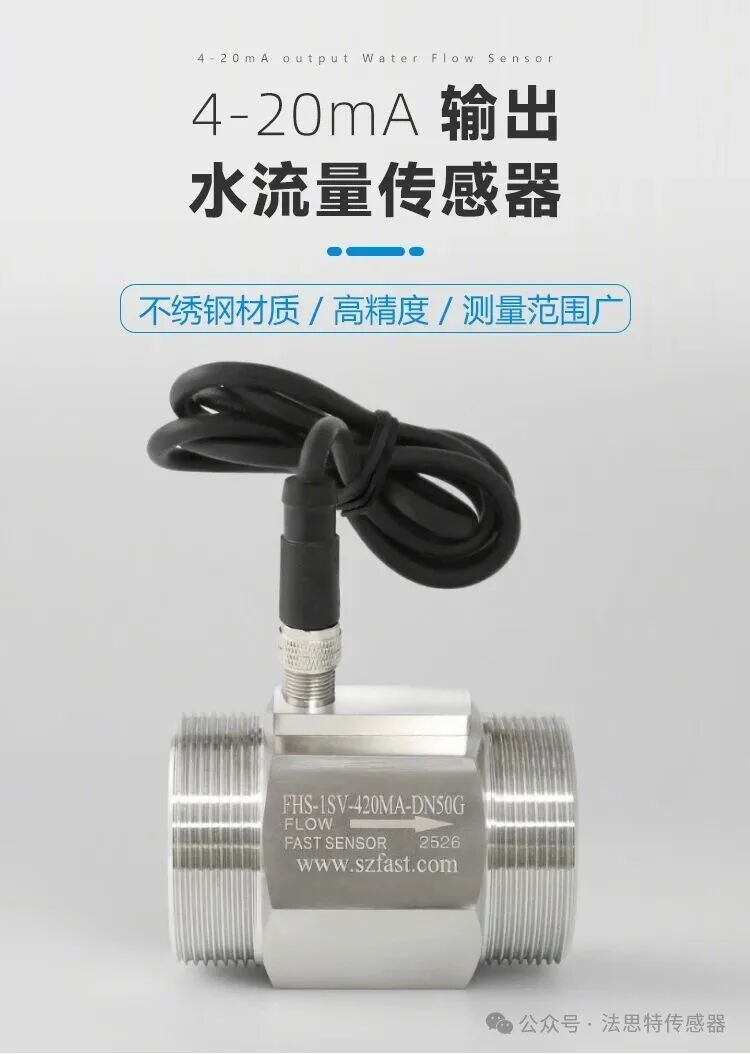
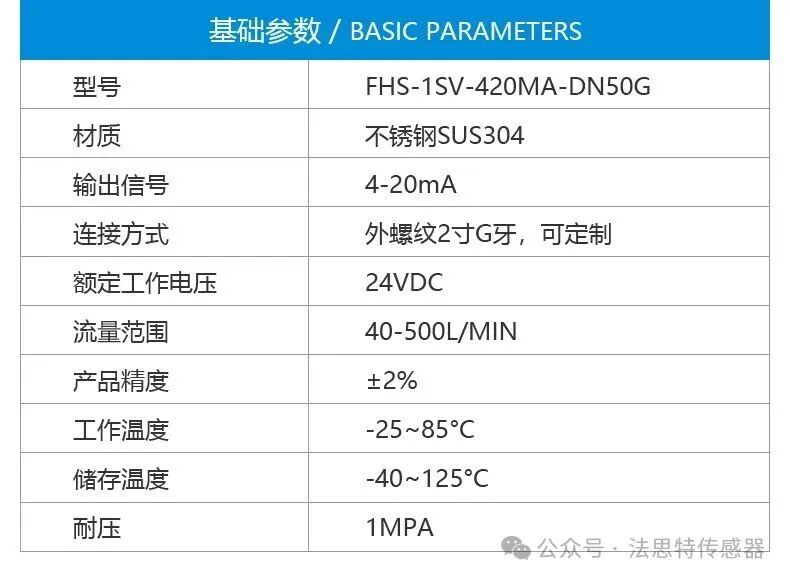
Taking the Fastest stainless steel 4-20mA output flow sensor (model FHS-1SV-420MA-DN50) as an example, its parameters can tell us a lot of information:
Measurement Range
The measurement range of 40-500 liters/min is suitable for medium-sized industrial equipment, while micro flow sensors may only measure a few liters/min, suitable for precision instruments.
The accuracy index of ±2% determines the reliability of the measurement results, and in situations requiring precise ratios, such as beverage mixing or reagent preparation, high-precision sensors are crucial.
Temperature Range
The operating temperature range of -25 to 85℃ allows the sensor to adapt to various environments, from cold outdoors to high-temperature workshops.
The 4-20mA industrial standard signal output enables the sensor to easily connect to existing automation control systems for seamless integration.

3. Choosing the Right Flow Sensor

When purchasing a flow sensor, it is necessary to comprehensively consider the actual application requirements:
① Medium Characteristics
First, consider the medium characteristics: is it measuring water, oil, or chemical liquids? Different media have different material requirements.
② Flow Range
Next is the flow range: choose a sensor that matches the expected flow. The Fastest product line includes micro flow FHS-4P, small flow FHS-1P, and large flow FHS-1S series, covering various flow measurement needs.
③ Installation Environment
The installation environment should not be overlooked: temperature, pressure, vibration, and other conditions determine the protection level and durability requirements of the sensor.
The output signal type must be compatible with the existing control system to avoid additional conversion costs.
The Fastest flow sensors offer a variety of material options including plastic, stainless steel, brass, and food-grade materials, precisely matching the usage requirements in different scenarios, fully meeting the differentiated material requirements of various working conditions.
Official website link: http://www.szfast.com/

● With the development of the Internet of Things and smart manufacturing, flow sensors are becoming more intelligent and networked.
● The Fastest sensor series supports various output methods such as pulse signals and 4-20mA current signals, adapting to different industrial application scenarios.
● Whether in industrial production or daily life, flow sensors play an important role silently.
● Understanding their principles and characteristics helps us better select and use this key component, making fluid control more precise and efficient.
Address: 2nd Floor, Factory Building, No. 10, Zhongri Long Road, Xianggang Community, Shajing Street, Bao’an District, Shenzhen
Contact: Manager Li 13828792426
Email: [email protected]
Phone: 0755-27080252
Website: www.szfast.com
END
Editor| Yuan Siwei
Reviewer| Wen Yujing