1. Key Locations in the Coal Mining Area
(1) Coal Mining Face and Its Return Air System
The coal mining face is the core area of coal extraction, where methane gas is continuously released during the processes of coal fragmentation and extraction. The return airway is the main channel for the discharge of harmful gases such as methane, and the return air corner, due to poor ventilation, is prone to methane accumulation. For high-gas and outburst mines, when the length of the return airway of the coal mining face exceeds 1000m, the distance from the middle of the tunnel to the working face and the return air outlet is relatively far, which may weaken the ventilation effect, making it easier for methane concentrations to become abnormal. Therefore, installing methane sensors in the coal mining face, its return airway, and return air corners can capture changes in methane concentration in real-time and issue timely warnings. Especially in the middle of the return airway that exceeds the length standard in high-gas and outburst mines, monitoring here is crucial; the sensors act like sentinels, constantly guarding the safety of the return air system.
(2) Intake Airway of the Coal Mining Face in Outburst Mines
Outburst mines face a significant risk of coal and gas outbursts, and even the intake airway of the coal mining face may experience increased methane concentrations due to outburst precursors or abnormal conditions. As the entrance for fresh air, any abnormal methane concentration in the intake airway can quickly affect the air quality of the entire working face, increasing the likelihood of accidents. Installing methane sensors in the intake airway can provide early detection of changes in methane concentration, offering preemptive warnings for safe operations at the working face, allowing timely measures to be taken to prevent accidents.
2. Monitoring Key Points in the Excavation Area
(1) Excavation Face and Its Return Air Flow
In coal tunnels, semi-coal rock tunnels, and gas-emitting rock tunnels, as the excavation progresses, new gas-bearing strata are continuously exposed, leading to uncertainty in methane outflow. The return air flow serves as the path for methane discharge, and its methane concentration directly reflects the gas conditions of the excavation face. For excavation tunnels in high-gas and outburst mines, when the length exceeds 1000m, the ventilation and gas diffusion conditions in the middle of the tunnel are relatively complex, and methane concentrations may exhibit local anomalies. Installing methane sensors here can achieve comprehensive monitoring of gas conditions during excavation, capturing real-time outflow situations at the working face, the diffusion state of the return air flow, and potential risks in the middle of long-distance tunnels.
(2) Areas in Series Ventilation
When using series ventilation, the intake airway of the coal mining face directly introduces the return air from the previous working face, which may carry a certain concentration of methane. If the methane concentration is too high in front of the local fan of the excavated working face, it can affect the normal operation and ventilation effect of the local fan. Installing methane sensors at these two locations can monitor the gas risks brought by series ventilation in real-time. For the intake airway of the coal mining face, the sensors can promptly detect methane hazards from the preceding working face; for the local fan in front of the excavated working face, they ensure that the local ventilation system is not disturbed by high concentrations of methane, safeguarding the ventilation safety of the area.
3. Key Tunnels in the Ventilation System
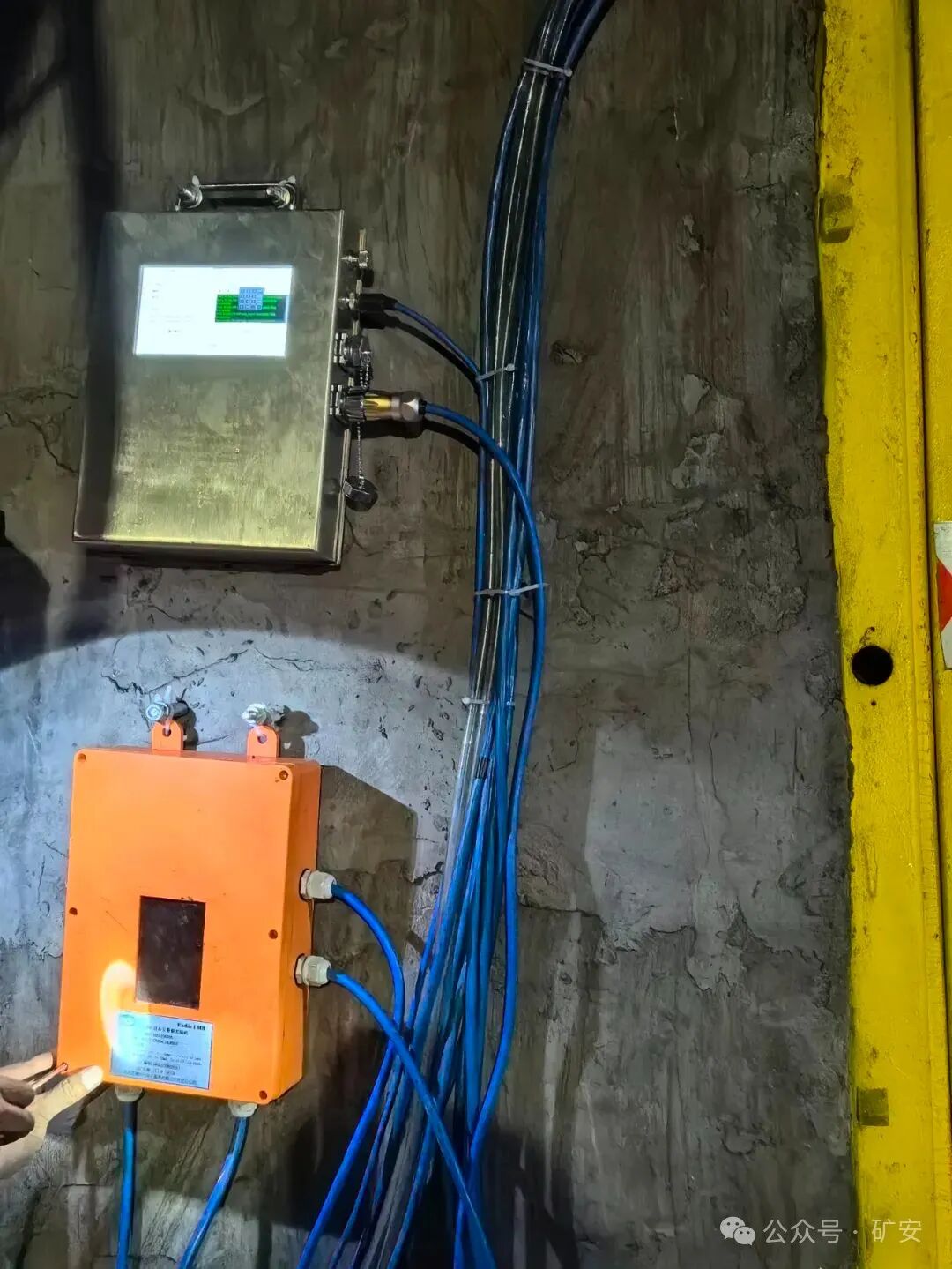
The return air tunnels in the mining area, one-wing return air tunnels, and main return air tunnels are important components of the mine ventilation system, responsible for discharging gas from various areas. Their methane concentrations reflect the overall gas conditions of the entire mining area, one-wing, and even the entire mine. Installing methane sensors in these tunnels can provide macro monitoring of mine gas. By monitoring these key return air tunnels, management can grasp the gas distribution and flow conditions of the entire mine in real-time, promptly detect abnormal gas accumulation, and provide a basis for adjusting and optimizing the mine ventilation system, ensuring the stability and efficiency of the entire ventilation system.
4. Transportation and Storage Areas
(1) Coal Loading Points and Transportation Corridors
At the coal loading points in the main transportation tunnels using overhead electric locomotives, the movement of coal during loading releases methane gas. When the overhead electric locomotive operates, electric sparks may occur between the pantograph and the overhead line; if the methane concentration is too high, it can easily trigger an explosion. Installing methane sensors here can monitor methane concentrations near the loading points in real-time, adding a safety lock to the transportation process. Additionally, during the loading and unloading of coal at the top of the coal bin, methane gas is also released and accumulates; the enclosed ground corridor of the belt conveyor has limited ventilation, and the friction of coal during the operation of the belt conveyor may also release methane, creating dangerous areas of methane accumulation. The sensors at these two locations act as safety guardians, constantly alert to abnormal methane accumulation.
(2) Areas Related to Gas Extraction
The surface gas extraction pump room is the core area of the gas extraction system, containing numerous gas extraction pipelines and equipment. If there is a leak in the pipelines or equipment, it can lead to increased methane concentrations in the pump room, posing significant safety hazards. Installing methane sensors in the pump room can monitor gas concentrations in real-time, ensuring the safe operation of extraction equipment and the safety of the surrounding area. During the operation of temporary gas extraction pump stations underground, gas leaks may occur due to equipment failures or pipeline connection issues; the area outside the downwind fence is where leaked gas may spread, and if methane concentrations are too high, it poses a threat to personnel and equipment in that area. The sensors here safeguard temporary extraction operations. Furthermore, the input and output pipelines of the gas extraction pump are the “blood vessels” of the gas extraction process; the stability of methane concentrations in these pipelines is crucial for the normal operation of the extraction system. Installing methane sensors in the input and output pipelines can monitor methane concentrations in real-time, promptly detecting issues such as pipeline blockages or leaks, ensuring the efficient and safe operation of the gas extraction system.