Small weather station sensors monitor and record meteorological data through various types of sensors, which convert meteorological elements into electrical signals. These signals are then sent to a monitoring center or user terminal via data processing and transmission modules.
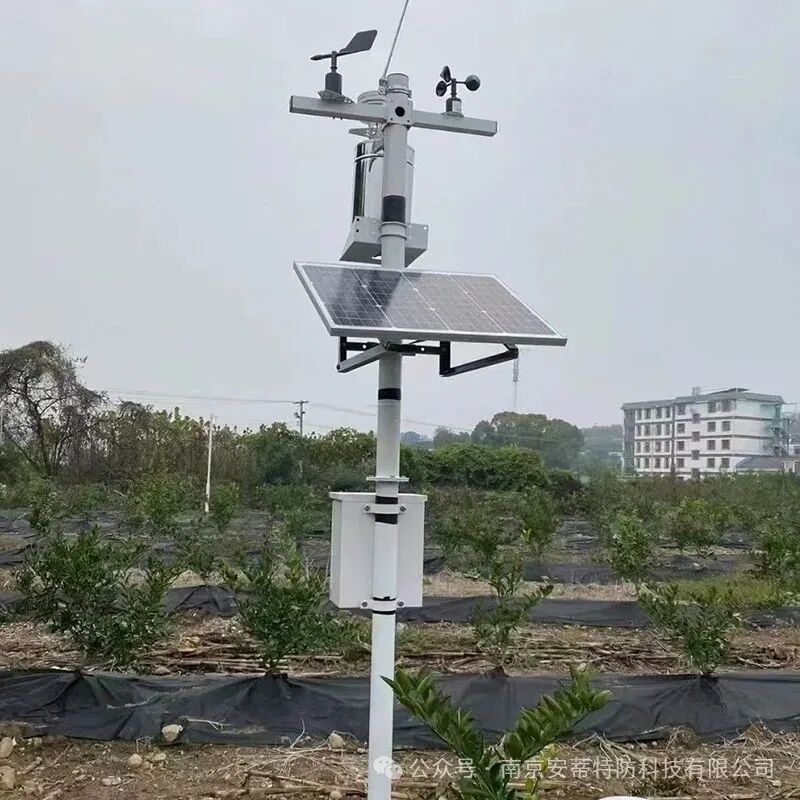
Meteorological elements refer to the six basic meteorological parameters commonly used in meteorological observations, which are temperature, humidity, atmospheric pressure, wind speed, wind direction, and precipitation. These elements are fundamental to meteorological research and are significant for weather forecasting, climate analysis, and various environmental monitoring.
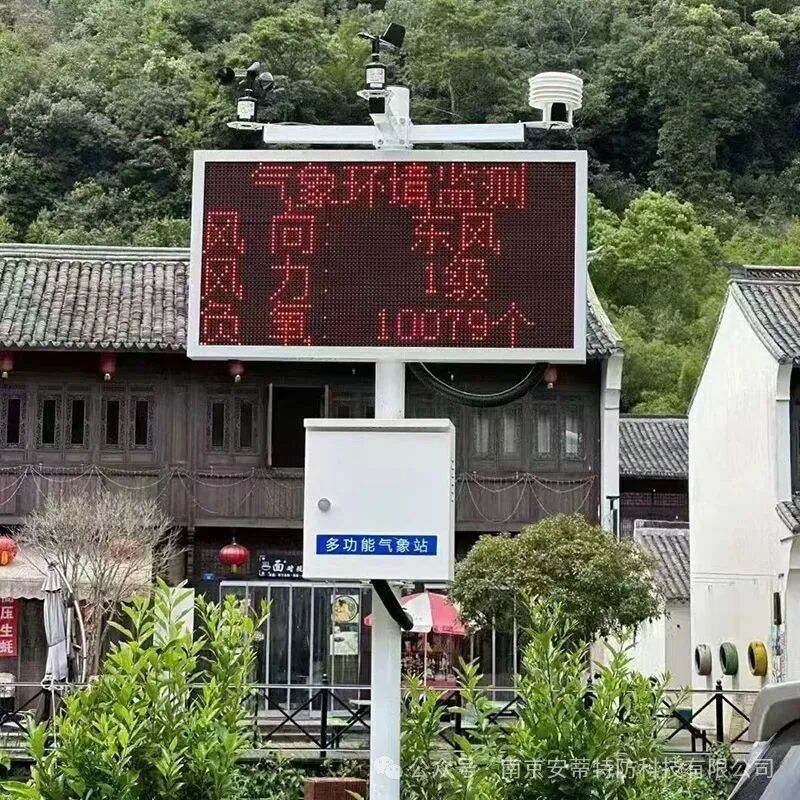
Small weather station sensors are characterized by their real-time and continuous capabilities. They can collect meteorological data in real-time and transmit this data to the meteorological monitoring center. This allows meteorologists to promptly understand changes in meteorological elements and make accurate weather forecasts. Moreover, the sensors can operate continuously, recording meteorological data without interruption, providing a wealth of historical data for meteorological research.