
 Written by丨Tan ZixinToday, the Science and Technology Department of the Ministry of Industry and Information Technology released a list that has attracted widespread attention in the robotics community.In response to industrial development and industry management needs, relevant units proposed the establishment plan for the Standardization Technical Committee for Humanoid Robots under the Ministry of Industry and Information Technology. The 65 members of the “Standardization Committee” include representatives from government departments, universities, research institutions, and various enterprises along the industrial chain.
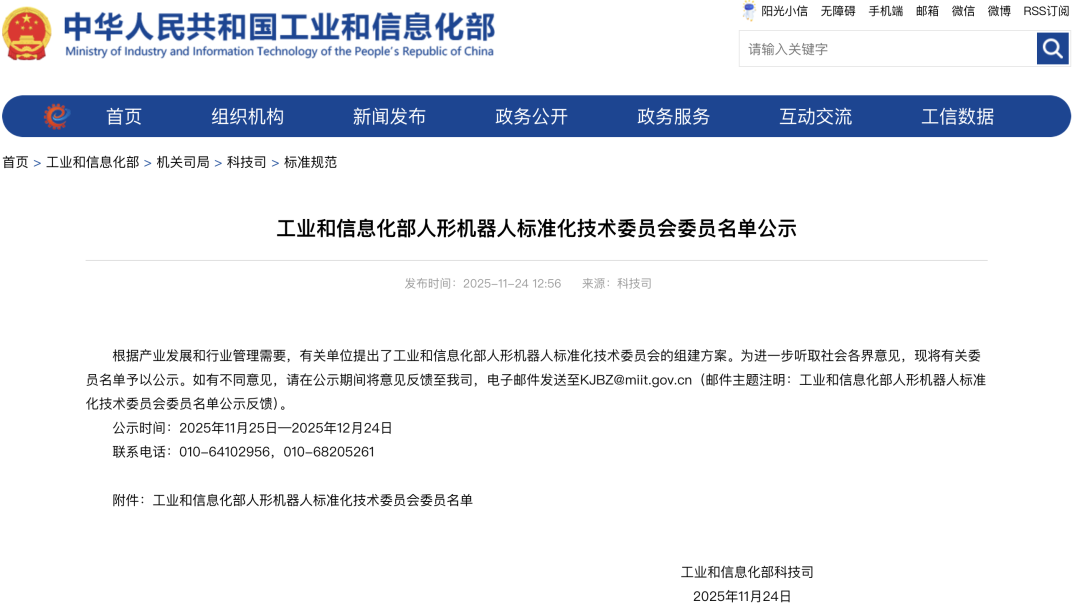 The establishment of a standard system for humanoid robots in our country is expected to further enhance the advantages of the industrial chain and promote the competitiveness of domestic robot products in the international market, especially in the fields of component technology, complete machine technology, and embodied intelligence, which is expected to reshape the global competitive landscape of intelligent manufacturing.
 Multiple Market Players GatherThe first batch of selected corporate representatives almost gathered the all-star lineup of the robotics community.Wang Xingxing from Yushu Technology and Peng Zhihui from Zhiyuan Robotics serve as deputy chairpersons of the committee.
 In addition, founders or relevant leaders from more than ten companies, including UBTECH, Star Motion Era, Galaxy General, Siasun Robot, Leju Intelligent, Zhujidongli, Accelerated Evolution, Fourier, Yundong Technology, Songyan Power, and Xinghai Map, also serve as committee members. There are also cross-industry players, such as Xiaopeng Motors, which recently gained attention for its IRON robot catwalk, and Xiaomi Robotics, which has been quietly building strength.Among them, UBTECH andSiasun Robot are publicly listed companies,UBTECH has a market value of 52.6 billion Hong Kong dollars (approximately 49.7 billion RMB), making it the highest-valued company in the domestic humanoid robot field;Siasun Robot is a listed company on the A-share market, with a market value of about 26.7 billion RMB, representing a well-established industrial robot brand.Companies preparing for listing, such as Leju Intelligent, completed 1.5 billion RMB in Pre-IPO financing by October 2025;Yushu Technology has completed IPO counseling work on November 10, 2025, and is officially entering the listing application preparation stage.The remaining manufacturers are unicorns or industry newcomers with valuations ranging from 1 to 9 billion RMB.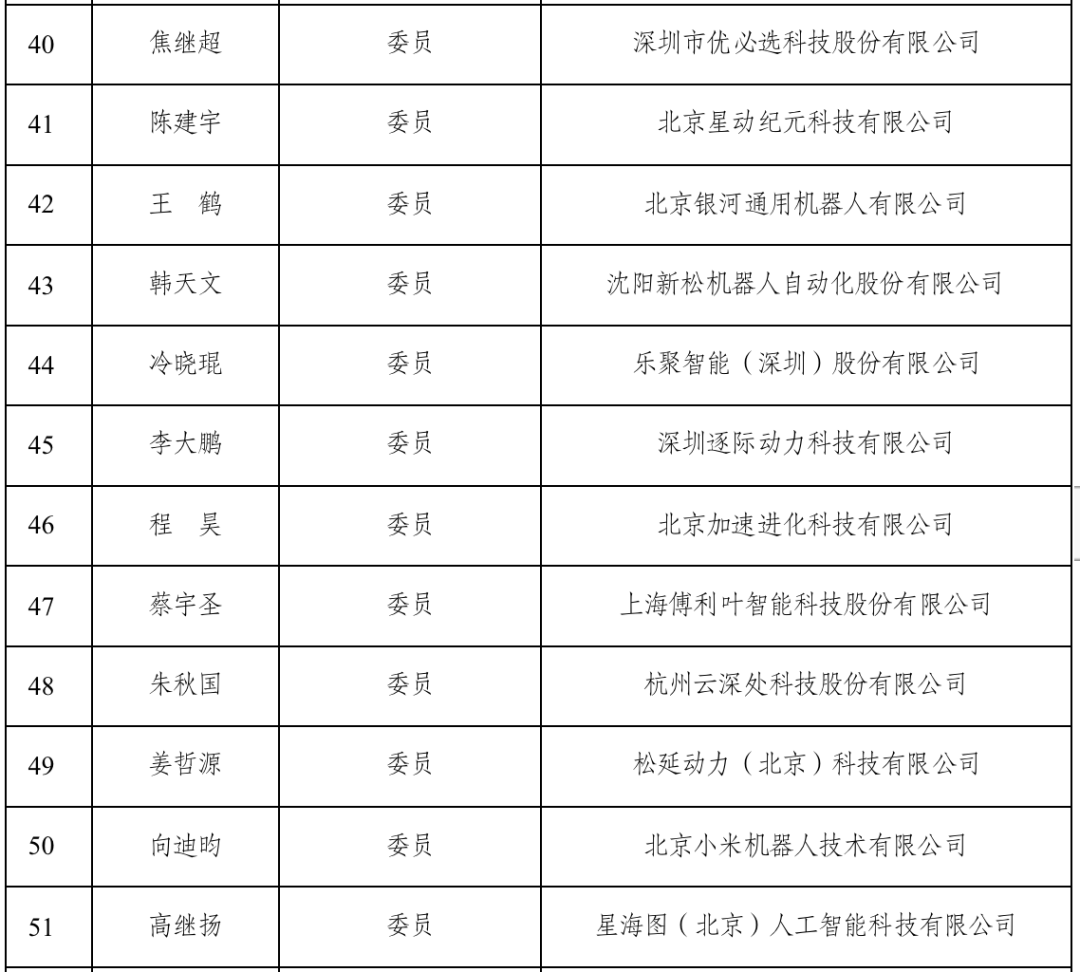
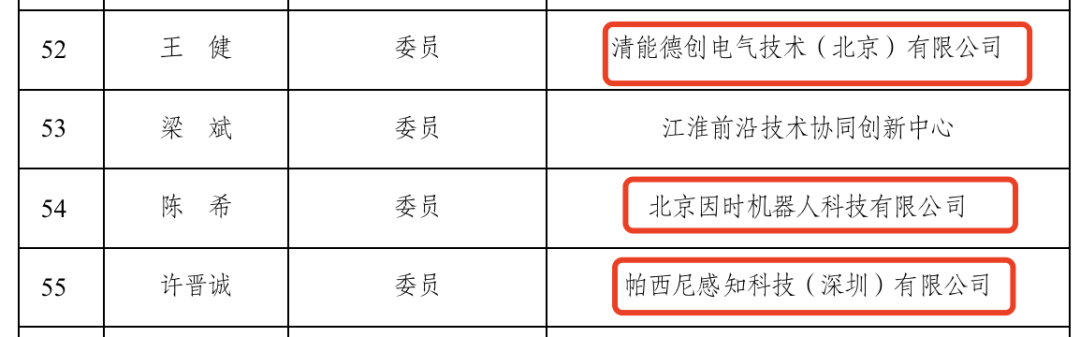
 In addition to complete robot manufacturers, the list also includes industry chain-related companies such as Pasini, Yinshi Robotics, and Qingneng Dechuang.Pasini focuses on high-precision multi-dimensional tactile sensors and completed 1 billion RMB financing between April and August this year;Yinshi Robotics is a manufacturer specializing in the research and development of micro-precision motion components and servo control technology, and is one of the core enterprises in the domestic humanoid robot core components field;Qingneng Dechuang is a representative in the domestic industrial robot servo drive field, with a product range covering industrial robots from 3kg to 800kg.
 Additionally, there are innovation centers for embodied intelligent robots co-built by national and local governments, includingHumanoid Robot (Shanghai) Co., Ltd., Beijing Humanoid Robot Innovation Center Co., Ltd., Zhejiang Humanoid Robot Innovation Center Co., Ltd., Hubei Humanoid Robot Innovation Center Co., Ltd., Chengdu Humanoid Robot Innovation Center Co., Ltd., etc.Experts in the field of embodied intelligence from more than ten universities, including Tsinghua University, Peking University, Beihang University, Beijing Institute of Technology, Shanghai Jiao Tong University, and University of Electronic Science and Technology, are also involved in supporting this initiative.The Market Landscape May Be ReshapedIndustry analysis suggests that as global competition in humanoid robots accelerates towards commercialization, the right to formulate standards is essentially a contest for industrial discourse power.Our country is expected to become the first in the world to establish a national-level humanoid robot standard organization, which also means that this emerging industry, regarded as the “ultimate form of intelligent manufacturing,” is about to bid farewell to its wild growth and enter a new stage of standardized development.
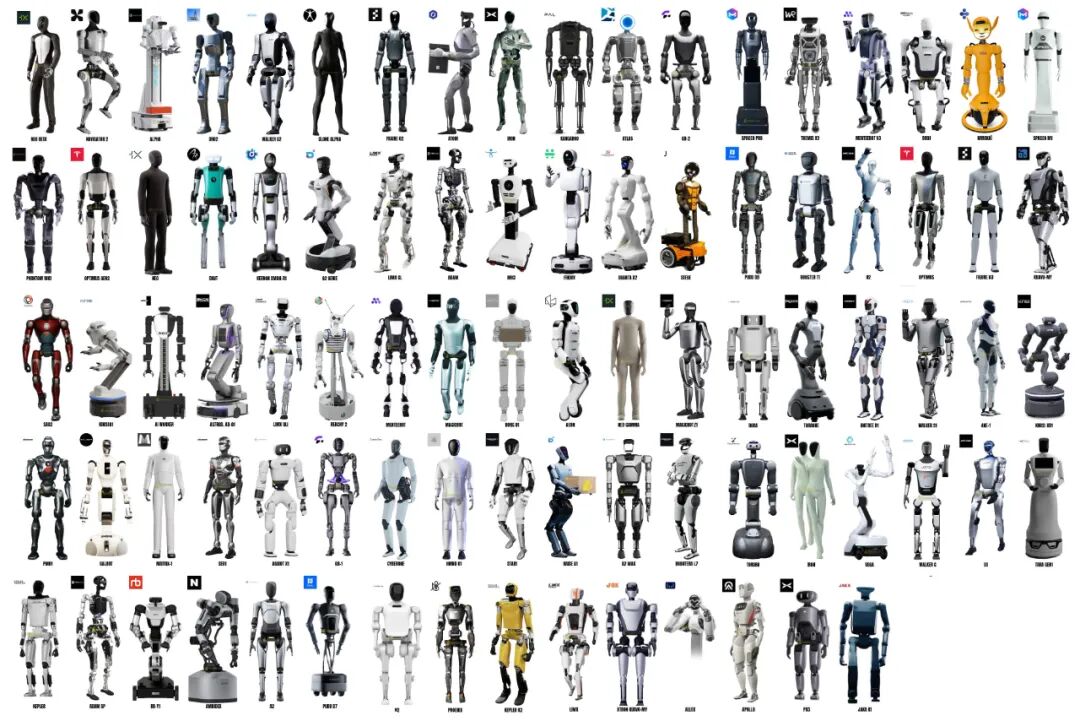 According to the “2025 Research Report on Humanoid Robots and Embodied Intelligence Industry,” it is predicted that by 2025, the market size of embodied intelligence in China is expected to reach 5.295 billion RMB, accounting for about 27% of the global market; the market size of humanoid robots is expected to reach 8.239 billion RMB, accounting for about 50% of the global market. As the cost of complete machines decreases from300,000-500,000 RMB to below 100,000 RMB, it lays the foundation for large-scale popularization. Since the beginning of this year, several companies have exceeded1,000 units in production and delivery. As the market size rapidly expands, the urgency for standard formulation is increasing. In many other industries, standards have evolved from technical specifications to “top-level design” for market competition, becomingthe key to reshaping the competitive landscape.For example, improvingentry screening, eliminating inferior and outdated production capacity;determining the besttechnology development paths and industrial evolution methods; upstream and downstreamvalue chain restructuring andupgrading competitive dimensions, promoting the industry from price wars to high-level competition in technology, quality, and service.Chinese Standards Will Provide a “Reference Frame” for the WorldIn addition to technical standards, as humanoid robots accelerate towards commercialization and potentially enter thousands of households, one aspect that may be easily overlooked is safety.Recently, the American star robot companyFigure AI was sued by its former chief safety engineer,who claimed he had warned company executives that the Figure robot “had the power to crush a human skull” and “left a 1/4 inch cut on a steel refrigerator door during a malfunction,” but was wrongfully terminated afterward. The rushed product launch posed a clear danger to the public.
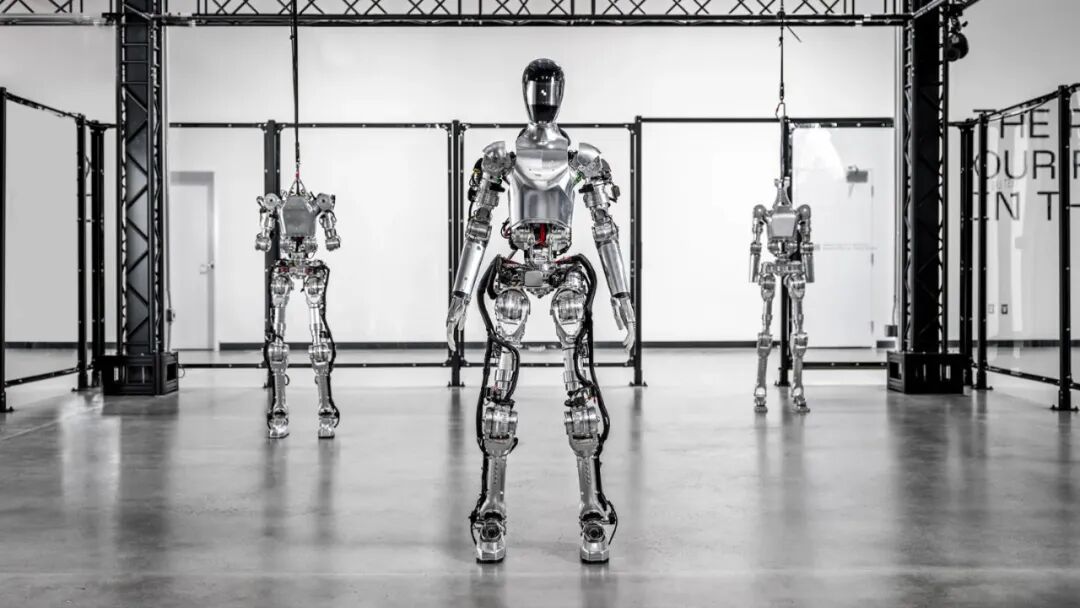 This lawsuit occurred two months after Figure completed a new round of financing, valuing the company at39 billion USD and is one of the first cases related to humanoid robot safety globally. The dismissed engineer claimed that the product safety plan, which served as the basis for investment decisions, underwent a “huge change,” but the company dismissed him under the vague pretext of “business direction” changes.Previously, well-known robotics expert Rodney Brooks also mentioned thatfull-size humanoid robots pose potential “high risks.”Current humanoid robots use more powerful motor drives, maintaining balance by injecting large amounts of energy into the system during instability, primarily following zero moment point algorithms. If a robot accidentally falls, its limbs can have a large amount of free kinetic energy, often accelerating rapidly in free space, which is why many robots occasionally behave as if they are “freaking out” and can even injure those nearby.If medium and small humanoid robots are scaled up, they must have proportionally thicker limbs, which means greater mass, and the energy required to drive them may increase by more than eight times, leading to potential harm during upgrades. For humanoid robots to truly “enter thousands of households,” they still need to overcome multiple obstacles.
On the eve of a global explosion in the humanoid robot industry, our country’s pioneering standards are expected to provide a new reference frame for the world.
-END-
Event Recommendation
If you have anything to say, feel free to leave a comment!
For submissions or inquiries, please message “Submission” to add the editor on WeChat.
Stay updated on the latest technology trend analysis, exclusive insights from within the industry, regular interactive discussions and knowledge sharing, and opportunities for direct face-to-face communication with industry experts. Get a collection of 100 AI technology business research reports and join the group for discussion and growth—Scan the QR code below to add the head technology editor!