 0 Paper InformationTitle:Policy for poverty alleviation and relocation promotes synergistic development of the cross-regional social-ecological system: A case study of Guizhou, ChinaJournal:Technological Forecasting and Social Change(CAS Q1 TOP; IF: 13.3)Time:April 2024Authors:Xunhuan Li, Yongsheng Wang, Zhaosheng WangAbstract Realizing ecological value in rural areas through industrial development is an indispensable path for global rural sustainable development. However, due to the lack of quantitative methods, how to choose efficient Rural Industrial Development Modes (RIDMs) to achieve ecological value in rural areas remains unclear. This study proposes a quantitative measurement method to identify RIDMs in 2090 counties in China and assess their capability to realize ecological value. The results show that: the modernization of agriculture and the integration of primary, secondary, and tertiary industries are the two most common RIDMs in rural China, while the integration of agriculture and tourism and ecological tourism are the two RIDMs with the highest ecological efficiency. Furthermore, the ecological value of rural China in 2020 (63.11 trillion yuan) far exceeds its economic value (50.43 trillion yuan), and the spatial distribution of the two is mismatched. Rural areas in western China have significant ecological value but generate low economic output. Our findings highlight the importance of realizing the enormous ecological value in rural areas through effective RIDMs to promote rural sustainable development in China and other developing countries.Highlights● A quantitative method is proposed to identify Rural Industrial Development Modes (RIDMs) in China.● The modernization of agriculture and the integration of the three industries are the two most common rural industrial integration development modes in China.● The integration of agriculture and tourism and ecological tourism are the two industrial integration development modes with the highest ecological efficiency in China.● The ecological value of rural China far exceeds its economic value, and the two are mismatched in spatial distribution.1 Introduction
Rural industrial development and ecological protection are key issues for sustainable rural development worldwide. However, rapid urbanization and industrialization have led to a series of socio-economic and environmental problems in rural areas, such as urban-rural disparities, rural hollowing, abandoned farmland, and environmental pollution, which have become global challenges hindering the transformation of rural economies (Markey et al., 2008; Liu, 2021). To address these challenges, the Chinese government has proposed the “Two Mountains” theory (Green mountains and clear waters are invaluable assets) and implemented the Rural Revitalization Strategy (RRS), emphasizing the necessity of realizing the economic value of ecosystem services and products (Zheng et al., 2019). Industry is a core element of rural regional systems and serves as a link between rural economic development and the realization of ecological value. Therefore, the transformation of rural industrial development and the realization of ecological value are becoming important ways for developing countries to achieve sustainable development.
Previous studies have explored rural industrial development and the realization of ecological value from various aspects, but the identification of Rural Industrial Development Modes (RIDMs) has mainly relied on qualitative case studies at the micro level. Comprehensive quantitative assessments of RIDMs and the realization of ecological value are still lacking, which hinders the widespread practice of the Rural Revitalization Strategy and the “Two Mountains” theory in China. To fill this gap, this paper proposes a quantitative method to identify RIDMs and assess their capability to realize ecological value, aiming to provide quantitative evidence for selecting effective industrial development modes to implement China’s Rural Revitalization Strategy and practice the “Two Mountains” theory, and to offer important insights for global rural sustainable development.
2 Theoretical Analysis
2.1. Rural Industrial Development Modes in China
By reviewing empirical studies on rural industrial development at different scales and regions in China, this paper summarizes and categorizes ten typical Rural Industrial Development Modes (RIDMs) into three categories: industrial integration, relocation and resettlement industrial development, and agricultural modernization. Industrial integration is the main transformation method in regions with good location and economic foundations, where tourism is a key driver. Relocation and resettlement are effective ways to reconstruct the industrial system, achieve poverty alleviation, and ecological restoration in remote and environmentally harsh areas through population reallocation. Agricultural modernization aims to enhance the industrial level of traditional agricultural areas through scaling, commercialization, and specialization.
Table 1. Summary of Current Industrial Development Modes in China
|
Category |
Code |
Mode |
Mode Characteristics |
|
Industrial Integration |
T11 |
Agricultural-Tourism Integration |
Based on geographical advantages and agricultural foundations, counties can achieve rural revitalization through the development of agricultural tourism. |
|
T12 |
Cultural-Tourism Integration |
Utilizing local historical and cultural resources, counties can promote rural revitalization and cultural heritage through the development of cultural tourism. |
|
|
T13 |
Ecological Tourism |
With rich natural resources and beautiful environments, counties aim to balance economic development with environmental protection in rural areas through ecological tourism. |
|
|
T14 |
Integration of Primary, Secondary, and Tertiary Industries |
Counties can achieve rural revitalization through the integration of agriculture, manufacturing, and tourism without any comparative advantages. |
|
|
Relocation and Resettlement Industrial Development |
T21 |
Resettlement near or into Industrial Parks |
Due to harsh environments, people relocate from remote rural areas to urban industrial parks to improve their lives through labor-intensive industries. |
|
T22 |
Resettlement near or into Tourist Attractions |
Due to unfavorable environments, people relocate from remote areas to tourist attractions to make a living through rural tourism. |
|
|
T23 |
Comprehensive Development of Relocation |
Due to poor living conditions, people relocate from remote rural areas to urban areas, towns, or central villages, promoting rural revitalization through comprehensive improvements in industry and public services. |
|
|
Agricultural Modernization |
T31 |
Agricultural Modernization |
Based on local agricultural resources and planting product advantages, counties can achieve specialized and scaled agricultural modernization through the introduction of new technologies, e-commerce, processing enterprises, etc. |
|
T32 |
Animal Husbandry Modernization |
Based on local agricultural resources and livestock product advantages, counties can achieve rural revitalization through specialized and scaled animal husbandry production. |
|
|
T33 |
Fishery Modernization |
With advantages in water resources and fisheries, counties can achieve rural revitalization through specialized and scaled fishery production. |
2.2. Theoretical Understanding of Rural Industrial Development
This paper proposes a theoretical framework to guide the quantitative identification of RIDMs. The framework posits that a suitable industrial development path for a region should comprehensively consider three core dimensions: resource endowment, current industrial performance, and local characteristics. Resource endowment is fundamental, determining the natural basis and locational conditions for industrial development; industrial performance reflects the current state and future direction; local characteristics reveal the comparative advantages of the region. These three dimensions are closely related and interact with each other, collectively determining the types and potential of rural industrial development.
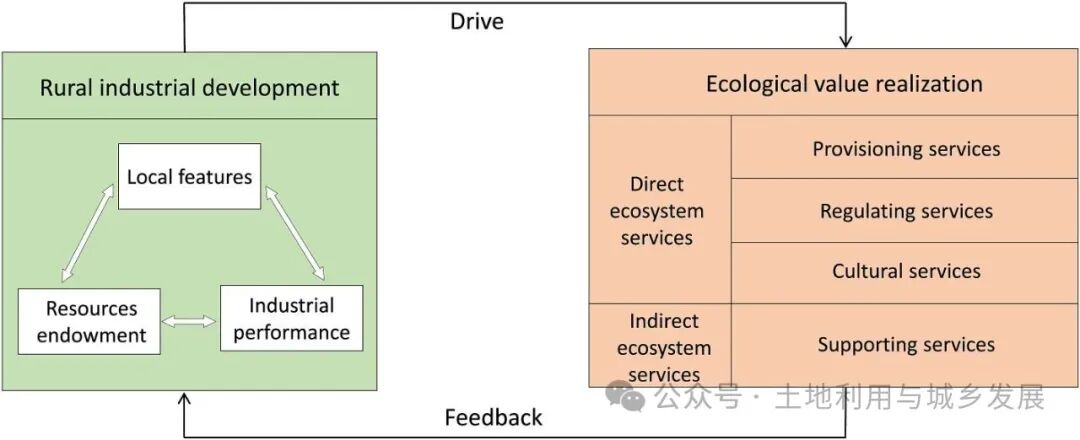
Figure 1. Theoretical Framework of Rural Industrial Development and Ecological Value Realization
2.3. Framework for Rural Industrial Development and Ecological Value Realization
Rural industrial development serves as a bridge connecting the transformation of ecological value and economic value in rural areas. On one hand, the upgrading and transformation of industries (especially agriculture and tourism) help convert intangible ecological values (such as beautiful natural landscapes and high-quality agricultural products) into tangible economic values. On the other hand, the economic benefits brought by the realization of ecological value can provide continuous motivation and financial support for further development and transformation of rural industries, thus forming a virtuous cycle of industrial development and ecological value realization, promoting the resilience and sustainability of rural areas.
3 Data and Methods
3.1. Indicator System
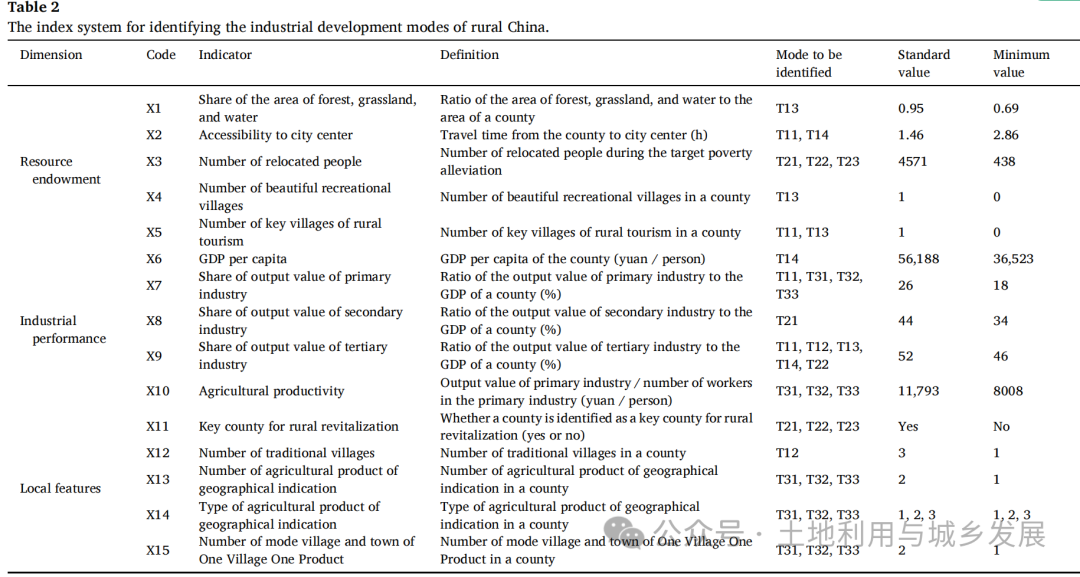
Based on the theoretical framework, this study constructs a county-level evaluation system containing 15 indicators to identify RIDMs in China. This system covers resource endowment (such as natural environment, geographical location), industrial performance (such as industrial structure, agricultural productivity), and local characteristics (such as cultural resources, policy advantages, specialty agricultural products) across three dimensions, with indicator selection following the principles of typicality, availability, and comparability.
Table 2. Indicator System for Identifying Rural Industrial Development Modes in China
3.2. Data Sources
This study takes counties as the basic unit, with the time point set in 2020, selecting 2090 counties from the eastern, central, western, and northeastern regions of China as research subjects. Data sources include statistical yearbooks, government official websites (such as the National Rural Revitalization Bureau, Ministry of Agriculture and Rural Affairs, etc.), and geographic spatial datasets (such as land use data, transportation data, etc.).
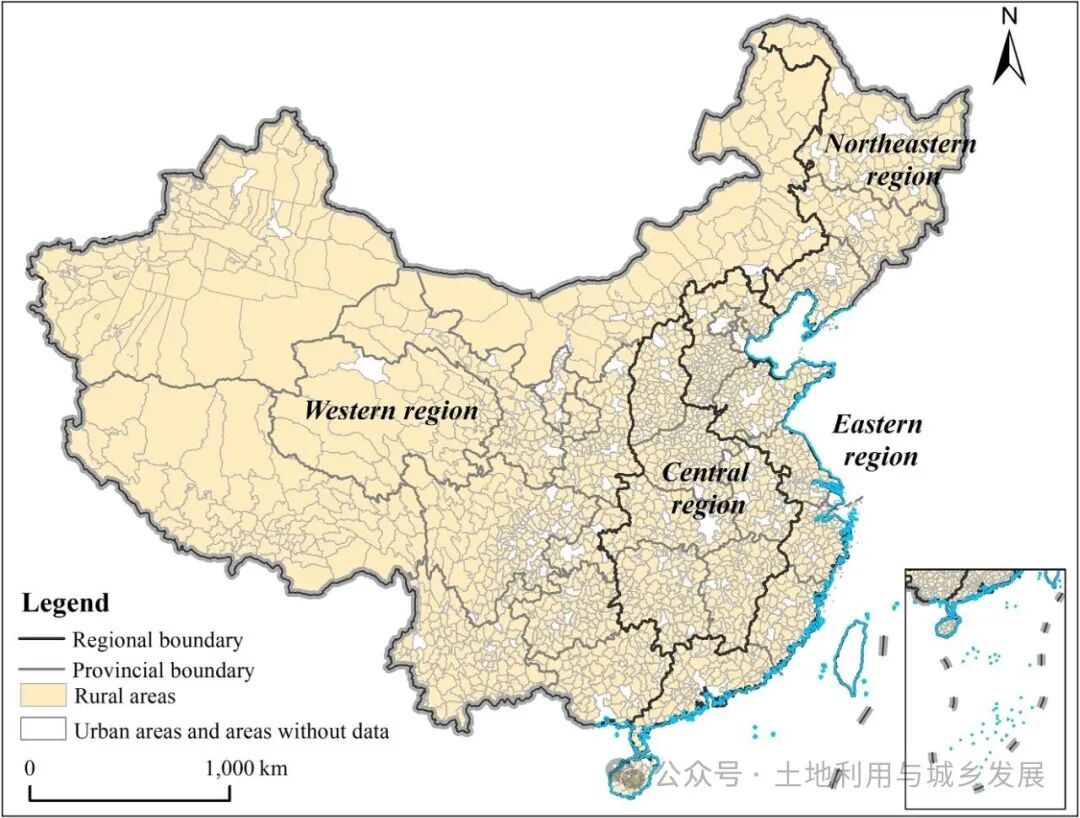
Figure 2. Research Counties in This Study
3.3. Determination of Indicator Threshold Values
The quantitative identification of industrial development modes is based on indicator thresholds. The principle we follow is: a county must have a significant advantage in one dimension while not having obvious disadvantages in other dimensions. To this end, we define the standard value of an indicator as its third quartile and the minimum value as the median of its data. When identifying the industrial development mode of a county, at least one indicator value must be above its standard value, and the other relevant indicator values of that mode must be above its minimum value.
3.4. Mode Identification Process
We quantitatively identify RIDMs in the order of “easy to difficult, obvious to hidden”. First, we identify counties suitable for development through relocation and resettlement that have weak economic foundations and resource endowments; second, we identify industrial integration modes for counties with local characteristics and specific industrial comparative advantages; third, we identify agricultural modernization modes for counties with strong agricultural foundations and obvious advantages; finally, we categorize the remaining counties into the more universal integration of primary, secondary, and tertiary industries.
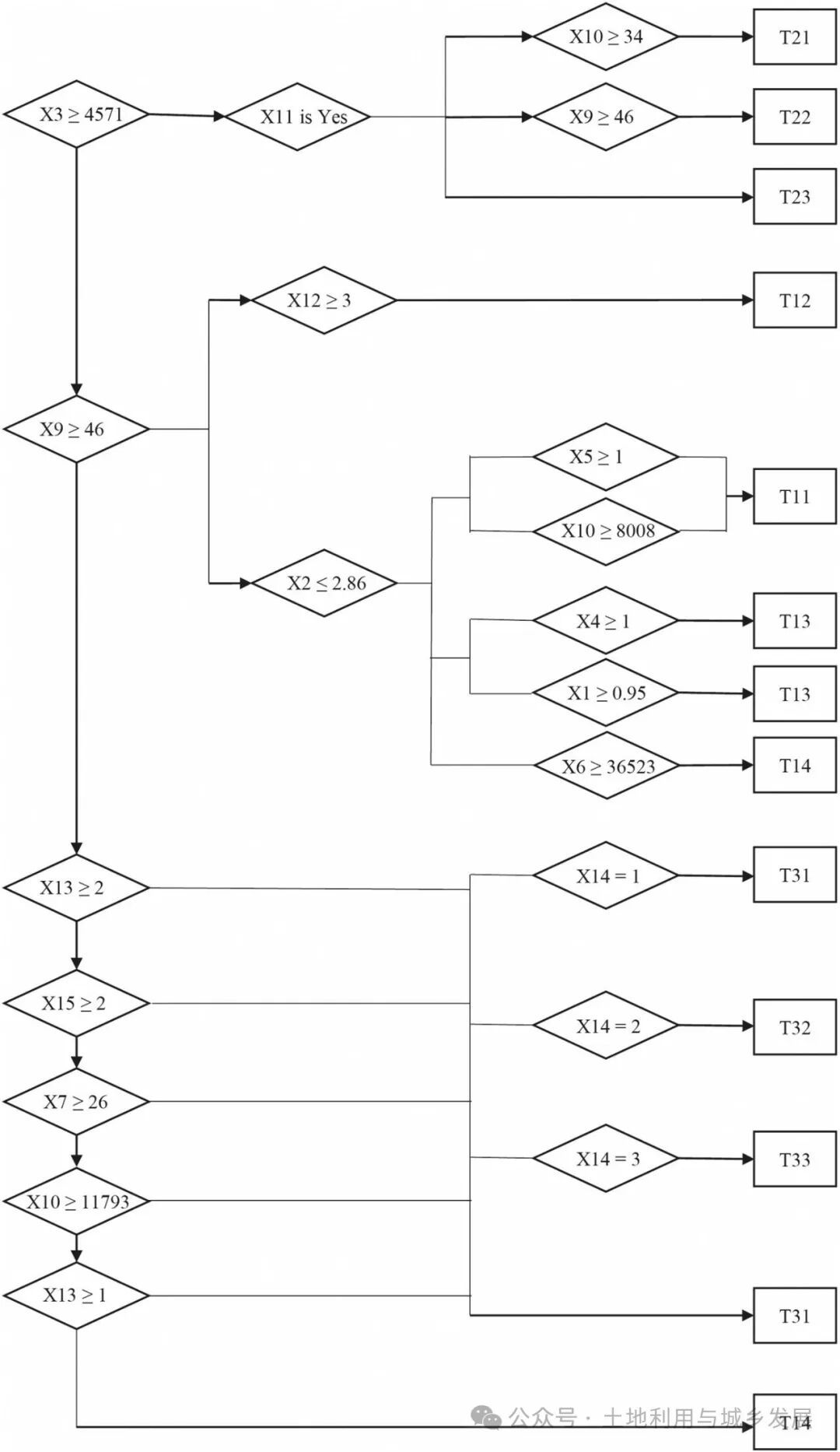
Figure 3. Flowchart for Identifying Rural Industrial Development Modes in China
3.5. Robustness Test of Mode Identification
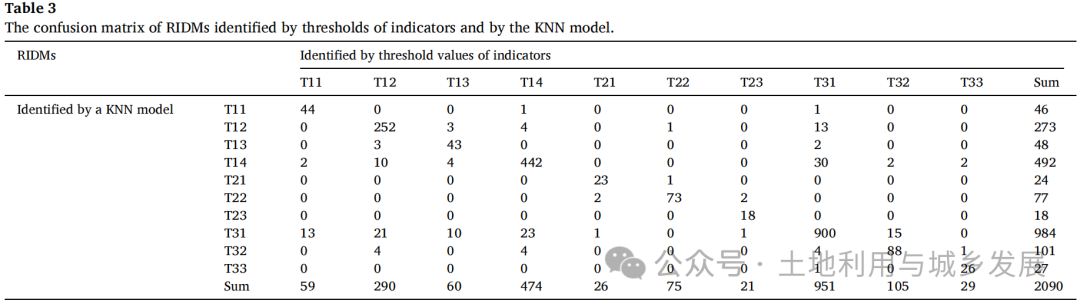
To test the robustness of the results, this study uses the K-Nearest Neighbors (KNN) model as an alternative method to identify RIDMs. KNN is a non-parametric and data-driven classification method that classifies input data using a majority voting mechanism of neighborhood data records. This study compares the results identified by the KNN model with those based on the threshold method to assess the robustness of our results.
3.6. Assessing the Capability of RIDMs to Realize Ecological Value
To find industrial development modes that can effectively “monetize” ecological value, this study uses the Green Gold Index (GGI) to assess the capability of the modes. This index is derived by calculating the ratio of Gross Ecosystem Product (GEP) to Gross Domestic Product (GDP) (GGI = GEP / GDP). GEP is used to measure the total monetary value of ecosystem services within a region. A lower GGI value indicates higher efficiency in converting ecological value into economic value, with a GGI less than 1 being a sign of high efficiency.
4 Results
4.1. Industrial Development Modes in Rural China
The study identifies the spatial distribution pattern of RIDMs in 2090 counties in China. Among them, 122 counties in the western mountainous areas are suitable for development through relocation and resettlement; 883 counties mainly distributed in the eastern and central regions are suitable for industrial integration development; and 1085 counties located in the northeastern, northwestern, central plains, and southwestern mountainous areas primarily adopt agricultural modernization as their main mode. Agricultural modernization (951 counties) and the integration of primary, secondary, and tertiary industries (474 counties) are the two most common modes in rural China, with the former being key to achieving rural revitalization in China.
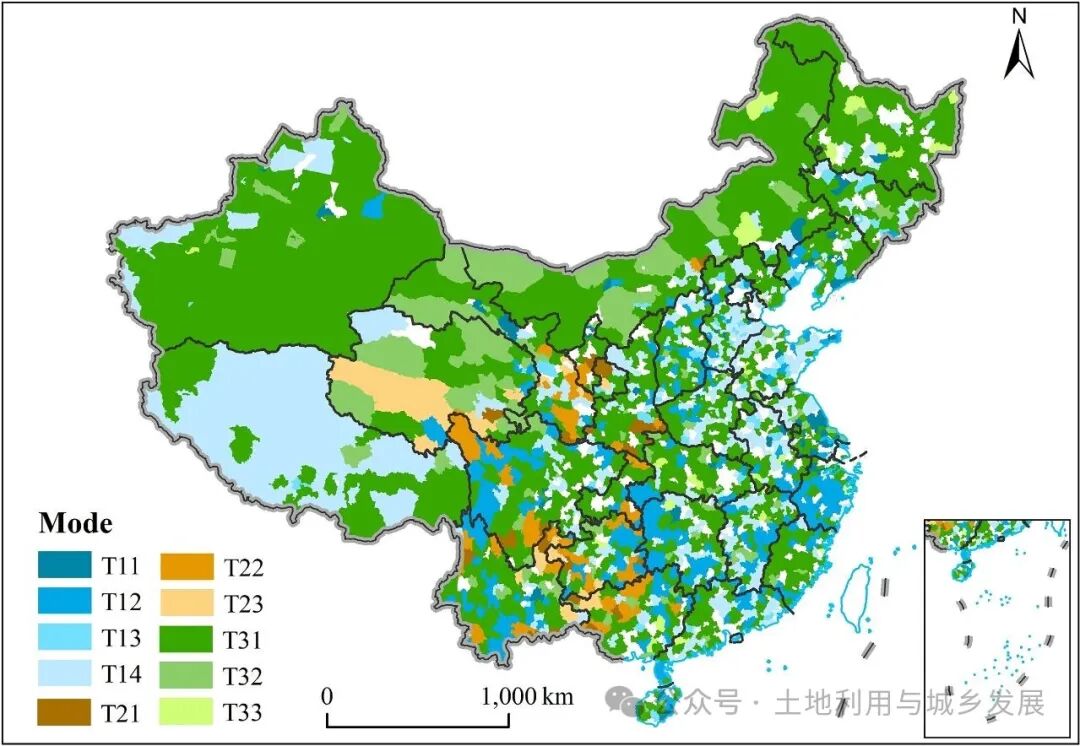
Figure 4. Rural Industrial Development Modes in China
4.2. Robustness of RIDMs Identification in China
We compared the results identified by the KNN model with those identified by the threshold method. The confusion matrix shows that the 1909 RIDMs identified by both methods (accounting for 91.34% of the total) are consistent. The Kappa coefficient is 0.88, indicating a good consistency between the two sets of results. Overall, the RIDMs identified by the threshold method in this study demonstrate good robustness.
Table 3. Confusion Matrix of RIDMs Identified by Indicator Threshold and KNN Model
4.3. Ecological and Economic Value of Rural China
This study quantifies that in 2020, the GEP of rural China was 63.11 trillion yuan, far exceeding its GDP (50.43 trillion yuan), indicating that the enormous ecological value of rural areas has not been fully converted into economic value. In terms of spatial distribution, there is a significant mismatch between the two: the northwest region has extremely high ecological value (GEP) but low economic output (GDP); conversely, the southeast region is the opposite. This spatial misalignment reveals the common contradiction between economic development and ecological protection in developing economies.
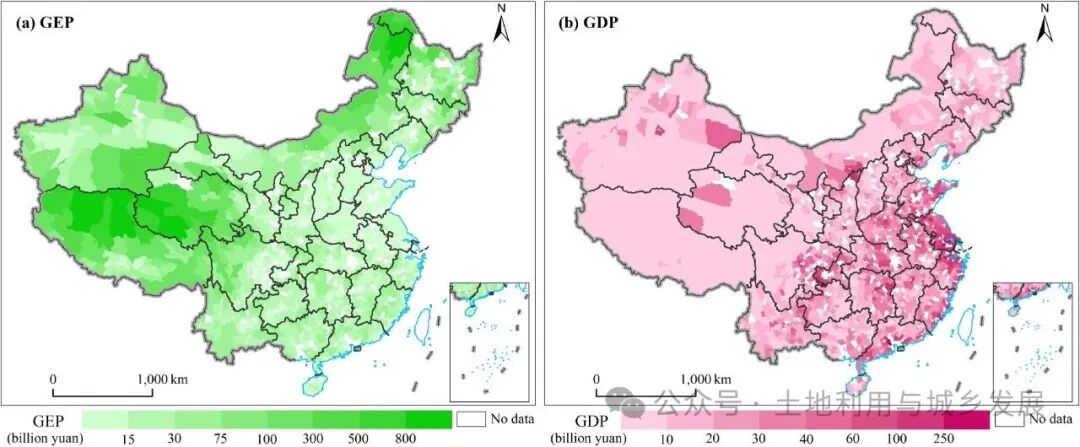
Figure 5. Ecological Value and Economic Value of Rural China in 2020
4.4. Capability of RIDMs to Realize Ecological Value in Rural Areas
The calculation results of the Green Gold Index (GGI) reveal the efficiency of different modes in realizing ecological value. Spatially, the level of ecological value realization shows a pattern of high in the east and central regions and low in the west, with 1085 counties having a GGI index less than 1 mainly concentrated in the eastern region, central plains, and Sichuan Basin.
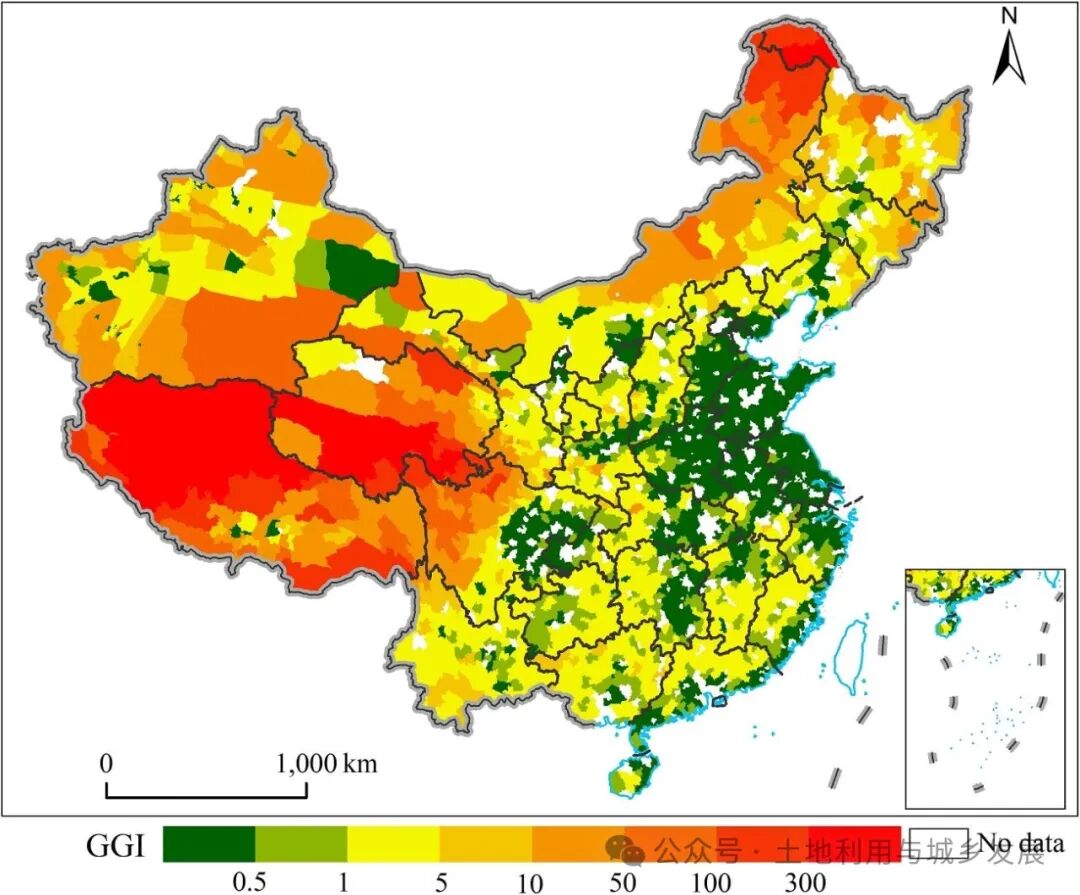
Figure 6. Efficiency of RIDMs in Realizing Ecological Value in Rural China
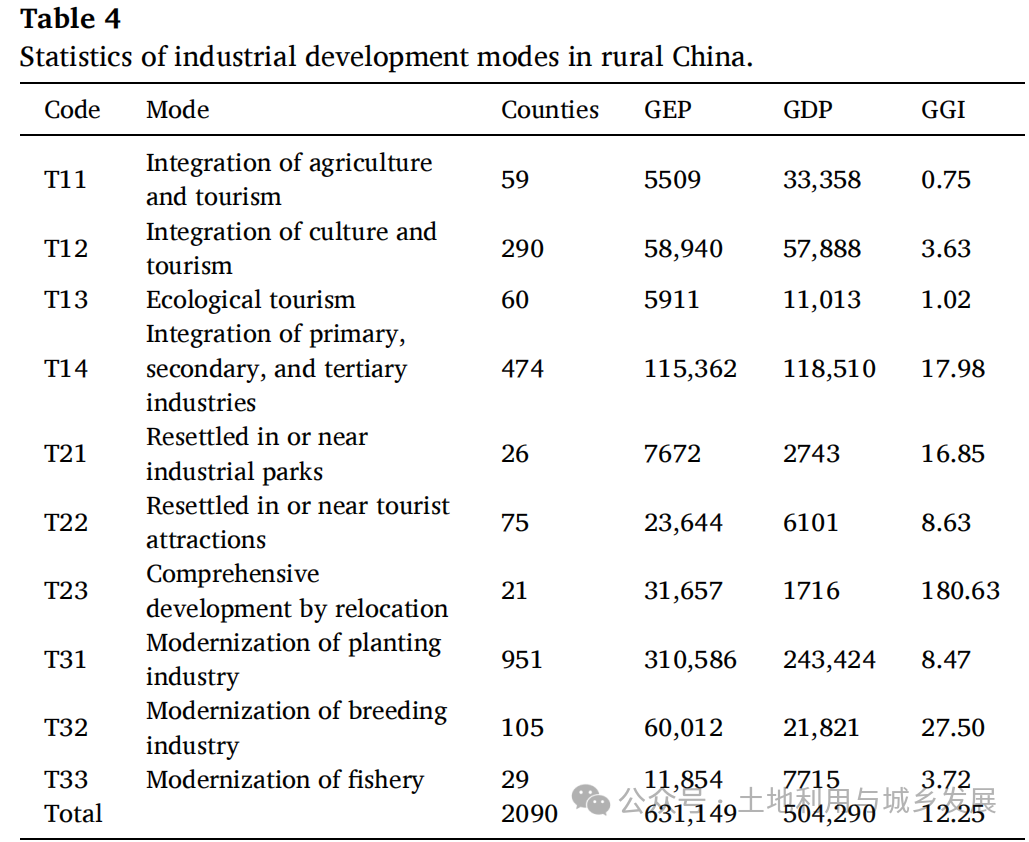
From the perspective of the modes themselves, agricultural-tourism integration (T11, GGI=0.75) and ecological tourism (T13, GGI=1.02) are the two modes with the highest efficiency. A noteworthy phenomenon is that the two most common agricultural development modes in China—agricultural modernization (T31) and animal husbandry modernization (T32) have relatively low ecological value realization efficiency, with their GEP far exceeding their GDP. This indicates that the transformation and upgrading of these two dominant industries are key to realizing ecological value in the future.
Table 4. Statistics of Rural Industrial Development Modes in China
 5 Discussion
Achieving a win-win situation for both economic and environmental aspects in rural areas remains a global challenge. This study finds that transforming and upgrading RIDMs may be an effective path to achieve this goal. The research results have important policy implications: first, future rural development in China should deeply integrate the Rural Revitalization Strategy with the “Two Mountains” theory, designing a new policy system to promote the transformation of rural industries. Second, the different RIDMs identified in this study and their efficiency assessments can provide scientific guidance for local governments to choose suitable development paths based on their resource endowments and development stages. For example, regions rich in tourism resources should prioritize the development of agricultural-tourism integration and ecological tourism. Finally, the analytical framework and identification methods proposed in this study can also provide useful references for other developing countries in designing rural industrial strategies and realizing ecological value in the process of achieving sustainable development goals. At the same time, this study acknowledges some limitations, such as the need for finer analytical scales, and future research could incorporate more localized indicators at the village level for deeper studies.
6 Conclusion
Balancing economic development and ecological protection in rural areas remains a significant challenge for global rural sustainable development. Existing literature points out that realizing ecological value in rural areas through the upgrading and transformation of rural industries is an important solution to this challenge. However, how to quantify the ecological value of rural areas and how to choose effective RIDMs to realize it is still unclear. Here, we propose a quantitative method to identify RIDMs and measure their capability to realize ecological value in rural China. First, we summarize ten types of RIDMs through literature review and construct an indicator system containing 15 indicators to quantitatively identify RIDMs in 2090 counties in China. Then, based on the measurement of GEP and GDP, we use the GGI index to measure the capability of RIDMs to realize ecological value in rural China. The results are as follows:
(1) The ten typical RIDMs in China are: agricultural-tourism integration, cultural-tourism integration, ecological tourism, integration of primary, secondary, and tertiary industries, resettlement near or into industrial parks, resettlement near or into tourist attractions, comprehensive development of relocation, agricultural modernization, animal husbandry modernization, and fishery modernization. Among them, agricultural modernization (951 counties) and integration of primary, secondary, and tertiary industries (474 counties) are the two most common RIDMs in rural China. The spatial pattern of RIDMs is geographically heterogeneous and adapts to the resource endowments, industrial performance, and local characteristics of rural China.
(2) In 2020, the GEP of rural China was 63.11 trillion yuan, far exceeding its GDP (50.43 trillion yuan). At the same time, the GEP and GDP of rural China are mismatched in spatial distribution. The western region of China has significant ecological value but generates low economic output. 1085 counties have relatively high levels of ecological value realization (GGI < 1), mainly concentrated in the eastern region, central plains, and Sichuan Basin. Agricultural-tourism integration and ecological tourism are the two modes with the highest efficiency in realizing ecological value in rural areas, with GGI values of 0.75 and 1.02, respectively. However, the two common agricultural modes, agricultural modernization and animal husbandry modernization, have relatively low ecological value realization efficiency, with their GEP far exceeding their GDP.
Our research results have important policy implications for rural sustainable development in China and other developing countries. In 2013, the Chinese government proposed the “Two Mountains” theory to synergize economic growth and ecological restoration in its economic transformation practices. However, our measurements of GEP and GDP in rural China indicate that there is still a long way to go to achieve the government’s grand goals. In the future, China can combine the Rural Revitalization Strategy with the “Two Mountains” theory to promote local practices for rural sustainable development. For other developing countries, effective RIDMs can be adopted in their rural development practices to realize the ecological value of their rural areas. Our quantitative identification of RIDMs and measurement of their capabilities contribute to technological innovation in rural sustainable development research. Further empirical studies can be conducted at finer scales or in other contexts to improve the accuracy and applicability of this method.
Statement:The above content only represents my personal understanding of the article, and there may be errors. Criticism and correction are welcome!Generative AI TechnologyStatement:During the learning process of this article, the Qwen3-max model was used for text translation.For the original text, please refer to:Li X H, Wang Y S, Wang Z S. Quantifying the industrial development modes and their capability of realizing the ecological value in rural China[J]. Technological Forecasting and Social Change, 2024, 203: 123386.