Issue 273 / Article 868

Introduction
How did a small team of only 16 people achieve tens of millions in revenue in just two years by focusing on “companionship”? While all AI toys are concentrating on “educational functions”, FoloToy has chosen to return to the essence of emotions, transforming cold technology into a warm “partner” that children cannot live without, successfully entering a blue ocean market. This article will dissect how it uses an “emotion-driven” growth flywheel to complete a perfect loop from product to business.

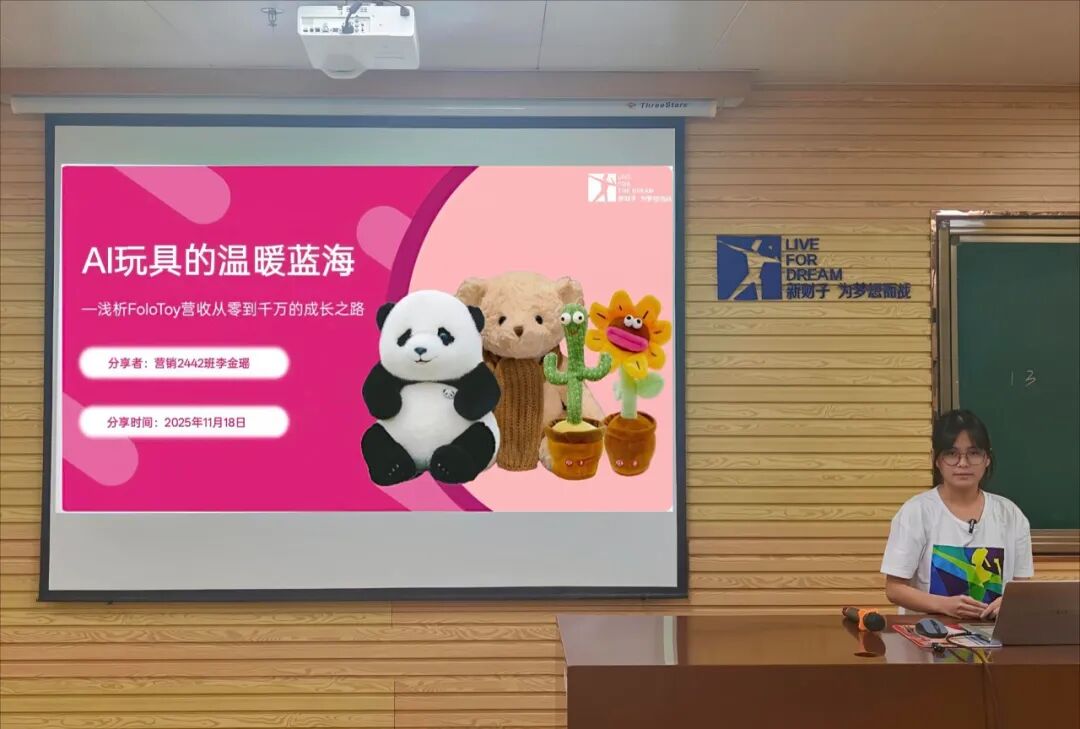
Contributor | Li Jinyao, Marketing Class 2442
Topic | “The Warm Blue Ocean of AI Toys – An Analysis of FoloToy’s Growth Journey from Zero to Tens of Millions in Revenue”
1. Company Overview
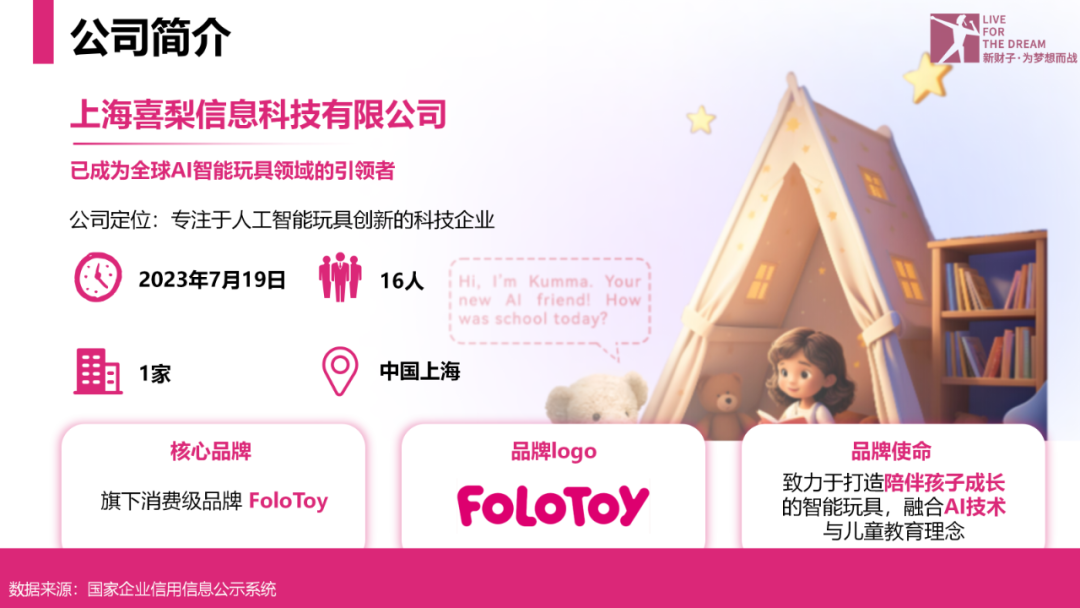
FoloToy is a consumer brand under Shanghai Xili Information Technology Co., Ltd., atechnology company focused on innovation in artificial intelligence toys, established in 2023 with a team of only 16 people.
The brand’s mission is tointegrate AI technology with children’s educational concepts to create intelligent toys that accompany children in their growth,with its core application scenario being“AI + Children’s Education”. Despite its short establishment time and small scale,FoloToyhas achieved tens of millions in revenue, and the logic behind this is worth exploring.
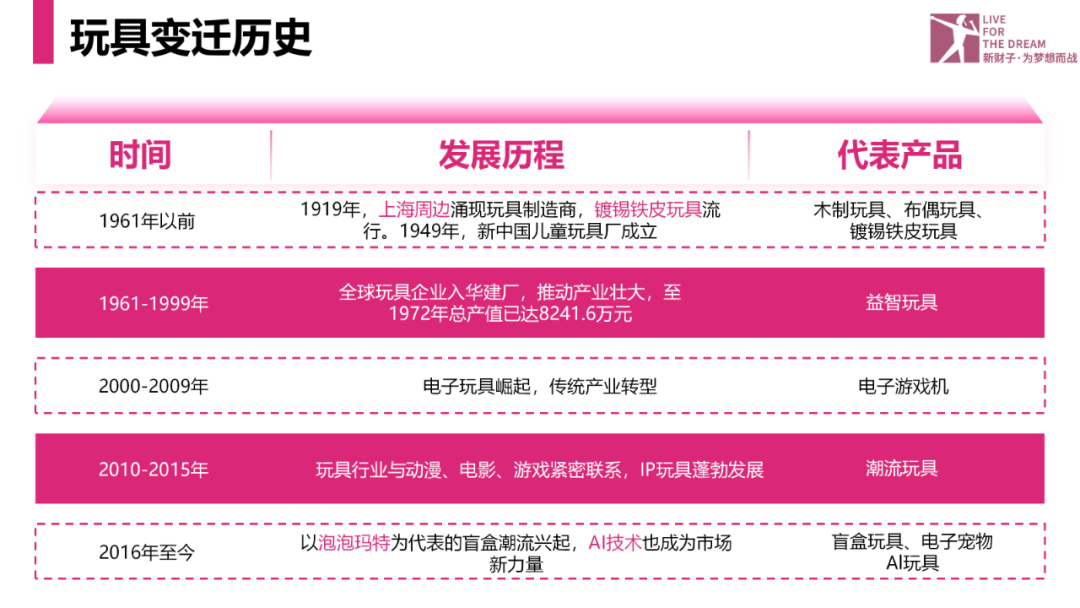
Before that, we need to understand the history of toy evolution in China. Before 1961,traditional toys such as puppets and cloth dollshad simple forms and single functions.After 2000,electronic technology drove the upgrade of toy forms, leading to the rise of products like video game consoles.
Today, toys are no longer static entertainment tools butintelligent partners that can accompany children, communicate, tell stories, and answer questions, showcasing a new product form.
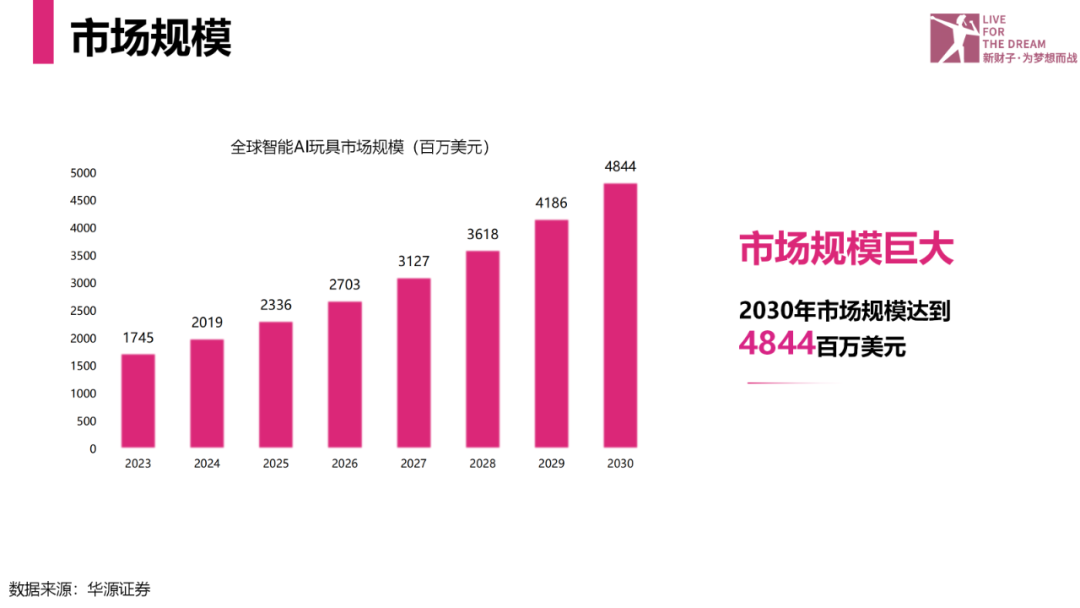
Looking at the history of toy evolution, it is evident that the global intelligent AI toy market has enormous potential,becoming a new growth point in the industry.FoloToy keenly captured the“emotional companionship” blue ocean that has not been fully developed, avoiding homogenized competition and entering the market with a differentiated positioning.
2. STP Analysis
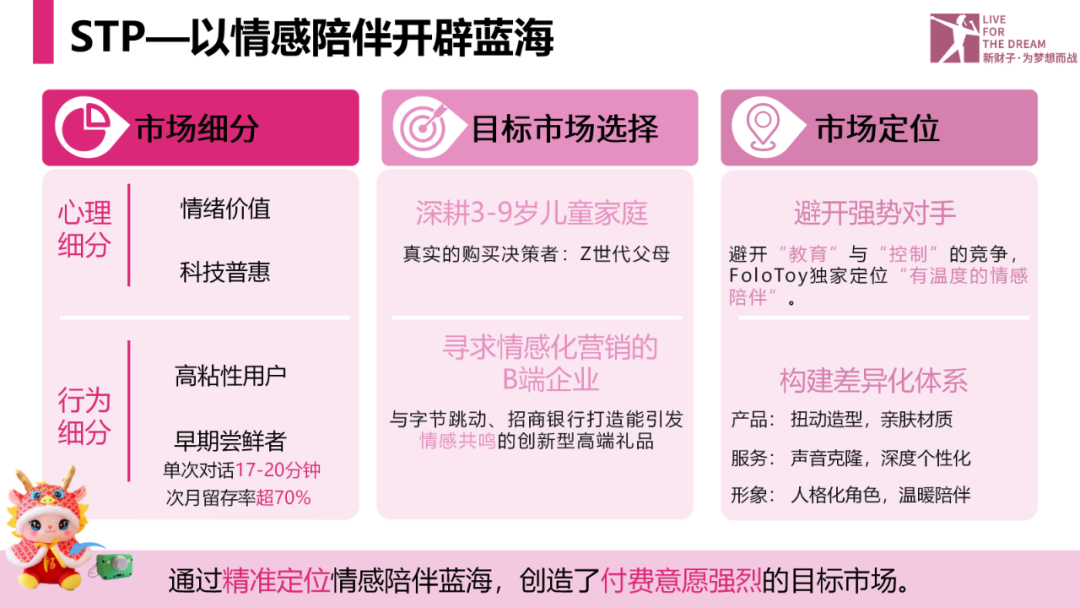
First, FoloToy’s success is attributed to a clear STP strategy. In terms of psychological segmentation, its target users are divided into two categories: the first category is users whovalue emotional benefits, and the second category ispeople interested in technological creation.
In terms of behavioral segmentation, early adopterslike to chase novelty and uniqueness, and they do not prioritize price as the first consideration,seeking novelty, uniqueness, and coolness.High-engagement usersexhibit high usage frequency and loyalty, using the productfrequently and for long periods, forming the most stable user base.
Next, by employing a differentiation strategy, FoloToy deeply engages with families of children aged 3-9,precisely reaching Gen Z parents who focus on “scientific parenting” and “emotional protection”, whovalue “scientific parenting” and“emotional protection”, dislike “screen parenting”, worry about their children growing up in loneliness, and seek offline intelligent companionship solutions.
Additionally, FoloToy collaborates with leading brands like ByteDance and China Merchants Bankto create innovative high-end gifts that resonate emotionally, strategically expanding into B2B and ecosystem markets.
Finally, FoloToy does not confront competitors head-on by emphasizing “educational functions” but instead opens the market throughproduct, service, and image differentiation. This interconnected strategy has achieved a perfect leap from product innovation to commercial success..
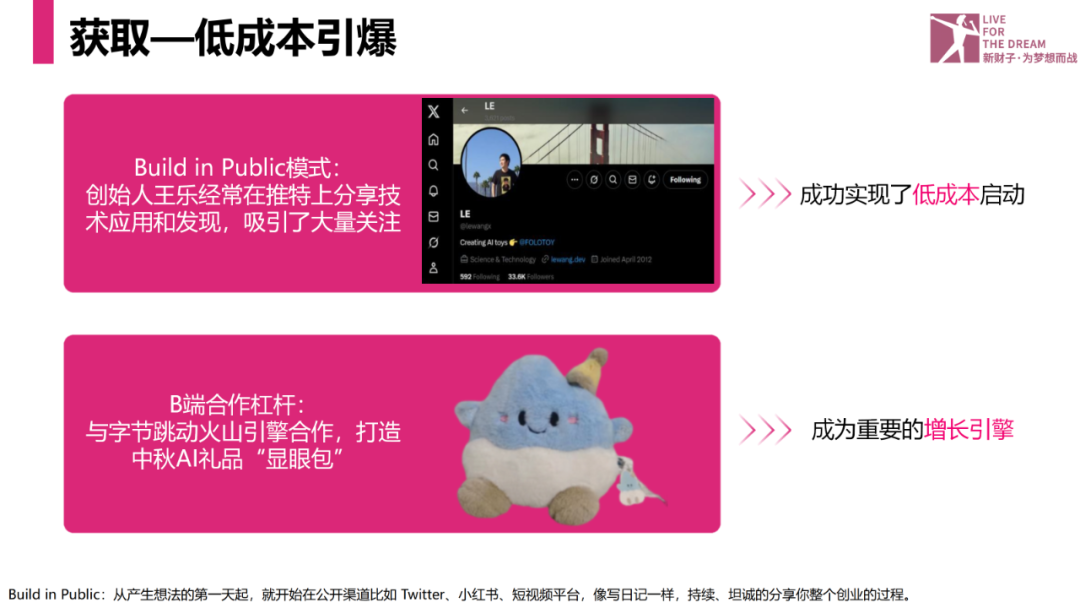
To understand FoloToy’s revenue breakthrough, we need to dissect its user conversion path,using the AARRR model as a framework to analyze how it gradually converts the positioning of “warm dialogue” into actual revenue.
First is user acquisition. FoloToy employs two modes: the first is theBuild in Public model, where founder Wang Le frequently shares technical applications and discoveries on Twitter, attracting a large following,achieving low-cost initiation through genuine interaction.
The second isB2B collaboration leverage, partnering with ByteDance to launch the AI toy “Eye-catching Bag”,turning the product into social currency and becoming a growth engine. These two steps laid a solid initial user base at a very low cost.
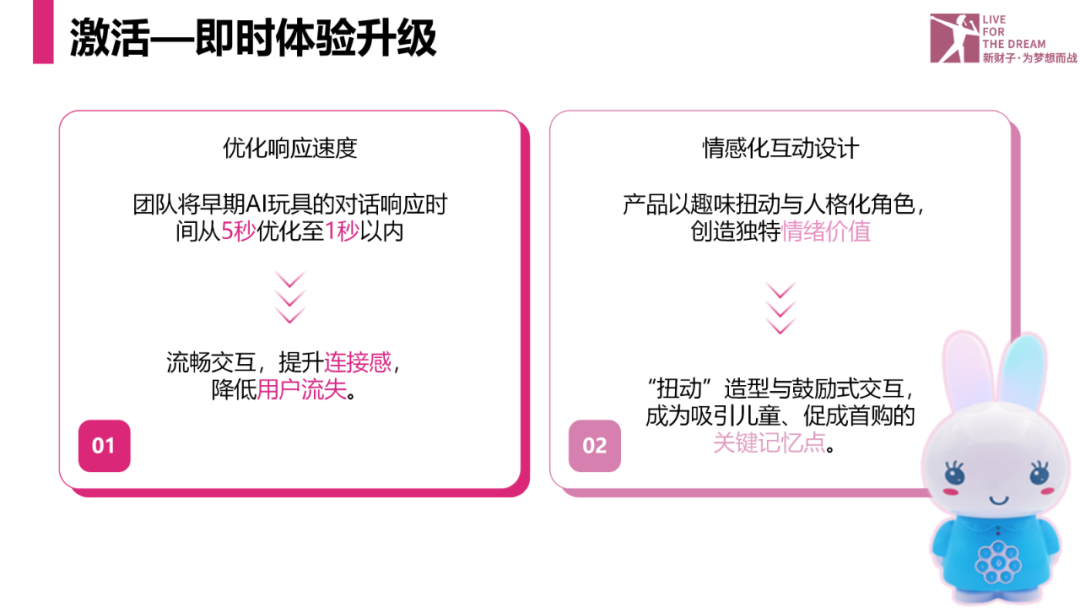
How did FoloToy instantly capture the attention of parents from Gen Z who value children’s education? It relies on an impeccable initial experience. First, in terms ofspeed, they optimized the dialogue response timefrom 5 seconds to under 1 second, as waiting can destroy the sense of companionship.
Second, there isemotionally interactive design, with the “quirky twist” shape and the “Chatter Bunny” character providing not knowledge, butimmediate, positive emotional feedback. As a result, children average a single dialogue duration of 17-20 minutes. This indicates thatthe product successfully established an emotional connection at the first moment.

After users use the product, FoloToy retains them byenhancing stickiness. Its core strategy lies inthe toy actively initiating conversations, remembering children’s preferences, and other features, upgrading the product from a “toy” to a “partner”. When children feel understood and needed, theyform emotional dependence. This has resulted in FoloToy achieving a retention rate of over 70% in the following month and a repurchase rate exceeding 20%, laying the foundation for continuous payments.
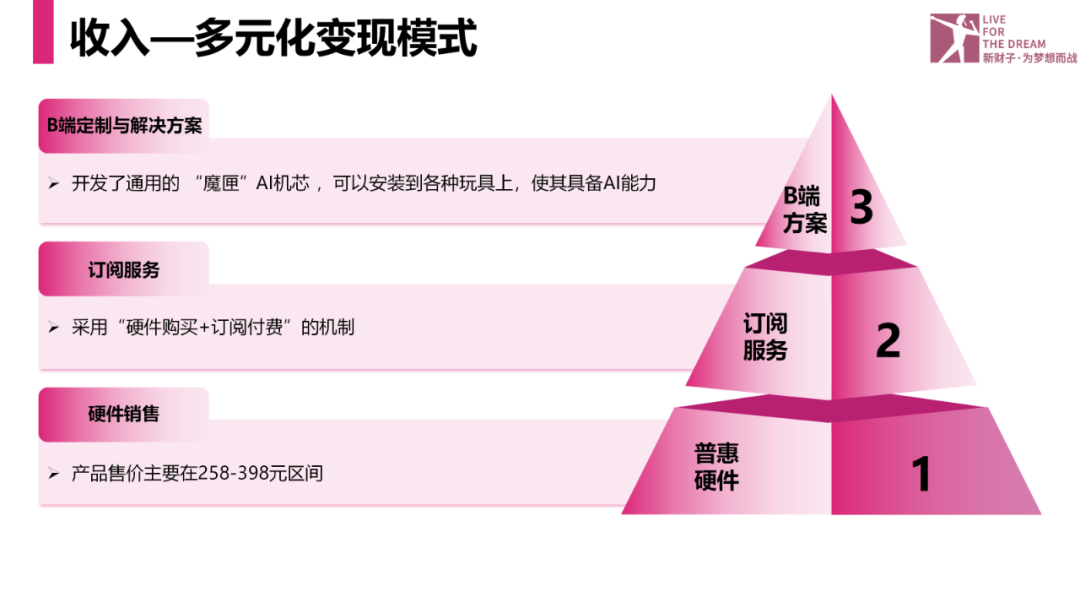
How do high-engagement users convert into revenue? FoloToy has built a very healthy revenue pyramid. The base consists of hardware sales, priced between 200-400 yuan, ensuring it is not a luxury item.The middle tier is subscription services, with an annual fee of 99 yuan,transforming the product from a one-time toy into a “companionship service membership”.
At the top is the B2B solution, where integrating hardware into toys replaces the original motherboard, allowing the toys to “speak”. FoloToy packages technology into a “magic box” to sell to other companies.This “hardware + software + solution” model collectively supports its revenue expectations of tens of millions.

This is the final link in the model and an important aspect of enhancing brand influence. When the product provides sufficient emotional value, users will spontaneously become “word-of-mouth promoters”. Meanwhile, FoloToy’s founder Wang Le builds a community of developers and enthusiasts through technology openness.
This forms a powerful growth flywheel:word-of-mouth brings new users, users grow the community, and the community feeds back to the brand, continuously reducing customer acquisition costs and deepening the brand’s moat.
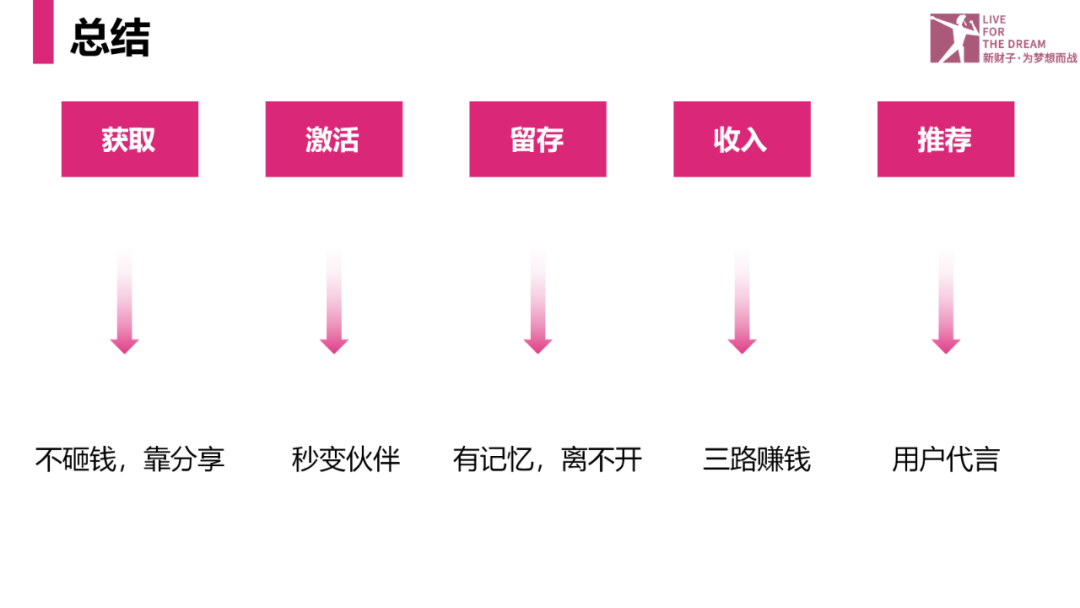
In summary,FoloToy’s AARRR model is essentially an “emotion-driven” growth flywheel. Through founder Wang Le’s content output on Twitter, it attracts users,and establishes connections throughresponse speed and emotional design, enhancing stickiness through memory and interaction features, turning the product into a child’s partner.
By achieving diversified monetization through“hardware + software + solutions”, it ultimately stimulates users to promote spontaneously through product strength and content quality.FoloToy acquires customers at the lowest cost and retains them with the warmest experience, achieving commercial success through diversified models, completing the loop from “product” to “partner”.
3. Financial Insights
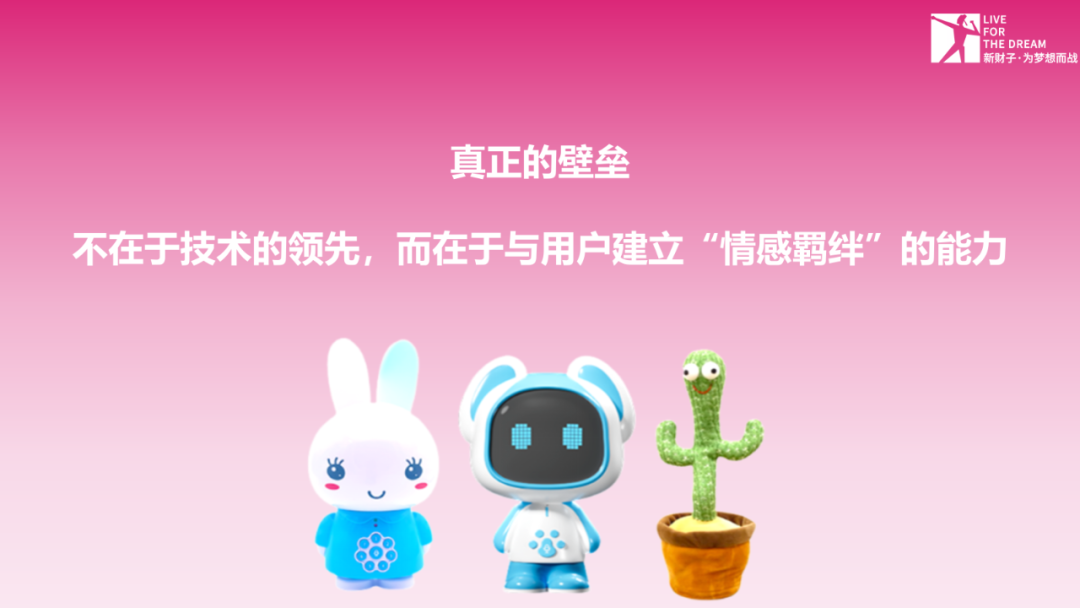
While competitors are caught up in “education” and “control”, FoloToy returns to the essence, responding to children’s desire for “companionship” with warm interactions. Technology transforms into proactive dialogue, long-term memory, and dynamic forms, therebyestablishing an emotional bond that transcends consumer goods, creating the deepest moat for the brand.
Recommended Reading
The Pricing Secret from “One Cup” to “Two Cups” – An Analysis of the Economic Principles Behind “Second Cup at Half Price”
The Rise of AI’s “Ugly Slippers” – An Analysis of How Liu Shiqi Earns Millions Annually with AI Thinking
From “Meteor” to “Meteor” – An Analysis of Why ofo Shared Bicycles Fell from “Meteor”
END
Written by | Li Jinyao
Editor-in-Chief | Huang Yuchun
Editor | Ling Shan
Reviewed by | Ling Shan, Hu Yunyuan, Ling Zhihui