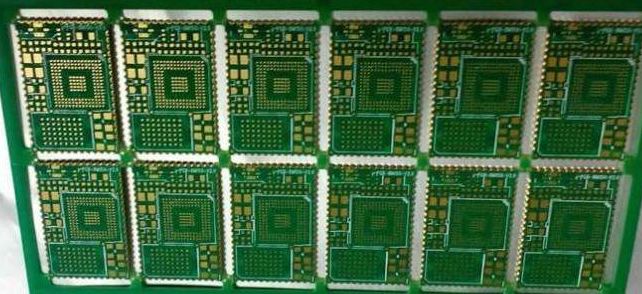
This article shares the classification of PCBs and their manufacturing processes.
The diversity of PCBs in materials, layers, and processes caters to different electronic products and their specific requirements, leading to a wide variety of classifications.Here, we summarize some common distinctions to briefly introduce the classification of PCBs and their manufacturing processes. Let’s analyze it from three aspects.
Materials
Organic Materials
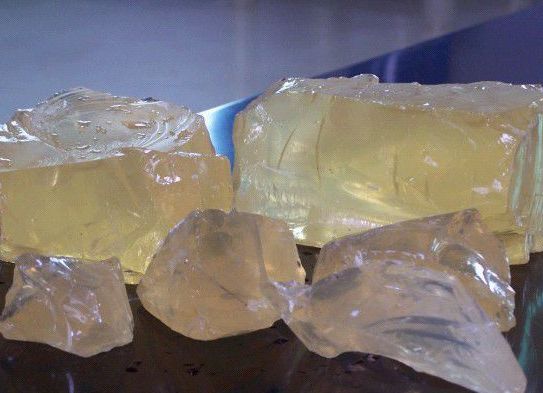
① Phenolic Resin: Phenolic resin, also known as Bakelite, is originally a colorless or yellowish transparent material, often sold in various colors such as red, yellow, black, green, brown, and blue by adding colorants, available in granular or powder form.
Phenolic resin is resistant to weak acids and weak bases, decomposing in strong acids and corroding in strong bases. It is insoluble in water but soluble in organic solvents like acetone and alcohol. It is obtained by the polymerization of phenol and its derivatives. The image is as follows:
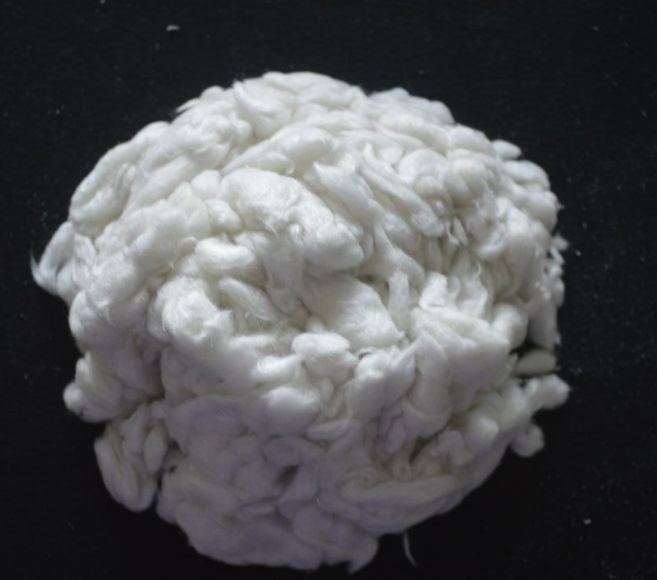
② Glass Fiber: Glass fiber is an excellent inorganic non-metallic material with various types, known for its good insulation, high heat resistance, excellent corrosion resistance, and high mechanical strength, but it is brittle and has poor wear resistance.
It is made from seven types of ores: talc, quartz sand, limestone, dolomite, boron-calcium stone, and boron-magnesium stone, through high-temperature melting, drawing, spinning, and weaving processes, with a single filament diameter ranging from a few microns to over twenty microns, equivalent to 1/20 to 1/5 of a human hair. Each bundle of fiber is composed of hundreds or even thousands of filaments.
Glass fiber is commonly used as a reinforcing material in composite materials, electrical insulation materials, thermal insulation materials, and circuit boards across various sectors of the national economy. The image is as follows:
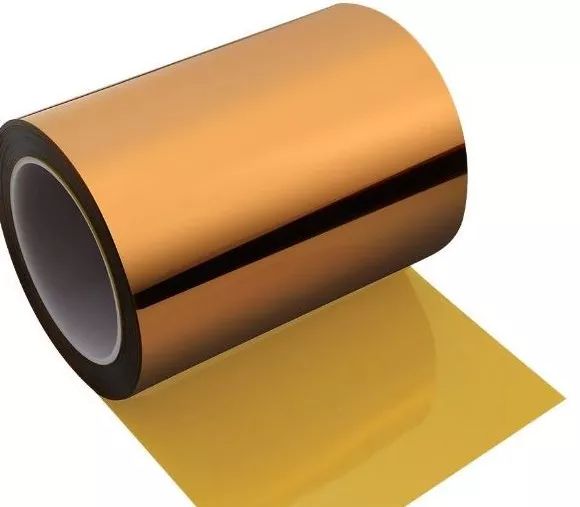
③ Polyimide: Polyimide resin, abbreviated as PI, appears as a transparent liquid, yellow powder, brown granules, and amber granules. Polyimide resin solutions, powders, and granules are produced through various methods including high-temperature curing, compression molding, impregnation, spraying, calendering, injection molding, extrusion, die-casting, coating, casting, laminating, foaming, transfer molding, and compression molding. The image is as follows.
Other organic materials include our epoxy resin and BT, etc.
Inorganic Materials
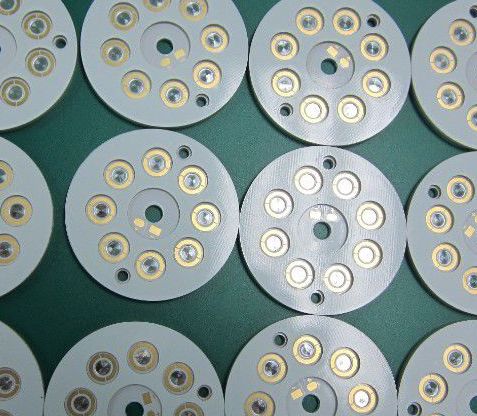
① Aluminum Substrate: Aluminum substrate is a type of metal-based copper-clad board with good heat dissipation capabilities, generally composed of a three-layer structure.
It consists of a circuit layer (copper foil), an insulating layer, and a metal base layer. Commonly found in LED lighting products, it has two sides, with the white side used for soldering LED pins and the other side showing the natural color of aluminum, typically coated with thermal conductive paste for contact with the heat dissipation part. There are also ceramic substrates, as shown in the image below.
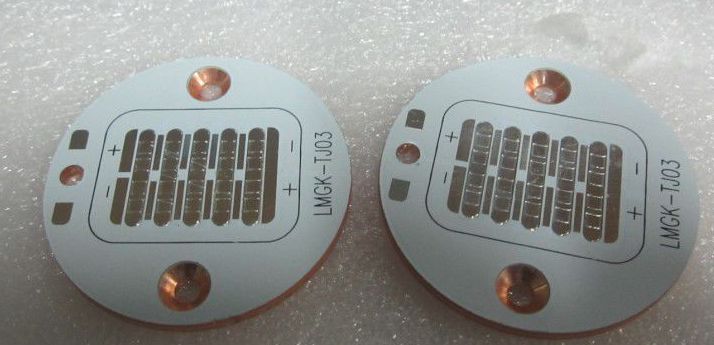
② Copper Substrate: Copper substrate is the most expensive type of metal substrate, with thermal conductivity significantly better than aluminum and iron substrates, suitable for high-frequency circuits and areas with large temperature variations, as well as for heat dissipation in precision communication equipment and the construction decoration industry, as shown in the image below.
Other inorganic materials include ceramic substrates, which also serve the purpose of heat dissipation.
Finished Rigid and Flexible Boards
Rigid Boards
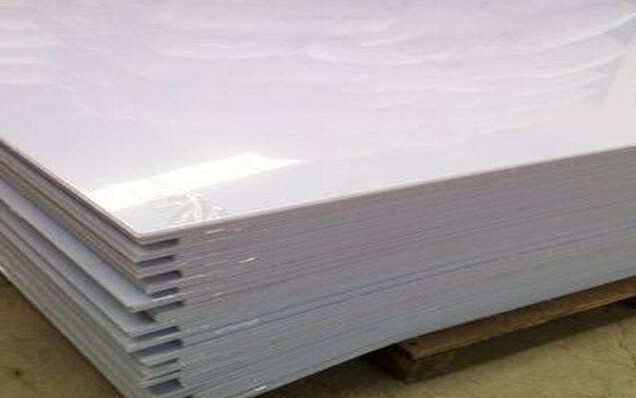
Rigid boards are made from PVC and are widely used in industry, especially in the chemical anti-corrosion sector.
PVC is a resin resistant to acids, bases, and salts, and due to its good chemical properties and relatively low cost, it is widely used in various industries such as chemicals, construction materials, light industry, and machinery, as shown in the image below.
Flexible Boards
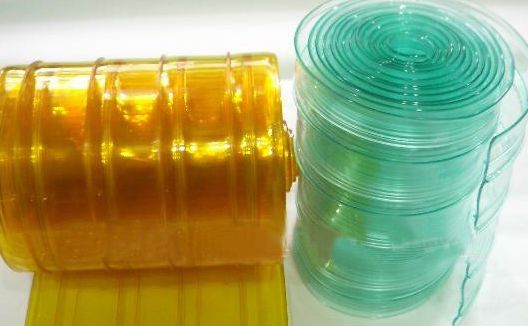
Flexible PVC extruded boards are made by adding plasticizers, stabilizers, etc., to PVC resin and extruding them into shape.
They are mainly used as linings for corrosion-resistant equipment, as well as for general electrical insulation and sealing gasket materials, with a temperature range of -5 to +40°C. They can serve as a substitute for rubber boards and are widely used as new environmentally friendly products, as shown in the image below.
Rigid-Flexible Hybrid Boards
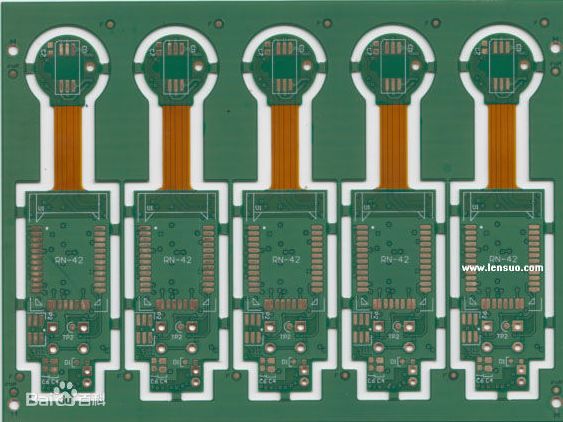
The emergence and development of FPC and PCB have given rise to this new product, the rigid-flex hybrid board. Therefore, the rigid-flex hybrid board is a circuit board formed by combining flexible circuit boards and rigid circuit boards through processes such as lamination, according to relevant process requirements, possessing characteristics of both FPC and PCB, as shown in the image below.
PCB Structure
Single-Sided Boards
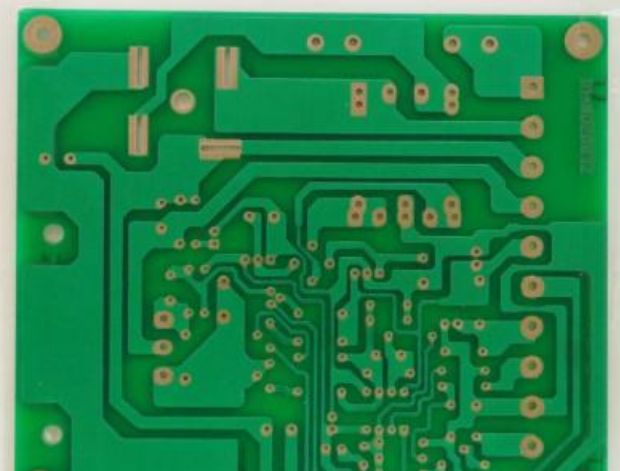
A single-sided board is the most basic type of PCB, with components concentrated on one side and traces on the other. Since traces only appear on one side, this type of PCB is referred to as a single-sided board.
Due to the strict limitations in design (as there is only one side, traces cannot cross and must follow a unique path), this type of board was only used in early circuits, as shown in the image below.
Double-Sided Boards
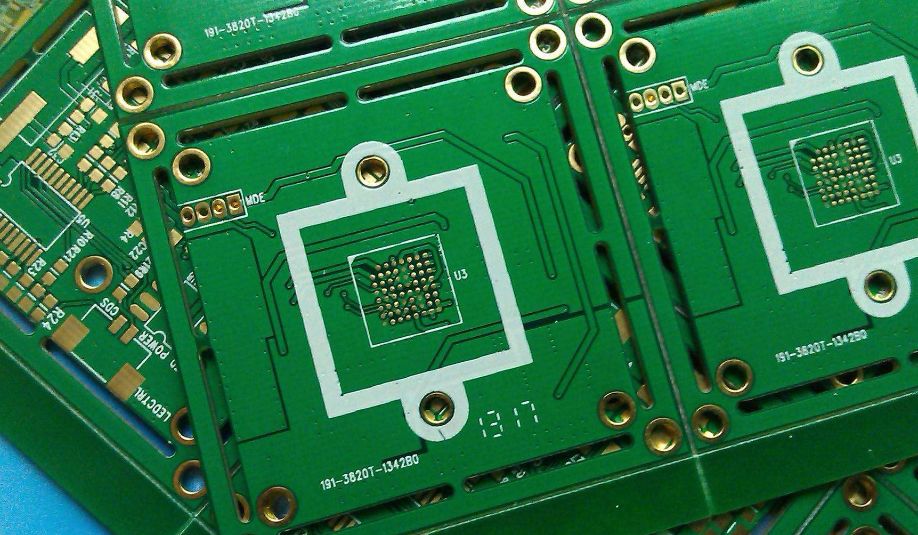
A double-sided board includes both a Top (top layer) and Bottom (bottom layer) that are both coated with copper, allowing for soldering and wiring on both sides, with an insulating layer in between, making it a commonly used type of printed circuit board.
With wiring possible on both sides, it significantly reduces the difficulty of layout, thus being widely adopted, as shown in the image below.
Multilayer Boards
The manufacturing method for multilayer boards generally involves first creating the inner layer patterns, then using printing and etching methods to produce single-sided or double-sided substrates, which are then incorporated into specified interlayers, followed by heating, pressing, and bonding. The subsequent drilling process is similar to the plated through-hole method used for double-sided boards, as shown in the image below.