
 Written by | Wang Cong Edited by | Wang Duoyu Typeset by | Shui Chengwen In 1966, a science fiction film titled The Fantastic Voyage was released, in which five doctors, shrunk to a fraction of a millimeter, traveled inside a submarine to save a scientist whose brain vessels were critically damaged by injecting themselves into his body to repair the vessels and save his life. These once fanciful ideas may soon become a reality. The technology application is being pursued by a startup called Bionaut Labs, which gained attention after securing $20 million in Series A funding in March 2021. Recently, Michael Shpigelmacher, co-founder and CEO of Bionaut Labs, announced that they plan to conduct the first human clinical trials of microrobots within two years. These microrobots, measuring less than 1 millimeter, can be precisely controlled remotely through an electromagnetic coil connected to a computer, allowing them to navigate through the spinal cord to specific locations in the brain for therapeutic purposes. After treatment, they can be removed from the brain using the same method.
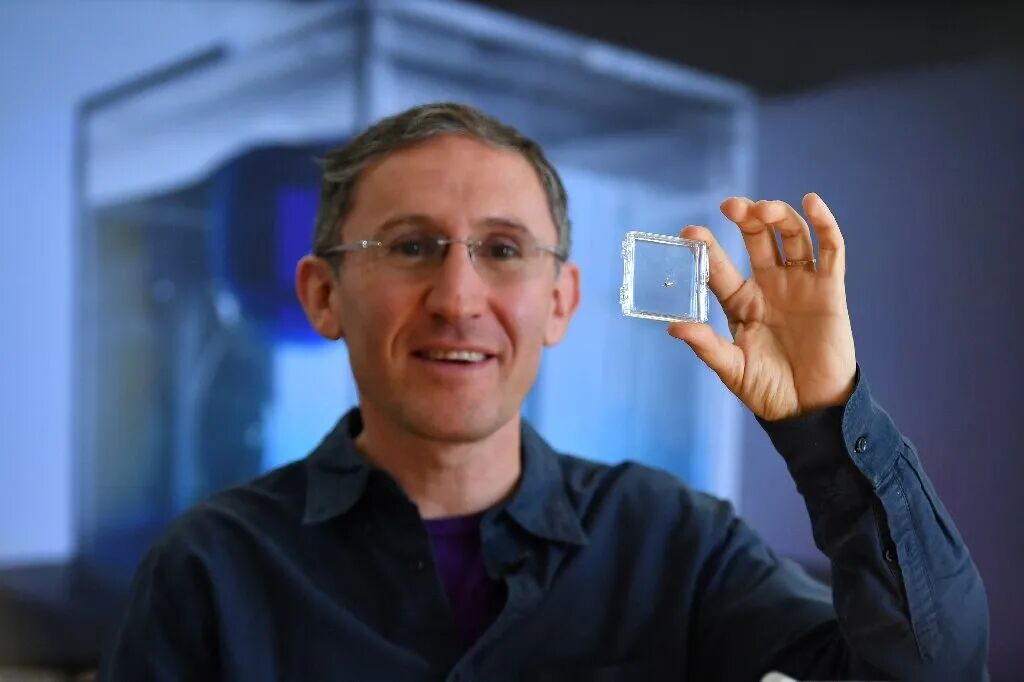
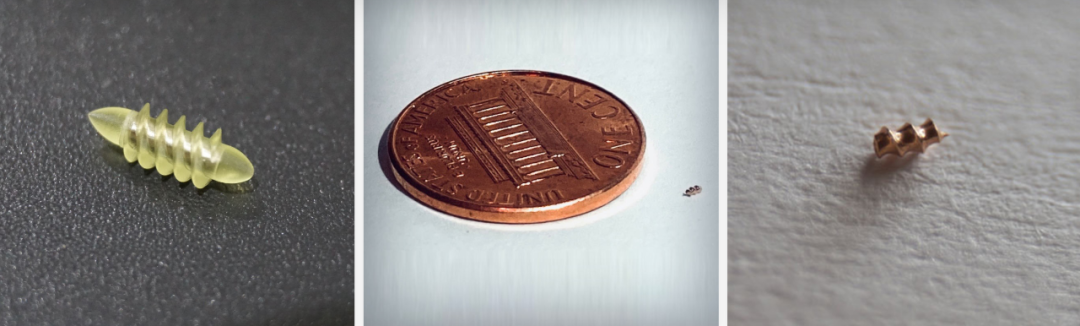 Michael Shpigelmacher stated that the idea of using microrobots for surgical treatment dates back to the 1950s and 60s. With advancements in technology, the principles behind these microrobots are becoming a “scientific fact.”
  Bionaut Labs plans to conduct human clinical trials within two years to treat a rare pediatric brain malformation known as Dandy-Walker Malformation. Children with this condition develop fluid-filled cysts the size of golf balls in their brains, which can lead to increased intracranial pressure, severely affecting brain development and causing a range of dangerous neurological diseases. Using these microrobots, they can be controlled via a magnetic field to reach the cysts and puncture them, relieving the intracranial pressure. The research team has already tested the controllable navigation and safety of these microrobots in the brains of large animals such as sheep and pigs. They have also tested the effectiveness of the microrobots in delivering the anticancer drug doxorubicin in a glioma model in mice.
 In June 2021, the FDA granted Bionaut Labs orphan drug designation for BNL-101, a device combination for the localized treatment of malignant glioma, which consists of microrobots carrying the anticancer drug doxorubicin. This localized precision delivery method can accurately target the tumor tissue that needs treatment, avoiding the side effects associated with systemic administration. In September 2021, the FDA granted Bionaut Labs humanitarian use device designation for BNL-201, used for the localized treatment of Dandy-Walker Malformation. These preclinical research results and the orphan drug and humanitarian use device designations pave the way for clinical trials of the Bionaut™ platform.Michael Shpigelmacher stated that Bionaut Labs aims to assist many patients suffering from brain diseases that currently have no effective treatments. The Bionaut microrobots can minimally invasively and precisely reach any part of the brain that traditional surgery or medication cannot access, and they can safely return. The Bionaut™ platform has great potential, not only as a treatment method but also as a drug delivery vehicle. Due to its unique precision and controllability, it can also be used for gene therapy, CRISPR gene editing, oncolytic virus therapy, and other new therapeutic techniques. Additionally, the Bionaut™ platform can conduct deep brain assessments and collect internal tissue samples.
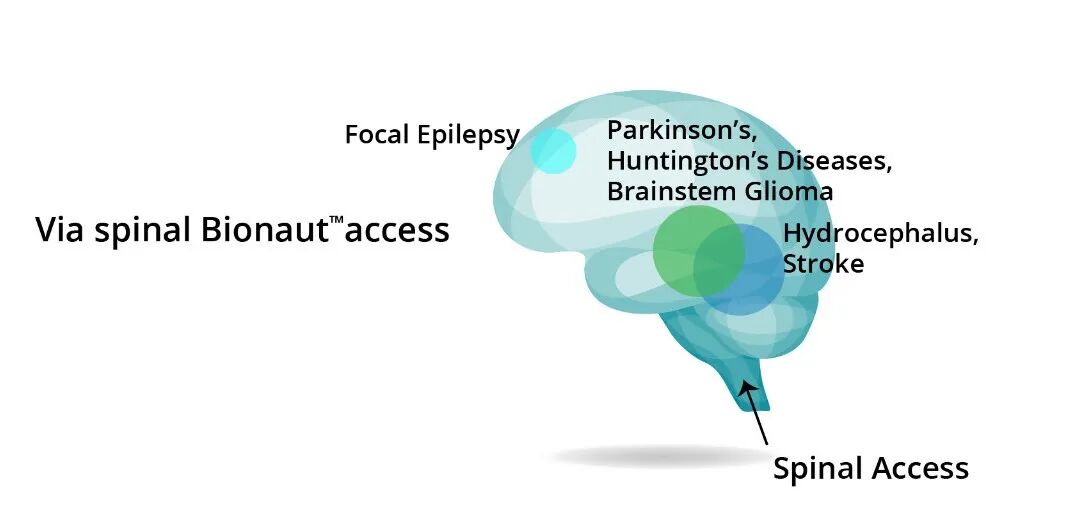 It is reported that Bionaut Labs is expanding the Bionaut™ platform to treat multiple major brain diseases, including epilepsy, stroke, glioma, as well as neurodegenerative diseases such as Parkinson’s disease and Huntington’s disease.Michael Shpigelmacher stated that Bionaut™ is the first commercial platform designed for microrobots and advancing them into clinical treatment. The interest in this field is growing, and while Bionaut™ is the first, it will not be the only one.References:https://bionautlabs.com/science/https://medicalxpress.com/news/2022-04-california-start-up-tiny-robots-fantastic.html


 Open for Reprint Welcome to share in WeChat Moments and groups
 Join WeChat Group To promote the dissemination and exchange of cutting-edge research, we have established several professional discussion groups. Long press the QR code below to add WeChat to join the group. Due to the high number of applicants, please note your: School/Major/Name when adding WeChat. If you are a PI/Professor, please indicate that as well.
Click to view and share your taste