2025-11-25 PM 12:32 Shenzhou-22 spacecraft has successfully launched again!
Let us try to interpret the special requirements and response strategies of PCBs in the aerospace field.
PCBs in the aerospace field: Beyond ordinary stringent requirements
1. The critical role of PCBs in aerospace missions
PCBs play a key role as the “nerve endings” and “intelligent nodes” in spacecraft. In the Shenzhou-22 mission, they ensured the storage, control, processing, and forwarding of various data and commands.
Specifically for critical systems:
-
Flight Control Computer: The flight control computer paired with the Long March 2F rocket is the rocket’s “brain”, ensuring precise control during flight.
-
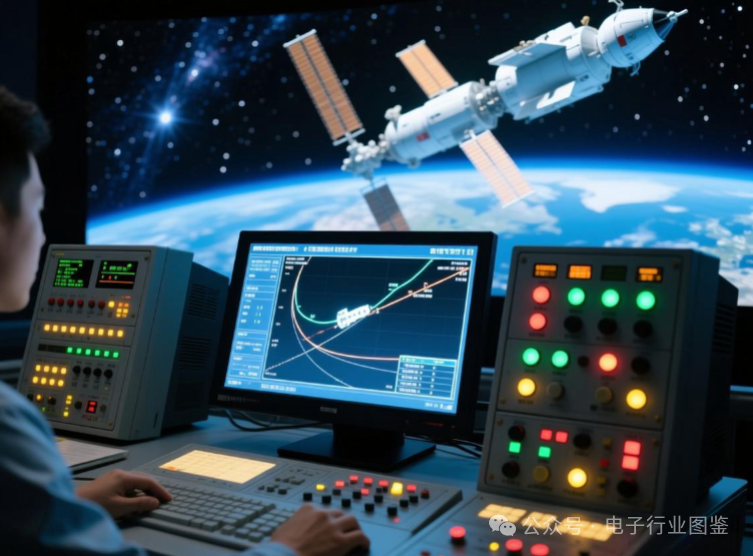
Central Data Management Computer: As the nerve center of the spacecraft, it controls and manages the data management subsystems and other subsystem devices through the system bus.
-
Environmental and Physiological Support Subsystem Data Processing Computer: Responsible for collecting internal environmental parameters and life support parameters of the spacecraft, ensuring appropriate oxygen concentration, temperature, and humidity within the cabin.
-
Voice Processing Computer: Designed with left (right) ear redundancy and equipped with dual microphones and dual headsets, ensuring reliable communication for astronauts in orbit.
2. Extreme environmental challenges faced by aerospace PCBs
The space environment imposes extremely stringent requirements on PCBs:
-
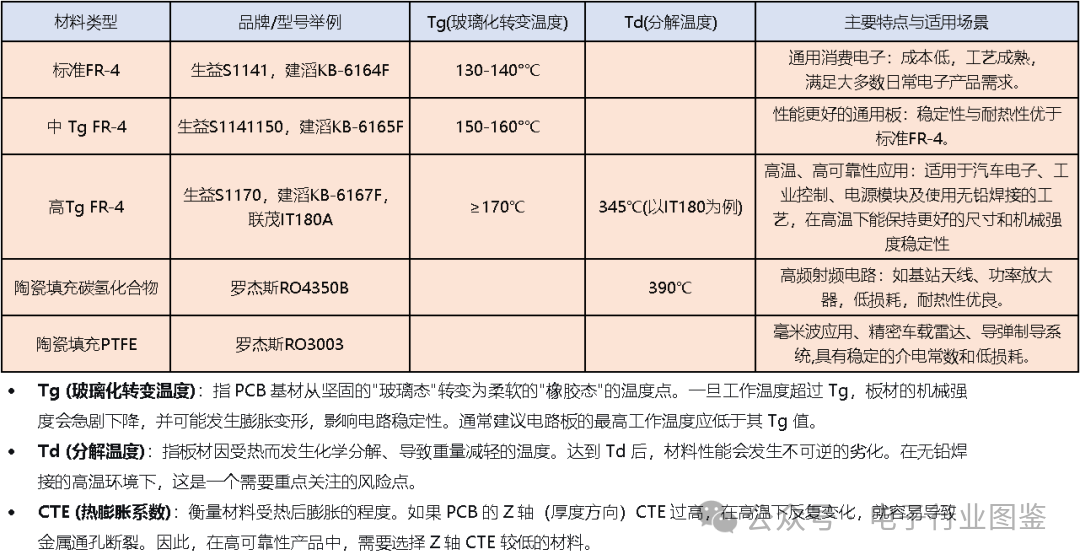
Extreme temperature cycling: The temperature difference in space is vast, and PCB materials must withstand significant temperature fluctuations.
-
Outgassing in a vacuum: PCB materials must minimize outgassing in a vacuum environment to avoid contaminating sensitive spacecraft optical components and surfaces.
-
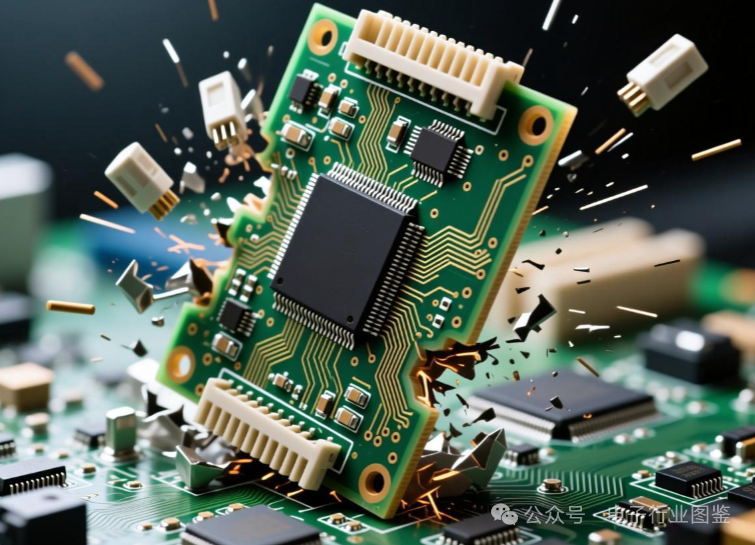
Mechanical vibration and shock: Especially during the launch phase, PCBs must withstand significant vibrations and mechanical shocks.
-
Radiation effects: Radiation in space can affect the normal operation of electronic systems, and PCB design must consider radiation protection and resistance.
-
Long-term reliability: Aerospace missions are long, and PCBs must ensure fault-free operation throughout the mission.
3. Technical requirements and standards for aerospace-grade PCBs
Material selection
-
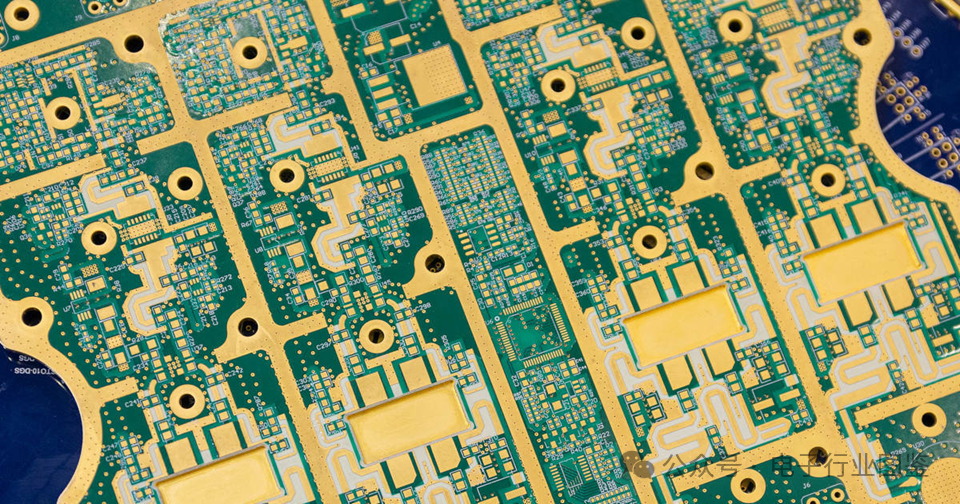
Substrate: Must optimize performance to cope with significant temperature fluctuations and reduce outgassing in a vacuum. For example, some satellite missions use high-performance materials like FR4 TG170, which has a high glass transition temperature and can better withstand thermal stress.
-
Surface treatment: Common treatments such as Electroless Nickel Immersion Gold (ENIG) ensure solderability and connection reliability.
Design and layout
-
Redundant design: Critical systems often use multiple backups. For example, the central data management computer of Shenzhou-22 employs a three-machine cold (hot) backup system structure and various redundancy fault-tolerant technologies.
-
Signal integrity: When laying out, power lines and data communication channels must be considered, while also meeting thermal stability and radiation adaptability.
-
Compact layout: Functionality must be maximized within size, weight, and power constraints.
Manufacturing and inspection
Aerospace PCB manufacturing follows extremely strict standards:
-
IPC standards: IPC-6012ES (Supplementary Standard for Aerospace and Military Aviation Applications) specifies special requirements for rigid printed circuit boards used in space, ensuring they can withstand vibrations, extreme thermal cycling, and other harsh environments.
-
National standards: China has established the national standard “General Specification for Printed Circuit Boards for Aerospace Electronic Products,” which stipulates the technical requirements, quality assurance regulations, and delivery preparations for aerospace printed circuit boards.
-
NASA guidelines: NASA has specific PCB design guidelines that provide guidance on issues related to outgassing in thermal vacuum and stress accumulation from multiple thermal cycles.
4. Response strategies and solutions
Design and material strategies
-
Strict adherence to standards: Follow aerospace-specific standards throughout the entire process from design to manufacturing, rather than commercial standards.
-
Material selection: Choose low outgassing, temperature cycling-resistant PCB materials, including substrates, solder masks, via fills, and inks.
-
Reinforced structural design: Special designs to address thermal mechanical stress, preventing failures due to mismatched thermal expansion coefficients.
Manufacturing and testing strategies
-
Strict process control: Implement statistical process control and high cleanliness standards to ensure product consistency and reliability.
-
Comprehensive inspection and testing: Conduct rigorous qualification inspections and quality consistency tests, including material, structure, appearance, physical performance, electrical performance, mechanical performance, and environmental suitability tests.
-
Reliability validation: Identify and eliminate potential defects early through accelerated life testing and environmental stress screening.
System-level strategies
-
Redundant architecture: Employ multiple redundancy designs in critical systems such as the Shenzhou-22 computer to ensure that a single failure does not lead to system failure.
-
Localized supply chain: Promote the localization of components and tackle “bottleneck” technologies to ensure supply chain security.
-
Continuous technological innovation: Increase R&D investment to promote independent innovation of key core technologies.
5. Future development trends
Aerospace PCB technology is developing in the following directions:
-
Higher integration: As electronic devices become smaller, PCBs require higher component density and more complex stacking structures.
-
New material applications: New materials such as ceramic substrates and high-frequency, high-speed materials will be more widely used.
-
Domestic substitution: The Chinese aerospace sector is actively promoting the localization of components and accelerating the tackling of “bottleneck” technologies.
-
Intelligent manufacturing: Introduce Industry 4.0 and smart factory concepts to enhance the consistency of PCB manufacturing.
The successful launch of Shenzhou-22 showcases China’s technological strength in aerospace-grade PCBs. From material selection to design and manufacturing, from inspection and testing to system application, every link requires a high level of technical expertise and quality control. As China’s space endeavors advance into deep space, the technical requirements for PCBs will continue to rise, driving ongoing innovation and development in this field.
 Hello everyone, I am Xiaobai, thank you for your attention and reading!Let us improve a little every day…The images and videos in this article are sourced from the internet or generated by AI, please verify, and contact for removal if there is any infringement!~ Some information is sourced from publicly available information on the internet, please delete if infringing ~