To determine whether jade has undergone acid washing and dyeing, we need to understand a principle and have a fluorescent lamp.
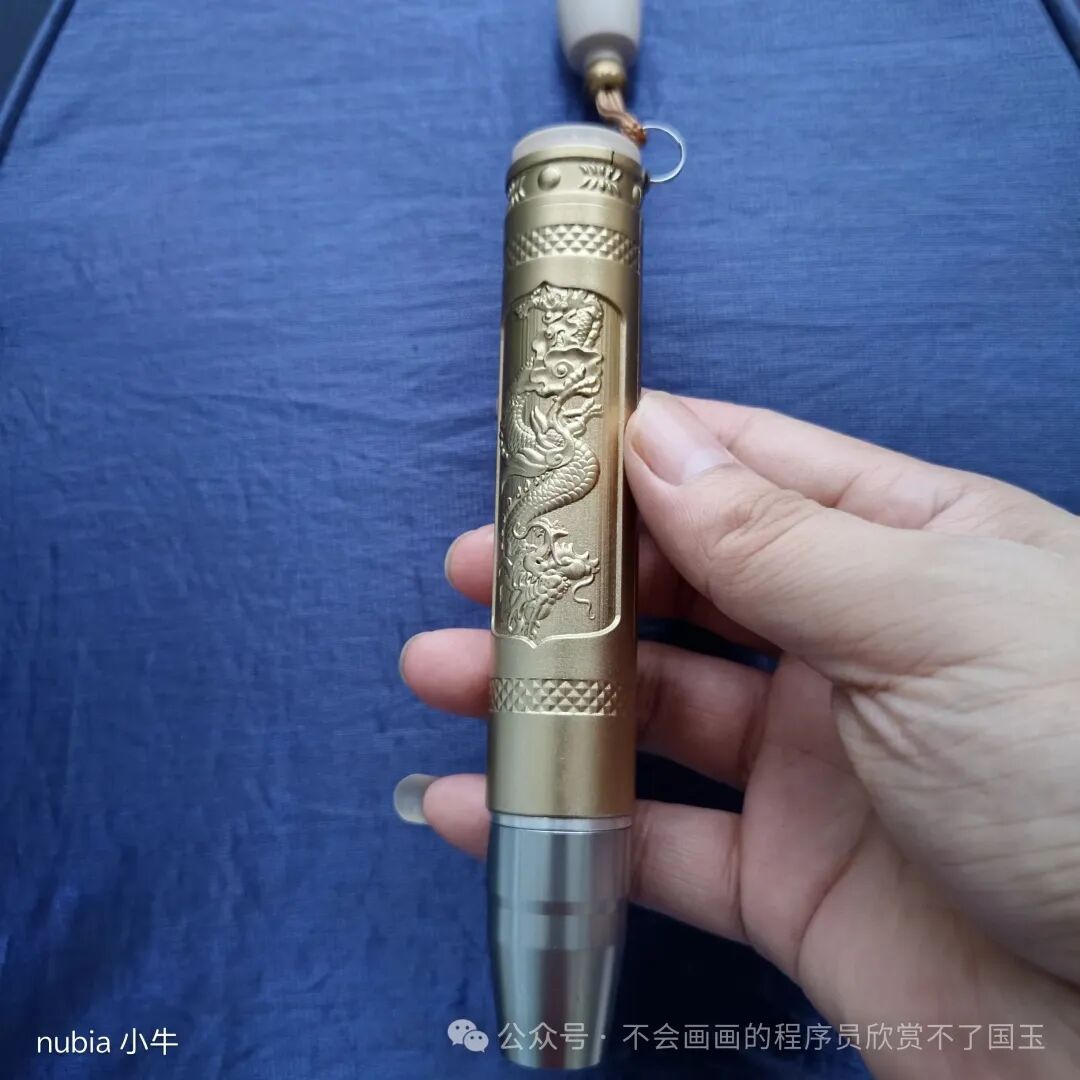
This lamp can emit three types of light: white light, fluorescent light, and yellow light.
A principle:
After acid washing, jade becomes very loose, with many holes on the surface, and the color turns lighter. The purpose of acid washing is to remove impurities from the jade itself, and this process destroys the entire structure of the jade. Therefore, after acid washing, resin injection is performed to strengthen the structure and to add color.
Let’s take a look at the differences before and after lighting.
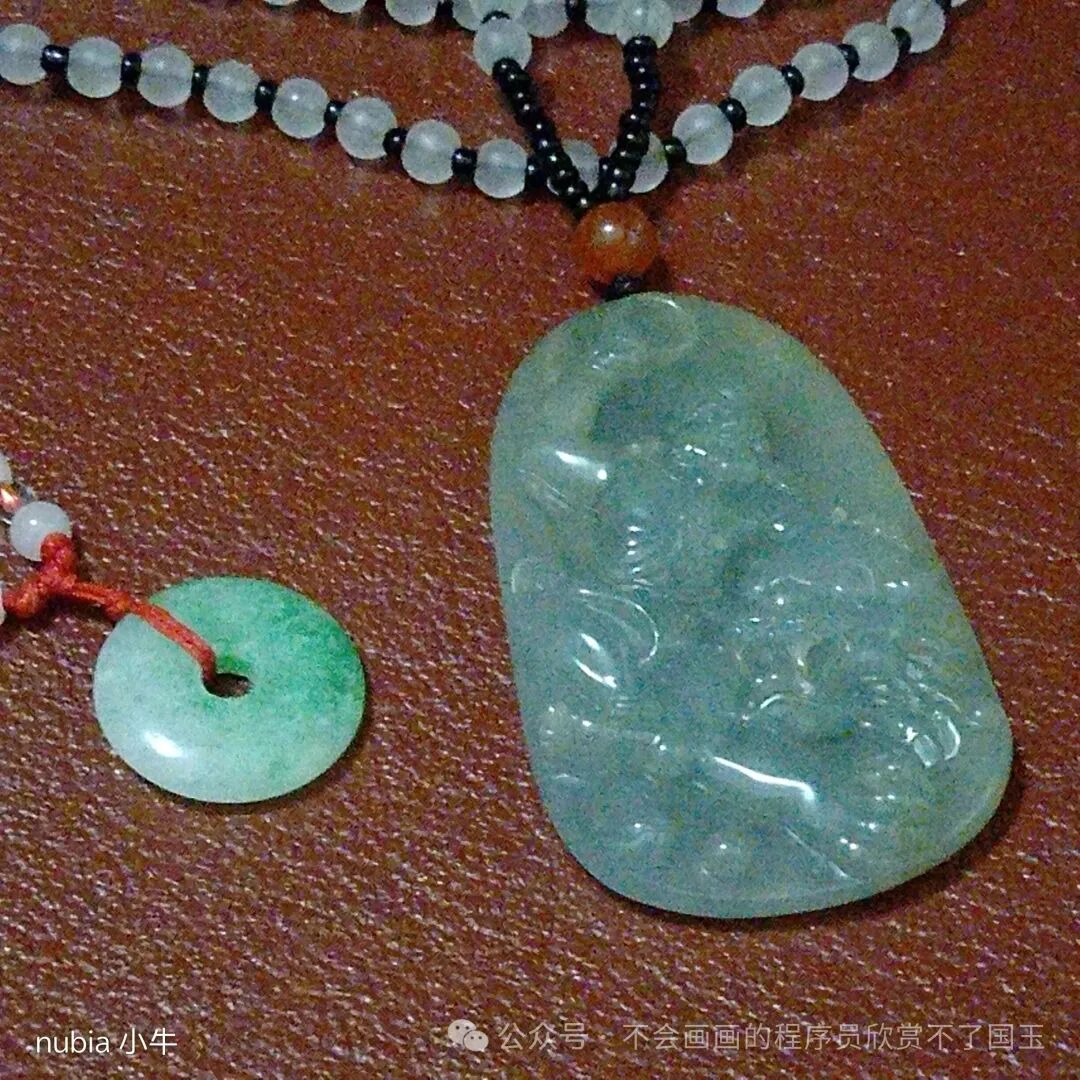
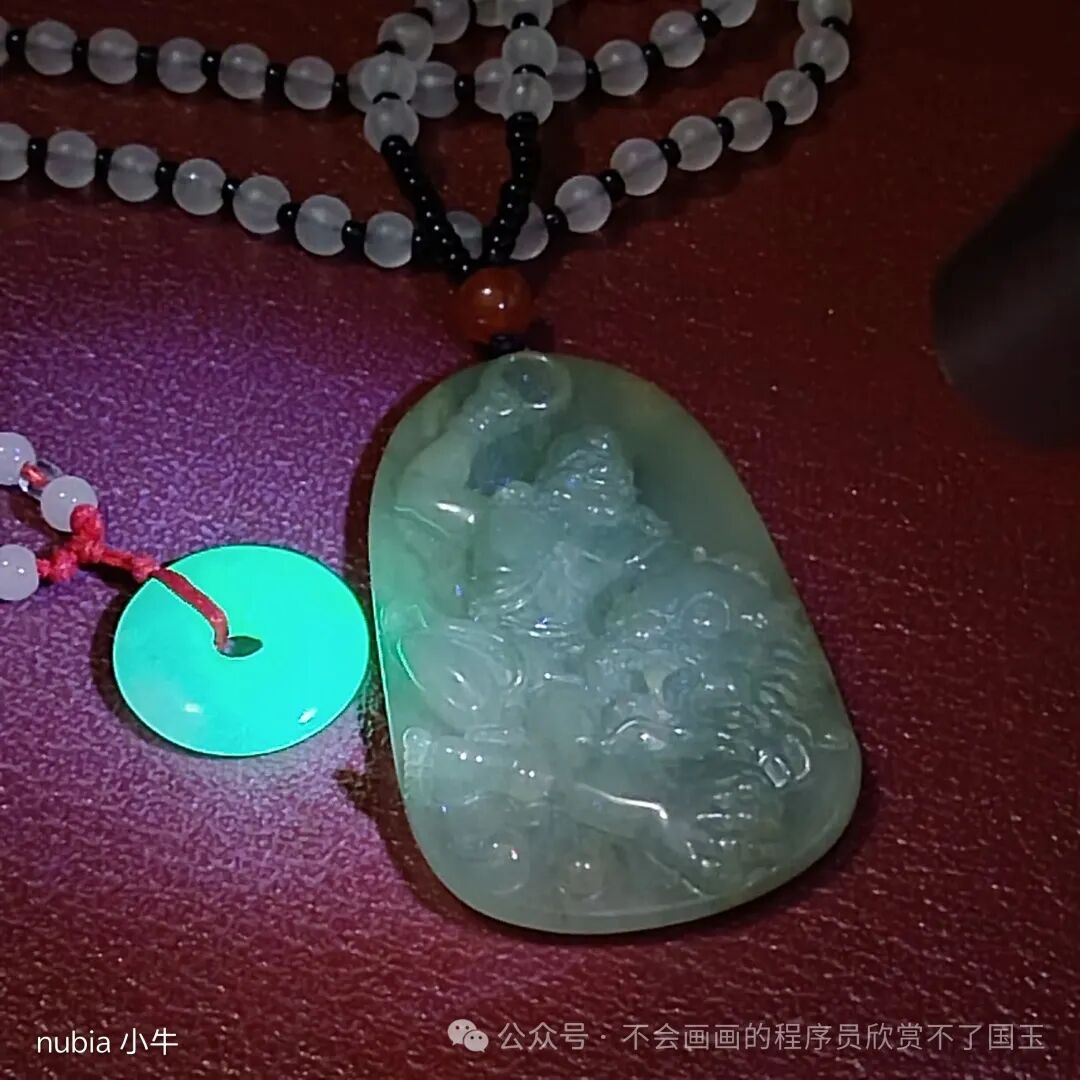
Jade A-grade does not fluoresce; if it does, there is definitely a problem, as the injected resin will produce a strong fluorescent reaction.
One point to note: is it certain that jade A-grade has no fluorescence? This is hard to say; it is possible that the material used does not have a fluorescent reaction, or it may not be jade at all. Many dyed quartzite imitations of jade, as well as Tianshan jade and African jade, can look very beautiful, even some associated minerals like water foam. The latter few look very beautiful, with high transparency.
Therefore, when buying jade, if you pursue perfection, you must be willing to invest. Otherwise, you must accept its imperfections.
When purchasing, be sure to obtain a certificate and pay attention to the authenticity of the certificate!