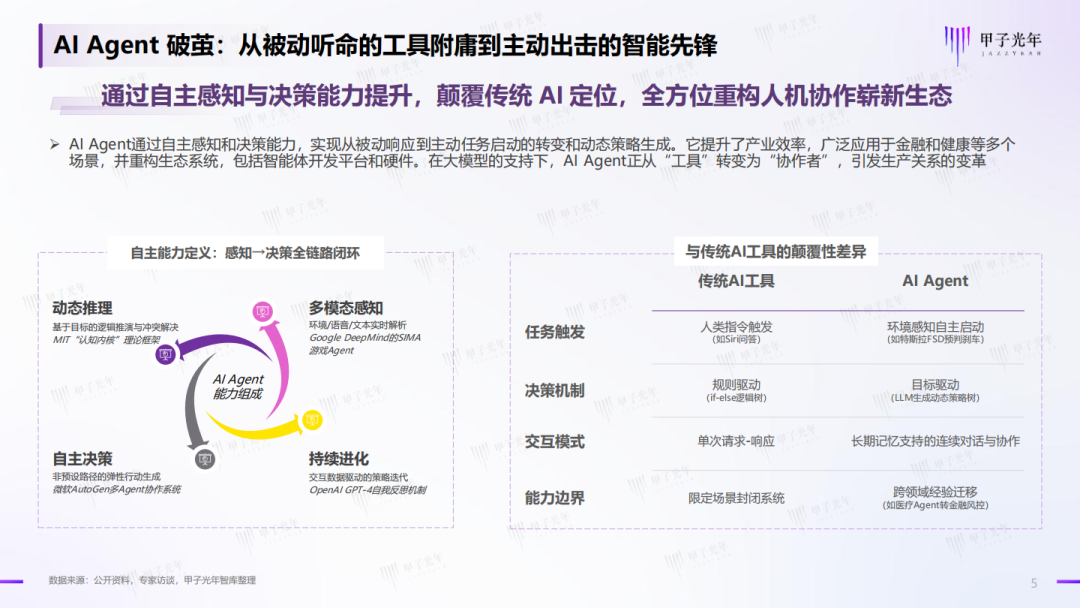
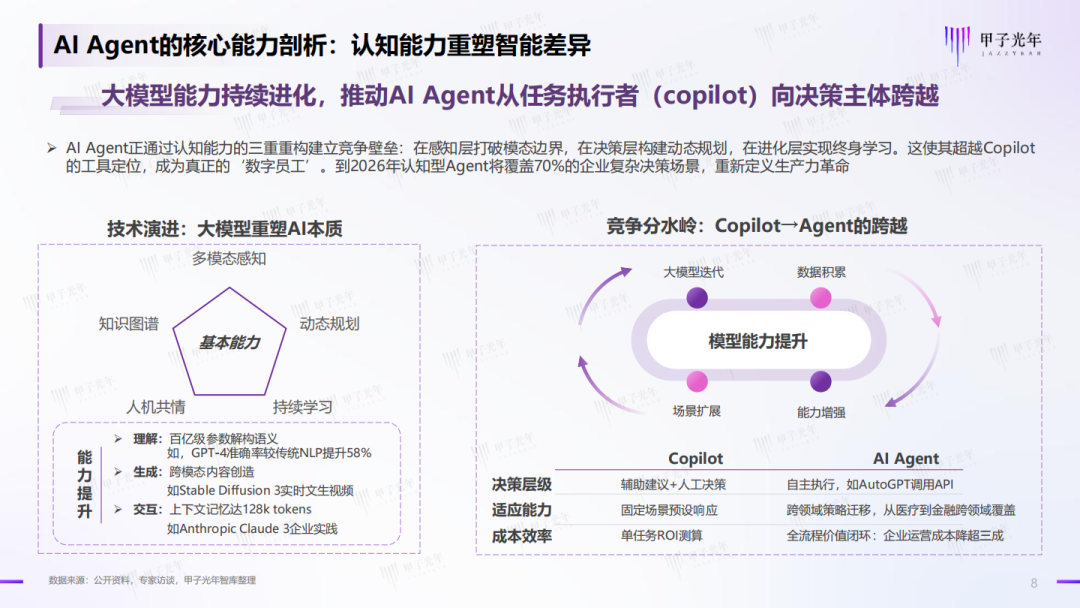
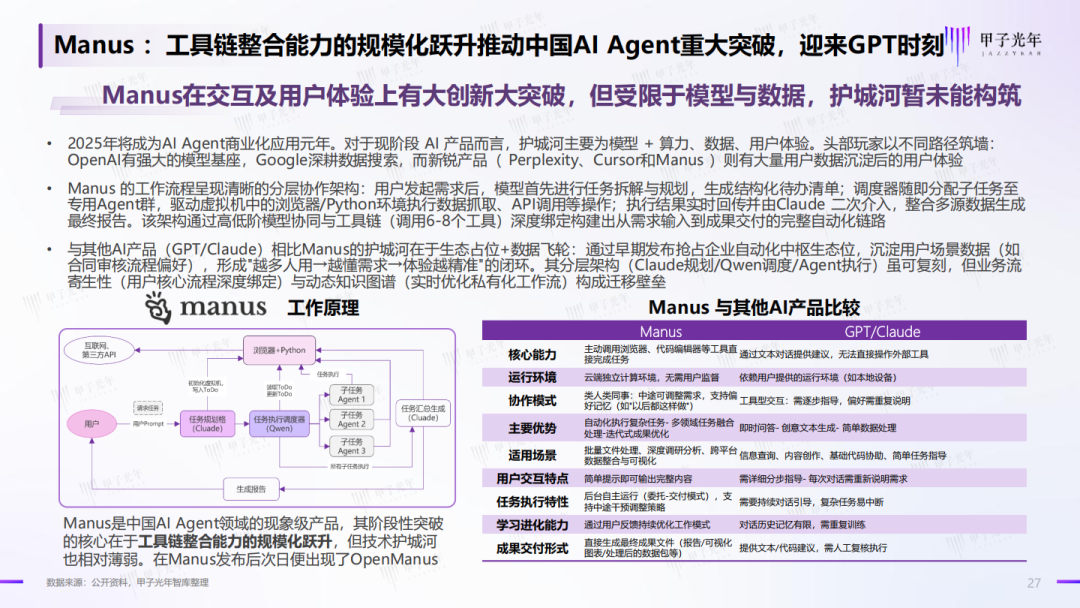
The AI Agent field in China has entered a new stage of “active competition”. The key to success is no longer just the intelligence level of the model itself, but the ability to translate intelligence into actual actions—specifically, the systematic capability to autonomously complete complex task loops in real business scenarios through tool invocation, workflow orchestration, and ecological integration.AI Agents have quietly initiated a new round of industrial revolution. This is not merely a technical upgrade, but a complete reconstruction of production relationships.
 The First Campaign: The Triple Evolution of Enterprises—From “Using AI” to “Being AI”
Imagine a scenario where, at Belle Group, over 10,000 store clerks no longer need to memorize product information, but instead have dedicated AI assistants that answer customer inquiries in real-time, recommend outfits, and process orders. Behind this is the triple evolution of enterprises triggered by AI Agents.
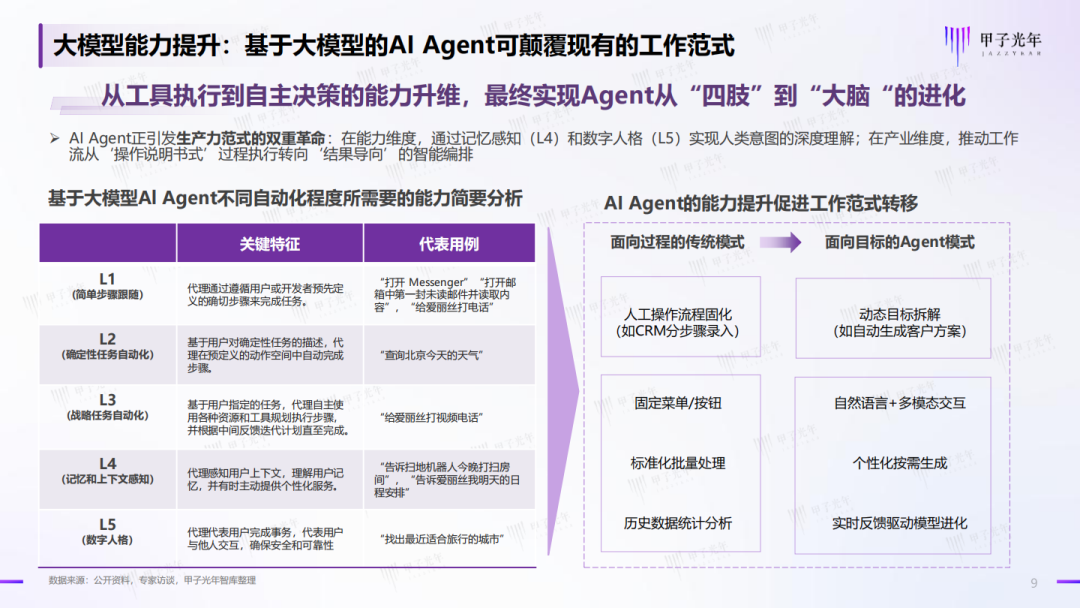
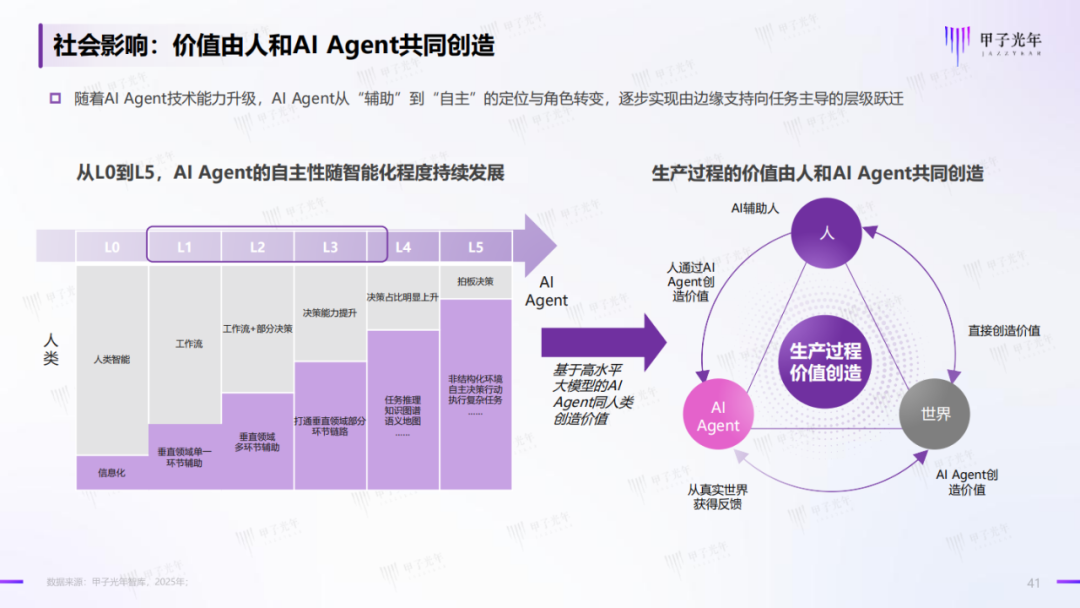
The First Layer: Human-Machine Collaboration Revolution—From “Humans Operating Machines” to “Machines Augmenting Humans”
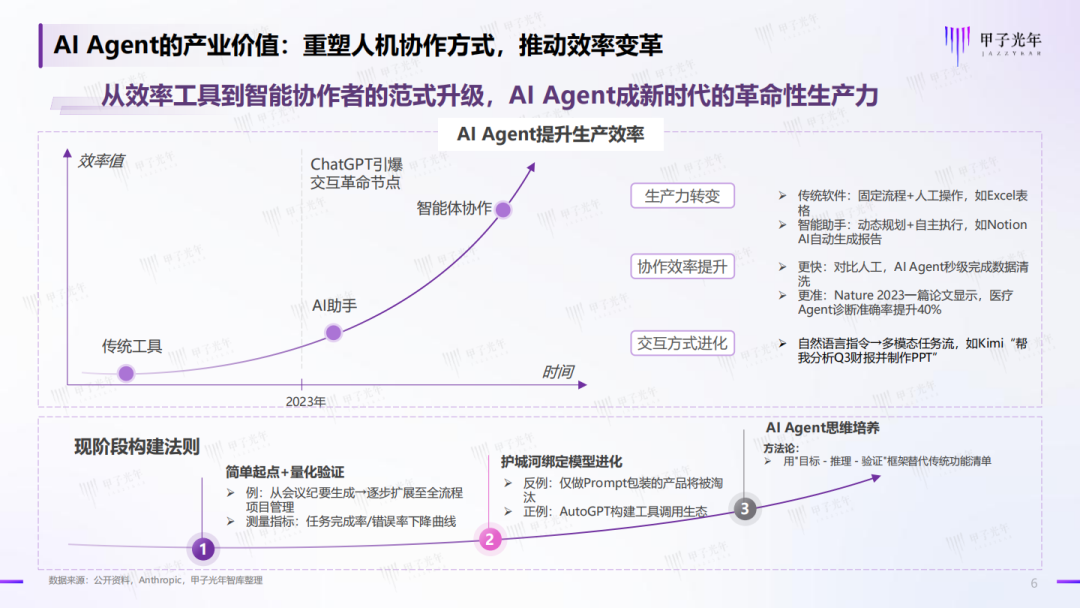
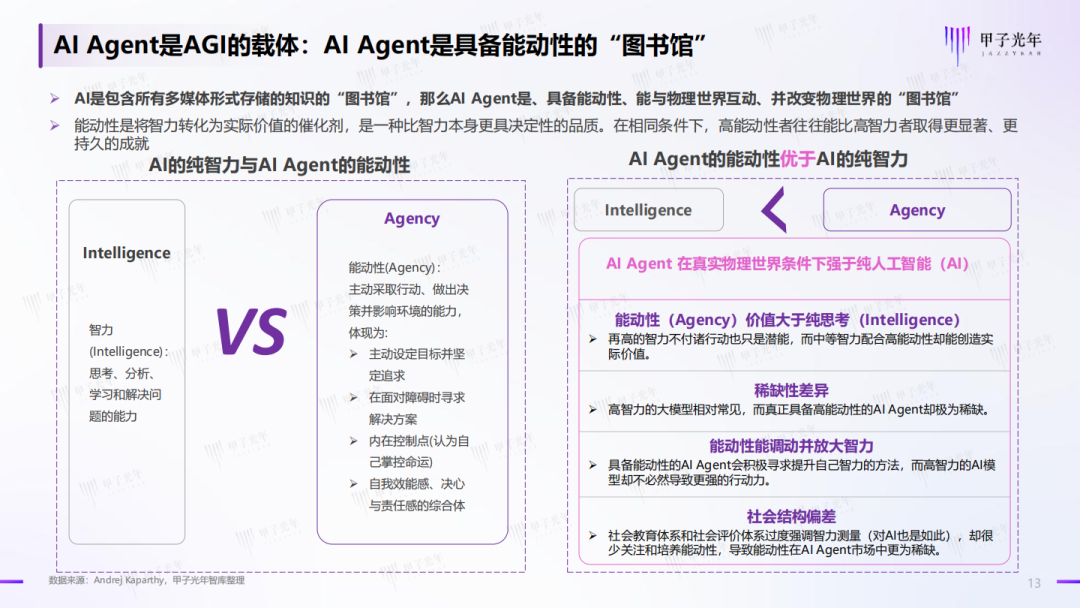
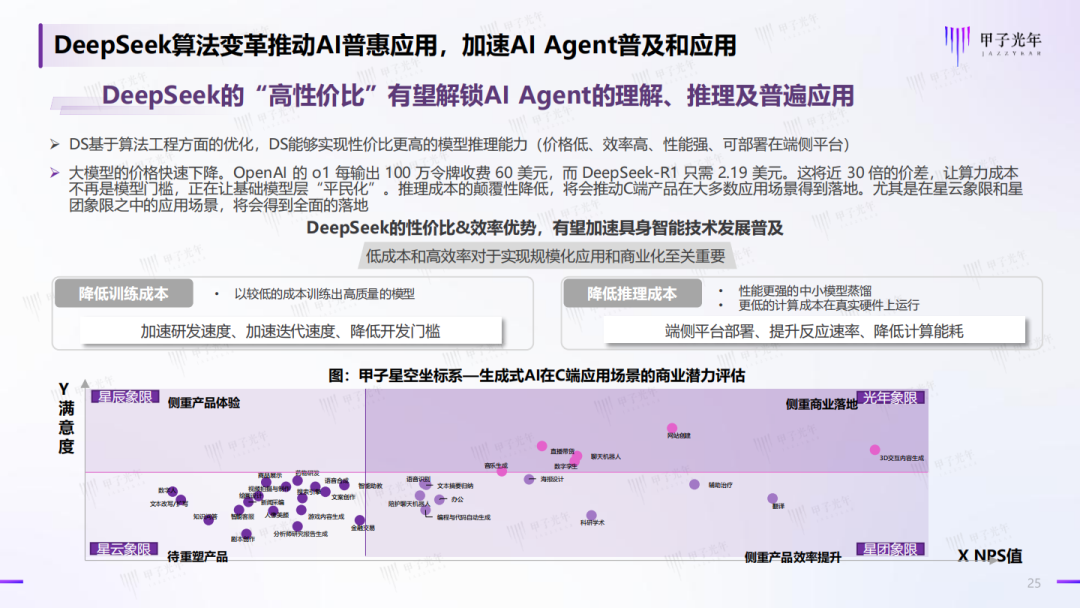
According to a report by GaiZhi GuangNian, when the penetration rate of AI Agents exceeds the critical point of 40%, enterprises will experience a paradigm shift from tool usage to cognitive symbiosis. This not only brings a 58% improvement in operational efficiency but will also reconstruct the DNA of enterprises.
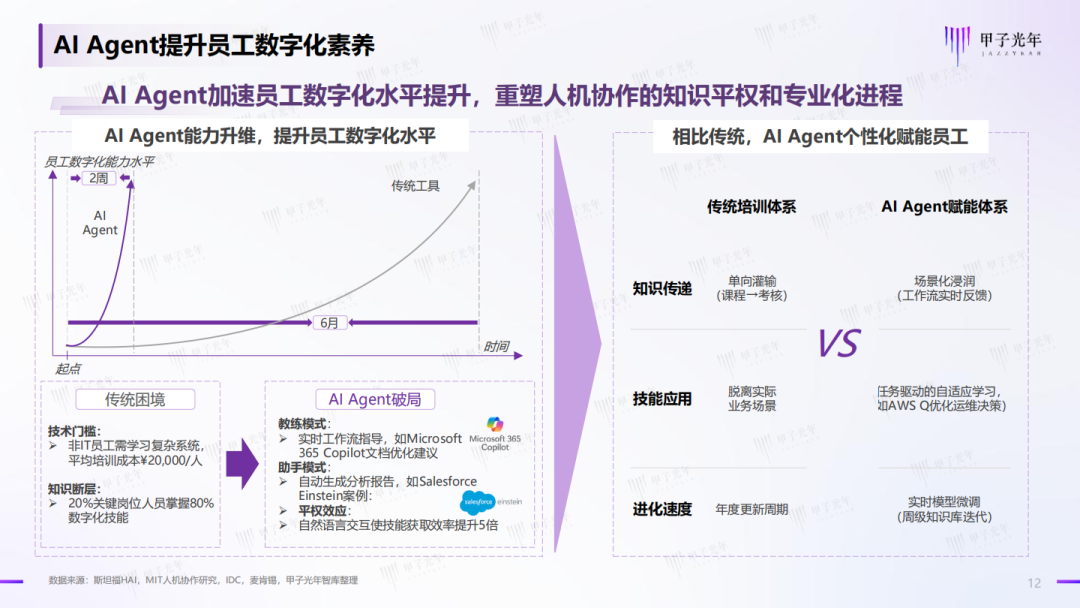
Specifically, employees will be equipped with an average of 3.2 dedicated AI Agents, with the response speed for complex decision support increasing by up to 400%. The training period for new employees will be compressed from several months to 72 hours, completely resolving the pain point of “new talent cannot immediately get started”.
The Second Layer: Knowledge Asset Engine—Making Implicit Experience Explicit
In traditional enterprises, the experience of senior workers disappears with retirement; in the era of AI Agents, this experience is transformed into computable models.
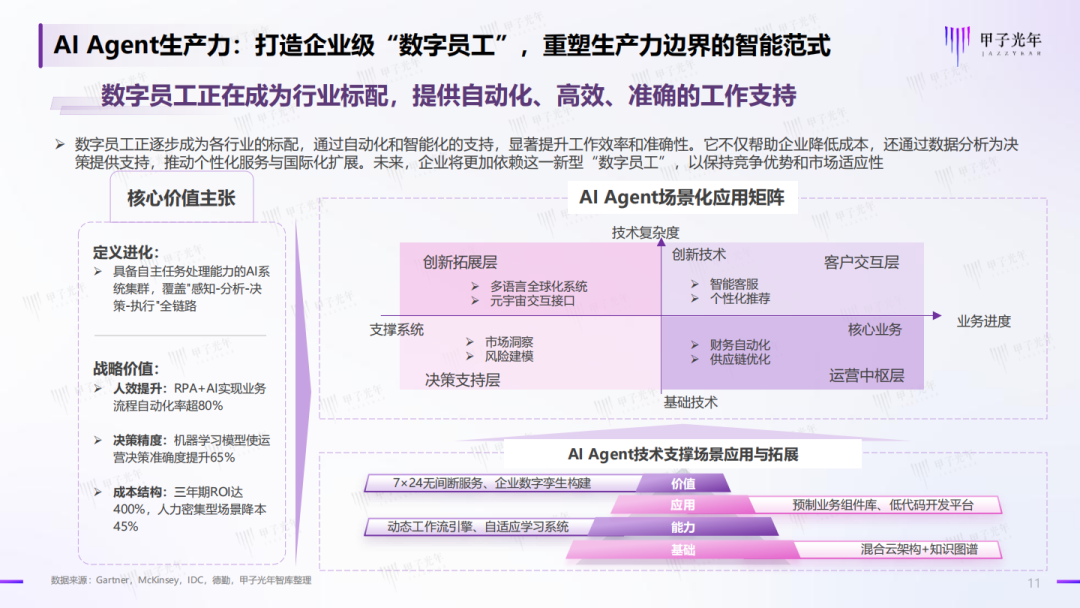
A certain indoor equipment brand empowered a team of over 300 people through customer source Agents, reducing labor costs by 20%. This is not just an efficiency improvement, but also crystallizes core capabilities such as “how to find customers and how to maintain customers” into permanent assets for the enterprise.
The Third Layer: Leap in Production Models—From “Mechanical Execution” to “Neural Network”
The incubation cycle for sales leads has been shortened from 45 days to 11 days, with fault prediction lead time reaching 72 hours, and management structure transitioning from a hierarchical system to a neural network structure—these are all tangible changes brought about by AI Agents.
 The Second Campaign: Ecology + Scenarios—The Competition of Large Models Enters the Second Half
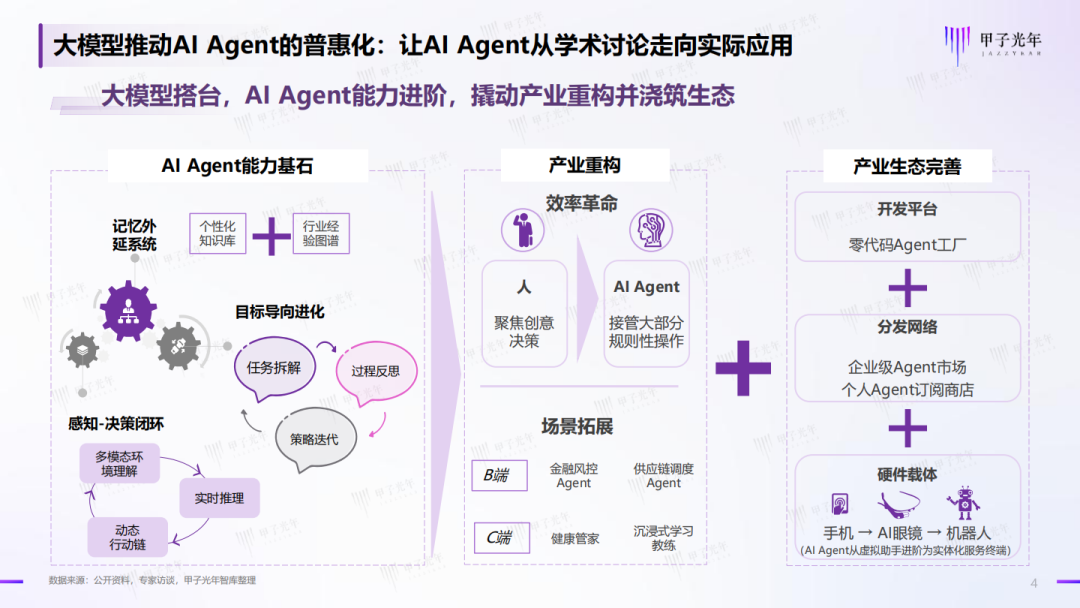
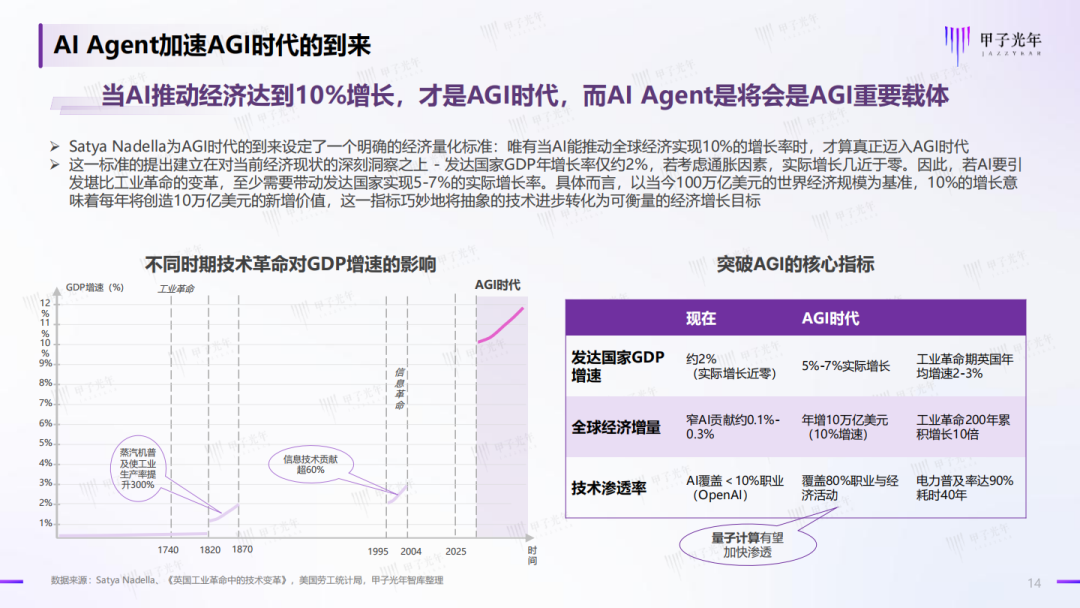
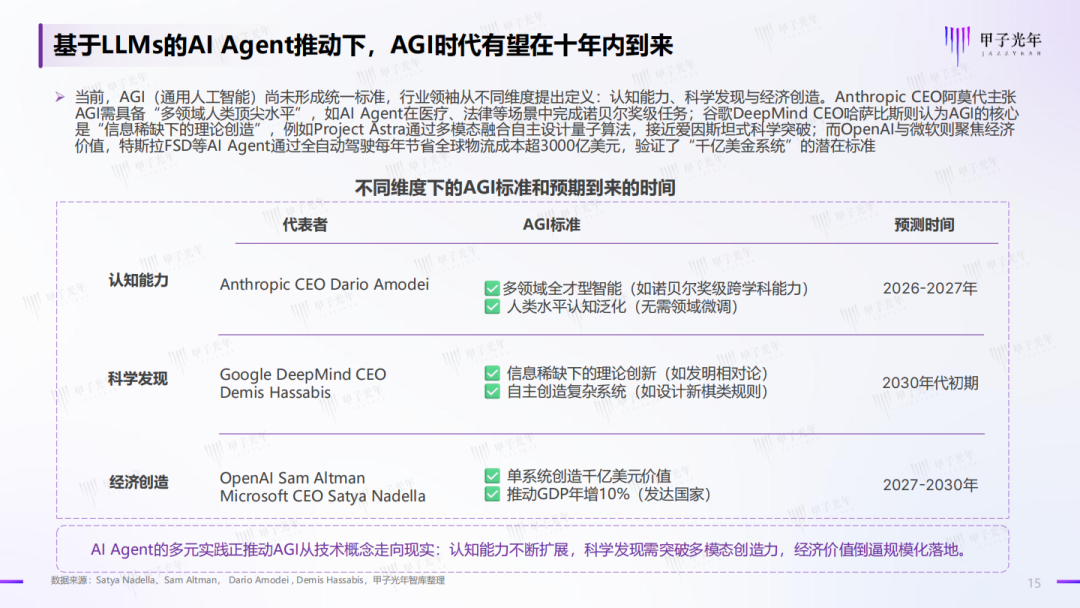
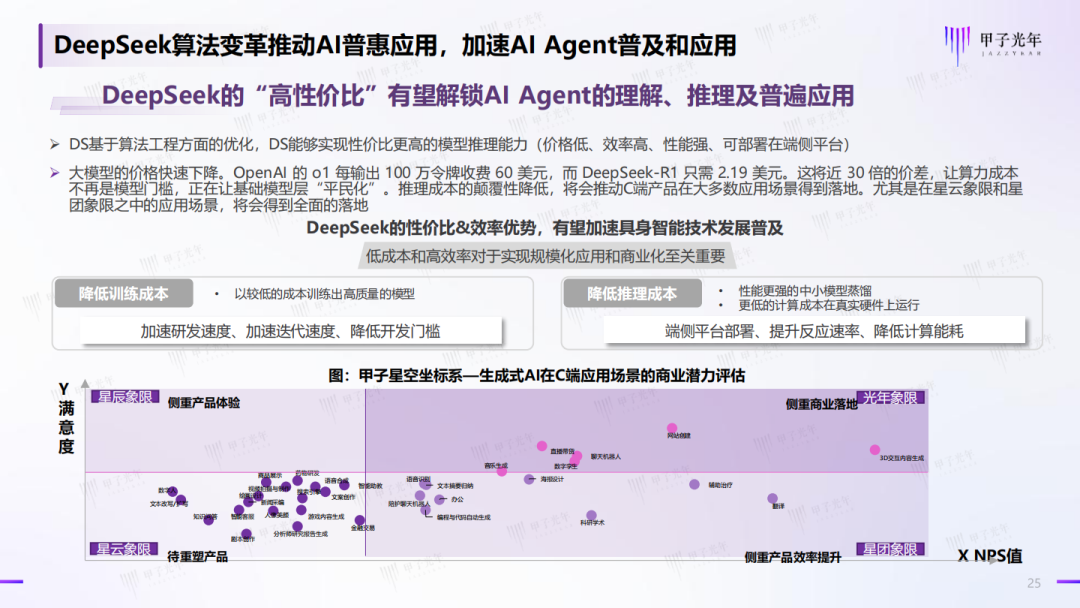
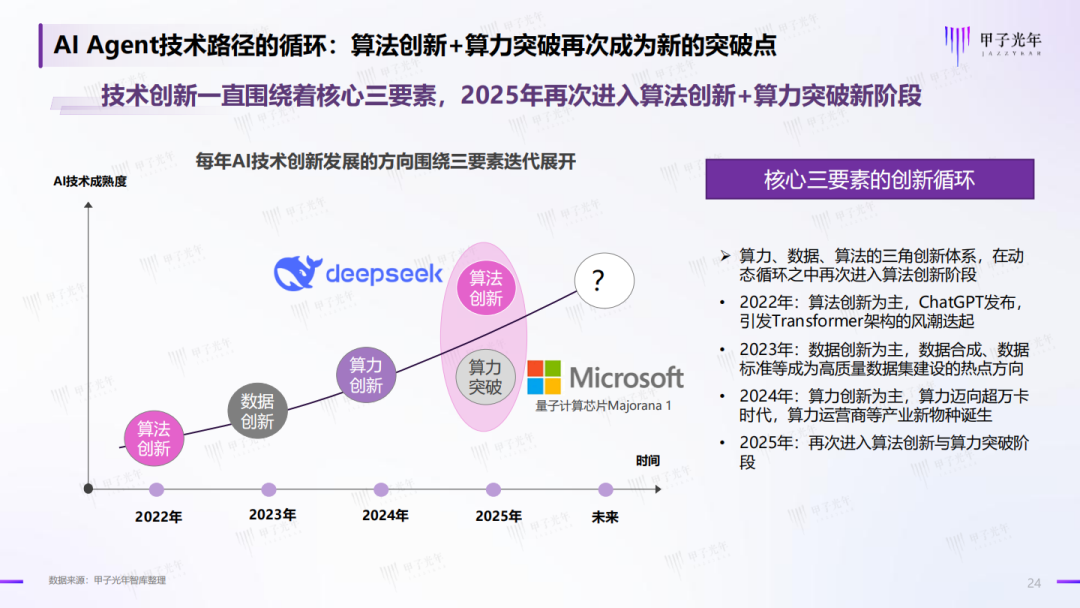
If 2023 is the technological arms race of the “Hundred Models War”, then by 2025, the competition will have entered the second half of “Ecology + Scenarios”.
The First Half Competes on Parameters, the Second Half Competes on Implementation
Large model vendors suddenly realize that having a smart “brain” is not enough; they also need capable “hands and feet”. This is why:
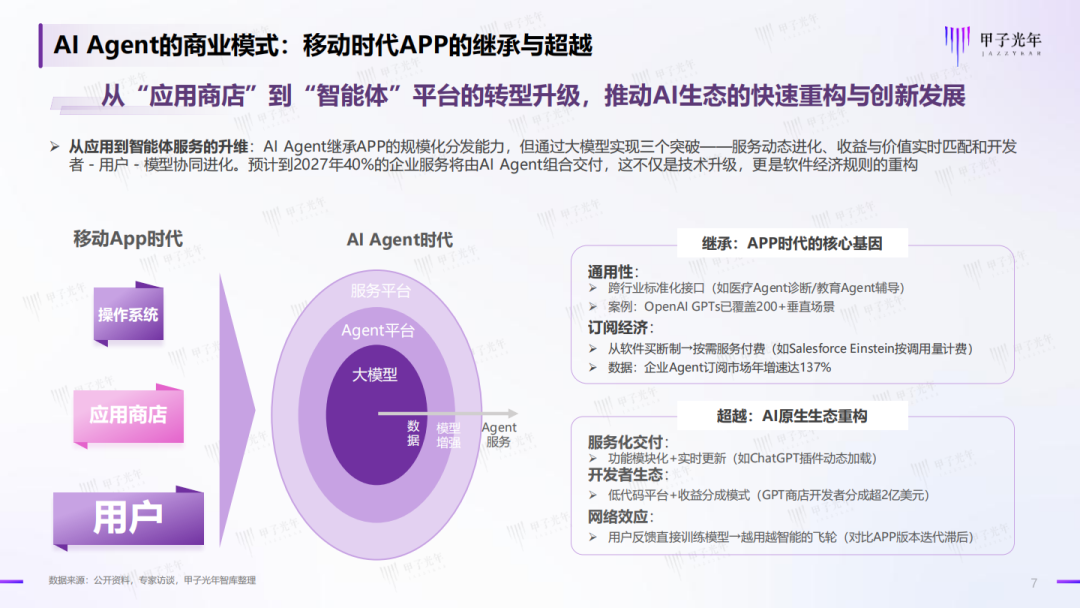
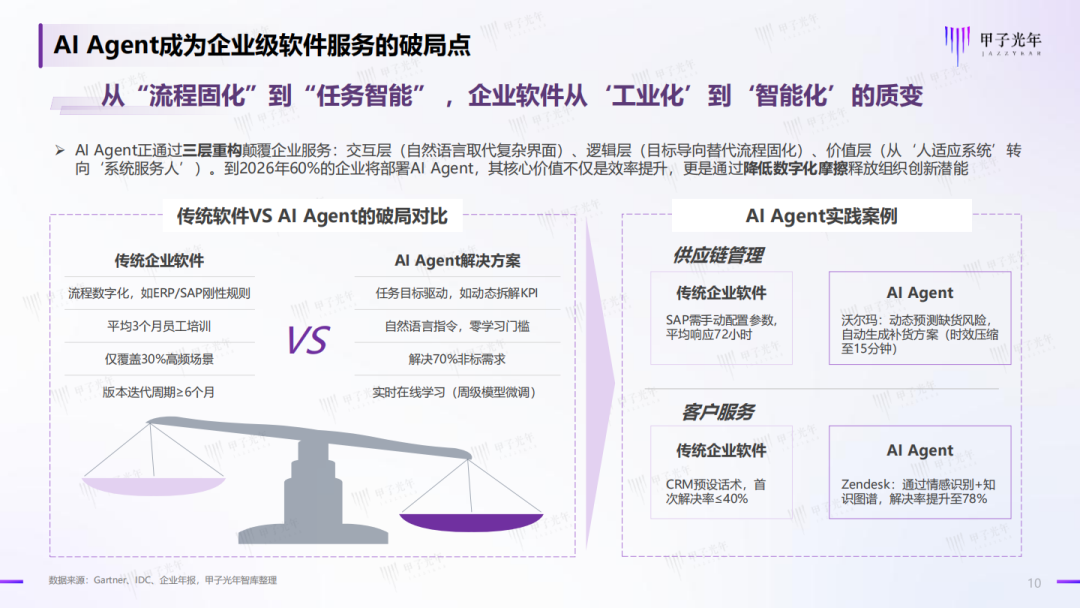
Baidu Wenxin is building a “Thousand Sails Ecology”, connecting with over 800 enterprises; iFlytek is deeply cooperating with top hospitals to build medical big data; Alibaba Tongyi is launching enterprise-specific model versions; Hugging Face is establishing a model crowdsourcing optimization mechanism.
If large models do not have a rich ecology to match, the overall development and implementation process will face many obstacles. The overall development cost will be significantly higher. For example, current tools like N8N and DIFY have a large ecosystem to support the overall implementation of AI agents.
Deepening Scenarios Becomes the Key to Breaking Through
In the financial sector, AI Agents have shortened the due diligence cycle by 80%; in the medical field, the diagnostic error rate has dropped to 2.3%; in the industrial sector, the operational prediction accuracy has reached 91%. Behind these numbers is the deep penetration of AI Agents in specific scenarios. AI agents cannot be limited to ordinary customer service and knowledge issues; they need to delve into various business processes. Processes that previously required manual connections can now operate 24/7 using AI Agents, leading to significant efficiency improvements.
The Choice of Developers Determines the Success or Failure of the Ecology
Now, developers no longer ask “which model is the smartest”, but rather “which ecology can help me make money”. Developers in the GPT store have shared over $200 million, a figure more persuasive than any technical parameter.
 The Third Campaign: Facing Challenges—Concerns Behind Prosperity
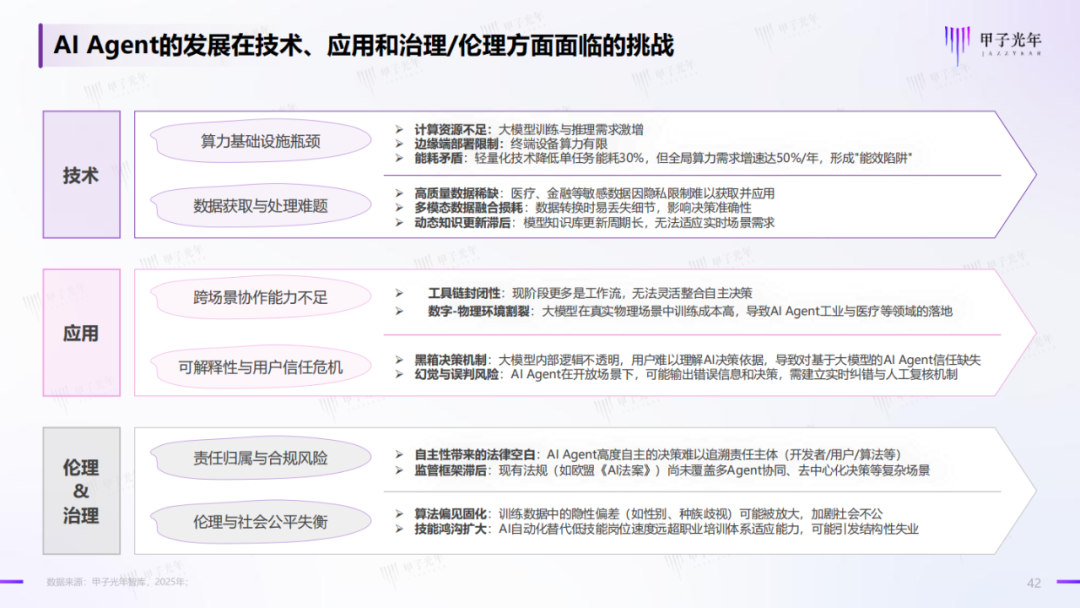
However, the rapid development of AI Agents has also brought three major challenges.
Technical Challenge: Power Consumption Black Hole and Data Dilemma
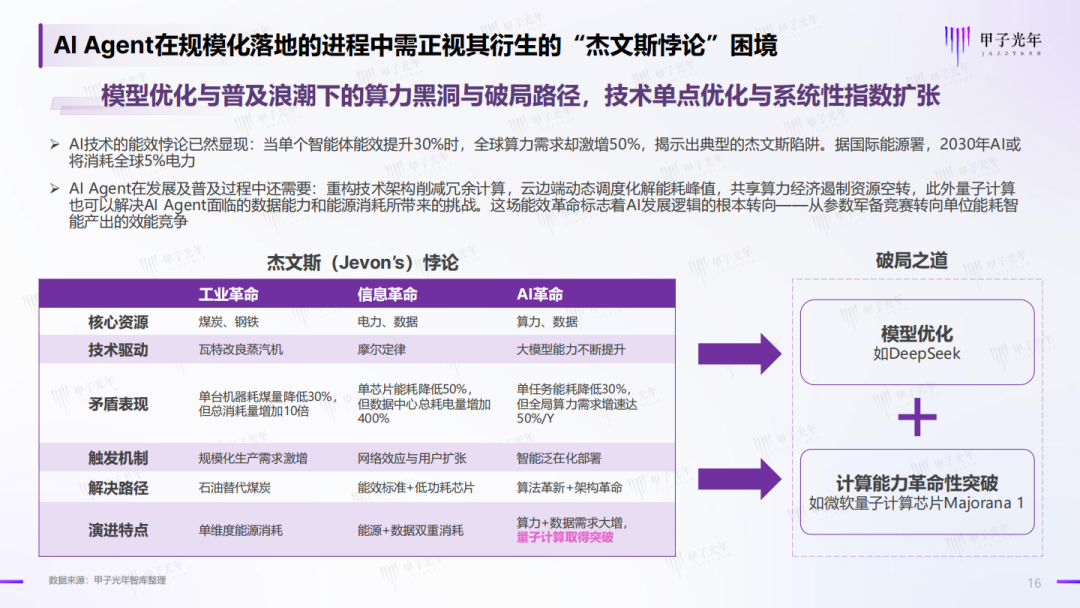
While the efficiency of a single intelligent agent improves by 30%, global power demand surges by 50%—this is a classic example of the “Jevons Paradox”. According to the International Energy Agency’s forecast,currently, AI accounts for 5% to 15% of data center electricity consumption, but by 2030, this proportion could rise to 35% to 50%.
At the same time, the scarcity of high-quality data has become a bottleneck. Data in fields such as healthcare and finance is difficult to obtain due to privacy risks, and the loss of details in multimodal data fusion affects decision-making accuracy.
Application Challenge: Trust Crisis and Scenario Fragmentation
Users are most concerned about: how can I trust AI’s decisions? When AI Agents may output incorrect information in open scenarios, establishing a real-time error correction mechanism becomes essential.
Another pain point is the fragmentation between digital and physical environments. The training costs of large models in real physical scenarios are extremely high, limiting the deep application of AI Agents in industries such as healthcare and manufacturing.
Governance Challenge: Legal Gaps and Ethical Dilemmas
The highly autonomous decision-making of AI Agents raises questions of accountability: when mistakes occur, should the developer, user, or algorithm be held responsible?
A more profound impact is on social equity. Algorithms may amplify implicit biases in training data, and the speed at which AI automation replaces low-skill jobs may far exceed the adaptability of vocational training systems.
 The Future Path: Staying Sober Amidst Enthusiasm
In the face of these three critical campaigns, how should enterprises and individuals respond?
For Enterprises
First, it is essential to clarify that introducing AI Agents is not merely a technology procurement, but an organizational transformation. Preparation is needed from three dimensions: business process reorganization, employee skill enhancement, and data governance upgrades. Introducing AI Agents requires a focus on three directions: technological upgrades, employee AI capability upgrades, and data governance to serve AI. If any one of these aspects is not ready, the introduction of AI Agents will lead to failure.
For Practitioners
Mastering the ability to collaborate with AI Agents will become a core competitive advantage. It is not about becoming an AI expert, but about becoming an expert who can command AI. Employees and AI will ultimately become collaborators, expanding employees’ capabilities and boundaries through AI, thereby enhancing individual work efficiency.
For Society as a Whole
A corresponding regulatory framework and ethical standards need to be established to ensure that the development of AI technology aligns with social welfare. Additionally, relevant safety and ethical organizations should monitor AI behavior. AI agents are not humans; their behavior and thinking patterns differ from those of humans, so their thought processes need to be aligned with human thinking before use.
In this transformation triggered by intelligent agents, the winners will not be those who blindly follow trends, but those who can analyze rationally, advance steadily, and maintain clarity amidst enthusiasm.
The door to the era of AI Agents has been opened. Are you ready to face these three critical campaigns?
Recommended Books on Marketing Frontiers

Reflecting New Trends and Changes in the Digital Age
Meeting New Challenges in Marketing in the Era of Transformation
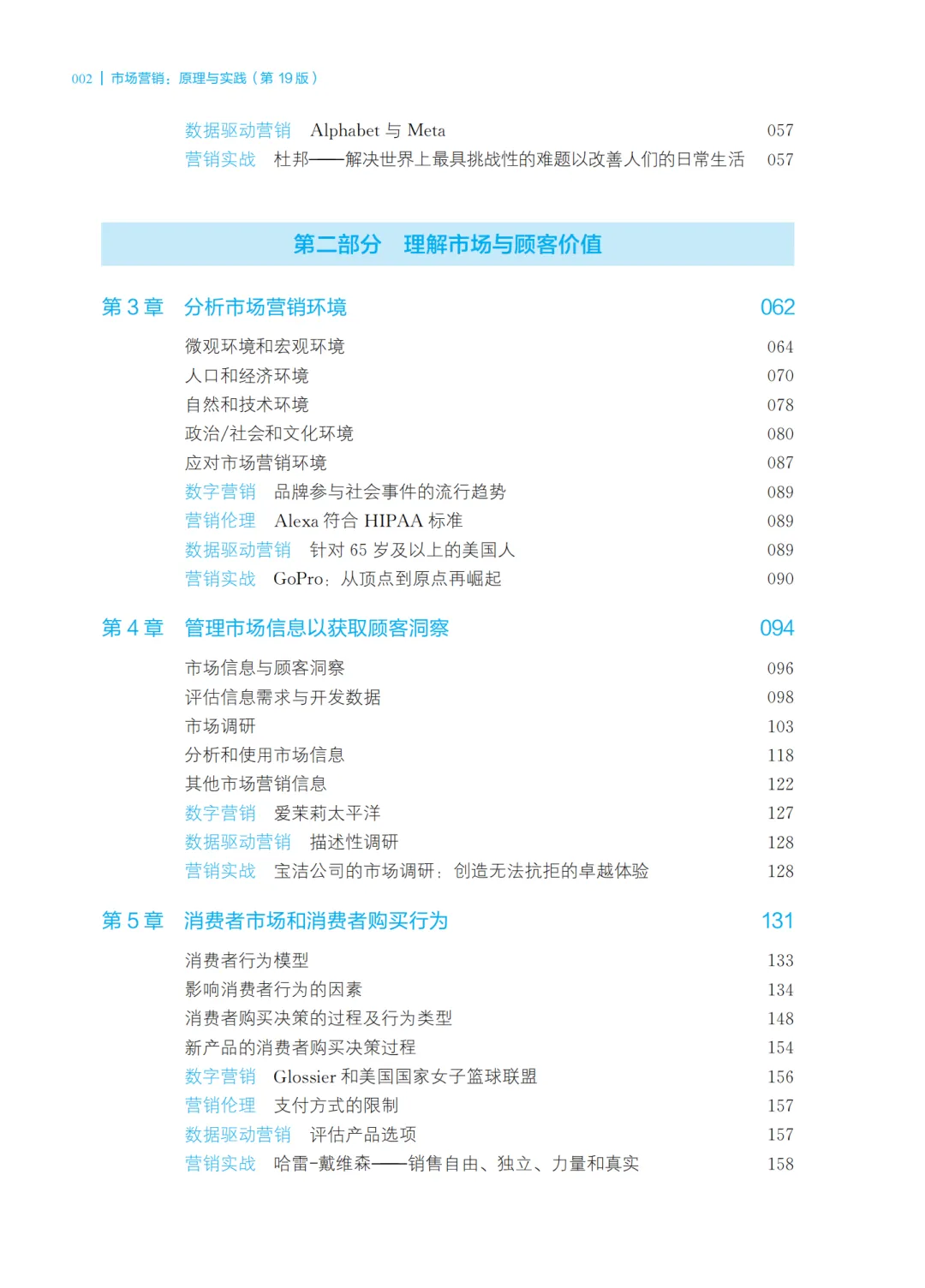
This book is a classic work by Philip Kotler, the “father of modern marketing”, providing readers with comprehensive and cutting-edge knowledge of marketing. The new 19th edition fully reflects the profound impact of digital technology on marketing, incorporating new marketing trends and innovative practices, especially in areas such as artificial intelligence, digital marketing, and influencer marketing, presenting new perspectives and applications. The book centers on customer value and customer engagement, highlighting the following six major themes:
01
Creating Value for Customers to Gain Value in ReturnEnterprises must be adept at creating customer value, customer engagement, and managing customer relationships. The innovative framework of customer value and customer engagement, explained through a five-step model of the marketing process, runs throughout the book and is the basic logic of enterprise marketing activities.
02
Customer Engagement and Digital and Social MediaThe new chapter on “Digital Marketing” guides enterprises to utilize digital technology to establish closer interactions with customers through precision marketing and omnichannel marketing, enhancing customer experience and better achieving customer engagement.
03
Building and Managing Strong Value-Creating BrandsA well-positioned brand and strong brand equity are the solid foundation for establishing stable customer relationships. This book discusses how to accurately position and manage brands to create valuable brand experiences.
04
Measuring and Managing Marketing ReturnsIn a marketing environment full of uncertainty, marketers must ensure that marketing funds are effectively utilized. “Marketing accountability” has become an important component of strategic marketing decisions.
05
Global Marketing and Sustainable MarketingMarketers must be skilled at operating brands sustainably on a global scale, enhancing their ability to predict changes in demand based on insights into customer needs and business trends.
06
Marketing in Disruptive TimesThe disruptive nature of the marketing environment has always existed. For enterprises to develop and survive in disruptive times, they must create value for customers under volatility and uncertainty, as discussed in the book regarding DTC models, Outschool’s personalized education for all, etc.


Author Biography
Philip Kotler
Philip Kotler
Emeritus Professor of Marketing at Northwestern University’s Kellogg School of Management, known as the “father of modern marketing”. Kotler received systematic training in economics at the University of Chicago and the Massachusetts Institute of Technology, studying under Nobel laureates Milton Friedman, Paul Samuelson, and Robert Solow. He later applied economic theory to practice, focusing on the operation of market mechanisms and marketing activities, becoming one of the earliest pioneers in modern marketing and behavioral economics.First recipient of the American Marketing Association (AMA) “Outstanding Marketing Educator Award”, recognized by the AMA as “the most influential marketer of all time”. Founding member of the Marketing Hall of Fame. He has authored numerous works and is the only scholar to have won the “Alpha Kappa Psi Award” three times.Gary ArmstrongProfessor at the Kenan-Flagler Business School at the University of North Carolina at Chapel Hill. He holds the only permanently endowed chair in undergraduate teaching at the University of North Carolina and has won the school’s undergraduate teaching excellence award three times. He received the UNC Board of Governors Award for his outstanding contributions to teaching, the highest teaching award jointly awarded by 16 universities in North Carolina. He has published numerous articles in academic journals and collaborated with various companies on marketing research, sales management, and marketing strategy formulation.Sridhar BalasubramanianProfessor and Chair of Marketing at the Kenan-Flagler Business School at the University of North Carolina at Chapel Hill. He has served as the Senior Associate Dean of the MBA program and has won the school’s best teacher award eight times. His pioneering research has been cited over 12,000 times on Google Scholar. He focuses on “toolkit teaching”, transforming cutting-edge knowledge into useful and applicable toolkits. He is widely involved in the business community, collaborating with over 50 organizations worldwide.
Translator Biography
Wang Yonggui
Member of the Strategic Advisory Committee for the Construction of Autonomous Knowledge Systems in Higher Education Institutions of the Ministry of Education, Distinguished Professor of the Changjiang Scholars Program of the Ministry of Education, recipient of the National Outstanding Youth Science Fund, leader of the National “Ten Thousand Talents Program”, expert of the State Council Degree Committee’s Business Administration Discipline Review Group, member of the Teaching Guidance Committee for Business Administration Majors of the Ministry of Education; first recipient of the National Excellent Textbook Award, enjoys special government allowances from the State Council, teaching master in Beijing, and a highly cited scholar in China from 2014 to 2024; President of Zhejiang Gongshang University, Professor, and Doctoral Supervisor, Director of the China Intelligent Management Research Institute; Vice President of the Marketing Research Association of Chinese Higher Education Institutions, Vice President of the China Enterprise Reform and Development Research Association, Vice President of the China Industrial Economics Society; has hosted over 20 major projects funded by the National Social Science Fund, National Natural Science Fund, and other provincial and ministerial-level projects; published over 100 papers in domestic and international academic journals, and received nearly 20 provincial and ministerial-level research and teaching awards.
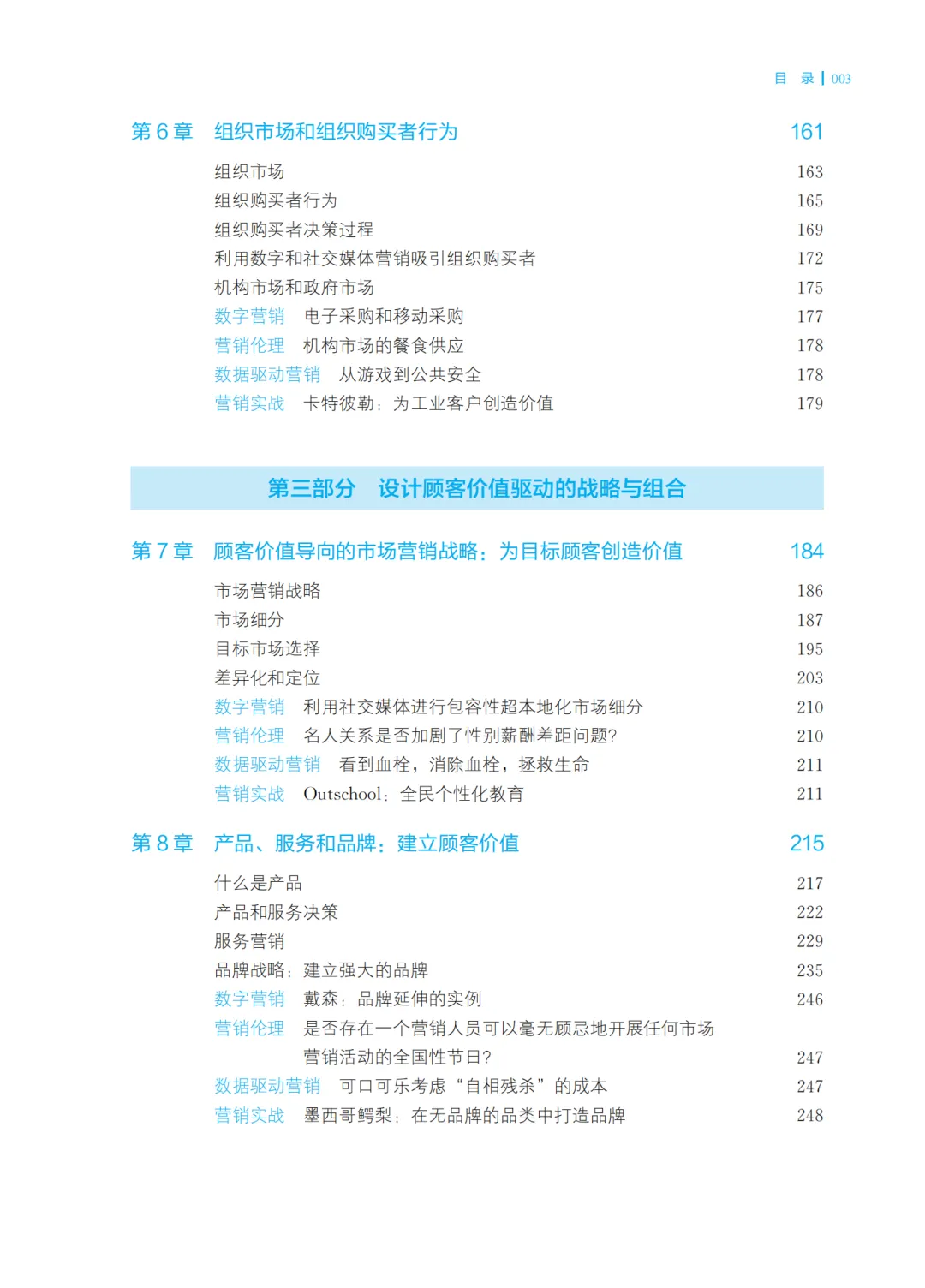
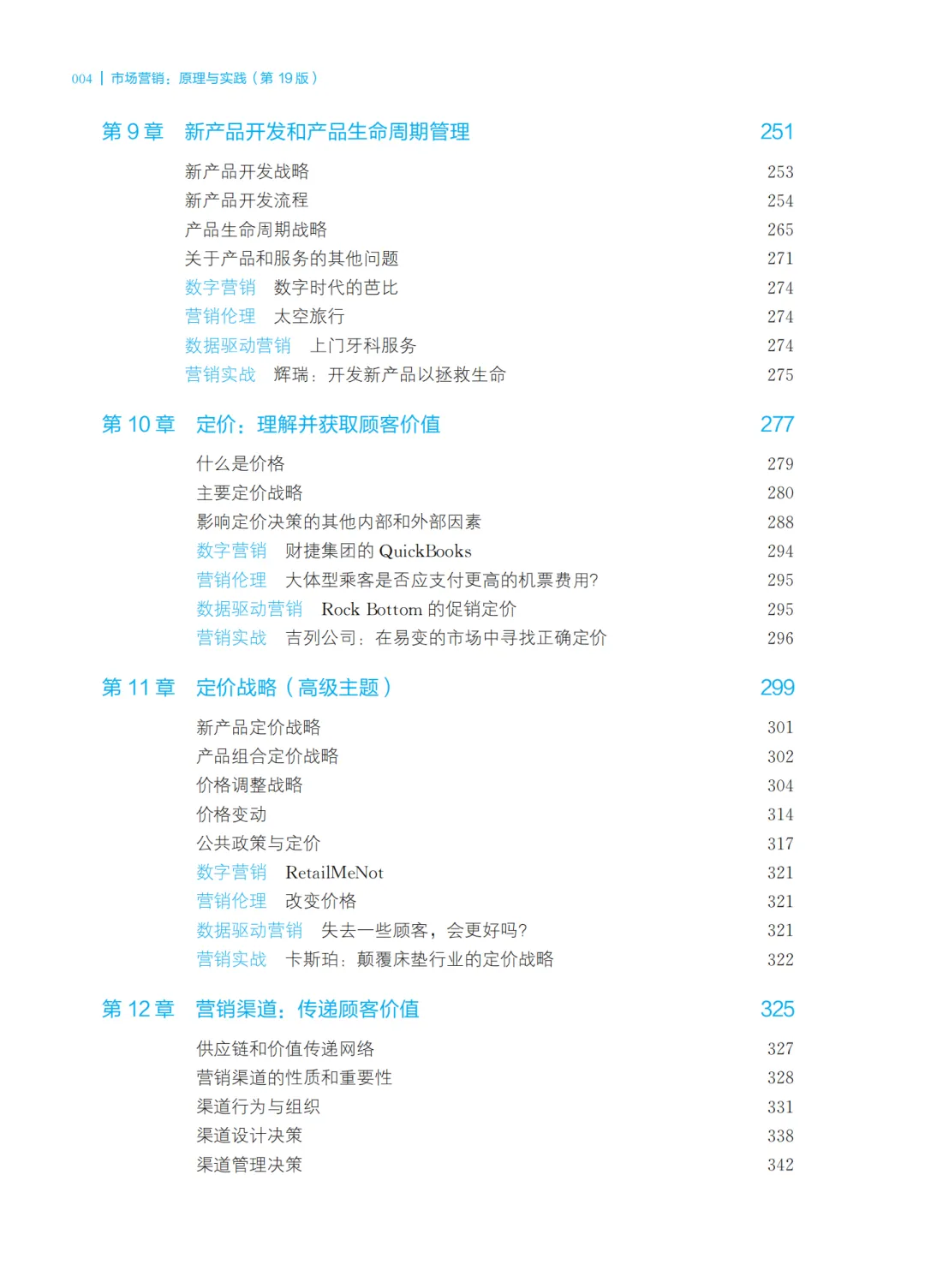
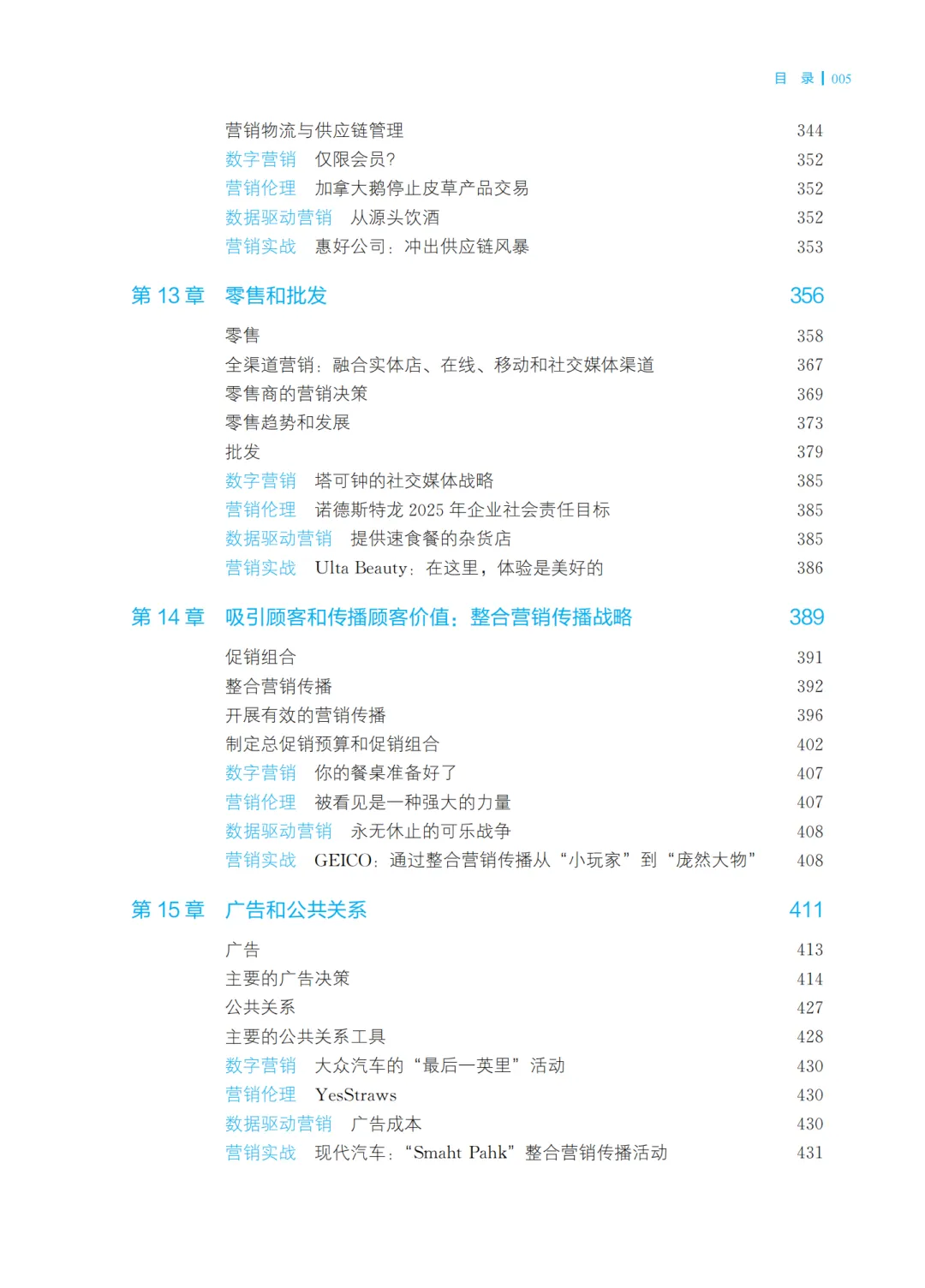
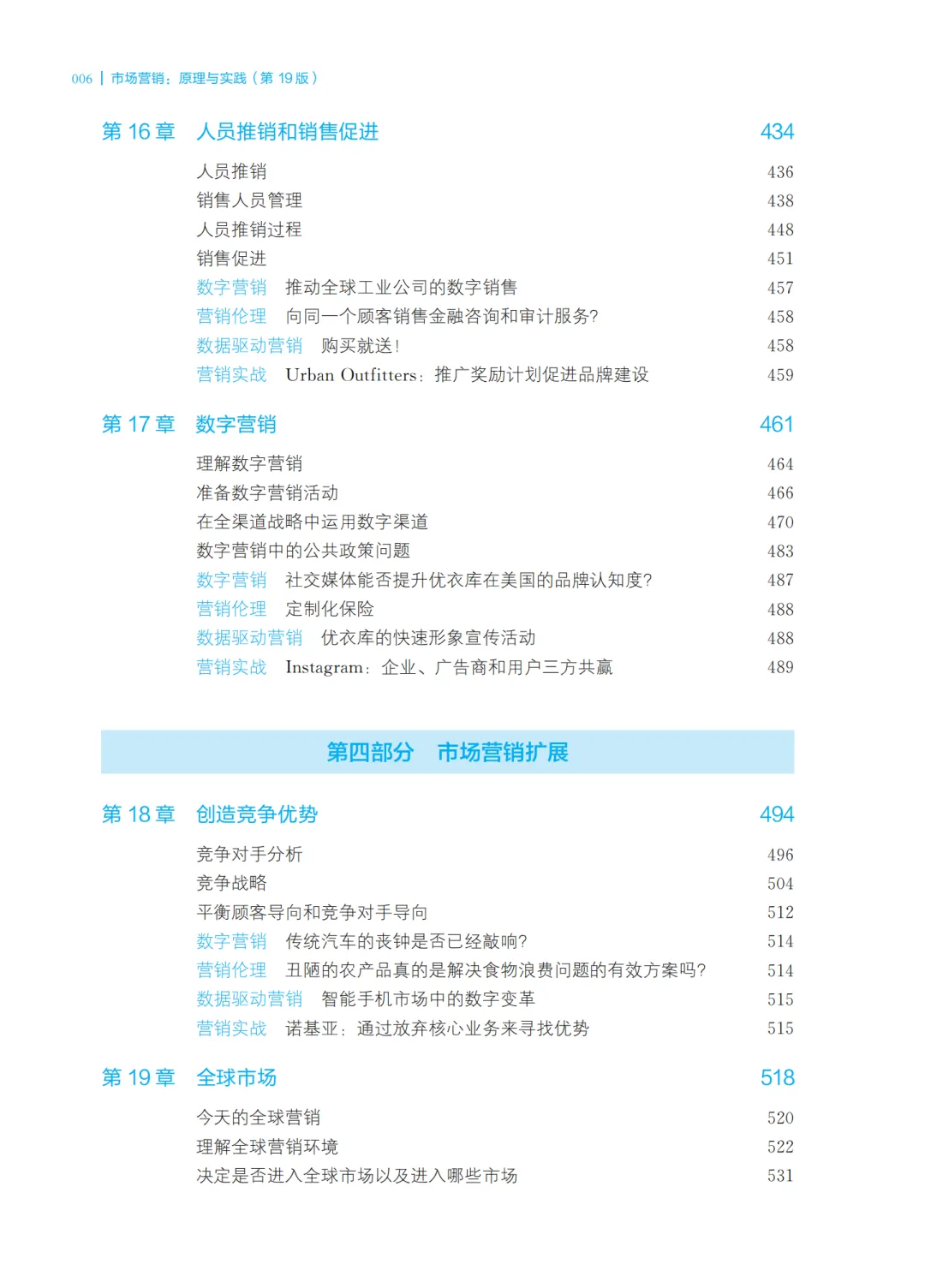
Swipe left to see more

Scan to Preview

Purchase Link
Click the image to purchaseMarketing: Principles and Practice (19th Edition)Authors: Philip Kotler, Gary Armstrong, Sridhar BalasubramanianTranslators: Wang Yonggui, Ma Shuang, Wang Na, Xiang Diandian, Hong AoranISBN: 978-7-300-33732-6Price: 158.00 yuan (two-color printing)Publication Date: September 2025 Exciting Excerpts
 “Marketing: Principles and Practice” (19th Edition) reflects the new trends and changes in marketing in the digital age.
- The Customer Engagement Framework. Continuing the previous customer engagement framework—creating direct and continuous customer engagement in shaping brands, brand dialogue, brand experience, brand advocacy, and brand community, introducing the latest customer engagement tools, practices, and developments.
- Digital Marketing. Treating digital marketing as a standalone strategy, focusing on the content that needs special consideration when implementing digital marketing activities, such as utilizing digital channels in omnichannel strategies and addressing public policy issues in digital marketing.
- Marketing Information and Customer Insight Management. From data sources to big data and market analysis, incorporating the significant transformation of marketing information management in the digital age.
- Marketing in Times of Transformation. Analyzing issues such as the rapid development of digital technology, significant economic fluctuations, extreme environmental changes, social and political turmoil, and global health crises. Marketers must quickly adapt to new changes and flexibly formulate strategies that can respond to uncertain times and the future.
- Diversity, Equity, and Inclusion (DEI). Focusing on how marketers apply DEI in strategy and action.
- Content Marketing and Marketing Communication. Marketers are no longer just creating advertisements and integrated marketing communication strategies; they must also engage customers, become content creators, and manage and share marketing content across paid media, owned media, free media, and shared media. This is one of the important features of this book and a significant distinction from other marketing books.
- Marketing Technology. Covering a wealth of content related to marketing technology: digital, online, mobile, and social media engagement techniques (Chapters 1, 4, 15, 17), big data, new marketing analytics techniques, the Internet of Things, and artificial intelligence (Chapters 1, 3, 4, 17), the significant transformation of omnichannel marketing and digital marketing (Chapters 13, 17), and marketing in the metaverse (Chapters 7, 17).
- Rapidly Changing Marketing Trends and Topics. Adding new content on innovations in traditional marketing areas and cutting-edge topics, such as digital, mobile, and social media marketing, customer engagement marketing, customer journey, big data, artificial intelligence, and new marketing analytics, influencer marketing, significant digital transformation in marketing research, transformative changes in omnichannel marketing and retail, real-time customer listening, and marketing content creation and planning, technology-driven customer service, B2B social media and social selling, dynamic pricing, etc.
New Cases: Real Business Marketing Practices Bring You Immersed Experiences.
- New corporate cases, applications, and exercises. Providing a wealth of new corporate cases, allowing readers to apply learned knowledge in real company marketing situations.
- New examples, marketing practices, and in-text instances. New examples highlight marketing issues faced by real enterprises, complementing the instances in the text, vividly showcasing contemporary corporate marketing practices.
Addressing New Challenges in Marketing in the Digital AgeThe new challenge facing marketing today is how to create customer value and customer engagement in a rapidly changing, increasingly digitalized, and socialized market. Marketing must first understand customer needs, identify target markets, and launch a compelling value proposition. Then, beyond sales, today’s marketers should focus on attracting customers and building deep customer relationships, making the brand a meaningful part of customer dialogue and their lives.In the digital age, marketers have a dazzling array of online, mobile, and social media tools to engage customers anytime, anywhere, co-creating brand dialogue, brand experience, and brand community. Through this book, readers will learn how to leverage customer value and customer engagement to drive every good marketing strategy.Developing Professional Competence
- Real Marketing. Each chapter’s examples and marketing instances focus on real brand marketing strategies and contemporary marketing issues. For example, readers can learn why LinkedIn is valuable for B2B marketers; that AI in marketing is “more important than fire and electricity”; and that brands are competing to enter the “young” but rapidly developing marketing metaverse.
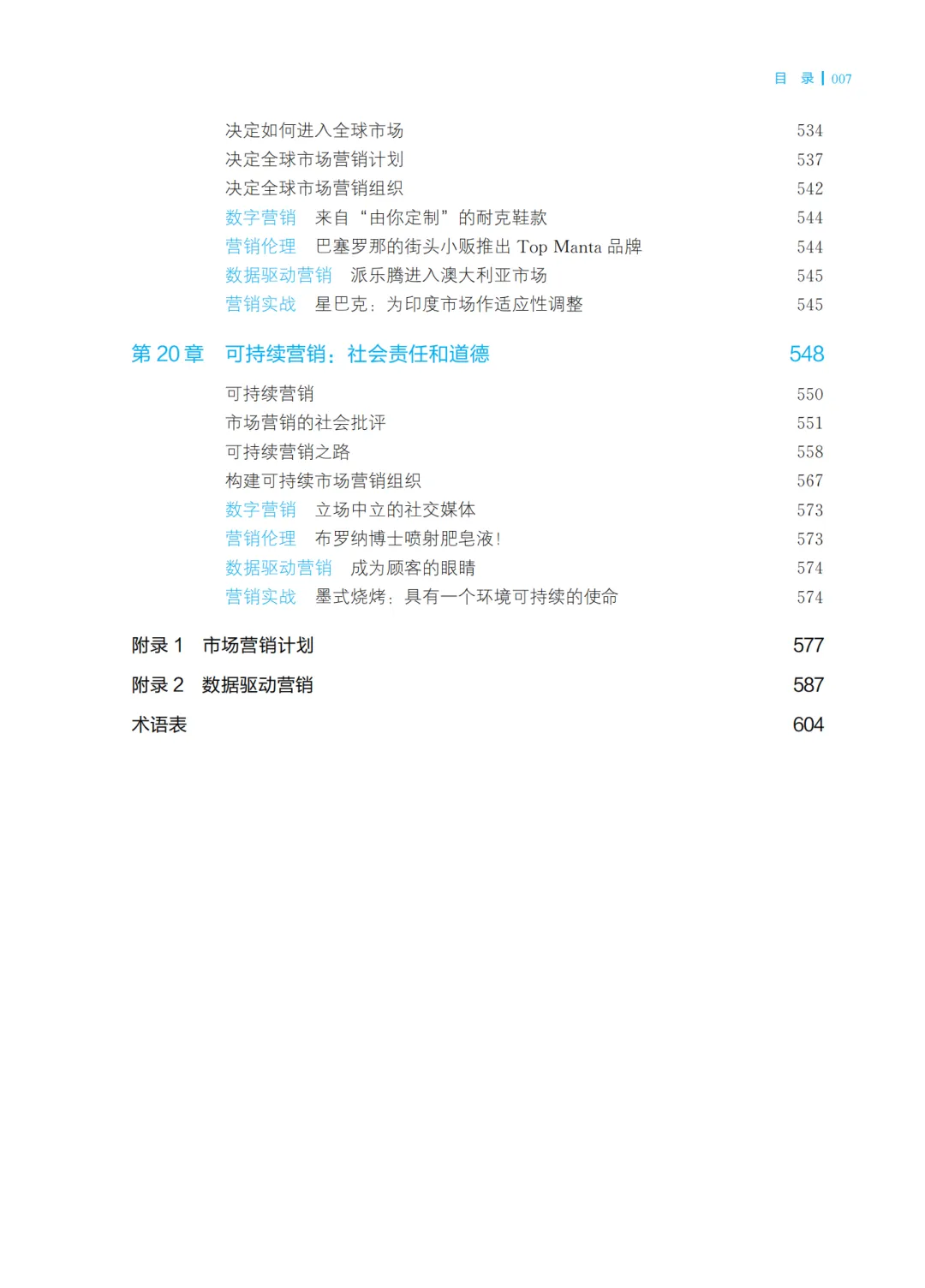
- Appendix 1 “Marketing Plan”. Contains a detailed marketing plan template to help readers apply important marketing planning concepts.
- Appendix 2 “Data-Driven Marketing”. Provides comprehensive guidelines for marketing financial analysis to guide, evaluate, and support marketing decisions. Chapter-end exercises help readers apply financial analysis thinking to understand the concepts of the chapter.