
During daily charging, many new energy vehicle owners
may have encountered the situation where the charging gun automatically disconnects when the battery is nearly full.

What is the reason for this? Stay tuned for today’s article
to gain a deeper understanding
of the charging principles of new energy vehicles~
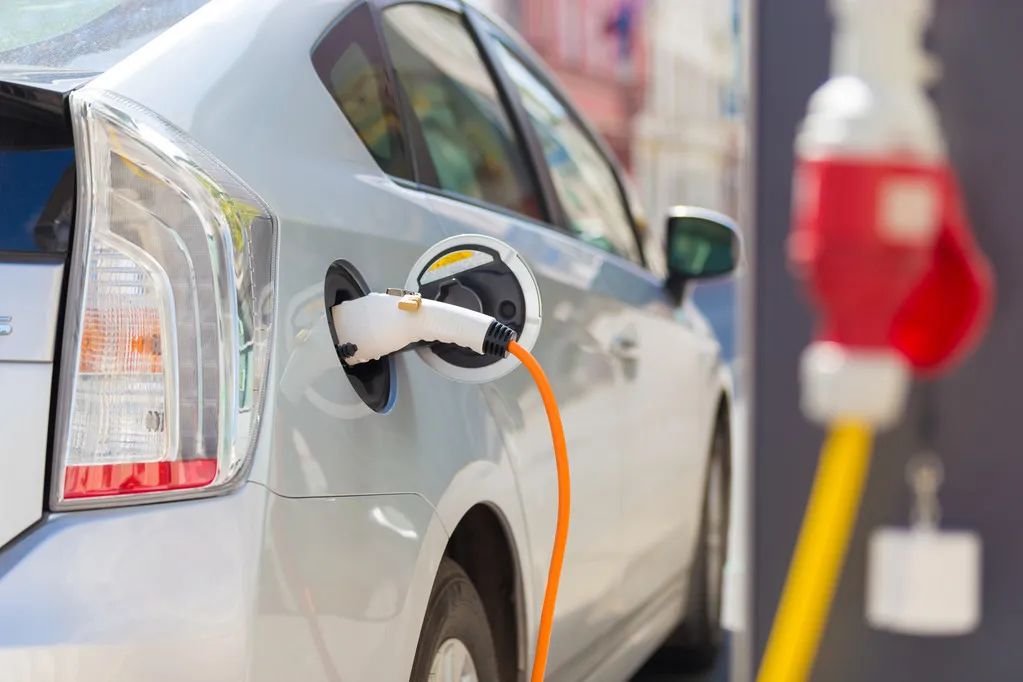
01
SOC is about 98% to ensure charging safety
SOC, or State of Charge, refers to the battery’s charging status, also known as remaining power, representing the ratio of the remaining dischargeable power after the battery has been used for a period to its fully charged power, usually expressed as a percentage.
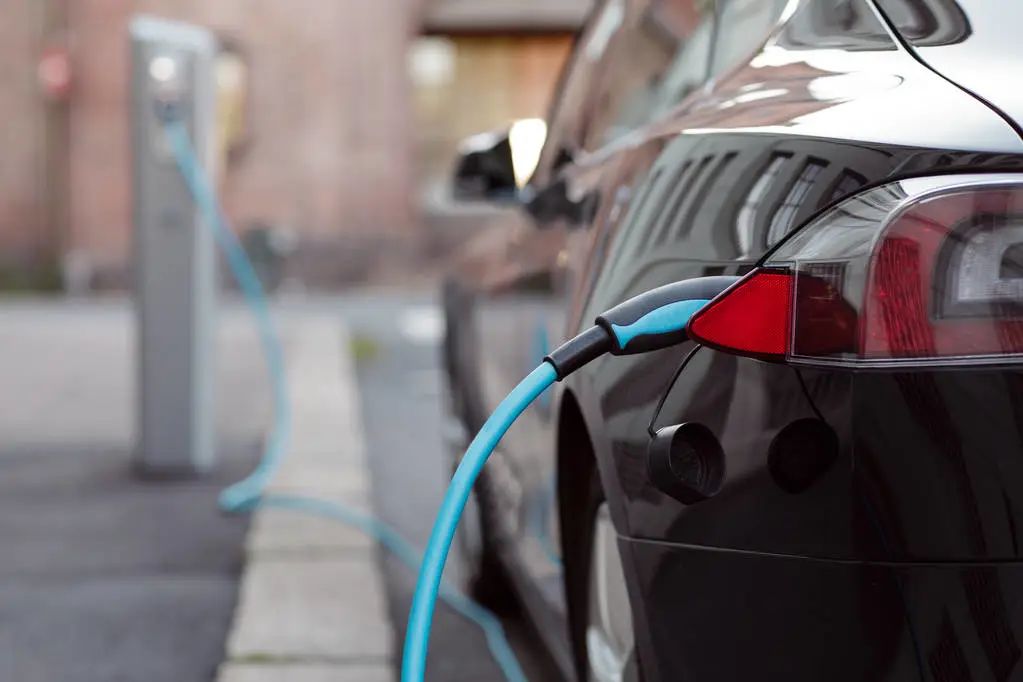
Many vehicle owners set their vehicle’s SOC below 100% to prevent overcharging. When the charging power reaches the preset SOC value, charging will stop. Additionally, most common charging operators consider safety issues and will adjust the SOC threshold at the charging station, meaning when the charger detects that the vehicle’s remaining power has reached the set value, it will automatically stop charging.
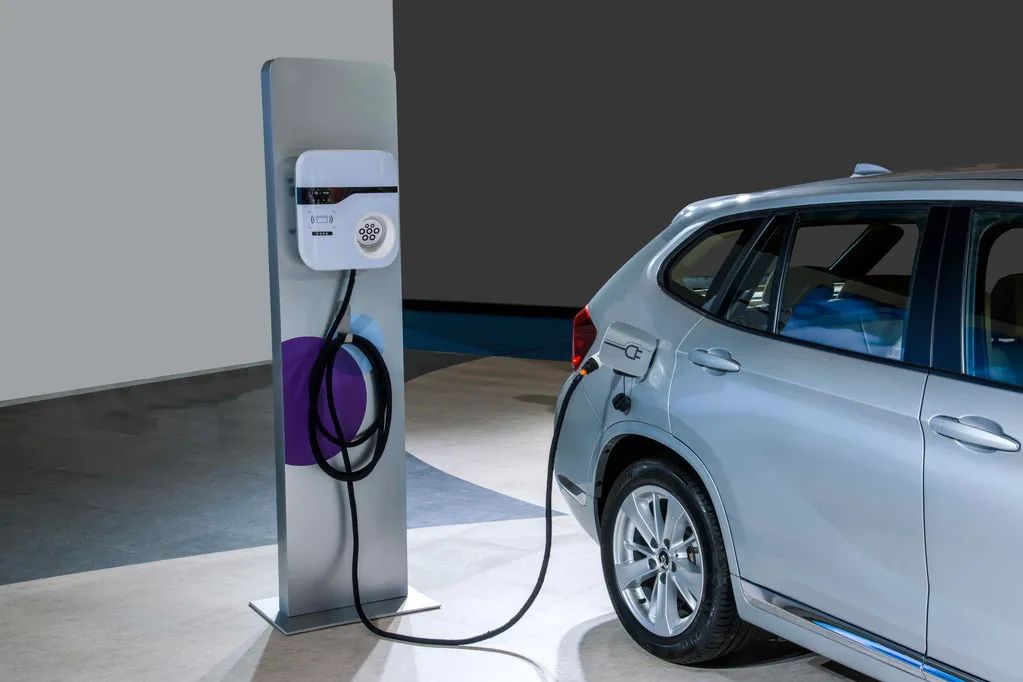
This results in what people refer to as the “disconnection” or “not fully charged” situation, which is a normal phenomenon. This setting is to prevent potential safety incidents such as battery short-circuits that may occur if the vehicle is overcharged and the vehicle’s built-in BMS (Battery Management System) fails to automatically interrupt the charging process, which could lead to fires and unnecessary safety accidents.
02
You can achieve a