“Hey, did you know? The vitamin C content in bell peppers is actually ten times higher than in tomatoes!”
“Really? I always thought eating tomatoes was enough to get my vitamin C!”
In the morning at the market, 62-year-old Aunt Wang was chatting with Grandma Li next door while picking vegetables and discussing this topic.
Aunt Wang recently found out she has a bit of iron-deficiency anemia and has been feeling unwell, so the doctor advised her to eat more vegetables rich in vitamin C.
After checking, she discovered that the tomatoes she eats every day are not the best source of vitamin C!
This led her to find the “king of vegetables”—bell peppers!
Not only do they have an astonishing vitamin C content (over ten times that of tomatoes), but they also have an excellent taste and are easy to eat, making them very popular and a common sight on dining tables.
Today, let’s talk about why vitamin C is so important, whether tomatoes are being unfairly judged, and if this “true king” is worth eating every day.
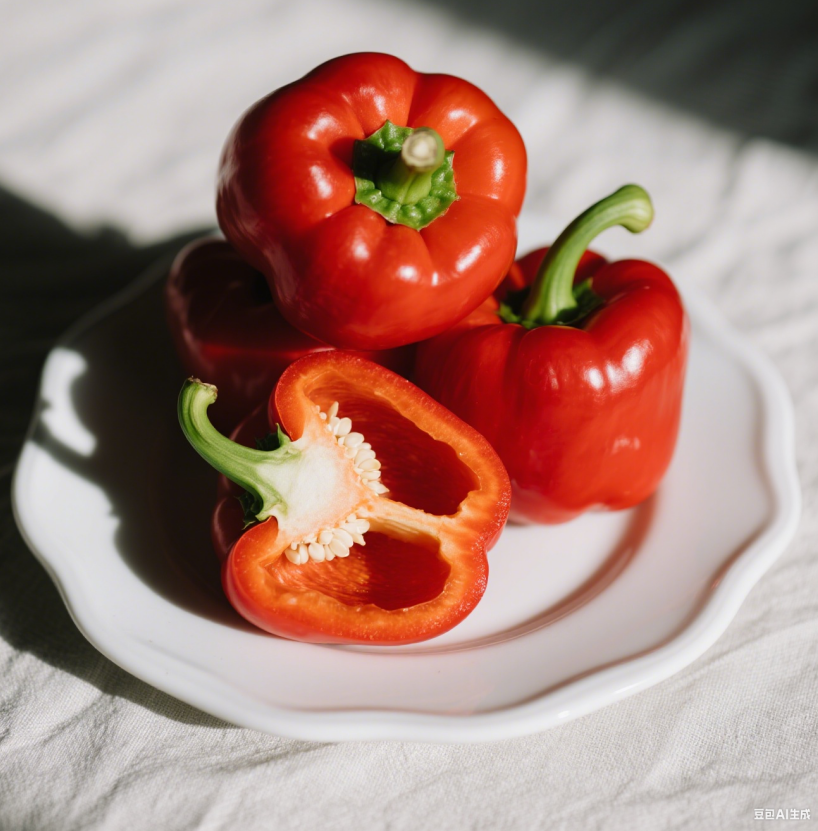
1. What is the use of vitamin C?
Don’t just think of it as a beauty product!
When many people mention vitamin C, their first reaction is “whitening,” “skincare,” or “spot reduction.” In fact, its functions go far beyond these.
It is a “catalyst” for collagen, helping the skin stay elastic and firm, preventing the appearance of fine lines and wrinkles as one ages.
It assists in iron absorption, converting poorly absorbed ferric iron into easily absorbed ferrous iron, alleviating iron-deficiency anemia.
It is a powerful antioxidant, capable of eliminating free radicals in the body, slowing down cellular aging, and maintaining a stable immune system.
Not to mention its role in promoting metabolism and enhancing immunity; without it, one can easily feel “weak.”
So, vitamin C is not just for “beauty”; it is actually a treasure that the whole body relies on.
2. While tomatoes are good,
they are not the “ceiling” for vitamin C.
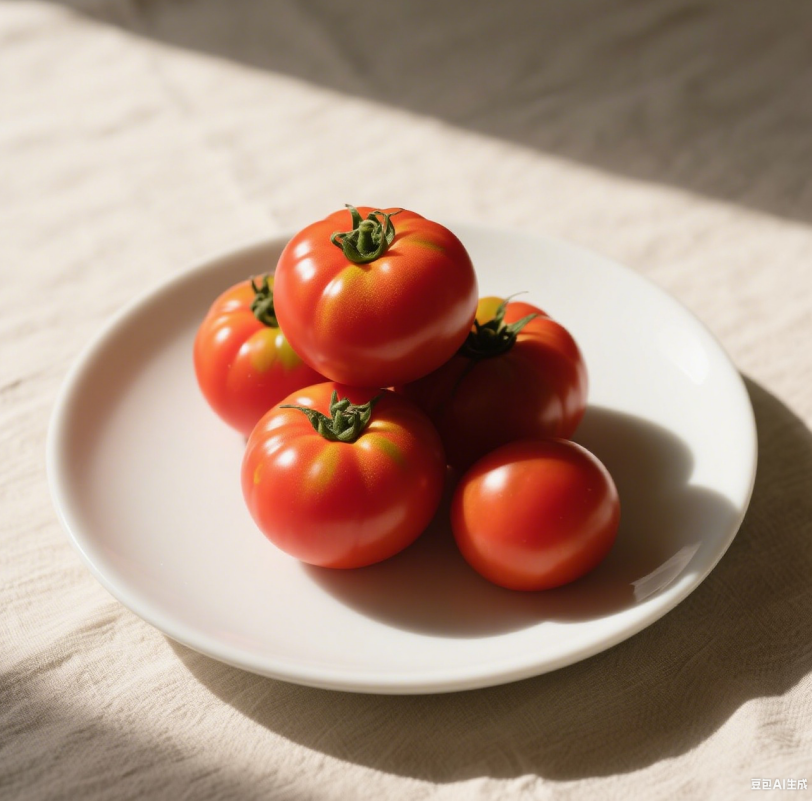
When it comes to supplementing vitamin C, about half of people will immediately think of tomatoes.
They are indeed rich in vitamin C, but how much exactly?
Every 100 grams of tomatoes contains about 14-19 mg of vitamin C, which looks good, but compared to the real “high-energy vegetables,” it falls short.
Moreover, unripe green tomatoes have low vitamin C content and contain more tannins, which can increase the risk of kidney stones if consumed in large amounts, so it’s really not advisable to eat them excessively.
Therefore, while tomatoes can supplement vitamin C, relying on them to meet your daily nutritional needs is really just “anxiety without action.”
3. The true “king of vitamin C” is
bell peppers, bursting with vitamin C!
This is what left Aunt Wang astonished—
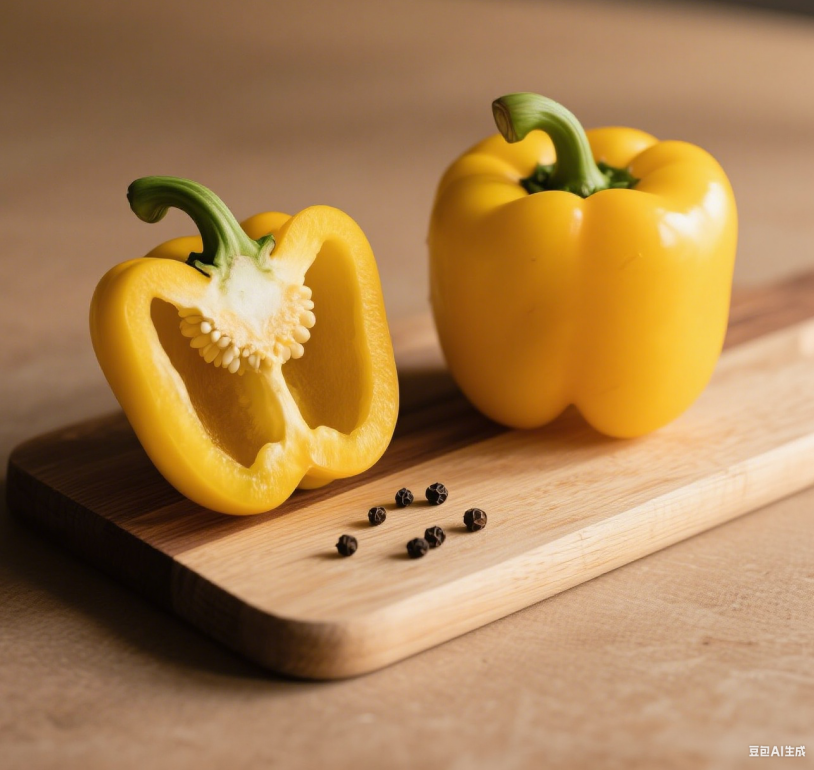
Bell peppers, also known as sweet peppers or capsicum, are the real “vitamin C bomb!”
Red bell pepper: 142 mg of vitamin C per 100g
Orange bell pepper: 158 mg
Yellow bell pepper: 139 mg
That’s nearly ten times more than tomatoes; one medium-sized bell pepper can easily meet an adult’s daily vitamin C requirement (about 100 mg).
The best part is, they are sweet, crunchy, and not spicy, making them easy to eat raw, stir-fried, or in salads—no hassle at all.
Many children love eating them, which is much better than taking vitamin supplements!

4. Is it worth eating bell peppers every day?
The answer is definitely: super worth it! Bell peppers not only have high vitamin C content but also offer these benefits:
Antioxidant + Anti-aging
High vitamin C content eliminates free radicals, slows down skin aging, and prevents the body from “rusting.”
Promotes iron absorption
Especially suitable for those with iron-deficiency anemia; pairing bell peppers with meat can significantly enhance absorption.
Boosts the immune system
For those who easily catch colds during seasonal changes, bell peppers are your natural “shield.”
High table presence, easy to pair

No matter if it’s in salads, stir-fries, or wraps, bell peppers can easily blend into daily meals, with bright colors that are appetizing, loved by both children and the elderly.
Low in calories + High in nutritional density
Those who are reducing fat or controlling sugar can also eat them without worry, as they are filling without the risk of weight gain.
Conclusion:
You might still be wondering: why do we eat tomatoes every day but still get sick and have poor skin? The problem may lie in your neglect of “vitamin C content.”
Experts recommend a daily intake of 100 mg of vitamin C, and one medium-sized bell pepper can easily fulfill that nutritional need.
So, why not start adding bell peppers to your shopping list and dining table today?.

They can beautify your skin, supplement iron, and combat aging, all without relying on health supplements.
Don’t think that only fruits are rich in vitamin C; the real “king of vegetables” might just be hiding on the shelves of your familiar supermarket.
Disclaimer:
This article aims to popularize health knowledge and does not constitute any medical advice. If you have health issues, please consult a professional doctor in a timely manner.
Friendly Reminder
After heavy rain
The State Grid Yinkou Power Supply reminds you
Pay attention to the following precautions
Take preventive measures
Outdoor Safety Tips
Never seek shelter from rain under transformers or overhead wires.
Heavy rain and wind can easily break overhead wires, and lightning and rain can cause short circuits or discharges from bare wires or transformers, posing a threat to personal safety.
Never stay under trees or billboards to avoid rain.
Strong winds can break branches or topple billboards, which may break nearby wires or fall onto them, making it very dangerous to touch those broken wires or wet trees or metal billboards.
Never touch trees near power lines.
As trees grow taller over the years, they can encroach on power lines, and long-term friction may damage the insulation layer. During thunderstorms, collisions and friction between trees and wires can lead to short circuits or discharges.
Never approach utility poles and guy wires.
The upper end of guy wires is very close to power lines, and unexpected situations may cause them to become electrified in bad weather.
Never wade through standing water.
Choose paths without standing water; if you must wade through, ensure there are no fallen wires in the water to avoid electric shock due to water conductivity.
If you encounter fallen wires nearby, jump away on one foot.
If a wire falls close to you, do not panic and run; instead, you should hop away on one leg to avoid electric shock due to step voltage.
Charge electric vehicles indoors on rainy days.
In heavy rain, it is not recommended to use outdoor charging stations, as even if they are waterproof, the connectors may still short-circuit due to rain. If you must use them, be sure to cover them with rainproof materials or use indoor charging stations.
Indoor Safety Tips
Be mindful of household electrical safety.
When returning home in the rain, remember to dry your hands and feet and check the electrical wiring. If your house is flooded, turn off the main switch first. In the rainy season, low-lying areas are prone to severe flooding, and if your house floods, immediately turn off the main power switch to prevent short circuits and discharges from water-soaked wiring.
Replace aging wiring promptly.
Strong winds can break branches or topple billboards, which may break nearby wires or fall onto them, making it very dangerous to touch those broken wires or wet trees or metal billboards.
Take appropriate protective measures.
For example, install leakage switches, ensure that the metal casing of electrical devices is grounded, and set up good grounding points in household wiring.
Household electrical devices should maintain good insulation.
Light fixtures, sockets, and switches should not get wet; do not use damp or faulty wiring, devices, or appliances. Avoid touching live wires and equipment to prevent electric shock from wet hands or feet.
During thunderstorms, remember to unplug the TV.
When a strong thunderstorm approaches, turn off the TV, unplug it, and disconnect the cable TV plug, as unstable power supply can cause voltage fluctuations that exceed the TV’s rated capacity, leading to unsafe situations.
After the Rain: Follow-Up
After the rain, when entering a room that has been wet, first turn off the main power switch and check household appliances and wiring to avoid electric shock or short circuits when power is restored. Check all wires, sockets, and switches that have been wet to ensure they are not waterlogged or damp before use.
Supervised by | Yang Huayun
Editor | Shen Siyuan
Editor | Dong Meitong