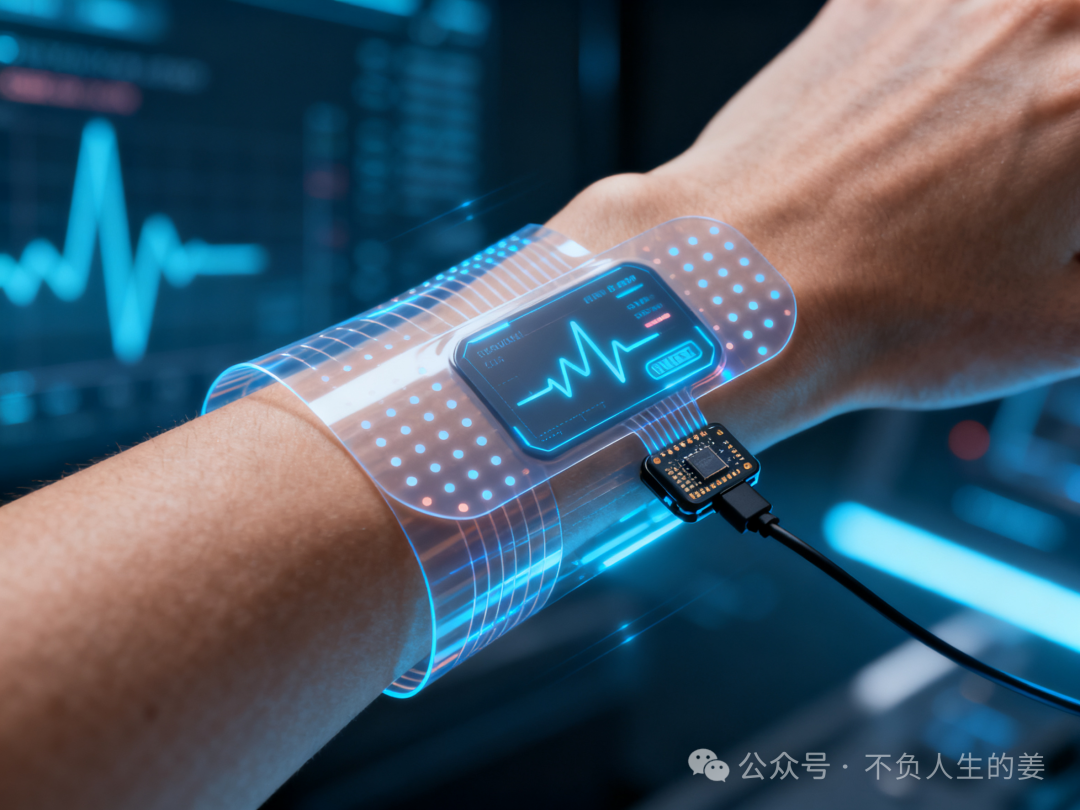
Can you imagine? There is a type of sensor that possesses ‘superpowers’, being as soft and flexible as skin, adhering to various surfaces and sensitively perceiving everything around it. This is the flexible sensor, a magical invention that is changing our lives and the development of technology.
Flexible Sensors: Definition and Principles
Flexible sensors are a new type of sensor that can perceive and measure external physical, chemical, or biological information while possessing flexible characteristics such as bendability, stretchability, and foldability.
– Physical Principle: Taking the piezoresistive flexible pressure sensor as an example, when pressure is applied, the resistance value of the material changes, and by measuring the change in resistance, the magnitude of the pressure can be sensed.
– Chemical Principle: Utilizing sensitive materials that undergo chemical reactions with specific substances, causing changes in the electrical, optical, and other properties of the material to detect chemical substances.
– Biological Principle: Utilizing the specific interactions between biological molecules, such as the binding of antigens to antibodies or the reaction between enzymes and substrates, to convert biological signals into detectable electrical or optical signals.
Flexible Sensors: Unique Advantages
– Flexibility and Adaptability: They can be bent, folded, and stretched freely, perfectly conforming to the surfaces of complex curves and irregular shapes, such as human joints and wing surfaces.
– Integration and Multifunctionality: They are easy to integrate with multiple functions, allowing different types of sensors to be combined on the same flexible substrate for simultaneous detection of various physical, chemical, or biological signals.
– Comfort and Compatibility: When in contact with the human body in wearable devices and medical fields, they are more comfortable, have good biocompatibility, and can reduce the immune response of the body.
Flexible Sensors: Application Areas
– Medical Health Field: In wearable health monitoring devices, they can continuously monitor physiological parameters such as heart rate, blood pressure, and blood sugar. For example, a smart garment integrated with multiple flexible sensors can monitor various physiological indicators of the human body continuously for 24 hours.
– Smart Wearable Field: They can monitor information such as movement posture and range of motion. For instance, smart sports shoes embedded with flexible sensors can analyze running posture and exercise intensity in real-time.
– Industrial Manufacturing Field: They are used to monitor the structural health of large industrial equipment and bridges, and can also monitor product quality and production process parameters in real-time on production lines.
– Smart Home Field: They can sense indoor temperature, humidity, light, and other environmental parameters, enabling automatic adjustments in smart home systems. For example, a flexible humidity sensor can allow smart homes to automatically turn on humidifiers or dehumidifiers based on indoor humidity.
– Robotics Field: Installed on the hands and surfaces of robots, enabling them to perceive information such as the shape and hardness of objects, achieving more precise grasping and operation.
Flexible Sensors: Development Trends
– New Material Development: New materials such as graphene and MXene will be key to enhancing the performance of flexible sensors.
– Micro-Nano Manufacturing Processes: Advanced manufacturing technologies such as 3D printing and laser processing will drive flexible sensors towards miniaturization and high precision.
– Multi-Modal Integration: Future flexible sensors will have the capability to simultaneously detect multiple signals, achieving comprehensive perception of various physical quantities such as pressure, temperature, and humidity.
The development prospects of flexible sensors are incredibly broad. With continuous technological advancements, they will bring us more surprises and conveniences. What other fields do you think flexible sensors will bring disruptive changes to? Feel free to leave your thoughts in the comments section.