
Do you often feel soreness in your feet after walking for a long time? Do your knees and back start to “protest” after standing for a while?
Perhaps the problem lies in your feet—an ordinary-looking insole can bring about a revolutionary change!
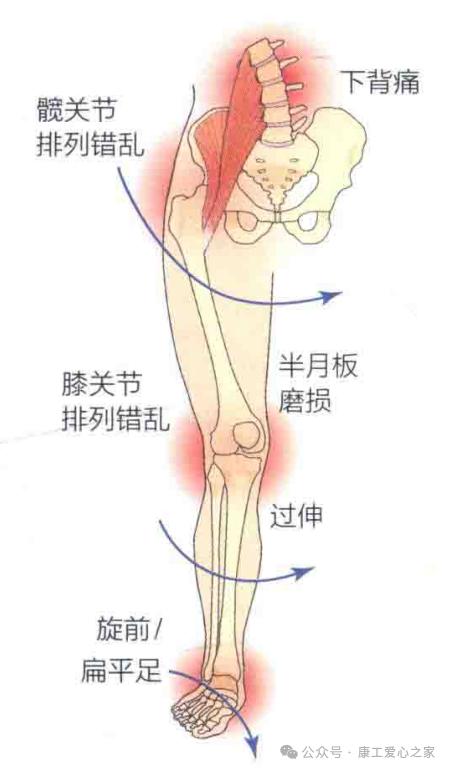
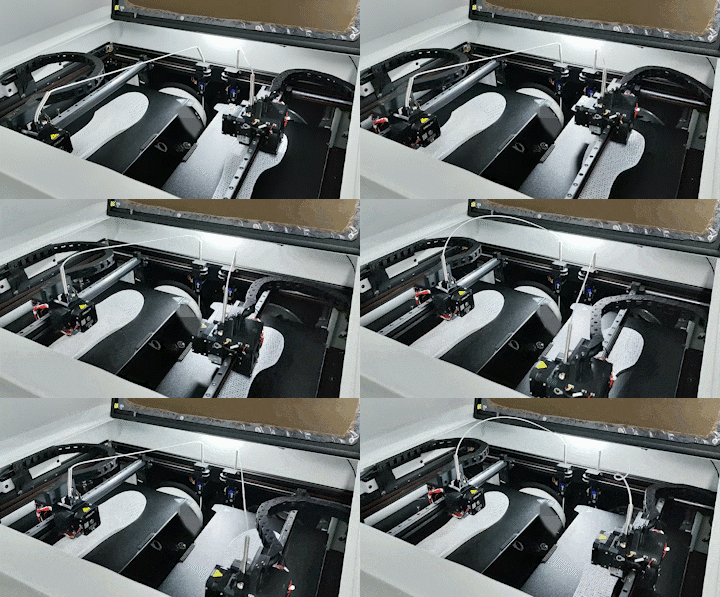
Today, 3D printing technology is quietly revolutionizing our daily health practices. Orthotic insoles are no longer the traditional “hard” and “uncomfortable” styles you might remember; they are now high-tech products that integrate precise data analysis, smart materials, and personalized manufacturing.
They are not only comfortable but truly “tailored” to your feet, allowing you to walk with greater ease!
#1
3D Printing: From Gait Analysis to Customization
Customizing a pair of insoles that truly belong to you
Starts with a comprehensive gait analysis
Using professional foot pressure plates and laser scanning equipment, combined with dynamic gait testing, your walking posture, foot pressure distribution, and even subtle gait abnormalities will be accurately captured by the instruments.
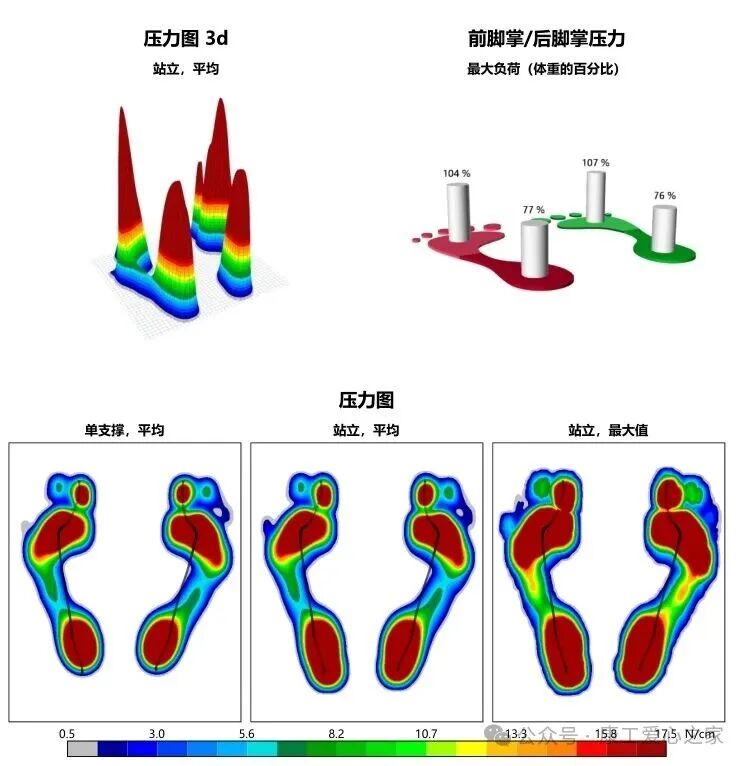
Are youflat-footed? Do you have ahigh arch? Is there uneven pressure due toplantar fasciitis?—The data will make it clear.
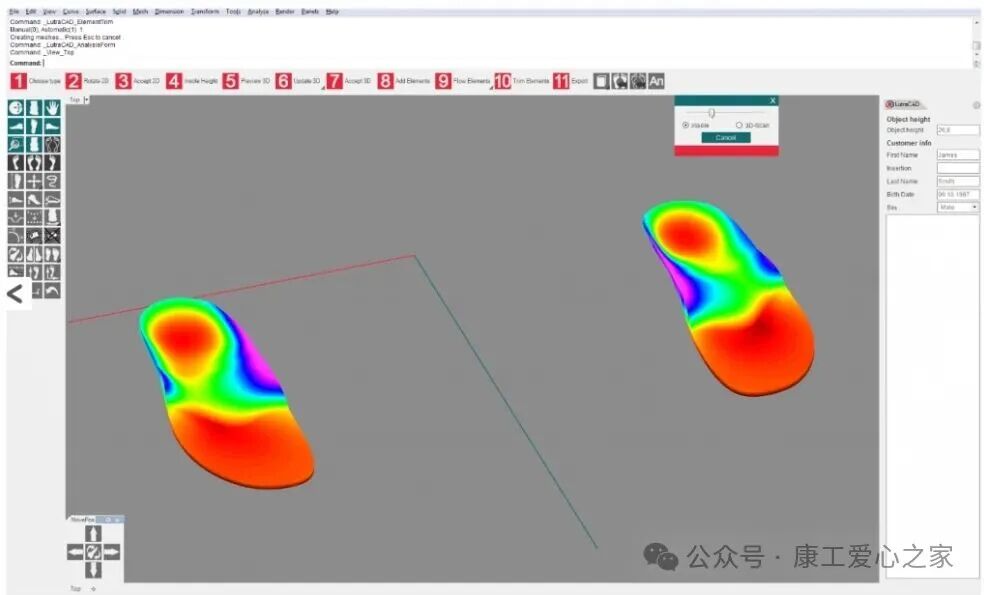
The rehabilitation engineer will use this “foot shape report” to construct acustom model in professional software, detailing how high the arch should be, how to distribute shock absorption in the heel, which areas need extra support, and even customize small accessories on the insoles based on your wearing habits and personal preferences.
At the same time, 3D printing technology is efficient and quick; in just a few hours, the design can be turned into a pair of perfectly fitting insoles in your hands!
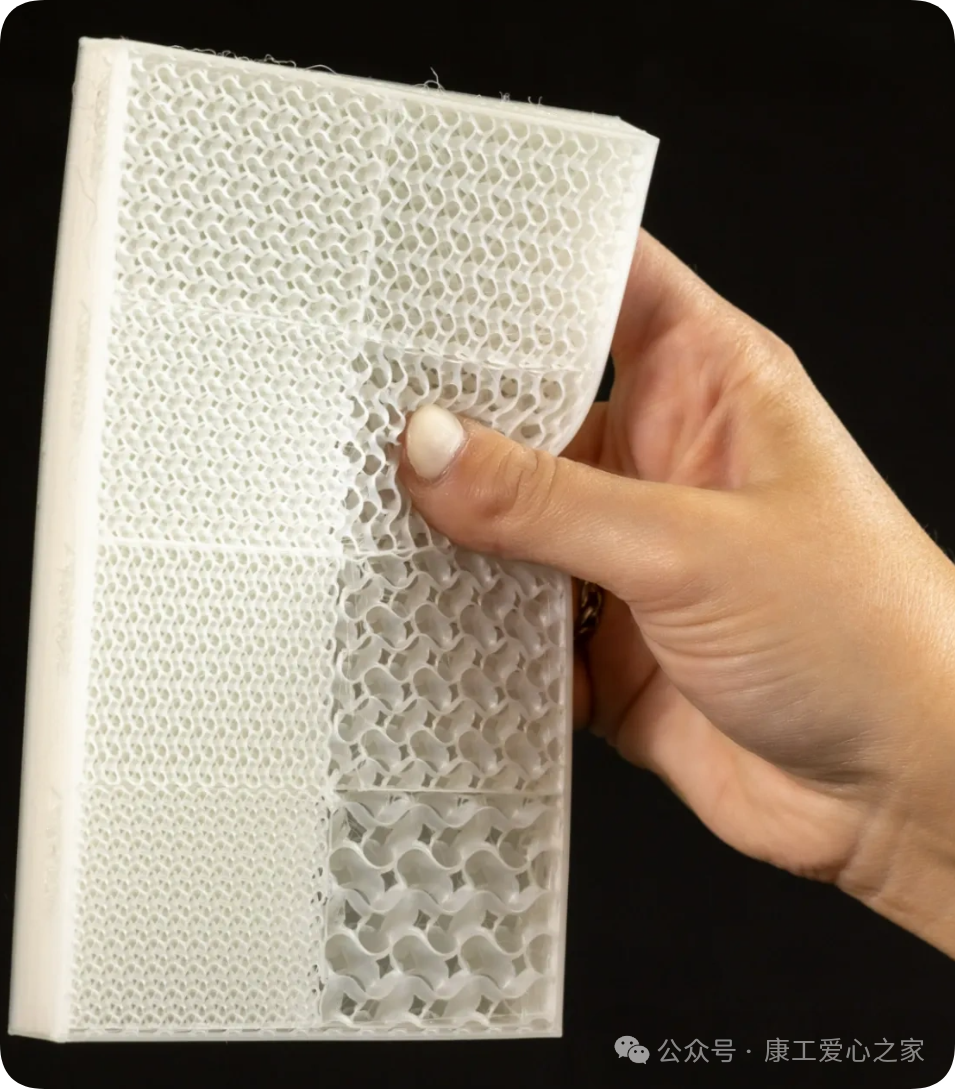
Moreover, printing is not only precise but can achieve complex structures that traditional methods cannot—such as internal honeycomb cushioning layers and ventilation channels, making every step feel like walking on air, both stable and light!
#2
Material “Black Technology”: Comfort and Functionality Combined
Another highlight of 3D printed orthotic insoles is the flexible application of materials
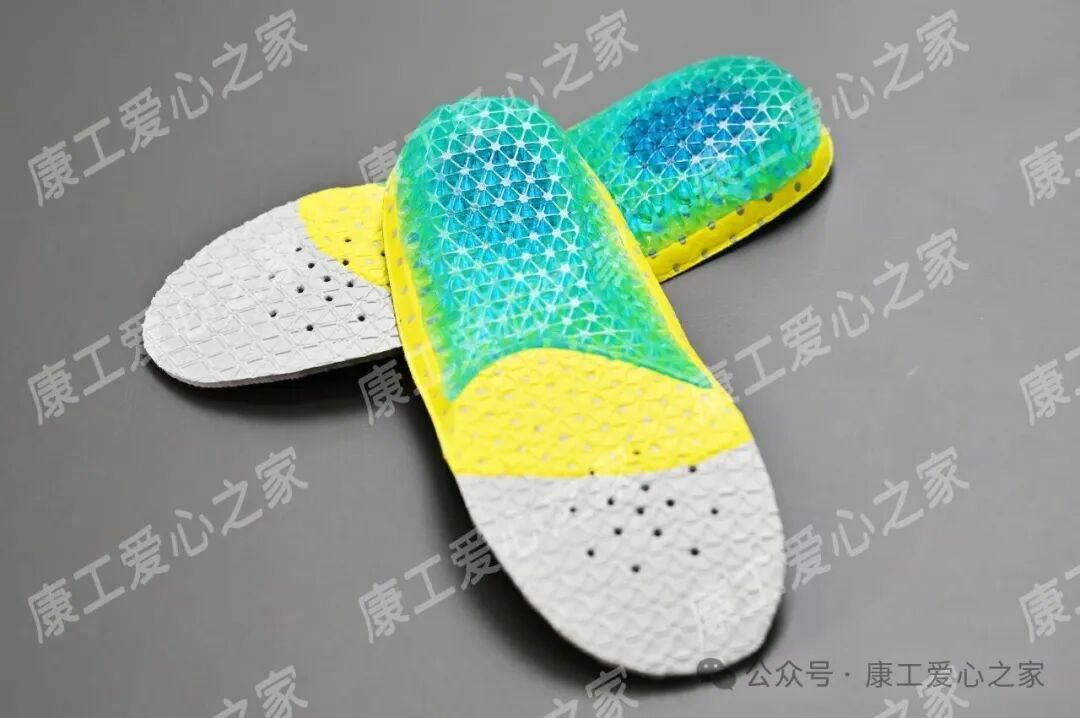
Soft TPU material gently wraps the heel, alleviating impact
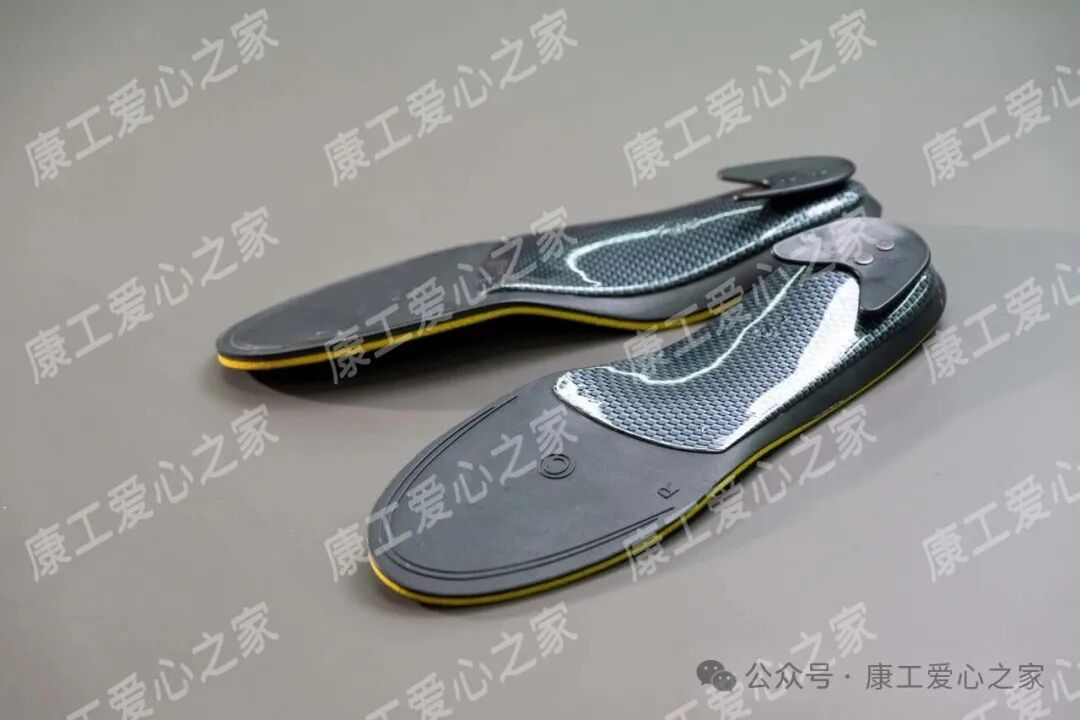
High-strength nylon/carbon fiber firmly supports the arch
Suitable for flat feet and athletic scenarios
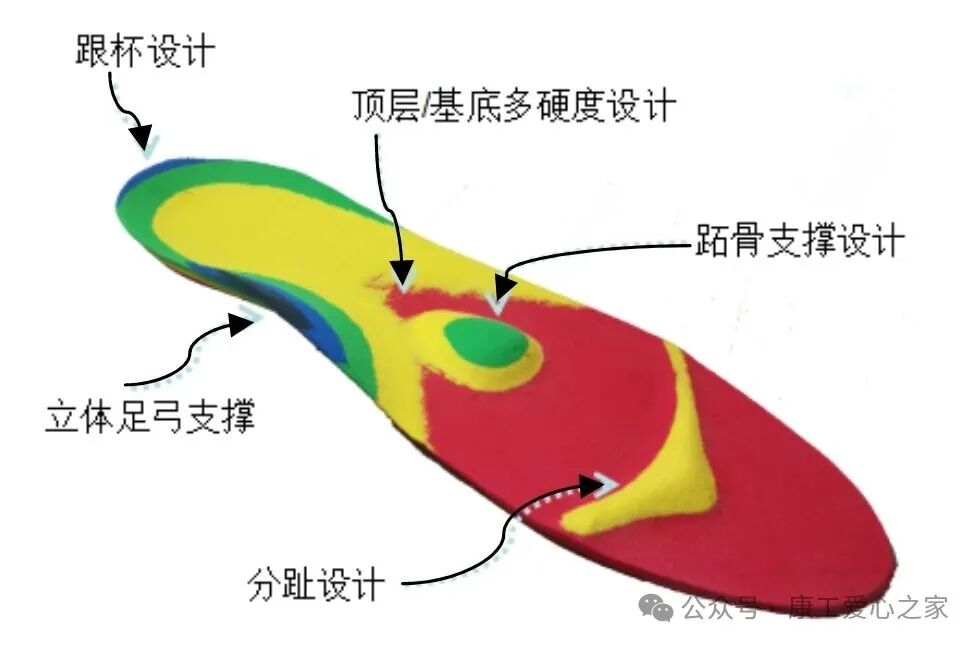
Even better, 3D printing allows for “zoned material selection” on the same pair of insoles—soft where it needs to be soft, and hard where it needs to be hard.
Such insoles are not only lightweight (typically weighing between 50-100 grams) but can also be designed with a fashionable appearance according to your preferences, balancing health and aesthetics!
#3
Not just pain relief, but an enhancement of quality of life
What can a good orthotic insole do?
It can optimize pressure distribution based on your foot problems
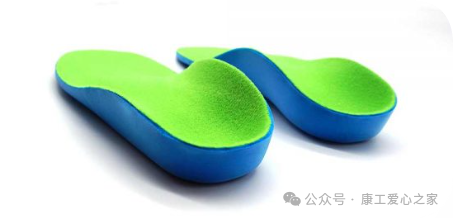
For example, plantar fasciitis patients can have a deep cup-shaped heel design that absorbs the impact of landing, stabilizing the ankle joint, therebyrelieving pain symptoms.
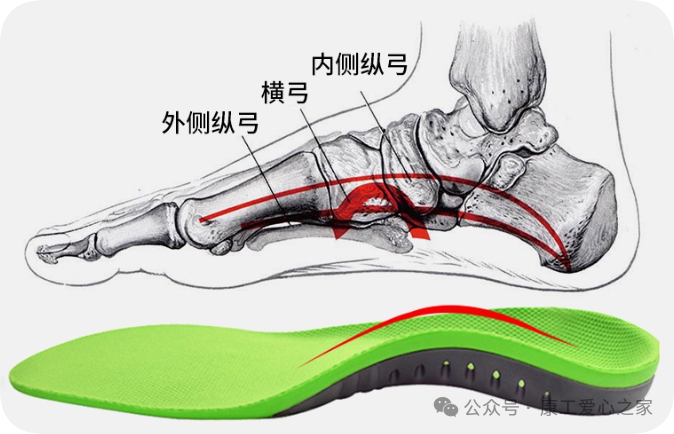
For friends with flat feet, the insoles will elevate the arch, evenly distribute body weight, and reduce daily foot fatigue.
Meanwhile, high-arched patients can walk more steadily and with less effort by filling the gap under the arch.
More importantly, orthotic insoles can improve gait, reduce the burden on the knees and back, and greatly benefit the health of the knees and spine.



Whether you are a fitness enthusiast, a runner, or a teacher or nurse who stands for long periods, a suitable pair of custom insoles can make your feet feel more relaxed, making daily standing and walking more comfortable and enjoyable!
#4
Conclusion: Why Choose 3D Printed Orthotic Insoles?

01
Truly personalized and customized
From gait analysis to insole design, to customizing the printing plan based on your needs, every step is truly tailored to your personal data.
02
Convenient and quick process
Compared to traditional orthotic insoles, 3D printed orthotic insoles do not require complex processes like plaster molding and grinding, making them more efficient and cleaner, and easy to adjust at any time. Even if you are not satisfied, there is no need for a second molding; adjustments can be made quickly on the computer to remake them to fit your foot shape.
03
High expandability
Traditional modular orthotic insoles often use existing components to match the patient’s foot shape, which is quite limited. In contrast, 3D printed orthotic insoles can be designed directly based on the user’s foot shape and accessories, offering greater expandability and ease of adding various new correction modules.
Contact us
To schedule a professional gait analysis!