
Let’s take a look at the recent hot topic of ADC drugs, and systematically learn about the review published in CancersAntibody–Drug Conjugates for the Treatment of Breast Cancer.
 Abstract
Currently, besides endocrine therapy and targeted drugs, metastatic breast cancer (BC) commonly uses chemotherapy as a treatment method. However, the lack of tumor specificity and toxicity associated with dose exposure limits the manageability of cytotoxic drugs. Antibody-drug conjugates (ADC) improve the therapeutic efficacy of antitumor drugs by combining the specificity of monoclonal antibodies with the cytotoxicity of chemotherapy. The most studied target antigen is HER2, such as trastuzumab deruxtecan, which shows activity not only in HER2-positive patients but also in HER2-low BC patients, possibly due to the bystander effect. This characteristic of providing cytotoxic effects to non-targeted cancer cells can overcome the intratumoral heterogeneity of certain target antigens.
In addition, ADC has made breakthroughs in triple-negative BC, with the recent approval of sacituzumab-govitecan (injection of govitecan) indicating this. In this review, we discuss the current prospects for the development of ADCs used in BC treatment and possible limitations. Currently, three of the nine FDA-approved ADCs are used for the treatment of BC (see Figures 1 and 2).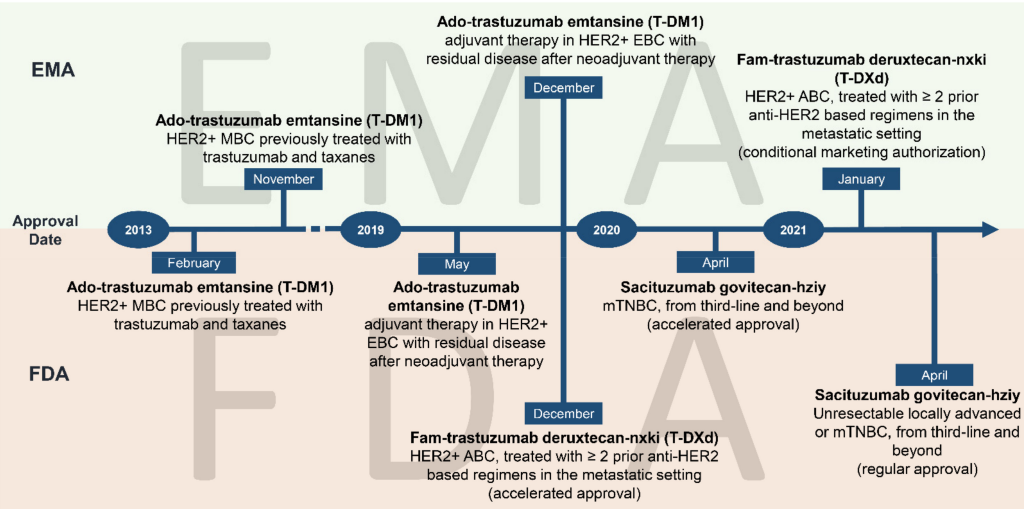 Figure 1 Milestones of ADCs approved by FDA and EMA for the treatment of BC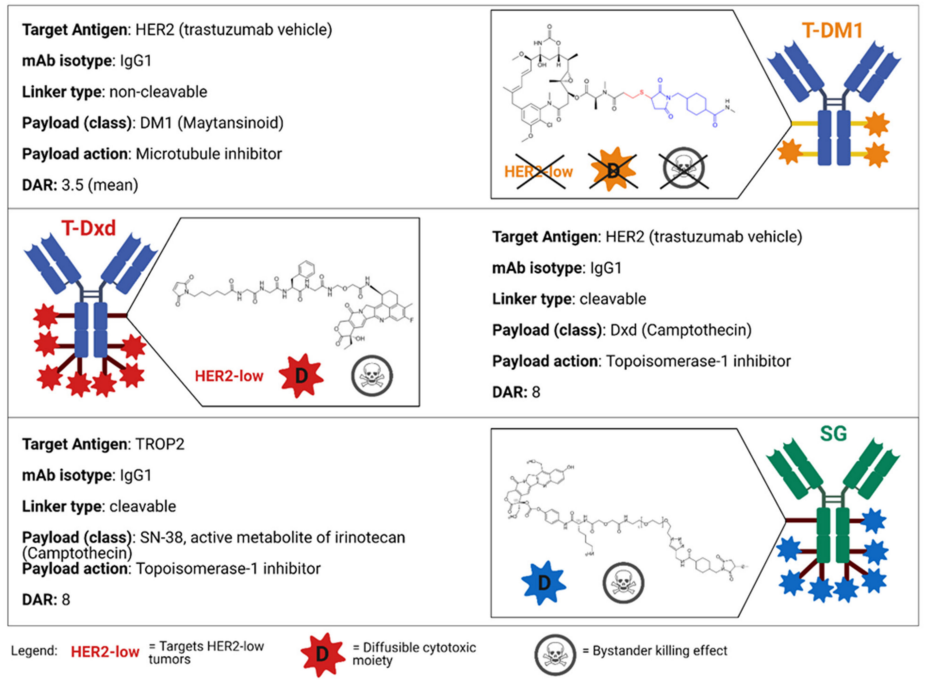
Figure 2 Main characteristics of ADC drugs approved by FDA for the treatment of BC
Since the discovery of HER2 from 1982 to 1984, it has triggered the characterization of HER2-positive BC and the research of targeted drugs.Currently, the ADC drugs in the field of breast cancer are summarized as follows:
1. Trastuzumab Emtansine (T-DM1)
T-DM1 is the first ADC approved by the FDA, which is an anti-HER2 ADC that combines the anti-HER2 properties of trastuzumab with DM1 (a maytansinoid toxin that inhibits tubulin polymerization). The linker is a non-cleavable stable thioether, with a DAR of about 3.5:1. PK studies show that the total serum concentration of trastuzumab (including conjugated antibodies and naked antibodies) exceeds the serum concentration of the full ADC by about 20%, while the concentration of the DM1 payload is lower. The half-life of trastuzumab is 9-11 days, while the half-life of T-DM1 is about 4 days, which may be due to linker instability, antibody circulation, or hepatocyte clearance.
Preclinical data indicate that the antitumor properties of T-DM1 lie in (a) inhibiting the HER2 signaling generated by the monoclonal antibody trastuzumab by blocking ligand-independent HER2 dimerization; (b) ADCC induced by the IgG1 backbone; (c) cytotoxicity in HER2-expressing cells during internalization. The most common adverse reactions occur in up to 40% of patients, including nausea, fatigue, thrombocytopenia, diarrhea, and elevated liver levels. Notably, patients may also experience neuropathy, especially with prolonged drug exposure. T-DM1 was initially approved by the FDA in 2013 for HER2-positive metastatic BC patients previously treated with trastuzumab and taxanes based on the results of the EMILIA trial. Results indicated that the progression-free survival (PFS) and overall survival (OS) of patients treated with T-DM1 were improved compared to those treated with lapatinib and capecitabine. In later lines, T-DM1 significantly improved PFS and OS compared to physician’s choice of treatment (TPC) (TH3RESA). Recently, T-DM1 has become the standard treatment for HER2-positive residual disease after neoadjuvant therapy (KATHERINE trial). As a first-line treatment, T-DM1, with or without pertuzumab, is comparable in PFS to trastuzumab and taxanes for metastatic HER2-positive patients (MARIANNE trial). In this case, the addition of pertuzumab to trastuzumab and taxanes prolongs PFS and OS, while T-DM1 remains the second-line choice. In neoadjuvant therapy, compared to T-DM1 plus pertuzumab, docetaxel, carboplatin, and trastuzumab plus pertuzumab increased the pathological complete response (pCR) rate. In summary, the development of T-DM1 as first-line treatment or as neoadjuvant therapy for HER2-positive metastatic BC is not satisfactory. The HER2-targeted T-DM1 combination therapy is under investigation, with the CompassHER2-RD trial (NCT04457596) and HER2CLIMB-02 trial (NCT03975647) evaluating the advantages of T-DM1 combined with tucatinib in both adjuvant and metastatic settings for previously treated patients. Regarding HER2-low metastatic BC, retrospective and exploratory studies in at least trastuzumab-pretreated patients found that T-DM1 had poor clinical efficacy in two phase II trials. However, T-DM1 has been prospectively studied in the same context of HER2-positive but heterogeneous BC. In a neoadjuvant T-DM1 plus pertuzumab phase II study, 10% found HER2 heterogeneity, with patients without HER2 heterogeneity achieving pCR, while 55% of HER2-homogeneous tumor patients achieved pCR.2. Fam-Trastuzumab Deruxtecan-Nxki (T-DXd)
T-DXd (DS-8201) is an ADC composed of the anti-HER2 mAb trastuzumab and a cleavable peptide-based linker. The payload is a topoisomerase I inhibitor (an exatecan derivative), with a DAR of 8:1, capable of delivering a high concentration of cytotoxic drugs.
T-DXd is currently approved in the United States and Japan for patients with advanced or metastatic HER2-positive BC after at least two previous HER2-based regimens, and has also received conditional marketing approval in Europe. (Recently, this product has been successful, with FDA approval for adult breast cancer patients with low HER2 expression (IHC 1+ or IHC 2+/ISH-), with clinical developments detailed in the literature).3. Trastuzumab–Duocarmazine (SYD985)
Trastuzumab duocarmazine is a humanized anti-HER2 mAb (trastuzumab) linked to a duocarmycin payload through a cleavable linker (DAR, 2.8:1).
In fact, the cytotoxicity is a cell-permeable prodrug (seco-duocarmycin-hydroxy benzamide-azaindole, seco-DUBA), which is cleaved into the active toxin (DUBA) in the intracellular lysosome after internalization. The payload then alkylates DNA, causing DNA damage and cell death, also through the bystander killing effect, possibly due to the secretion of tissue protease B by malignant cells that cleave SYD985, resulting in free DUBA. Despite its lower DAR than T-DM1, SYD985 has shown higher activity than T-DM1 in HER2-low patient-derived xenograft BC models. In a phase I study involving patients with refractory locally advanced or metastatic solid tumors with varying HER2 status, 47 low HER2 BC patients were included in the BC dose expansion cohort. Exploratory ADC showed an ORR of 33%, 28%, and 40% for HER2-positive BC, HR-positive low HER2 BC, and HR-negative low HER2 BC respectively, yielding encouraging results. Regarding safety, the most common treatment-related AEs are fatigue (33%), conjunctivitis (31%), and dry eye (31%, with 7% of patients experiencing grade 3 events). Notably, ocular toxicity dominates the safety profile of SYD985 (Figure 3). In addition to the most common ocular AEs mentioned above, keratitis and blurred vision have also been reported. In the dose expansion cohort, 4 patients (3%) experienced grade 3 conjunctivitis. Reducing dosage, decreasing administration frequency, or preventive use of eye drops seems not to affect these AEs. Nevertheless, most patients were able to continue using SYD985, and most ocular issues improved, indicating that these AEs are manageable. In the phase I study of SYD985, a decrease in left ventricular ejection fraction (LVEF) was detected: 10 patients (7%), with grades 1-2 in 1 patient (3%). In 8 patients (5%), a decrease of at least 10% from baseline to a value below 50% was reported.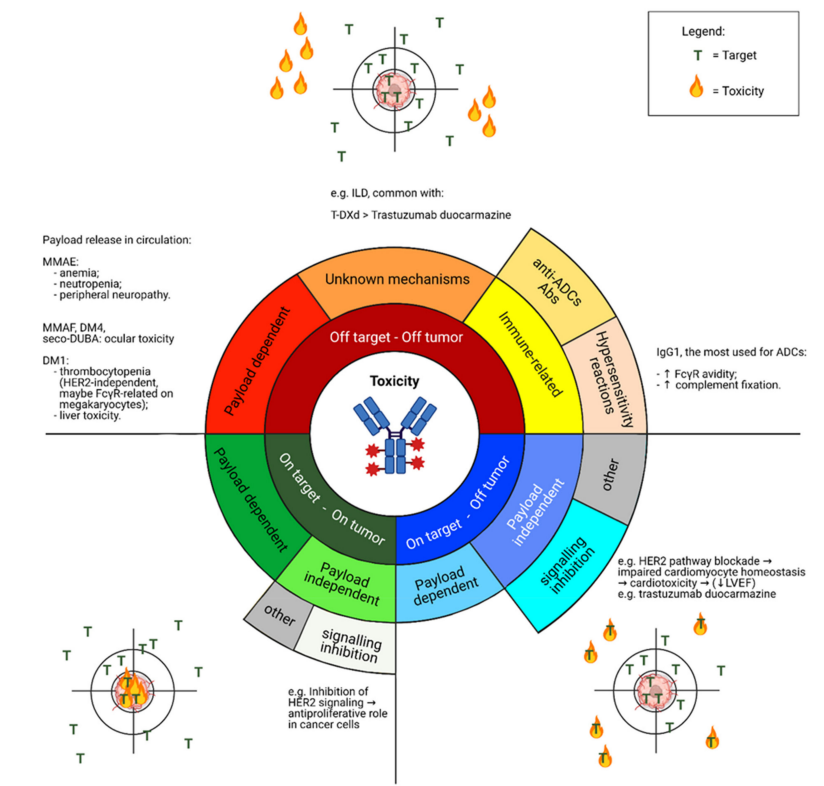
Figure 3 Toxicity profile observed in clinical trials of new ADCs
SYD985 is also undergoing a phase III study (TULIP trial), in which it is compared with TPC in HER2-positive metastatic BC patients who have been treated with at least two anti-HER2 regimens or progressed on T-DM1 (TULIP trial, NCT03262935).
4. Disitamab Vedotin (RC48-ADC)RC48-ADC is an ADC composed of the anti-HER2 humanized mAb (disitamab), conjugated to four molecules of monomethyl auristatin E (MMAE) through a protease-cleavable linker (DAR, 4:1). In a phase I study conducted on HER2-positive metastatic BC patients, safety aspects included grade 3 neutropenia (10%), leukopenia (6.7%), and elevated transaminases (3.3%), with no grade 4 AEs (Figure 3).
Currently, a phase II study is elucidating the efficacy of RC48-ADC combined with capecitabine and lapatinib in HER2-positive metastatic BC at a dose of 2 mg/kg every two weeks (NCT03500380). A phase III randomized trial aims to assess the efficacy of RC48-ADC compared to TPC in HER2-low metastatic BC patients in first-line treatment or after progression (NCT04400695).
5. XMT-1522 (TAK-522)
XMT-1522 is an ADC targeting HER2 through mAb HT-19, which binds to a different HER2 epitope than trastuzumab. HT-19 is linked to the payload (an auristatin derivative) via a degradable cysteine bond, with a DAR of 12:1. XMT-1522 appears to trigger bystander killing effects and is more active than T-DM1 in patient-derived xenografts and early clinical trials in HER2-positive and HER2-low expressing patients, although the development of this drug has been partially shelved due to safety reasons resulting in FDA clinical hold.
6. MM-302MM-302 mediates HER2-targeted release of high-dose anthracycline drugs while reducing exposure to healthy tissues (such as cardiomyocytes). The binding site of this drug is a HER2 domain different from trastuzumab.
Notably, preclinical evidence suggests a synergistic effect with the latter. Although phase I trials confirmed the activity of this ADC in pretreated metastatic BC, unfortunately, the II phase HERMIONE trial has ended due to a lack of significant activity compared to TPC when combined with trastuzumab.
7. MEDI-4276This drug is a bispecific ADC targeting two different epitopes of HER2. Bispecificity may enhance internalization, thereby increasing payload release and enhancing killing of cancer cells. In MEDI-4276, mAb is linked to a microtubule inhibitor (AZ13599185) through a cleavable linker (DAR, 4:1). Based on the activity observed in preclinical models, a phase I dose-escalation clinical trial is elucidating the role of this ADC in HER2-positive metastatic BC and gastric cancer.
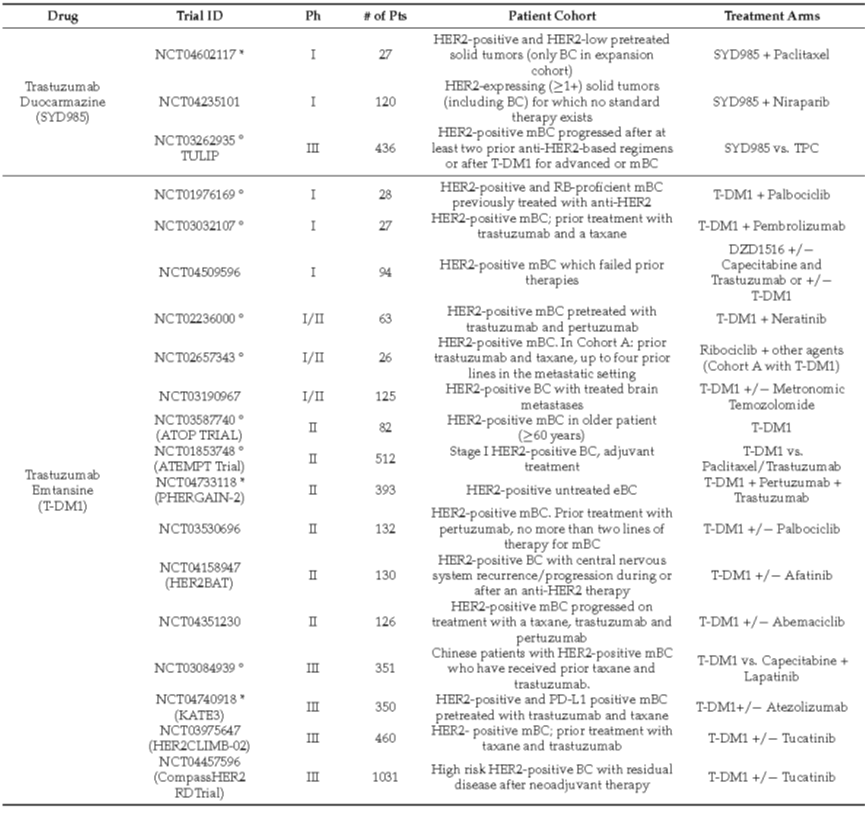
Notably, several other anti-HER2 ADCs, including A166, ARX788, BAT8001, and PF-06804103, are currently under investigation, as shown in Table 1.
Table 1: Summary of current clinical trials of antibody-drug conjugates targeting HER2
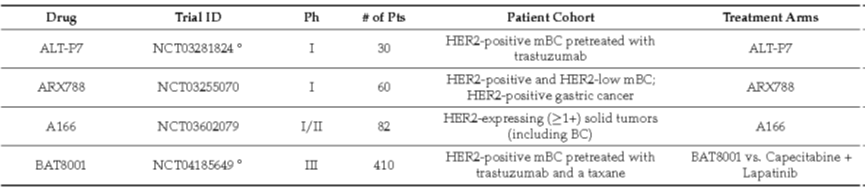
Table 1: Summary of current clinical trials of antibody-drug conjugates targeting HER2 (continued)
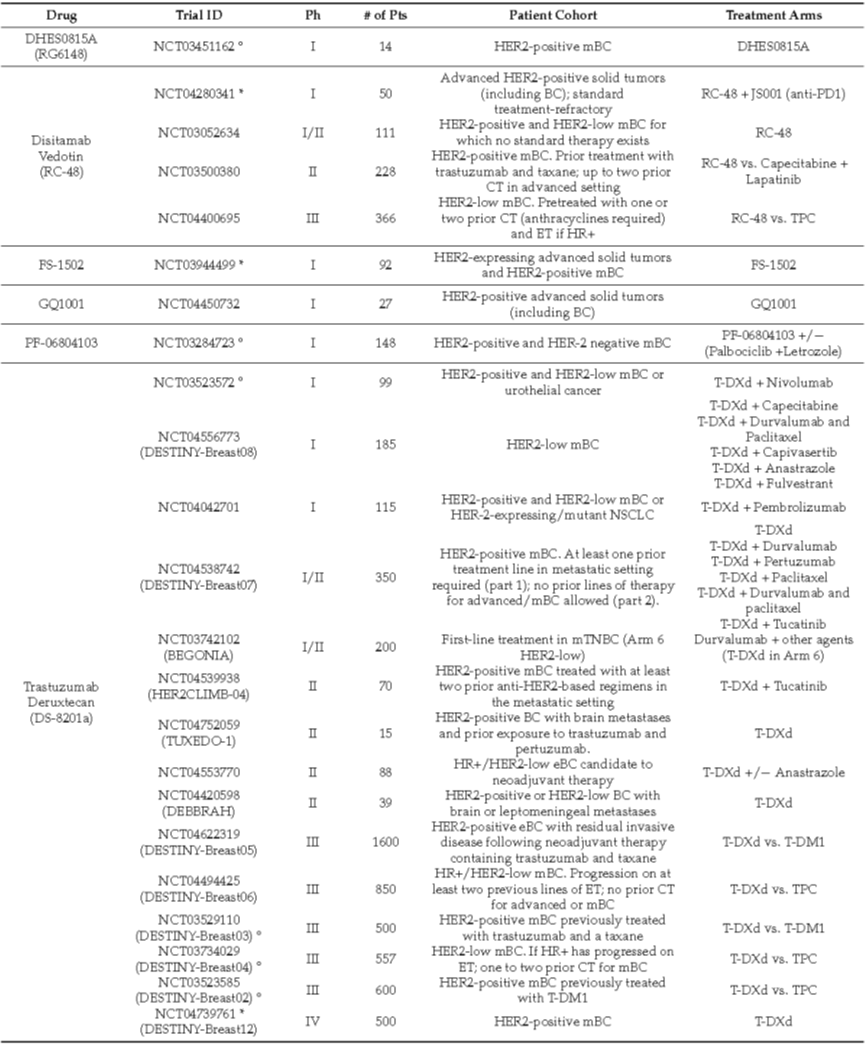
Table 1: Summary of current clinical trials of antibody-drug conjugates targeting HER2 (continued)
Other Targeted ADCs for BCTrop2Trop2 is encoded by the TACSTD2 gene, a transmembrane glycoprotein that serves as an intracellular calcium signaling transducer. Trop2 is expressed in many normal tissues, such as the uterus, skin, esophagus, bladder, oral mucosa, nasopharynx, and lung.Trop2 is overexpressed in several epithelial tumors, including urothelial carcinoma, breast cancer, gynecological cancers, lung cancer, and gastrointestinal cancers, and is associated with poor prognosis. Although the exact role of Trop2 in cell signaling has not been elucidated, the major pathways associated with Trop2 are extracellular signal-regulated kinase/mitogen-activated protein kinase (ERK/MAPK) and nuclear factor kappa-light-chain-enhancer of activated B cells (NF-kB).Sacituzumab Govitecan (IMMU-132)Through a cleavable linker, the ADC SG links the humanized anti-Trop-2 mAb hRS7 IgG1k with the cytotoxic payload SN-38 (the active metabolite of topoisomerase I inhibitor) irinotecan (DAR, 7.6–8:1) (Figure 2). After antigen binding, the free or conjugated form of mAb is internalized into the target cell and then transported to lysosomes.
The low pH found in lysosomes promotes the hydrolysis of the linker and the subsequent release of the payload. Due to the membrane permeability of SN-38, some drug molecules are also released into the tumor microenvironment, contributing to the killing of adjacent tumor cells (bystander effect).
Datopotamab Deruxtecan (Dato-DXd, DS-1062)
Dato-DXd is an ADC composed of humanized Trop-2 targeting mAb, a peptide-based linker, and a topoisomerase I inhibitor payload (exatecan derivative). The first-in-human phase I study TROPIONPanTumor01 (NCT03401385) investigated its efficacy in patients with advanced solid tumors, including metastatic TNBC. Safety features include grade 3 AEs, including fatigue, oral mucositis and other mucosal inflammations, decreased appetite, nausea, vomiting, constipation, infusion-related reactions, anemia, and cough. Notably, 14 patients in the lung cancer cohort experienced ILD, with 3 grade 5 events.
LIV1LIV-1 belongs to the family of transmembrane zinc transporters, which is part of the ZIP superfamily. The expression of the LIV-1 family is heterogeneous in normal tissues. Among this protein family, LIV1 (ZIP6) is typically found in hormone-regulated tissues, such as the breast, and its expression appears to be sensitive to estrogen levels.
In fact, LIV1 was first identified as an estrogen-induced gene in BC cell lines. It was then associated with node involvement in HR-positive BC. Besides BC, LIV1 has been detected in cervical and uterine tumors, prostate cancer, pancreatic cancer, and melanoma.
Ladiratuzumab Vedotin (SGN-LIV1A)
Anti-LIV1 humanized mAb and MMAE payload linked through a cleavable linker constitute the ADC. This compound binds to the extracellular domain of LIV1 and is transported to lysosomes after internalization, releasing the cytotoxic payload through proteolytic cleavage. Cancer cell apoptosis is achieved by inhibiting tubulin polymerization. According to preclinical models, SGN-LIV1A may induce effective immunogenic cell death (ICD), thereby potentially enhancing the benefits of immunotherapy.
HER3 (ErbB3)
HER3 is a member of the HER family characterized by weak tyrosine kinase activity. For signaling to be transduced downstream, HER3 must undergo heterodimerization. In this case, HER2 is the most important partner for dimerization. Other high-affinity ligands for HER3 include neuroregulatory proteins (NRG-1 and NRG-2). Various cancers overexpress HER3 histologically, including head and neck cancer, colorectal cancer, bladder cancer, melanoma, lung cancer, ovarian cancer, prostate cancer, and breast cancer. HER3 is thought to be associated with resistance to targeted therapies, not only resistance to other receptors in the HER family but also to hormonal drugs and PI3K inhibitors. Lastly, ERBB3 somatic mutations also show some oncogenic potential.
Patritumab Deruxtecan (U3-1402, HER3-DXd)Patritumab deruxtecan is a novel anti-HER3 ADC composed of humanized mAb patritumumab and deruxtecan mAb linked to the payload via a peptide-based cleavable linker.
This experimental compound has been studied in a phase I/II clinical trial involving heavily pretreated HER3-positive metastatic BC patients, yielding promising results (NCT02980341) (Table 2). Patients with HER3-high/HR-positive/HER2-negative tumors were enrolled in two cohorts to receive drug treatment at doses of 4.8 mg/kg or 6.4 mg/kg. In contrast, HER3-low/HR-positive/HER2-negative metastatic BC patients and HER3-high metastatic TNBC patients received 6.4 mg/kg of ADC. At the cutoff date, 64 HER3-high/HR-positive/HER2-negative metastatic BC patients’ drug activity was assessable. In this group, the ORR was 30%, with patients receiving 6.4 mg/kg and 4.8 mg/kg treatment at 13%. In 31 HER3-low/HR-positive/HER2-negative metastatic BC patients and 31 HER3-high metastatic TNBC patients, ORR was 33% and 16% respectively (6.4 mg/kg).
The most common all-grade AEs are gastrointestinal (nausea, 85.7%; decreased appetite, 66.7%; vomiting, 54.8%; AST/ALT elevation, 47.6% and 45.2% respectively) and hematological toxicity (thrombocytopenia, 71.4%; neutropenia, 64.3%; leukopenia, 59.5%; anemia, 38.1%). Grade 3 AEs (15%) include thrombocytopenia (35.7%), neutropenia (28.6%), leukopenia (21.4%) and anemia (16.7%).
- Conclusion and Future Prospects
The advances in ADC engineering and technology platforms have unlocked the production of new payloads and novel linkers, allowing for a new generation of ADCs with high DAR and strong bystander effects. In fact, membrane-permeable payloads combined with new cleavable linkers amplify the effectiveness of the bystander effect, potentially extending efficacy to heterogeneous tumors or those with homogeneous but low target expression. However, transitioning these drugs to early stages requires caution due to the potential risks of severe AEs, including ILD with trastuzumab deruxtecan and neutropenia or diarrhea with SG.
Regarding future prospects, new potential targets are being evaluated, such as proteins expressed in the tumor microenvironment or cancer stem cells. In this regard, prodrug conjugates are emerging as a new class of recombinant ADC prodrug. They can circulate in an inactive form, typically activated by proteolytic cleavage through proteases. This optimization of payload delivery to the tumor site is believed to reduce off-target/toxicities. Delivery systems that replace mAb scaffolds are also under focus. For example, centyrins, small cysteine-free scaffolds, exhibit superior biophysical properties. They can be effectively internalized by cancer cells and allow binding at different locations. Overall, considering that several novel ADCs are in the final stages of clinical development, as phase III clinical trials progress, we may witness a shift from the current standard treatment based on systemic chemotherapy to ADC-based targeted cancer therapies, either as monotherapy or in combination with other drugs. Nevertheless, the development of ADCs still faces “old” challenges, such as patient selection and biomarker assessment. In future studies, it is essential to address all these aspects to best utilize such drugs.
References:
Corti C, Giugliano F, Nicolò E, et al. Antibody–drug conjugates for the treatment of breast cancer[J]. Cancers, 2021, 13(12): 2898.
Source: Medical Review 2022-08-24
Author: Waiting for Flowers to Bloom
Editor: 💧Transparent
This post is intended to disseminate knowledge. If there are any copyright issues, please contact Medical Review within 30 days of this publication.
Unauthorized reproduction of original content on other platforms is prohibited.
If you have questions, you can email [email protected] for more information.
©2021 Medical Review All rights reserved.