Last year, an electronics company in Wuxi faced a shortage of containers during the peak logistics season, resulting in a temporary price increase of $2000 per container from the shipping company, significantly compressing their profits. This situation is not uncommon in the international logistics circle. Those engaged in import and export business know that choosing the right container can save not only time but also a substantial amount of money. Today, we will discuss the latest industry situation in 2025 and help you understand how to choose between COC (Carrier Owned Container) and SOC (Shipper Owned Container) for the best value.
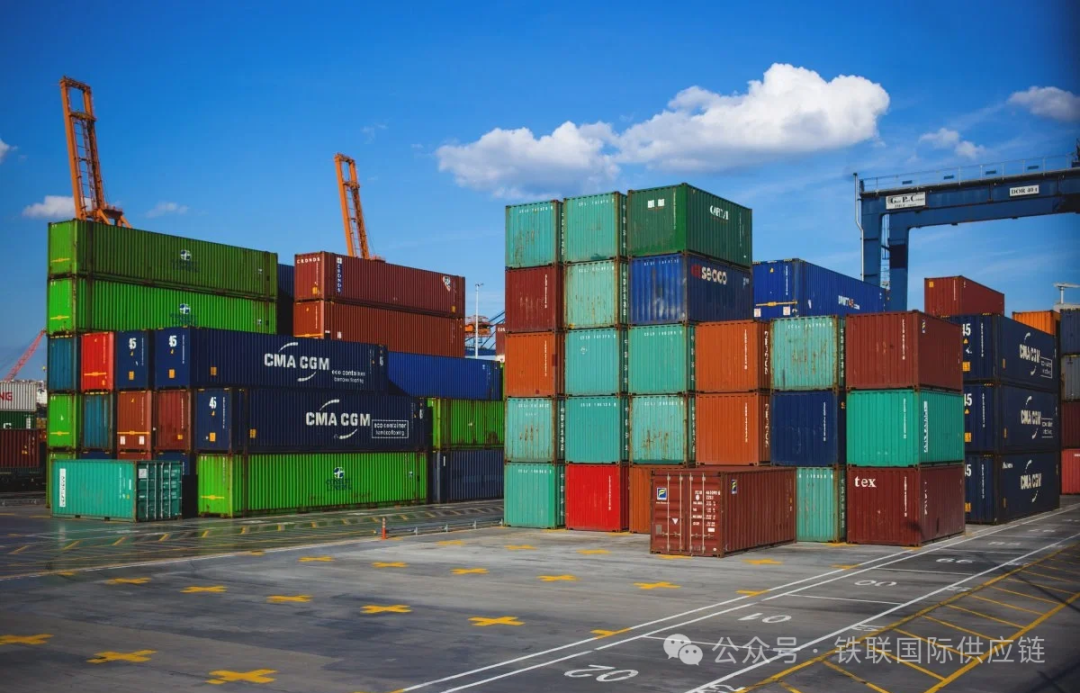
1. Distinguishing the Core Differences Between COC and SOC in 30 Seconds
Many people often confuse these two concepts when they first encounter them, but this table makes it clear:
| Comparison Dimension | COC (Carrier Owned Container) | SOC (Shipper Owned Container) |
|---|---|---|
| Ownership | Owned by the shipping company | Owned by the shipper or leasing company |
| Single Trip Cost | Approximately $400 for a 40-foot container (including rental) | Approximately $239.5 for a 40-foot container (cost amortized over the long term) |
| Flexibility | Must return the container according to the shipping company’s specified time; late returns may incur demurrage fees | Return times can be set by the shipper, without worrying about demurrage fees |
| Suitable Users | Small and medium-sized enterprises with an annual shipment volume of less than 50 containers | Traders with an annual shipment volume of over 500 containers and stable transportation |
It is important to note that in 2025, there will be a significant shortage of COC containers from shipping companies, with a shortage rate potentially reaching 35% during peak seasons like Double Eleven. If you have a large shipment volume and want stability, SOC may be the key option.
2. Latest Cost Comparison for 2025: Understanding the Differences
Taking the popular route from Shanghai to Los Angeles as an example, let’s do some calculations:
(1) COC Model
The sea freight is $1800, and the shipping company generally provides a 14-day free period for the container. After that, a daily demurrage fee of $100 is charged. The most troublesome part is that West Coast ports are often congested, with an average delay of 8 days. Calculating this, the demurrage fees alone would add an extra $800, significantly increasing the overall cost.
(2) SOC Model
Buying a container costs $3800, with an annual inspection fee of $800. However, if this cost is amortized over 20 shipments, the single trip cost is only $230. Even better, after the peak season, the second-hand container can be resold, recovering 30% of the cost, which is an additional saving.
Comparing these two options makes it clear: if you transport more than 20 times a year, choosing SOC can save 40% of costs, amounting to approximately $3200 annually, which is not a small sum over the long term.
3. How to Choose for Different Scenarios? This Guide Helps You Avoid Pitfalls
Choosing SOC for cost savings does not mean it is always the best option; it depends on the specific situation. Here are three scenarios where COC should be prioritized:
1. When Restocking Temporarily
For instance, if a cross-border e-commerce business suddenly receives an order and needs to ship 1-2 containers, it is unnecessary to specifically arrange for SOC containers; choosing COC is more convenient.
2. Shipping on High-Risk Routes
If goods need to be shipped to war-torn or politically unstable regions, choosing COC can avoid losses from containers being stranded locally, thus reducing risk.
3. Newcomers in Foreign Trade
For those new to international logistics and unfamiliar with container management, COC is more suitable as it does not require handling subsequent issues with the container.
Conversely, in these three scenarios, choosing SOC is definitely the right choice:
1. Long-Term Project Transportation
For example, transporting equipment for building factories in Africa, which takes over 12 months, using SOC avoids repeated coordination with the shipping company for container returns and saves a lot on rental fees.
2. Transporting Special Goods
For instance, hazardous materials requiring custom explosion-proof containers or oversized equipment needing frame containers can be more flexibly customized with SOC based on cargo needs.
3. Securing Container Space During Peak Logistics Seasons
Every year, June to August and November to December are peak seasons for sea freight, where container availability is tight and booking is difficult. Using SOC allows for priority booking, ensuring that goods can be shipped without worry.
Here’s a practical tip: you can use container sharing platforms like Aisijie to check global SOC container availability in real-time, which can reduce container transfer costs by 20%. It has been tested and is very effective.
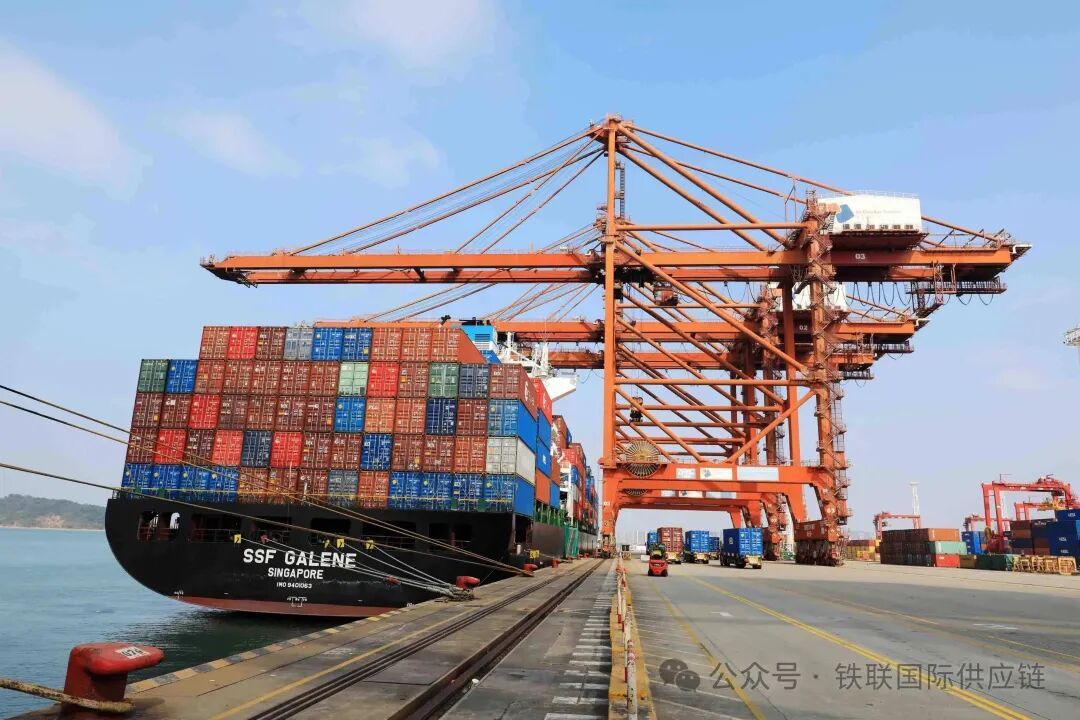
4. Policy Trends for 2025: Important Changes to Note
1. New Policies for Rail-Water Intermodal Transport Offer Benefits
The government has introduced the “Action Plan for Promoting High-Quality Development of Rail-Water Intermodal Transport,” allowing the use of SOC containers to enjoy the “one container all the way” policy, eliminating the need to change containers midway, which can save a lot on transfer costs.
2. More Convenient Digital Management
Major shipping companies like Maersk have launched online booking systems for SOC, improving container pickup efficiency by 50% and reducing order error rates from 15% to 3%, eliminating the need for excessive travel and mistakes.
3. Stricter Green Logistics Requirements
EU ports are increasingly strict about carbon emissions checks for COC containers. Starting in 2025, containers that do not meet CII environmental standards may be rejected. In contrast, SOC containers can be modified in advance to meet environmental requirements, avoiding potential issues.
5. Pitfall Avoidance Tips: Lessons Learned from Experience
1. Container Inspection is Essential
SOC containers must have a valid CSC safety label; otherwise, they may be detained at the destination port, with fines reaching $5000 per container. Do not take this lightly.
2. Ensure Adequate Insurance Coverage
It is recommended to purchase all-risk insurance for containers, with a rate of about 0.3%, covering risks such as collisions and natural disasters, which can reduce losses in case of issues.
3. Be Cautious Before Returning Containers
Before returning COC containers, be sure to take a 360-degree video as evidence. Last year, a company faced unreasonable claims from the shipping company for $12,000 in repair fees due to lack of evidence, resulting in a significant loss.
Final Thoughts
The “container shortage” has become a norm in 2025. Choosing between COC and SOC is not just about “renting containers” versus “buying containers”; it is also a part of logistics strategy. For companies with an annual shipment volume of less than 300 containers, a mixed approach is recommended, with COC accounting for 60% for flexibility and cost savings; larger enterprises can build their own SOC fleet for optimal cost efficiency. You can bookmark this article to refer to before your next booking to avoid unnecessary shipping costs and ensure your money is well spent!
 The content of this article is sourced from the internet for sharing purposes. If there are any infringements, please contact us for removal.