Author | Xiao Yu
Periodically, major pharmaceutical media and authoritative journals summarize the development of Antibody-Drug Conjugates (ADCs). Recently, a review on ADCs published by the internationally renowned journal ACS was particularly eye-catching. As a member of CAS (a division of the American Chemical Society), Janet M. Sasso’s team innovatively utilized patents and articles related to ADCs within CAS for multidimensional analysis, presenting us with the evolution of ADCs.

CAS is the largest collection of published scientific articles, and based on this, Janet M. Sasso’s team created a brand new conceptual map of ADCs (Figure 1). The article discusses the evolution of key concepts in the field, major technologies, and their development pipelines, including research focuses of companies, disease targets, development stages, as well as publication and investment trends.
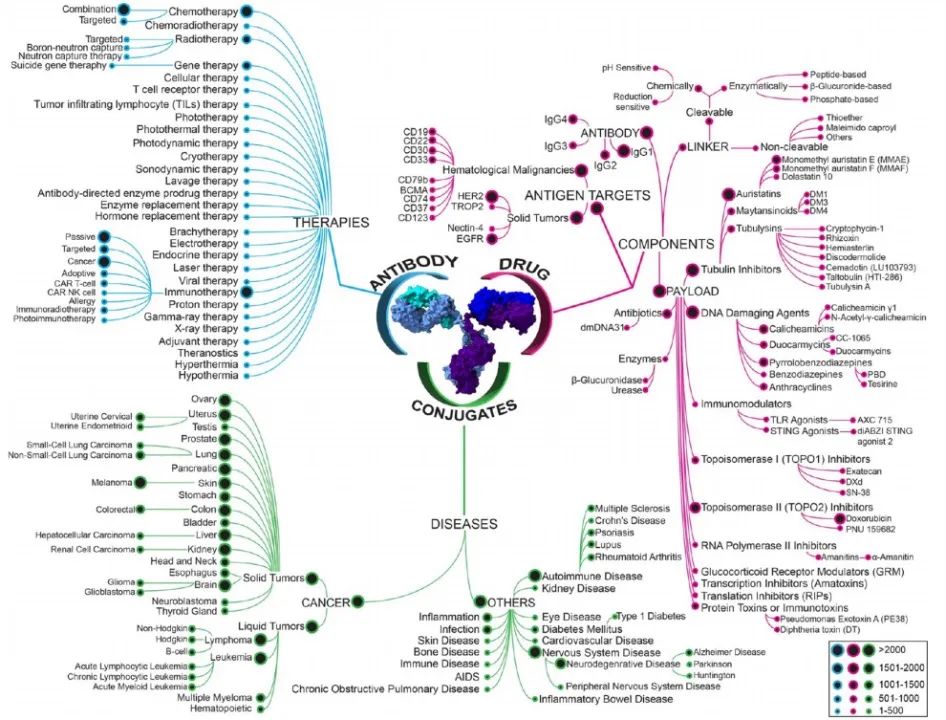
Figure 1: Conceptual Map of ADCs
01
Optimization and Advancement Directions of ADCs
ADCs combine the targeting capability of monoclonal antibodies with the cytotoxicity of drugs, minimizing damage to healthy cells and reducing systemic toxicity, which is significant for cancer treatment. In the past decade, ADCs have made tremendous progress in optimizing the selection of cytotoxic drugs, conjugation strategies, better-targeted antigens, and improved antibody engineering.
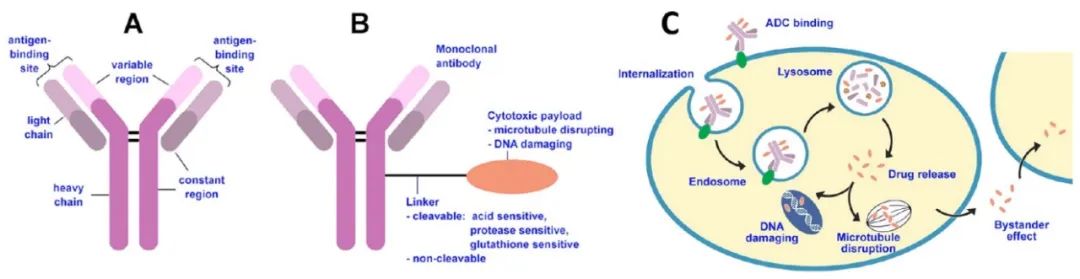 Figure 2: Structure and Mechanism of ADCsMain Challenges in ADC Development:① Complexity of ADC design and manufacturing; ② Selection of appropriate target antigens; ③ Heterogeneity of target antigen expression; ④ Payload selection and optimization; ⑤ Linker design and stability; ⑥ Pharmacokinetics and biodistribution; ⑦ Maximum tolerated dose (MTD); ⑧ Manufacturing complexity and process scaling; ⑨ DAR heterogeneity; ⑩ Immunogenicity and safety; ⑪ Off-target effects; ⑫ Drug resistance; ⑬ Regulatory approval; ⑭ Cost.
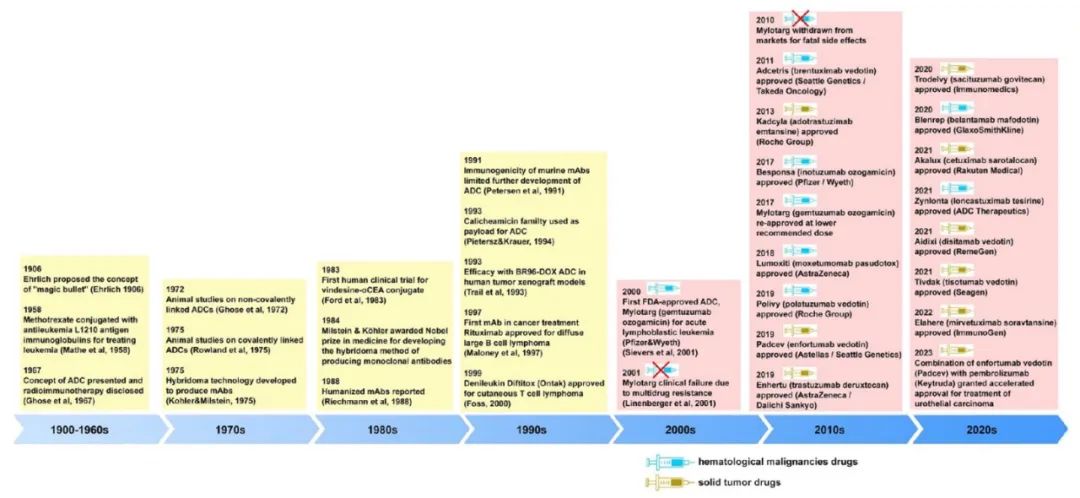 Figure 3: Timeline of Key Events and Discoveries in ADC Research and Development
1.1 Selection/Optimization of Antibodies
Most marketed ADCs utilize the IgG1 scaffold, but the heterogeneity of antibodies during systemic administration is a long-standing and significant issue.Improvements and innovations in antibody forms are expected to enhance target specificity, improve tissue permeability, mobilize the immune system, and reduce systemic toxicity. For example: nanobody-enhanced ADCs enhance therapeutic efficacy; bispecific antibodies in ADCs can simultaneously target tumor-specific antigens and immune cells, promoting immune-mediated killing of cancer cells; trispecific antibodies aim to bind to three different targets and antigens, providing higher targeting specificity. Additionally, there are dual-site antibodies, site-specific antibody conjugates, peptide-drug conjugates (PDC).
1.2 Linkers
Linkers are divided into cleavable and non-cleavable types. Cleavable linkers are cleaved by acids, reducing agents, or enzymes; non-cleavable linkers only become active after antibody internalization and hydrolysis. Recently, branched linkers have been designed for ADCs to achieve high drug-to-antibody ratios (DAR).
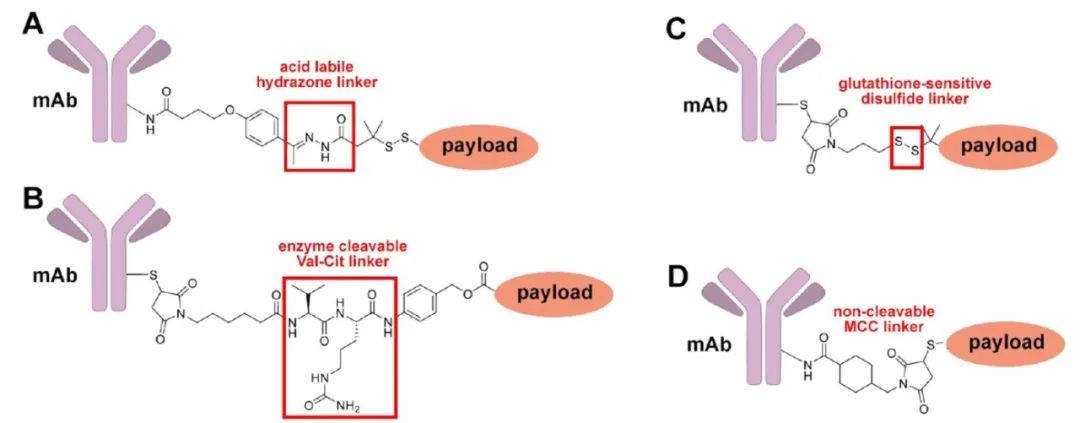 Figure 4: Example of ADC Linkers
1.3 Payloads
Payloads must behighly toxic and stable. Auristatins, maytansinoids, camptothecin and its analogs, pyrrolobenzodiazepines, Calicheamicin, etc., can serve as payloads.
1.4 Conjugation Methods of ADCs
Conjugation methods must ensure that the activity or stability of the drug or antibody is not compromised. Conjugation should be efficient, high-yielding, selective, and predictable.
1.5 Selection/Optimization of Target Antigens
The efficacy of ADCs depends on the expression level of target antigens.The most commonly used antigen targets are CD19, ERBB2, HER2, CD22, CD30, CD33, CD79b, and MSLN. Recently, ADCs have been developed to simultaneously target immune checkpoint molecules such as PD-L1 or B7-H3, preventing immune suppression by directly binding to immune checkpoint molecules while carrying cytotoxic payloads.
1.6 Combination Therapy
Combination therapies canavoid resistance and associated toxicity, improving overall therapeutic efficacy. Combination therapies include ① ADC + conventional chemotherapy; ② ADC + antibody therapy; ③ ADC + immune checkpoint inhibitors; ④ sequential/interleaved treatment.
1.7 Companion Diagnostics
Selecting the most suitable patients for treatment based on target gene expression levels or other predictive biomarkers can improve clinical outcomes of ADC therapy.
02
Research Landscape of ADCs – Insights from CAS ADC-Related Content
CAS has over 25,000 scientific publications related to ADC research and development (mainly journal articles and patents). The number of patents has exceeded that of journal articles since 2000 (Figure 5). This is closely related to the accumulation of scientific knowledge and its subsequent translation into patents.
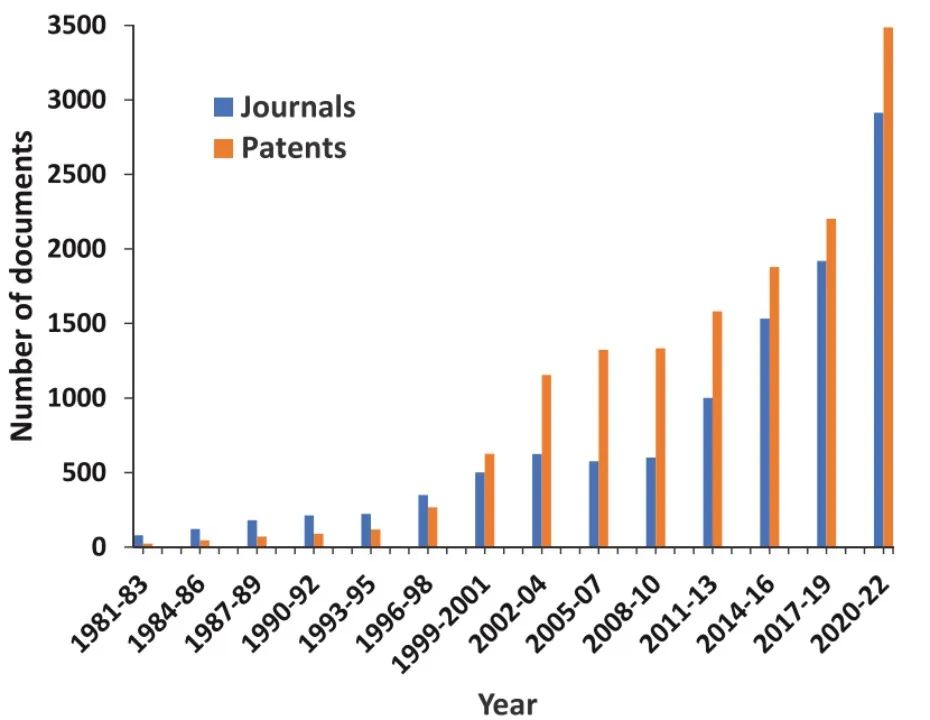 Figure 5: Yearly Growth of ADC-Related Literature
Ranking of Countries and Organizations by Number of Journal Articles and Patents:The US, China, and Japan rank in the top three, with patent applications mainly led by companies (Figures 6 and 7).
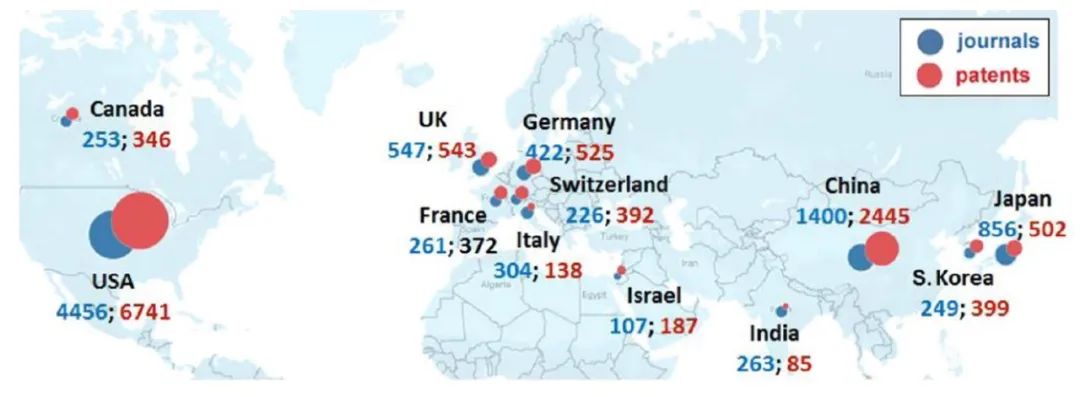 Figure 6: Countries with High Rankings in ADC-Related Journal Articles (Blue) and Patents (Red)
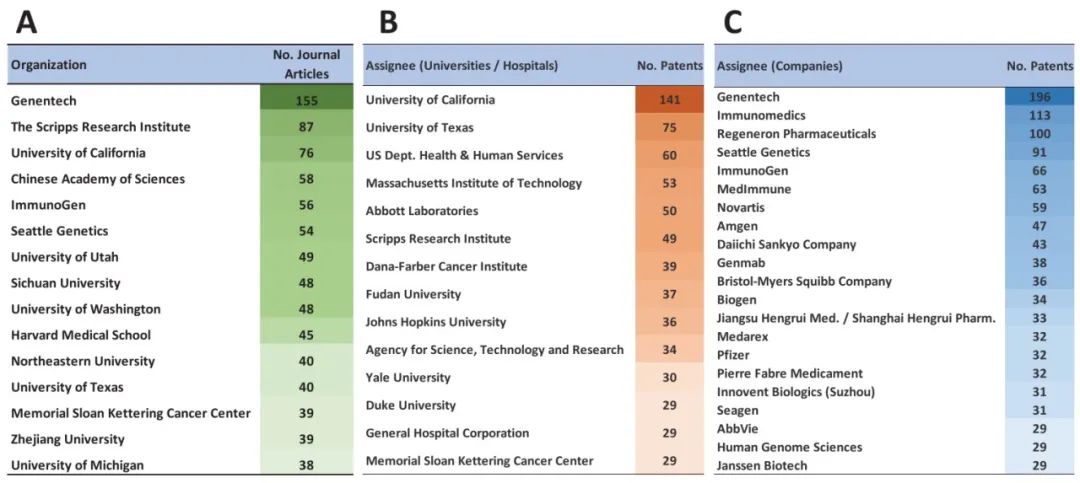 Figure 7: Ranking of Organizations Publishing ADC-Related Journal Articles from Universities/Hospitals (A) and Patent Rankings from Companies (B)
Distribution and Trends of Literature on ADC-Related Concepts: ADC combination immunotherapy accounts for the largest number of publications (Figure 9); the most common delivery system for ADCs is the nanoparticle-targeted intravenous delivery system (Figure 10); the primary payloads used in ADCs are auristatins and calicheamicins (Figure 11); HER2 and EGFR remain the most widely explored target antigens in solid tumors, with Trop-2 and Nectin-4 antigens showing stable growth over the past five years (Figure 12); the most commonly used IgG subtypes in cancer immunotherapy are IgG1 and IgG4, with IgG2 and IgG3 applications in ADCs growing faster than IgG1 in the literature (Figure 13); the preferred linker type in therapeutic ADCs is cleavable linkers (Figure 14).
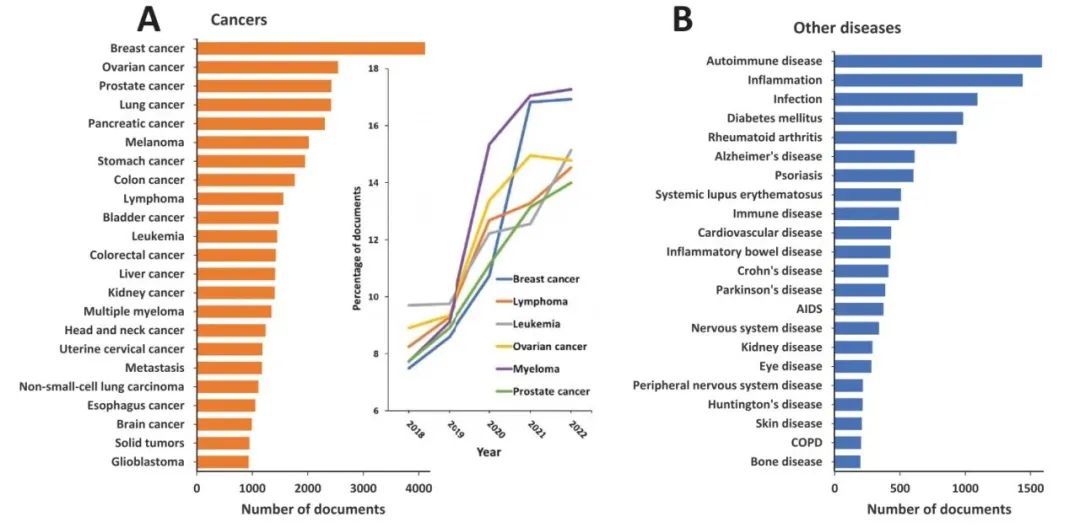 Figure8 Diseases Discussed in ADC-Related Publications
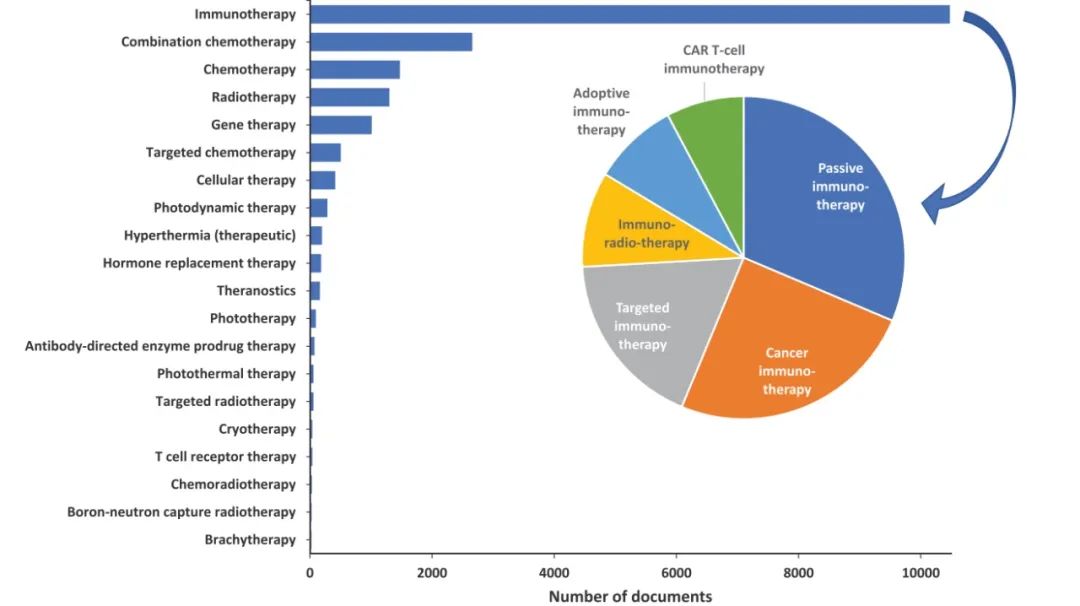 Figure9Therapies Discussed in ADC-Related Publications
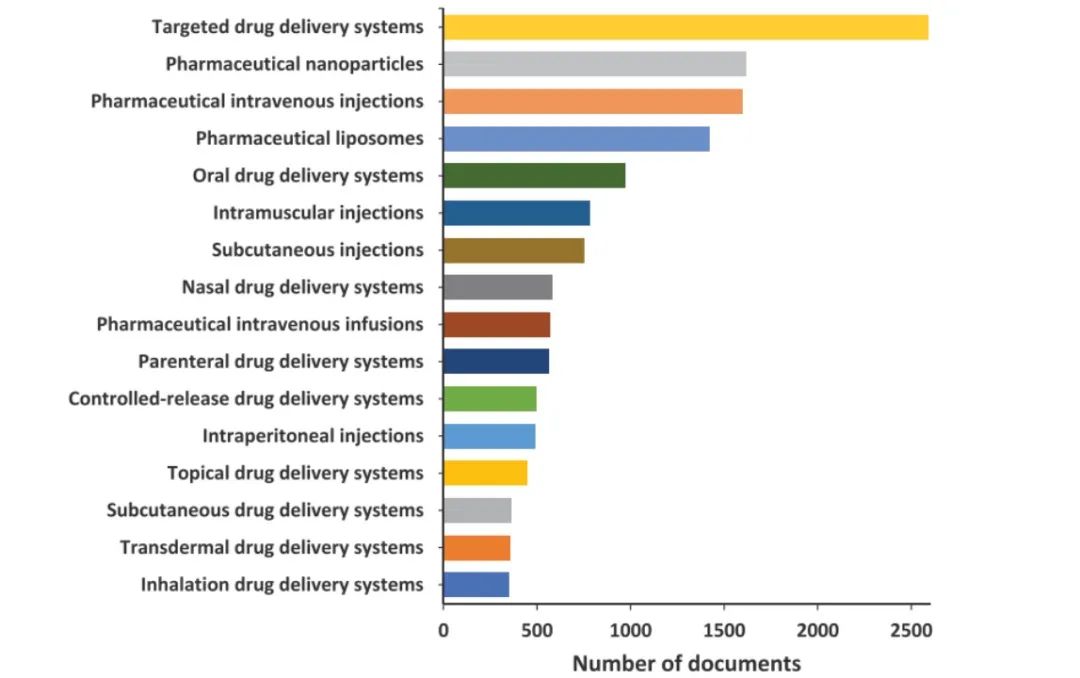 Figure10 Drug Delivery Systems Discussed in ADC-Related Publications
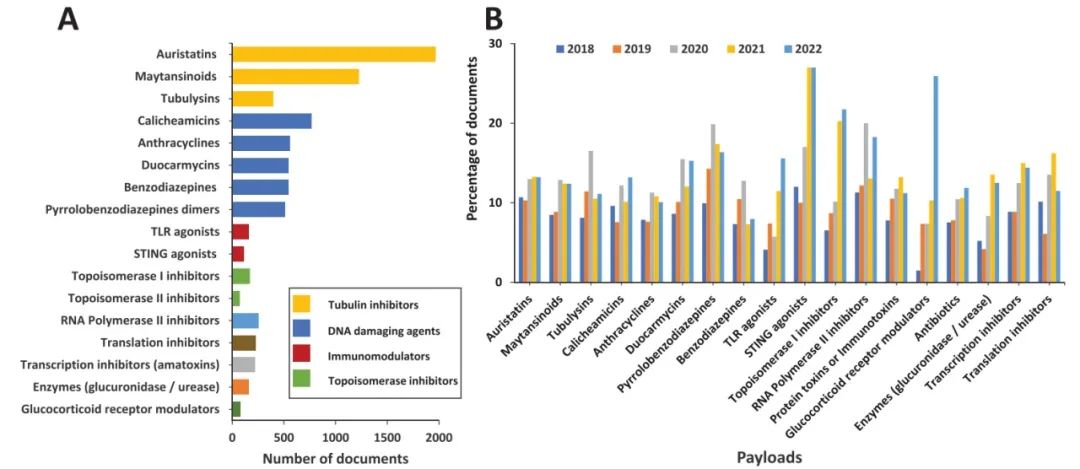 Figure11 Payloads Discussed in the Literature
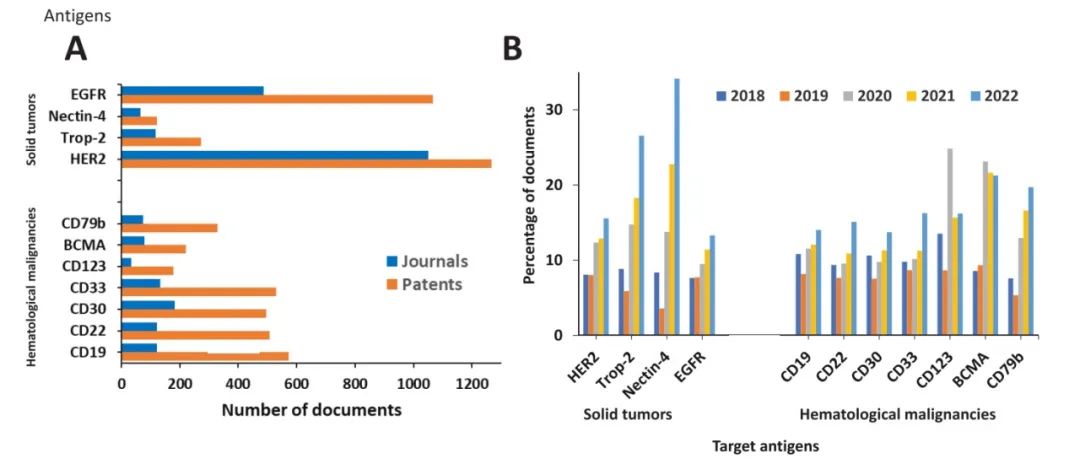 Figure12 ADC Target Antigens in Solid Tumors and Hematologic Malignancies Discussed in the Literature
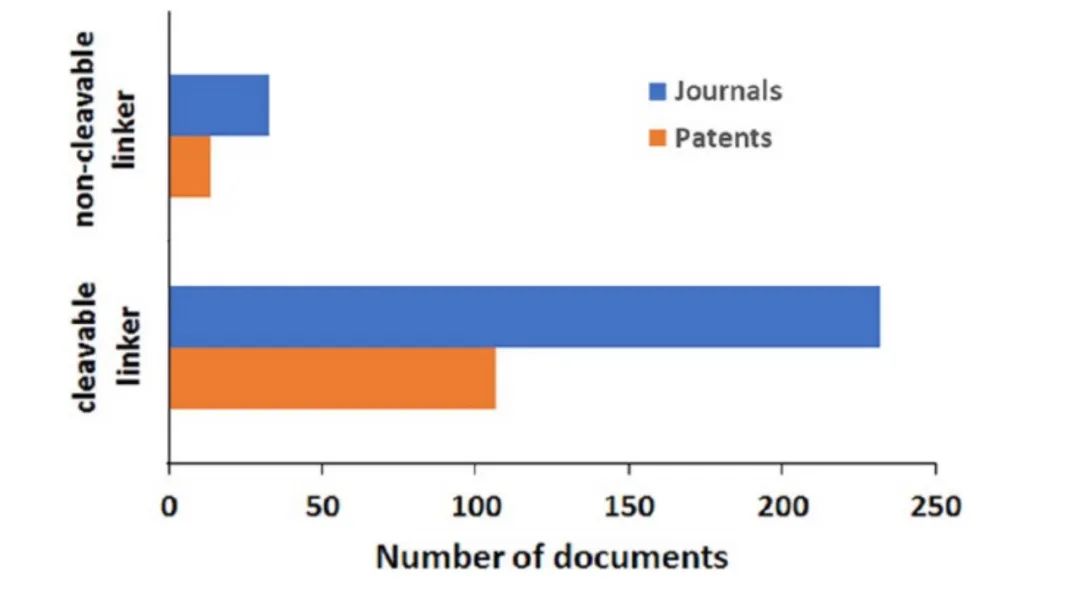 Figure13 ADC Antibodies Discussed in the Literature Figure14Linker Types Discussed in the Literature
Correlation Between Various Cancers and ADC Target Antigens, ADC Antibodies, and ADC Payloads: The strongest correlation is between breast cancer and HER2, lymphoma with CD19, CD22, and CD30, leukemia with CD33 and CD19, and multiple myeloma with BCMA; the strongest correlation is between breast cancer and maytansine drugs, followed by lymphoma with auristatins.
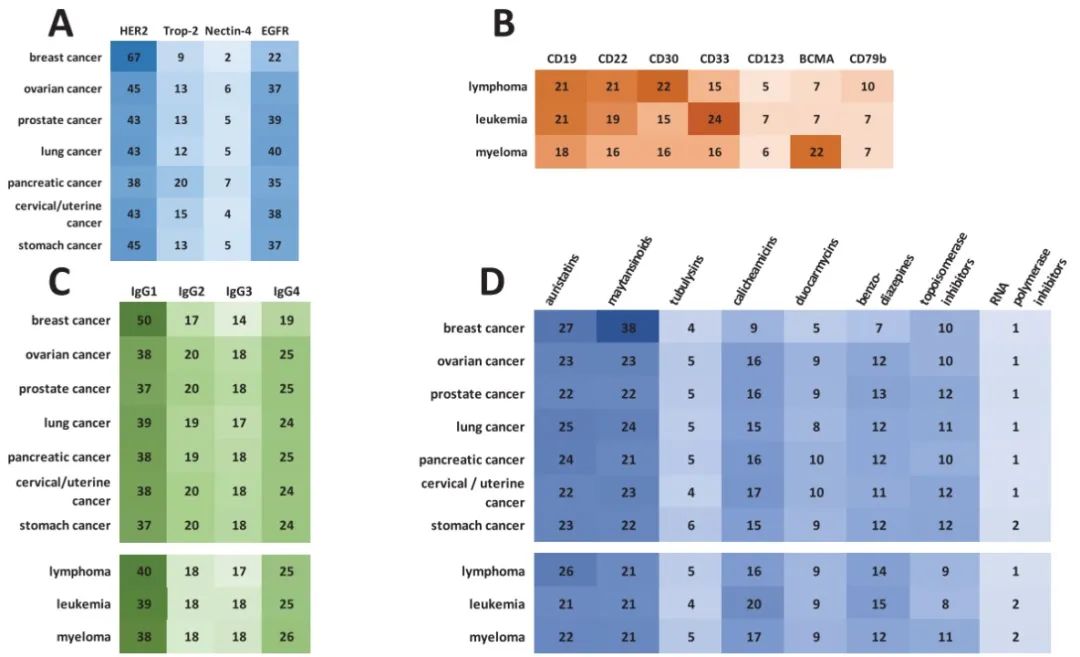
Figure 15: Correlation Heatmap Between Different Concepts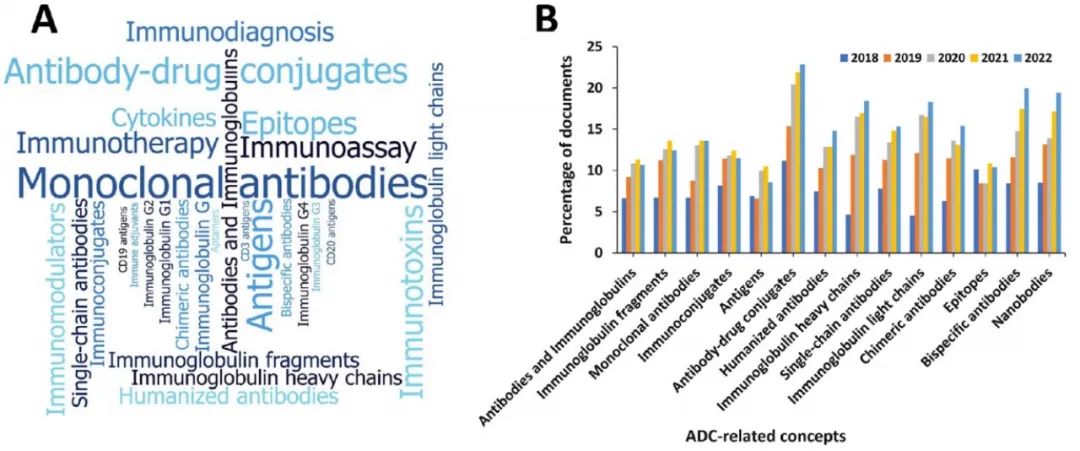 Figure16 Most Widely Used ADC-Related Terms in CAS (A) and Number of ADC-Related Concepts in Literature from 2010-2022 (B)
Commercial Investment in the ADC Field: In 2018, capital investment in the ADC field surged, and the enthusiasm for investment in ADCs remained strong in the following years, with investment amounts exceeding $60 billion. Globally, most investments came from Asia, followed by the United States, with the remainder from Europe and Canada (Figure 17).
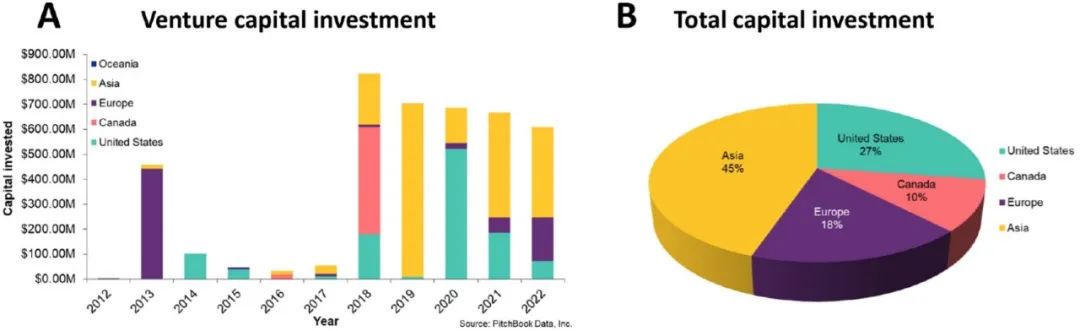 Figure 17: Investment in the ADC Field by Region from 2012-2022 (A Venture Capital B Total Capital Investment)
03
Conclusion
To bring effective ADC therapies to patients, continuous advancements in antibody engineering, linker technology, payload design, and tumor biology are essential. Meanwhile, collaboration between researchers, pharmaceutical companies, and regulatory agencies is also crucial. The conclusions drawn from the analysis of CAS content not only validate what we already know about ADCs but also provide new insights, allowing us to interpret the ADC field from a more comprehensive and global perspective.
In summary, ADCs are a very promising therapeutic approach.
References:Sasso JM, Tenchov R, Bird R, Iyer KA, Ralhan K, Rodriguez Y, Zhou QA. The Evolving Landscape of Antibody-Drug Conjugates: In Depth Analysis of Recent Research Progress. Bioconjug Chem. 2023 Oct 11. doi: 10.1021/ACS.bioconjchem.3c00374. Epub ahead of print. PMID: 37821099.