

 Antibody-Drug Conjugates (ADC) typically require internalization to release their cytotoxic payload. However, there are strict limitations, requiring high expression of internalizing antigens and efficient intracellular processing. A new method has emerged, allowing the payload to be released extracellularly from cleavable linkers after binding to poorly internalizing antigens or other tumor components. This method eliminates the dependence on high antigen expression, avoids potential inefficient internalization, and can greatly expand the range of cancer targets to components of the extracellular tumor stroma.
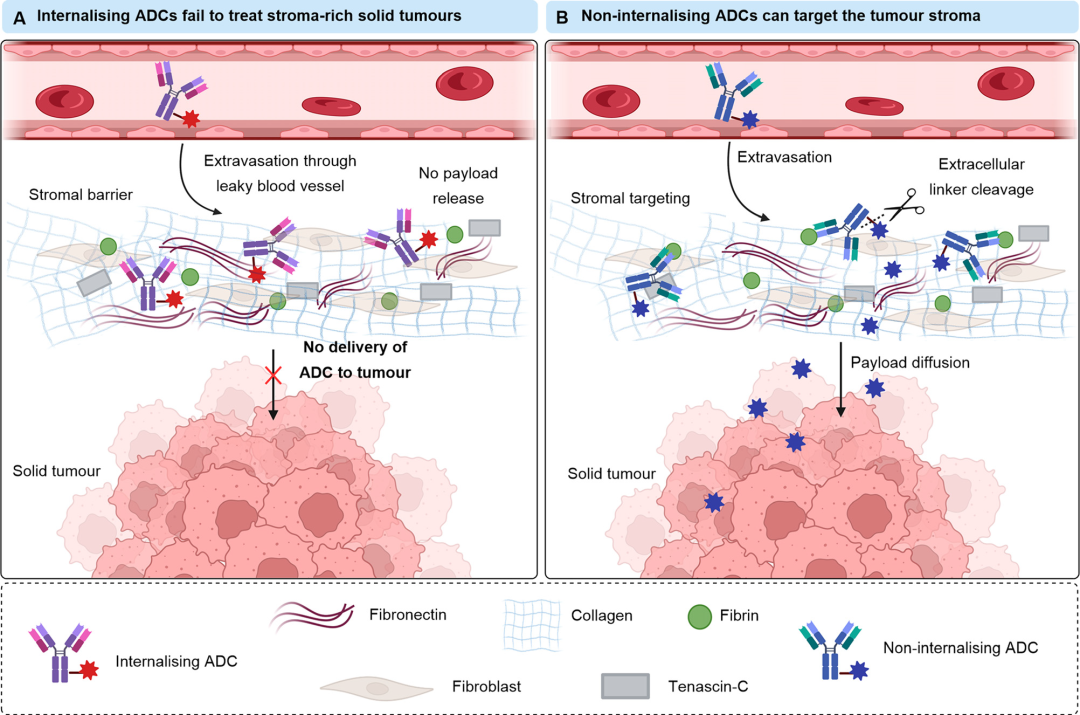
This review summarizes the latest advancements in non-internalizing ADCs, including emerging cancer-associated cell surface and extracellular proteins, cancer stroma targeting, and linker chemistry capable of releasing extracellular payloads.
Key Takeaways from This Article:
(1) Internalizing antibody-drug conjugates are limited by poor penetration into solid tumors, lack of suitable internalizing antigen targets, and acquired resistance mechanisms.
(2) Non-internalizing antibody-drug conjugates can release their payload extracellularly due to linker cleavage, overcoming the issues of inefficient internalization or internalization-related resistance mechanisms.
(3) The chemical properties of ADC linkers are crucial for imparting stability and selectivity to payload release, determining whether non-internalizing mechanisms are feasible.
(4) Many ADC linkers previously thought to require internalization for cleavage and payload release can cleave extracellularly.
(5) There are numerous extracellular markers and non-internalizing cancer-associated antigens that can be targeted by non-internalizing ADCs.
A new emerging approach is to target the tumor stroma or vasculature.
01Introduction
ADCs are typically designed to function through an internalization mechanism (Figure 1): after the antibody binds to the target antigen on cancer cells, ADCs are internalized, degrade in lysosomes to release the cytotoxic payload (Figure 2A). If the payload has appropriate membrane permeability, it can diffuse into surrounding “bystander” cancer cells, which may or may not express the target antigen (known as the bystander effect). While this approach has been successful (in fact, all FDA-approved ADCs currently utilize internalizing antibodies), it does have limitations, such as dependence on the overexpression of internalizing antigens, which is not characteristic of many tumors. Moreover, antibodies are large molecules with slow diffusion and limited tumor penetration. Another barrier to tumor penetration is the “antigen barrier,” where antibodies continuously bind to cancer cells near blood vessels at the tumor periphery, preventing them from diffusing and binding to cells deeper within the tumor. Cancer patients may also develop resistance to ADC internalization due to factors such as internalization, transport, antigen cycling, or lysosomal degradation.
Non-internalizing mechanisms (Figure 2B) may expand the range of cancer targets, as they eliminate the strict requirements of internalizing ADCs, such as high expression of internalizing antigens. In fact, some non-internalizing ADCs target most aggressive cancers and may represent a promising broad-spectrum anti-cancer approach. Extracellular release of the payload can also allow anti-cancer drugs to penetrate deeper into tumors, as it diffuses more easily than antibodies and can maximize the potential bystander effect.
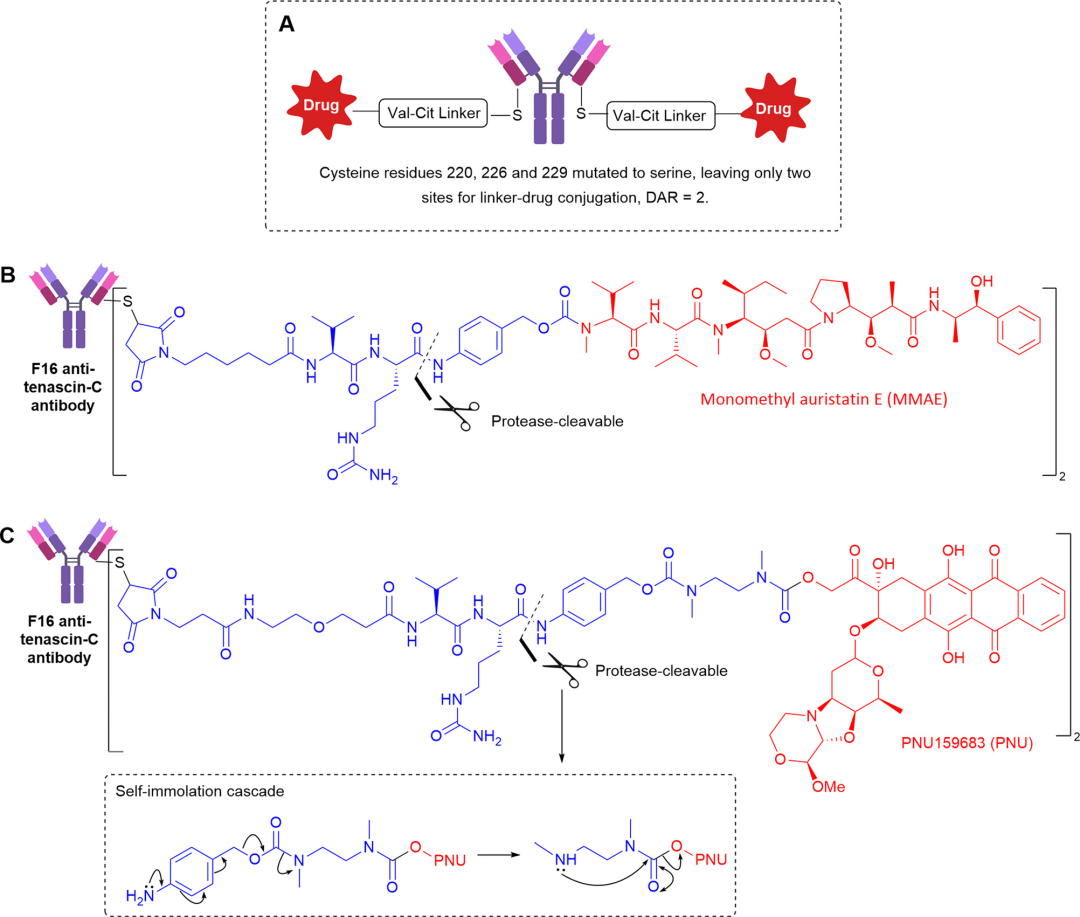 Figure 1: FDA Approved ADCs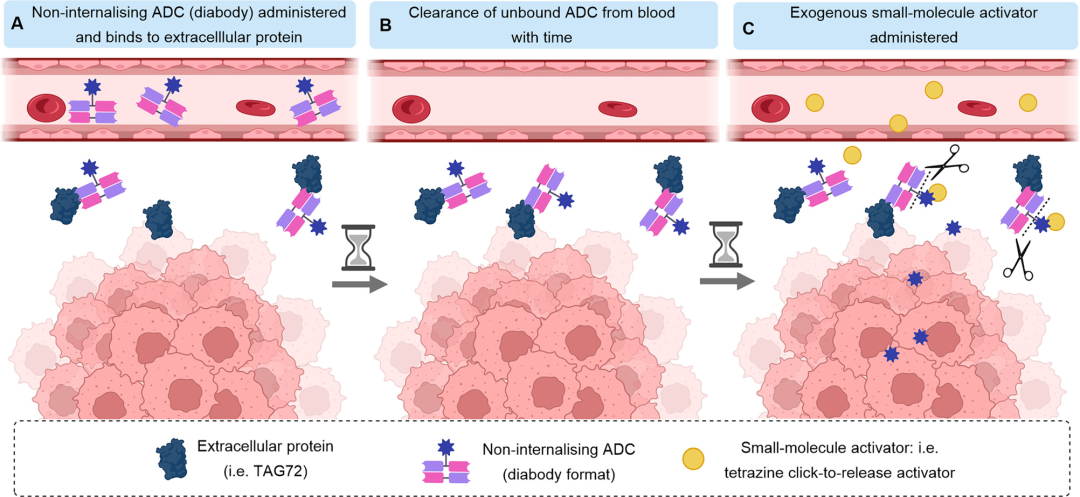
Figure 2: (A) ADC Internalization Mechanism (B) ADC Non-internalization Mechanism
This review will outline the latest developments in non-internalizing ADCs, including non-internalizing membrane proteins and extracellular protein targets, as well as linker chemistry capable of releasing extracellular payloads. It should be noted that the term “non-internalizing” should not be viewed as absolute. “Non-internalizing” targets may have poor internalization but likely exhibit some degree of internalization. Therefore, the efficacy of ADCs may arise from both internalizing ADCs and extracellularly released payloads. However, in most cases, non-internalization is the primary contributor to efficacy, as the potency of analogs requiring internalization to release the payload is significantly lower.
02
Targeting Membrane Proteins
Various characteristics of target antigens are crucial for the success of ADCs, such as high expression of target antigens on target cancer cells rather than healthy cells, to ensure therapeutic specificity and avoid off-target toxicity. The nature of the antibody-antigen binding interaction determines whether internalization of the construct occurs (and the speed of occurrence). For successful internalization of ADCs, the antibody must induce rapid receptor internalization, endosomal transport, and lysosomal processing (Figure 2A). In contrast, for non-internalizing ADCs, since internalization does not need to occur quickly after antibody binding, these intracellular steps are excluded. With growing interest in non-internalizing ADCs, more cases of poor internalization of antibody-antigen interactions are being discovered. In addition to linker chemistry, an increasing number of poorly internalizing cell surface antigen targets have been identified. For example, non-internalizing ADCs targeting CD20, CD21, CD72, TAG72, CEACAM5, and NKA27 have been described. Although this approach still requires expression of specific cell surface antigens, eliminating the dependence on internalization and extracellular payload release may enhance bystander killing and deeper tumor penetration.
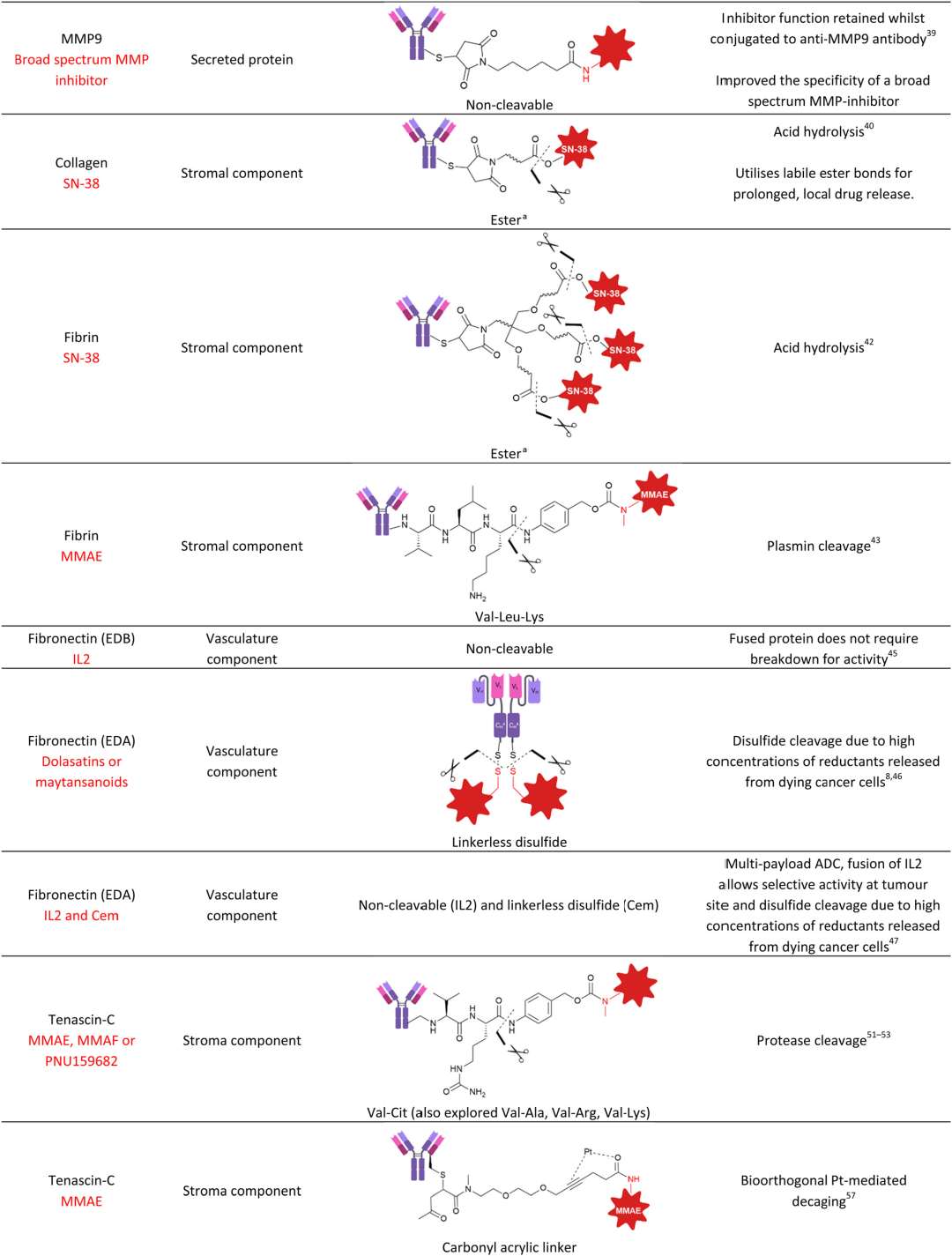
Efforts are also focusing on targeting proteins that are not expressed on the surface of cancer cells, such as secreted proteins Gal3BP, LRG1, and MMP9. The field is also evolving towards targeting the unique physiology of cancer: tumors possess rich stroma and unique vascular systems, containing collagen, fibrin, and fibronectin—all of which have recently been explored for targeting by non-internalizing ADCs. Stroma-targeting ADCs have shown promising preliminary results, and this approach may provide a much-needed alternative to internalizing ADCs for treating stroma-rich solid tumors.
03Conclusion Over the past decade of ADC research, increasing attention has shifted towards the development of non-internalizing ADCs with extracellular payload release mechanisms, aiming to improve some of the drawbacks associated with internalizing ADCs (summarized strategies described in this article are presented in Table 1). For instance, their dependence on high homologous antigen expression excludes many cancer types from target selection and may pose challenges when cancers develop resistance associated with the internalization process. Therefore, non-internalizing ADCs provide the opportunity to target a broader range of cancers lacking suitable antigen expression through internalizing ADCs.
Finally, an emerging area of research is described, which involves activating non-internalizing ADC triggers through exogenous small molecules, such as metals (Pd, Pt) or click chemistry partners. The use of exogenous triggers avoids potential differences in cancer biology between patients and cancer types, but requires further development of in vivo applications.
In particular, there are concerns that the lack of selectivity of exogenous triggers may lead to high doses and potential off-target toxicity. Future work in this field may see more combinations of non-internalizing/extracellular targets with different linker technologies. New linker technologies should explore the balance between linker stability in circulation and extracellular activation to achieve high reactivity in circulating constructs that can easily and rapidly release in the tumor microenvironment.
Lastly, the discovery of new antibody-antigen binding interactions that do not induce internalization may enable the generation of novel non-internalizing ADCs targeting different antigen targets.
Overall, non-internalizing ADCs represent an emerging field in ADC research that may help overcome some of the barriers to clinical success associated with internalizing ADCs and are expected to target a broader range of cancer types in the future.
Table 1: Summary of Non-Internalizing ADCs Discussed in This Review (including targets, payloads, linker chemistry, and mechanisms of action)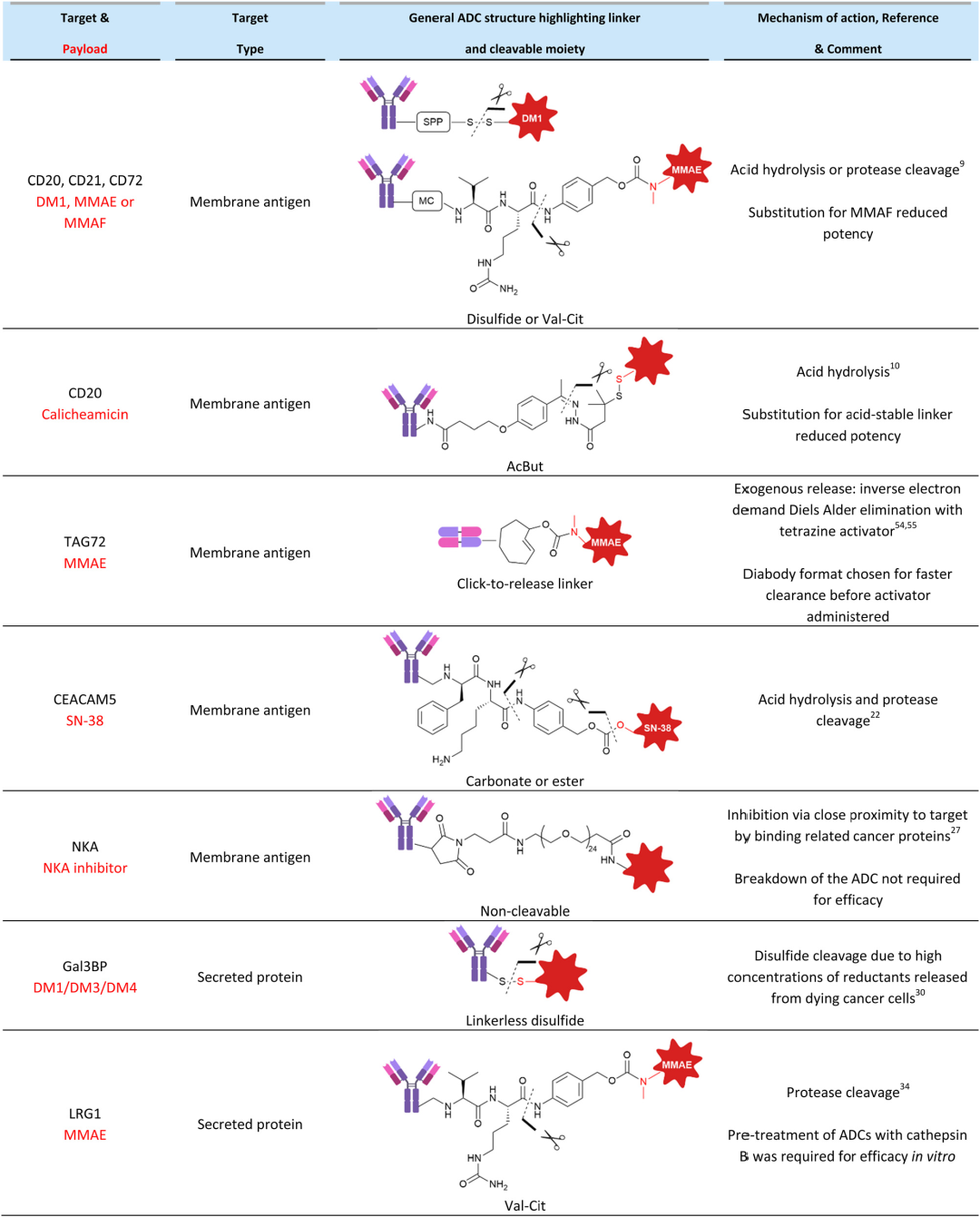
References:
Nicola Ashman, etc, Non-internalising antibody–drug conjugates, Chem. Soc. Rev., 2022, 51, 9182
Author: 静待花开Editor: 💧TransparentThis tweet is for knowledge dissemination. If there are any copyright concerns, please contact Medical Overview within 30 days of publication.Original content is prohibited from being reprinted on other platforms without authorization.If you have any questions, please email [email protected] for more information.©2021 Medical Overview All rights reservedPrevious Links“The Journey of the Little Vaccine” | Pharmaceutical Company Pipeline Overview Everyone Understands Immunology | Everyone Understands Immunology (Audio Version) Review Article Interpretation | Literature Briefing | Medical Science Popularization | Pharmaceutical Frontier NotesPROTAC Technology | Antibody Drugs | Antibody-Drug Conjugates – ADCNucleic Acid Vaccines | CAR Technology | Chemical Biology


Warm Reminder
 The Medical Overview public account currently has nearly 7 discussion groups (enthusiastic, interesting, and gathering talents in the pharmaceutical circle). To join, add the author’s WeChat (yiyaosulan666) or scan the public account QR code to add the author, noting “Name/Nickname – Company/University – Specific Research Field/Major”. This group is only for research discussions, please do not disturb. A simple operation to star ⭐️ Medical Overview, receive our push notifications in a timely manner① Click on “Medical Overview” below the title ② Go to the top right corner “…” ③ Click “Set as Star”<img src=”https://mmbiz.qpic.cn/mmbiz_gif/DHzmPyEdSc1yA1vbEteQHh4Iq0tibeZoeBagvYVIn4ekqcyJUurqEVGw06xAwByQ4aiaujrDvBK6pkbiagz0FYqPw/640?wx_fmt=gif”