Introduction: The flagship and sub-flagship smartphones are now “too fast”
Looking at today’s smartphone market, it is not difficult to find that the application processor chips (SoC or AP) have formed a clear and distinct hierarchy.
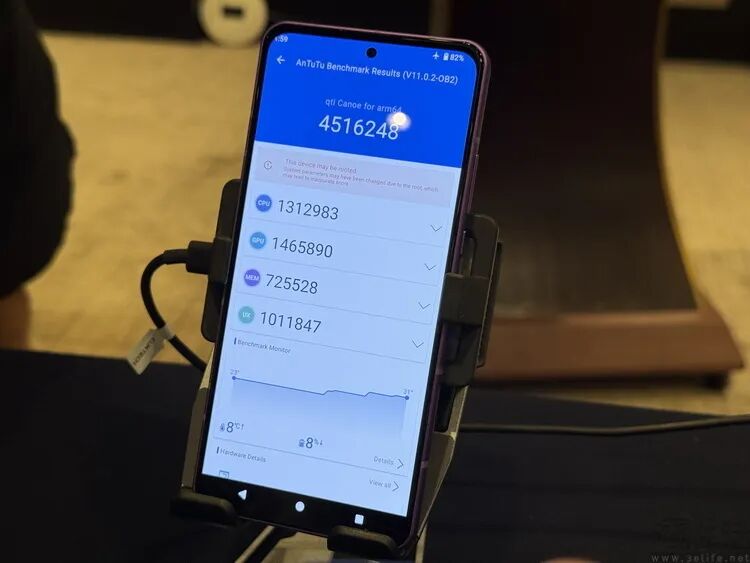
At the top tier are the “top flagship” chips that are launched every autumn to represent the technological development direction for the following year, such as this year’s fifth-generation Snapdragon 8 Gen 2, Dimensity 9500, and Apple A19 Pro. These chips are often in a state of “over-performance” when first released, ensuring that users can enjoy top-notch daily operation smoothness and the highest level of gaming graphics for the next two to three years. Even four to five years later, devices equipped with these chips are likely to still be compatible with the latest systems and software.
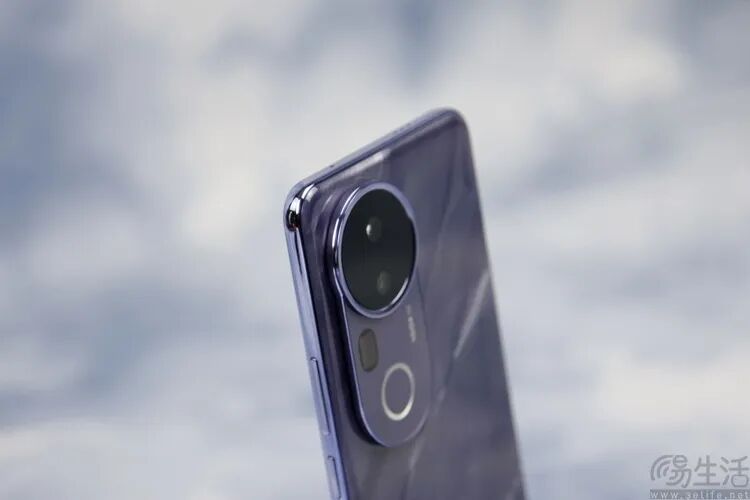
In contrast, the chips referred to as “sub-flagships” are slightly inferior in both performance design and software adaptation. These chips mainly fall into two categories: one is launched in the same year but has slight reductions in architecture, frequency, or the number of processor cores, such as the fifth-generation Snapdragon 8, fourth-generation Snapdragon 8s, and Apple’s A19; the other is directly “repackaged” from the previous generation flagship or simply “re-employed” without renaming, such as the Dimensity 9400e and some new models equipped with the Snapdragon 8 Gen 2 at the end of this year. Their performance is usually 20%-30% lower than that of the “top flagships,” and except for the A19, other sub-flagship solutions have a shorter potential software and system adaptation “lifespan” due to their architecture not being “brand new.”
However, both levels of SoCs ultimately belong to the “high-end” category. This means that although there may be a performance gap of 20-30% between current flagships and sub-flagships, they still have a significant advantage in performance and software “after-sales” (adaptation support) compared to lower-tier solutions.
The Increasingly Expensive High-End Phones Force Changes in the “Mainstream” Market
In fact, this market structure may not have been unreasonable a few years ago, when “high-end phones” were not as “high” as they are now, and one could buy models equipped with flagship or sub-flagship SoCs for just over two thousand yuan. In this case, it made sense for lower-tier models to sacrifice some performance (creating a significant performance gap) in exchange for longer battery life (equipped with larger capacity batteries).
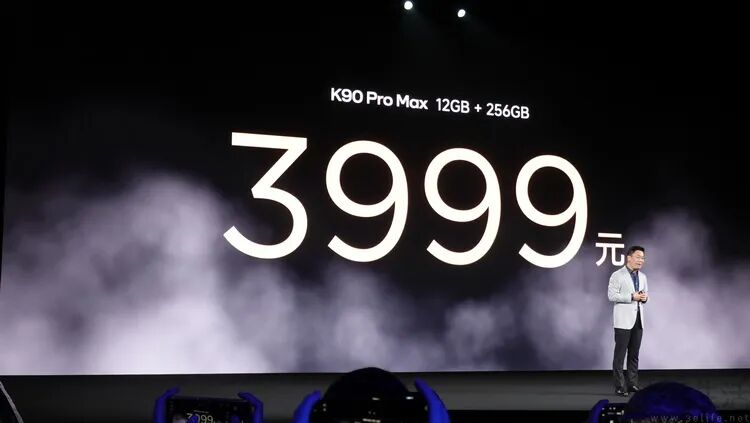
However, the situation has changed. Friends who have seen our previous content may remember that the prices of this autumn’s “sub-flagship” models have generally reached the 4000 yuan range. As a result, even if the “sub-flagship” models drop half a tier, their main price range is unlikely to fall below 3000 yuan. This means that SoCs that may have previously been overlooked, which are one tier lower than the “sub-flagships,” will have to support the 2000 yuan price range, which is still considered “mainstream” for many.
Thus, the existing mid-range SoCs on the market, which are lower than the “sub-flagships,” seem to have reached a point where they must change their design thinking.
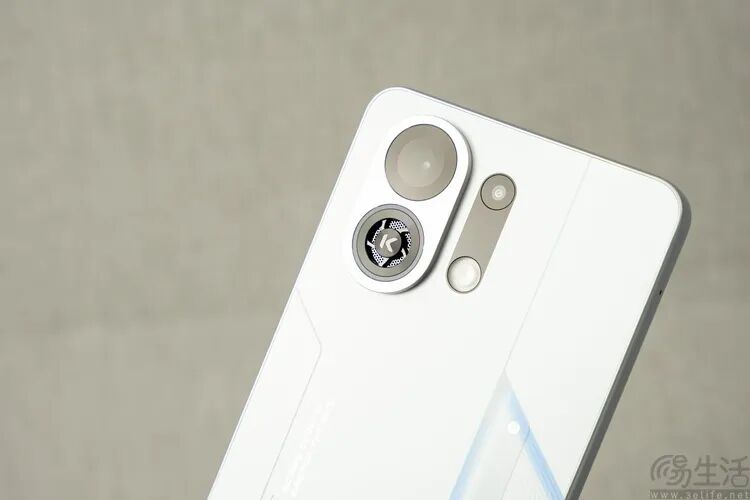
What problems do these mid-range SoCs face? Simply put, whether in semiconductor process, processor architecture, or actual performance levels, they are too far behind compared to the flagship and sub-flagship models launched in the same year.
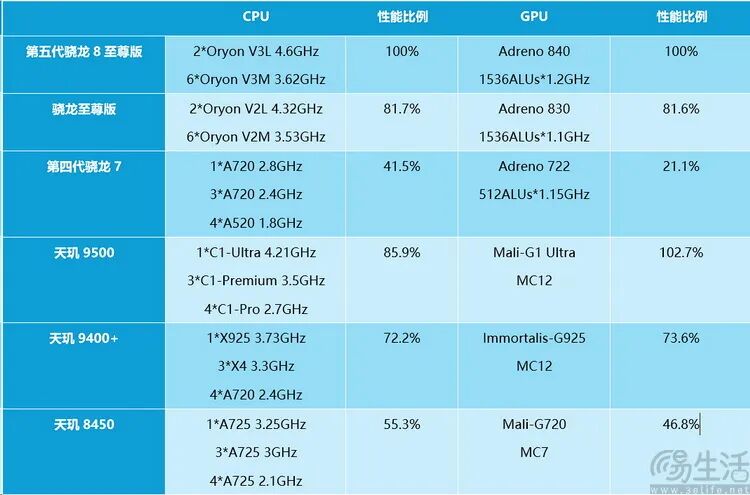
To give everyone a more intuitive view of this gap, we have compiled a comparison table of CPU and GPU performance (benchmark scores) for typical SoC models in the current common “flagship, sub-flagship, and mid-range” three levels based on the AnTuTu benchmark.
It is not difficult to see that the CPU and GPU performance gap between flagships and sub-flagships (or old flagships) is generally around 20%-30%, but the situation is completely different for mid-range SoCs. Clearly, compared to CPUs, the GPU specifications of mid-range SoCs lag even more, with some models’ performance being only equivalent to 1/5 of the flagship models from the same period.
How Should 2000 Yuan Models Improve? Gaming Performance Becomes Key
So what problems does this gap bring? The answer is quite simple. In the past, when sub-flagships and even flagship phones could be bought for around 2000 yuan, it was entirely reasonable for mid-range models priced just over a thousand yuan to not be able to play games, as users with that demand could easily spend a little more for better products. Moreover, users who truly purchase mid-range phones either use them for work or just for daily browsing on WeChat and Weibo, so the design philosophy of “strong CPU, weak GPU” was indeed reasonable for mid-range SoCs at that time.
But now that sub-flagships are selling for three to four thousand yuan, it means that the previous “mid-range SoCs” must take on some of the demands that used to be around 2000 yuan, and this demand must include more than just pure “office” use. Additionally, the entire consumer electronics market (and even the entire consumer market) is clearly catering to the “aesthetics of young people,” and in such a market environment, if mid-range SoCs do not make changes, the only result will be to force manufacturers to use higher-tier chips to create products in this price range, ultimately leading to either extremely unbalanced configurations or price increases.
Given this, how should mid-range SoCs specifically “change”? In fact, just a few days ago, a yet-to-be-released Samsung phone leak may have provided the answer.
Will the “Heavy GPU, Light CPU” Approach Become the New Mainstream?
According to the leaked GeekBench scores, this new Samsung device may be named Galaxy A77, and it is equipped with the SoC model “S5E9865,” which features a rather “interesting” CPU and GPU configuration.
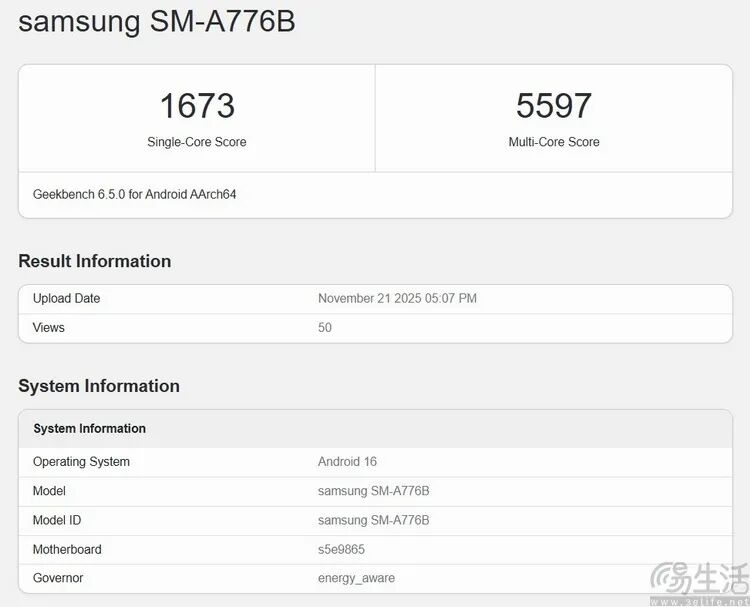
Specifically, the “S5E9865” has 3 cores at 2.7GHz for the big cores, 3 cores at 2.3GHz for the middle cores, and 4 cores at 1.82GHz for the small cores. Judging from this architecture information, the big and middle cores are likely both Cortex-A720, meaning this is a 10-core CPU equipped with 6 “big cores.”
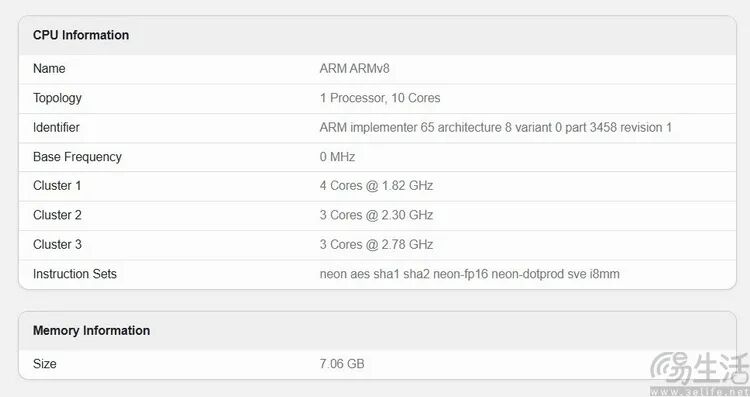
More importantly, the information shown by GeekBench indicates that although the “S5E9865” CPU does not have “super big cores” (which means its positioning is not intended for flagship or sub-flagship levels), this mid-range SoC integrates the same Xclipse 940 GPU as the old flagship Exynos 2400.
What does this mean? It is like Qualcomm modifying a new Snapdragon 7 series mid-range SoC based on the third-generation Snapdragon 8, only “simplifying” the CPU (removing the large, costly super big cores), and possibly also simplifying the cache, baseband, and NPU designs, but completely not cutting the GPU.
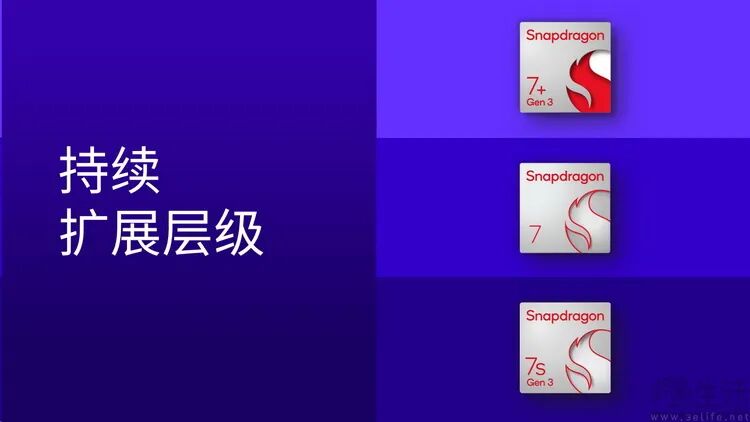
The existing Snapdragon 7 series SoCs have significant differences even when compared to the sub-flagship Snapdragon 8 series.
For manufacturers, this design based on “two generations before flagship, simplifying the CPU” can effectively control costs. From the consumer’s perspective, its GPU performance is at least equivalent to that of the “previous flagship” or “previous generation sub-flagship,” which is clearly much better than the current mid-range SoCs with severely insufficient GPU processing units at launch.
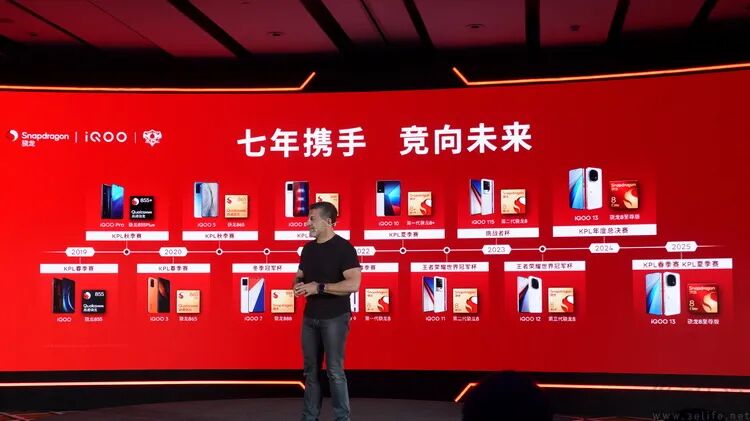
Although “camera phones” are still the most expensive, “gaming” has clearly become the most common user demand.
Most importantly, those who have tested mobile gaming performance know that in almost all games, the CPU’s frequency and utilization are actually “not fully utilized.” This means that “reducing” CPU configuration has a much smaller negative impact on gaming performance compared to cutting the GPU. In today’s market, where “gaming performance” is clearly prioritized over “photography” and “design,” this kind of “strong GPU, weak CPU” mid-range SoC seems to better meet the needs of mainstream users and may be the answer for future versions.
[Images in this article are sourced from the internet]