Industrial Control Systems (ICS) are the core technology supporting modern industrial production. Their architecture is divided into multiple levels based on functionality, ensuring efficiency and stability. This article will briefly introduce the architectural design of industrial control systems from three aspects: architectural levels, communication networks, redundancy, and security design.
The Three Levels of Industrial Control Systems
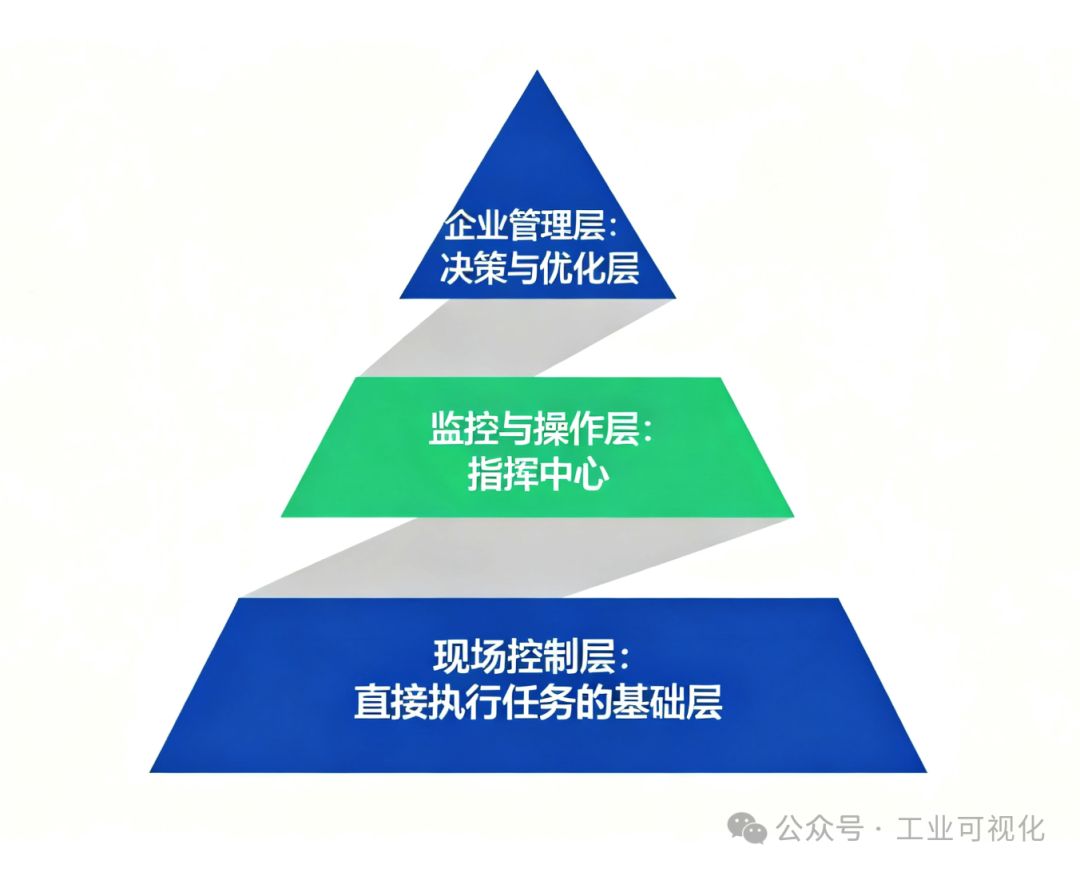
The architecture of industrial control systems is typically divided into the following three levels, with clear responsibilities at each level working efficiently together to complete tasks:
(1) Field Control Level: The Basic Level that Directly Executes Tasks
- Includes devices: sensors, actuators, programmable logic controllers (PLCs), etc.
- Main functions: Collect field data (such as temperature, pressure, flow) and achieve real-time control of devices (such as starting machines, adjusting valves). Characteristics: Emphasizes real-time performance and reliability, serving as the “nerve endings” of the industrial control system.
(2) Monitoring and Operation Level: The Command Center
- Includes: Human-Machine Interface (HMI) and Supervisory Control and Data Acquisition (SCADA) systems.
- Main functions: Provide a graphical interface through HMI for operators to observe data in real-time, and coordinate data exchange between the field level and management level through SCADA. Key Point: Ensuring monitoring and control of industrial processes is the central hub for normal operations.
(3) Enterprise Management Level: The Decision-Making and Optimization Level
- Role: Centered around systems like Enterprise Resource Planning (ERP), analyze production data, optimize production scheduling, and improve overall efficiency.
- Characteristics: Focuses more on enterprise-level benefits and resource management, providing remote decision support.
Communication Networks of Industrial Control Systems

Each level needs to achieve seamless collaboration through communication networks. The following introduces several key technologies:
(1) Fieldbus Technology
- Applicable scope: Communication between devices, such as Modbus and PROFIBUS.
- Advantages: Reliable transmission and simple structure.
(2) Industrial Ethernet
- Application: Communication for monitoring and management layers with large data volumes and more complex structures, such as EtherNet/IP and Profinet.
- Characteristics: High bandwidth and fast real-time transmission, capable of meeting more complex industrial automation needs.
(3) Wireless Communication
- Usage scenarios: Distributed factories or mobile devices where wiring is difficult, such as 5G and ZigBee.
- Challenges: Lower security, requiring enhanced encryption and protection.
Redundancy and Security Design
To ensure stable operation of the system, industrial control systems typically adopt the following designs:
(1) Redundancy Design
- Core idea: Key devices such as controllers (PLCs) and servers are configured with backup devices. Once the main device fails, the backup device can quickly take over.
- Advantages: Increases system reliability and reduces downtime losses caused by device failures.
(2) Network and System Security
- Measures: Deploy firewalls, Intrusion Detection Systems (IDS), etc., while encrypting data traffic.
- Purpose: Prevent potential risks from hacker attacks and operational errors, ensuring the security of industrial data.
Future Trends of Industrial Control Systems
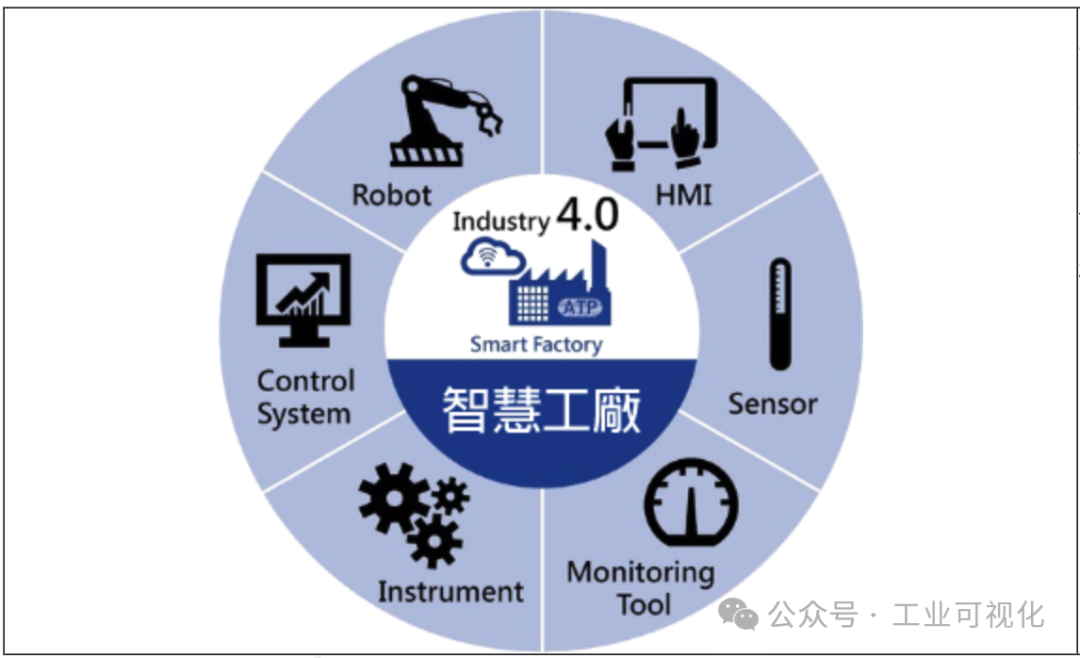
With the rise of Industry 4.0, industrial control systems are continuously evolving: (1) Edge Computing: The field level can analyze data directly without relying entirely on the management level, reducing system latency. (2) Cloud Computing Integration: Through cloud platforms, enterprises can achieve remote maintenance and system upgrades for devices. (3) AI Empowerment: Combining AI technology to achieve anomaly warning and equipment health prediction, further improving efficiency.
The architecture of industrial control systems is centered on “clear levels and defined functions,” covering three main levels: field control, monitoring and operation, and enterprise management, supported by efficient communication technologies and redundancy security designs. With technological advancements, industrial control systems are gradually moving towards a more intelligent and reliable development direction.
Recent Popular Articles:
| Do Modbus Devices Need Termination Resistors?Finally Clarifying the Difference Between SCADA and MESFinally Clarifying PLCs and MCUsFinally Clarifying PCS 7Must-Have!!! MQTT Debugging Tool is Amazing |