Hello everyone, welcome to Issue 112 of Everything Has an Answer.
When we see humanoid robots in science fiction movies, we might wonder: why must robots be humanoid? 🤔 Can’t they be designed in other shapes? Today, let’s explore the secrets behind humanoid robots! 🔍
1. Humanoid Design: The Innate Affinity of Humans 👫
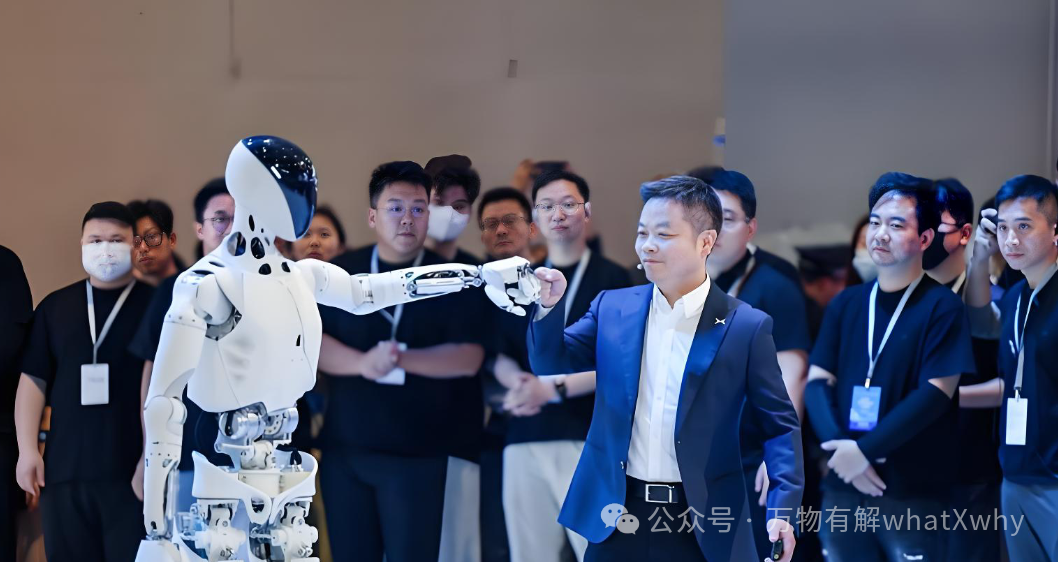
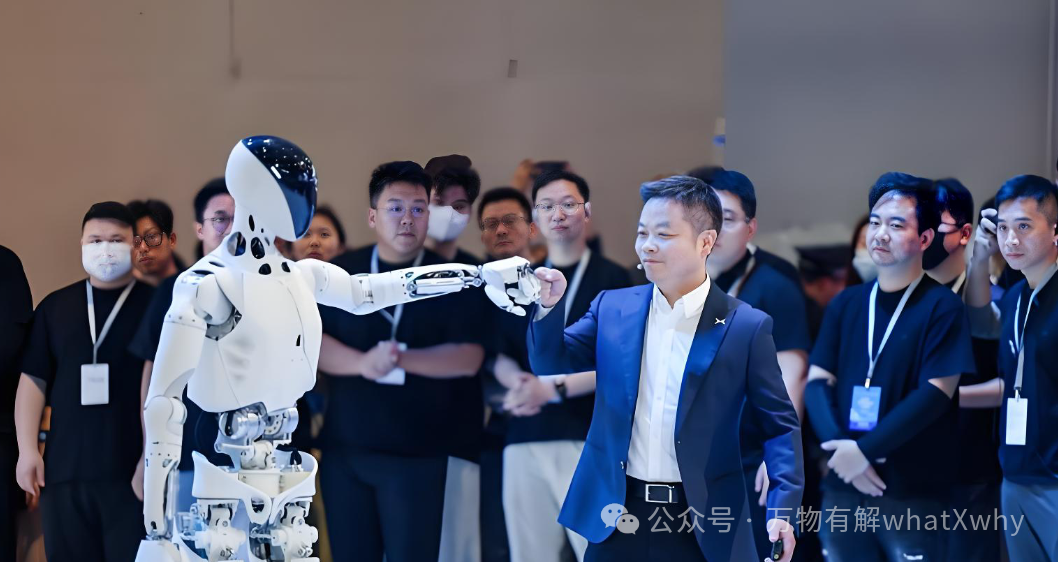
Humans naturally feel an affinity for things that resemble themselves. Psychological studies show that humanoid design can trigger our “empathy reflex,” making it easier for us to accept robots as companions or assistants. For example, Xiaopeng’s humanoid robot “IRON“ features a 1:1 anthropomorphic appearance, 1:1 anthropomorphic hands, as well as human-like conversational and walking abilities, making users feel more connected. 💖
2. Functional Adaptation: Tailored for the Human World 🏠
Our world is designed for humans: door handles, stairs, tools… If robots were square or animal-shaped, they might struggle in human environments. Humanoid design allows robots to seamlessly integrate into existing infrastructure, such as using hands to operate tools, taking elevators, or driving cars. 🚗💨
3. Social Interaction: A Bridge for Non-Verbal Communication 🗣️
In human communication, body language and facial expressions account for 55% of information transfer. Humanoid robots can enhance communication through nodding, smiling, or gestures. For instance, care robots can comfort the elderly through eye contact, enhancing the warmth of service. 👵❤️
4. Technical Challenges: Balancing Aesthetics and Practicality ⚖️
Designing humanoid robots requires finding a balance between aesthetics and functionality. Engineers must address the “uncanny valley effect”—when robots look too human but are not perfect, it can cause discomfort. By optimizing movement fluidity and expression naturalness, modern robots are gradually overcoming this barrier. 🛠️✨
5. Future Prospects: The Infinite Possibilities of Humanoid Robots 🌌
With advancements in AI and materials science, humanoid robots will become smarter and more flexible. They may play a larger role in areas such as home, healthcare, and education. Imagine a future where your robotic housekeeper not only cleans the room but also chats with you and helps your children with their homework! 📚🤖
Conclusion: Humanoid as the Intersection of Technology and Humanity 🌍
Humanoid design is not just a functional requirement; it reflects humanity’s deeper expectations of “companionship.” It allows us to feel warmth and resonance amidst the waves of technology. Next time you see a humanoid robot, consider: it is not just a tool, but a bridge for our dialogue with the future. 💬🚀