 Exoskeleton robots assist elderly individuals with mobility issues, while rehabilitation care robots accurately identify acupoints for more efficient and safer therapy. Intelligent elderly care robots use AI voice interaction to alleviate the loneliness of seniors living alone… On August 12, the World Robot Conference 2025 concluded. Among the many impressive exhibitors, elderly care robots stood out and attracted significant attention.
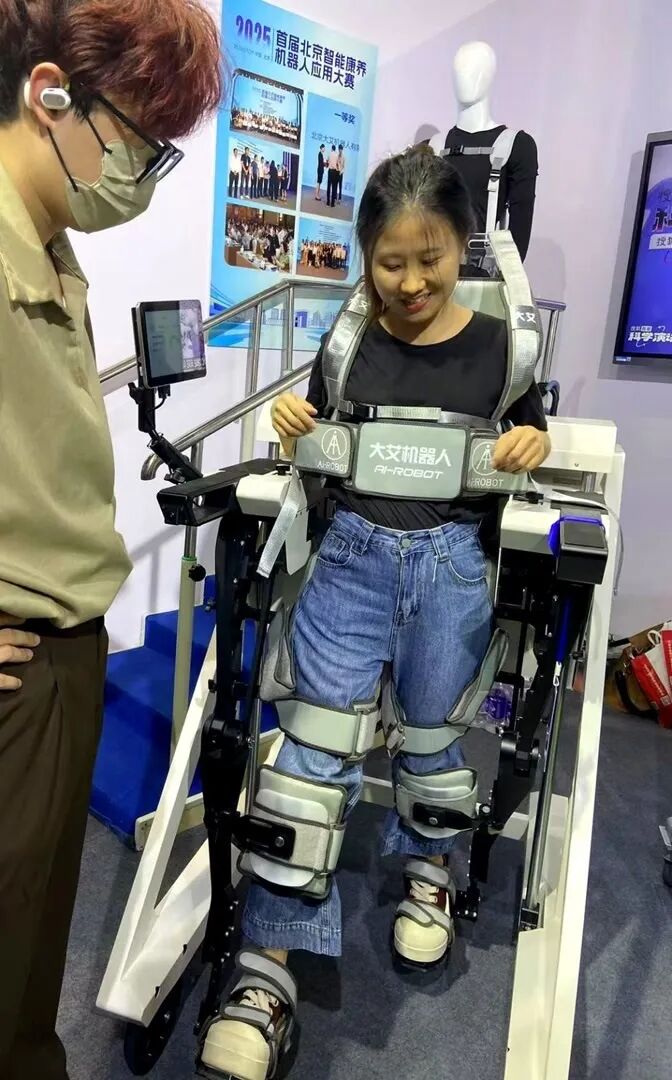
Robotic elderly care is not just about having “people” to care for the elderly; it is about providing quality care. Many elderly individuals have mobility issues, stiff fingers, and are reluctant to go to the hospital even when they feel unwell. Many disabled elderly face basic needs such as using the toilet and bathing with an accompanying sense of embarrassment; some even intentionally reduce their water intake to avoid using the restroom. Many seniors living alone cannot go out, have no one to talk to, and sit in front of the TV from morning till night. Robots with various functions can not only assist the elderly with daily living and monitor their health status but also help them with rehabilitation training and provide emotional support. Robotic elderly care embodies the grand proposition of ensuring that the elderly are cared for and can age with dignity.

It must be acknowledged that current intelligent health care robots are still in their infancy and there is a significant gap between them and the real needs of the elderly. For example, the movements of robots can be disjointed, not smooth, and not gentle, making them appear “clumsy”; the needs of the elderly vary, and elderly care robots still rely on vast amounts of data for daily care, emergency response, and indicator assessment. Additionally, elderly care robots only move when given commands, but in reality, the needs of the elderly are often hidden in unspoken details such as curled limbs and facial expressions of discomfort. The arrangement of household items, differences in dialects, and the elderly’s acceptance of technology can all affect the robot’s performance and the user’s experience. Furthermore, the high cost of these robots is likely a significant barrier to their widespread adoption.
For robotic elderly care to go from hopeful to reliable, a collective effort is needed. It is commendable that in 2025, China will lead the formulation of the world’s first international standards for elderly care robots, emphasizing data privacy protection and barrier-free design, providing important guidelines for the industry. Companies should not design robots for the “imagined elderly” but should engage with seniors to listen to their real needs. Community and nursing home staff should take seniors to experience the services of robots, allowing them to naturally accept “steel caregivers.” In the future, with mass production of robots and favorable subsidy policies, the prices of elderly care robots are expected to become more affordable, which is a trend that cannot be ignored.

The ultimate benevolence of technology lies in bringing warmth and dignity to people. We look forward to more technological advancements that enable elderly care robots to better understand seniors, allowing the elderly to rely on them.
Source: Beijing Evening News, Reporter: Li Xia
-THE END-
Follow our video account: Arctic Fox Elderly CareFurther Reading:➤ Arctic Fox – Catalog of Elderly-Friendly Facilities and Equipment➤ Why are more and more elderly people choosing to move into nursing homes? These ten points are enough to explain!➤ The Ministry of Civil Affairs announces the “Nursing Service Standards for Elderly Care Institutions”➤ Emergency response procedures for seven types of accidents involving elderly people in care institutions (including operational flowcharts)➤ “Food Sampling Guidelines” for catering service providers in elderly care institutions➤ Emergency response procedures for seven types of accidents involving elderly people in care institutions (including operational flowcharts)➤ Training for elderly care service providers (quality requirements and 24 operational procedures)➤ Extremely practical! 60 sources of odors in elderly care institutions and cleaning tips➤ Common elderly care assessment forms (recommended for collection)➤ Comprehensive emergency response manual for elderly care institutions (30,000 words for collection)➤ Six major processes and details for elderly individuals moving into care institutions (including various practical forms)➤ The “24 hours” of elderly caregivers (including caregiver workflow)➤ Still assisting patients in turning every two hours? It’s time to change!How do nursing homes located in universities explore the integration of “school, medicine, and care”?[Scan to follow our public account]